-
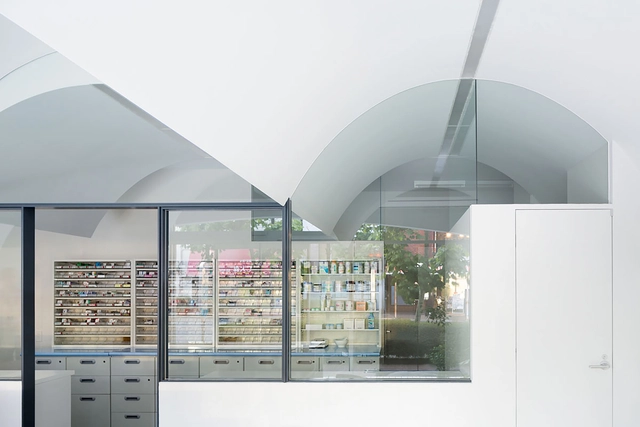
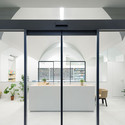
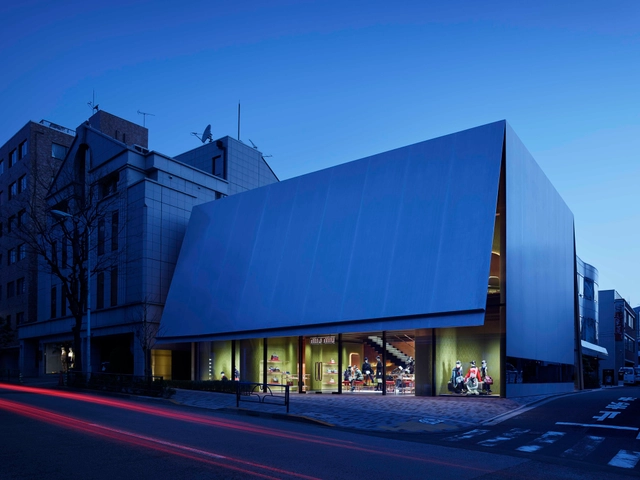
Architects: Niji Architects
- Area: 52 m²
- Year: 2014
-
Professionals: Nichinan Iron Construction


The Japanese Institute of Landscape Architecture (JILA) will be celebrating its 90th anniversary in May 2015, and is pleased to host an international competition for design proposals envisioning future Tokyo with/without parks in 2105, 90 years from today.
This installment of Vincent Hecht's "Classic Japan" series takes you through Kenzo Tange's 1958 Kagawa Prefectural Government Hall. Emulating traditional Japanese wood construction, the reinforced concrete structure forms an L-shape around a central courtyard with a connecting eight-story administrative office tower and low-rise assembly hall.
With the planned demolition of Hotel Okura in preparation for the 2020 Tokyo Olympic Games fast approaching, architects and designers have rallied around the Modernist icon, calling for its preservation. In the latest and most high profile campaign, Japanese architect Toshiko Mori and Bottega Veneta's Tomas Maier have joined forces to span a breadth of platforms from a symposium held last November to an Instagram hashtag (#mymomentatokura) sharing images of the beloved hotel. Most recently, Mori sat down with Architectural Digest to discuss her passion for Hotel Okura, the origins of the campaign, and Japanese Modernism. Read the full interview and see why Mori says Hotel Okura is "a very beautiful orphan child," here.


From Tokyo-based French architect and film maker Vincent Hecht comes "Classic Japan," a series of short films focussed on Japanese architecture from between the 1950s and 80s.
The first installment takes viewers into Kenzo Tange's 1964 Yoyogi National Gymnasium in Shibuya, built to house the swimming and diving events of the 1964 Summer Olympics. Completed in less than two years and seating upwards of 15,000 spectators, the Gymnasium is renowned for its suspension roof, and will host the handball competitions during Tokyo's 2020 Summer Olympics.

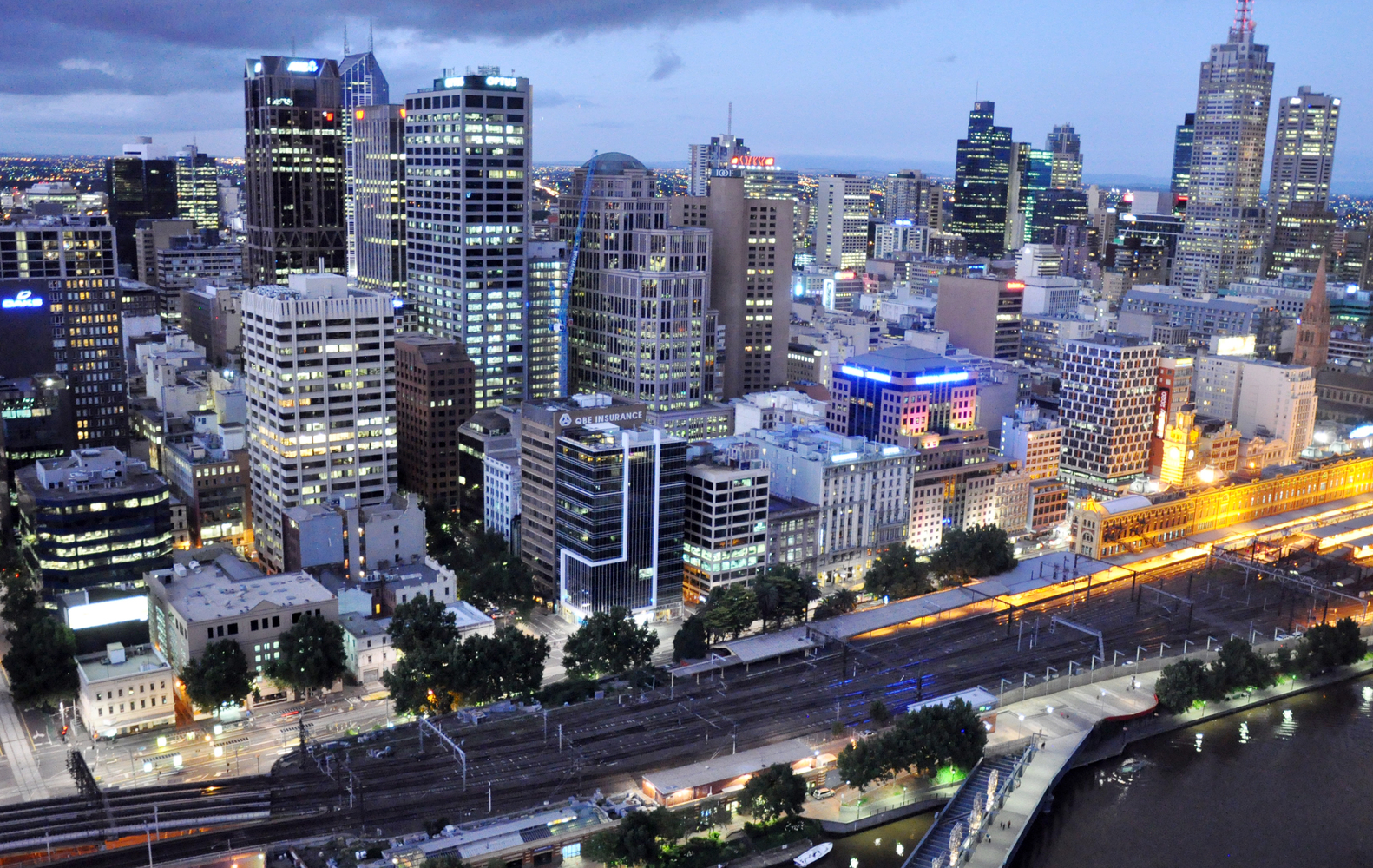
China’s Pearl River Delta has surpassed Tokyo in both size and population, making it the largest urban area in the world, according to the World Bank. The colossal megapolis - a conglomerate of several cities, including Shenzhen, Guangzhou, Foshan and Dongguan - is a central component to China’s manufacturing and trade industries.
It is now home to 42 million - more people than the countries of Canada, Argentina or Australia. And, considering nearly two-thirds of the East Asia region’s population (64%) is still “non-urban,” the area is expected to grow exponentially.
As preparations for the 2020 Tokyo Olympics escalate, so do concerns regarding the preservation of the city’s heritage; and more specifically, according to Tomas Maier, Japan’s modernist architecture. The Bottega Venneta creative director recently embarked on an “urgent visit” to Japan in an effort to evaluate the city’s risk of loosing its modernist icons. With special consideration for the overlooked and threatened Hotel Okura, Maier believes that this Yoshiro Taniguchi-designed landmark is just one of many structures at risk of falling to "progress.”
Watch the video above and learn more about how you can help preserve the Hotel Okura, here.
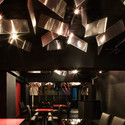
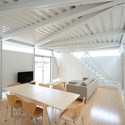
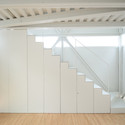
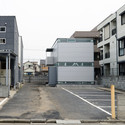
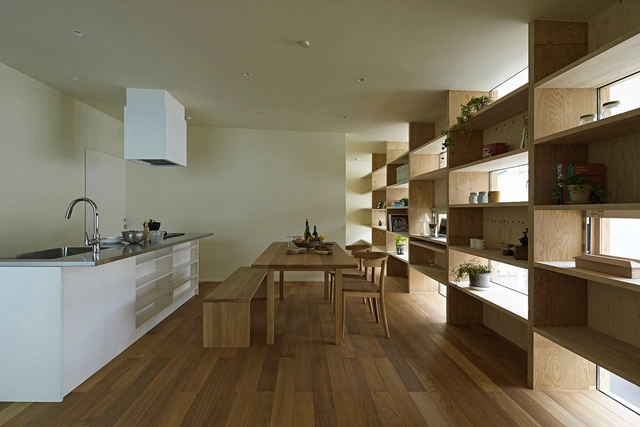
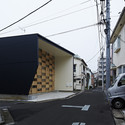
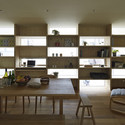
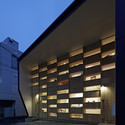
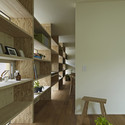
Japanese design brand MUJI has taken a bold step into architectural territory. A few years after a collaboration with Kengo Kuma to design two prefab houses, the company has come forth with a Vertical House in Tokyo. Streamlined and efficient, the home accommodates all the demands of residential living within a small plot of land.
Interior images and more information, after the break.
.jpg?1406047165&format=webp&width=640&height=580)
Talk about Modernist Japanese architecture, and you can hardly fail to bring up Tokyo's Hotel Okura. Built in 1962 under the design direction of Yoshiro Taniguchi, Hideo Kosaka, Shiko Munakata, and Kenkichi Tomimoto, the hotel has long been a landmark not only for the city, but for Japan. Now, however, the hotel's owners have decided that the main building for the hotel will be demolished in September of 2015, with a new hotel taking its place. To learn more - including how to sign the petition for preservation - keep reading after the break.
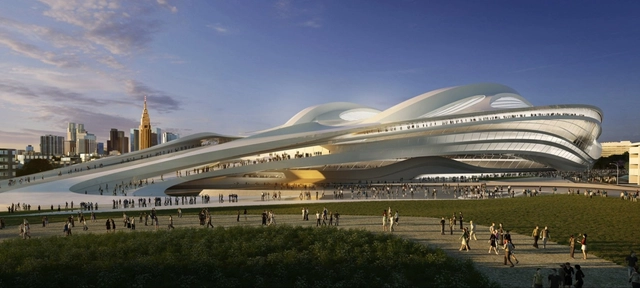
Update: The Japan Sport Council has now unveiled images of ZHA's redesigned Tokyo National Stadium, which Zaha Hadid Architects say will make "make the stadium even more efficient, user-focussed, adaptable and sustainable." The capacity of the stadium will remain at 80,000 seats.
After sustained protest from Japanese architects and citizens alike, Zaha Hadid Architects have confessed that they are modifying their designs for Tokyo's National Stadium, the centerpiece for the 2020 Tokyo Olympics. After repeated criticism, including a petition launched by Pritzker laureates Toyo Ito and Fumihiko Maki, the Japanese Government had already announced a plan to reduce the cost from its original budget of $3 billion to a more manageable $1.7 billion.
Now, the International Olympic Committee (IOC) has added fuel to the fire by saying that it would support a scaled-back plan for the entire event: "We want to see more existing venues, we want to see the use of more temporary grandstands," said Committee vice president John Coates.
More on Tokyo's plan to dial down its Olympics after the break