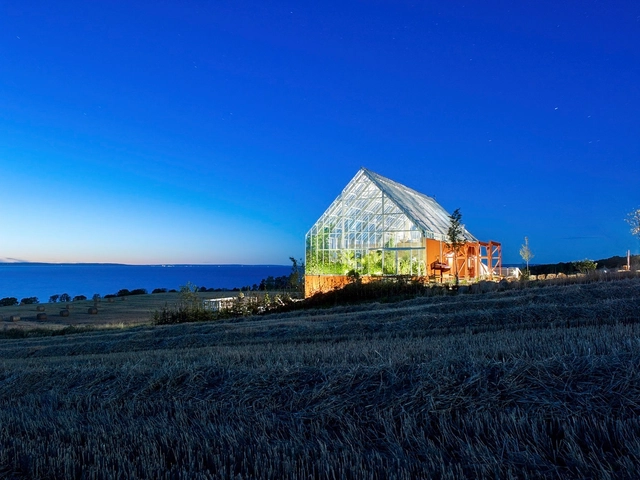
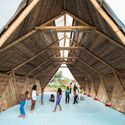
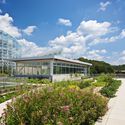
We invite you to join re:arc institute—a new philanthropic organization supporting architectures of planetary well-being—in celebration of the opening of The Greenhouse: a UIA Pavilion in the form of a new, youth-focused environmental education space in Copenhagen.
Researchers point out that "proto-greenhouses" arose to fulfill the desire of the Roman Emperor Tiberius (42 BC to 37 AD) to eat cucumbers every day of the year. Since it was impossible to grow the vegetable on the island of Capri in winter, his gardeners developed beds mounted on wheels that they would move into the sun when possible, while on winter days they would place them under translucent covers made of Selenite (a type of gypsum with a glassy appearance). But the production of large-scale greenhouses only became possible after the Industrial Revolution with the availability of mass-produced glass sheets. Since then, they have been used to grow food and flowers, forming a microclimate suitable for plant species even in places with severe climates. But in some cases, these artificial growing conditions can also form interesting living spaces. The recent Lacaton & Vassal awards rekindled this interest. How is it possible to create greenhouses that can be good for both humans and plants?
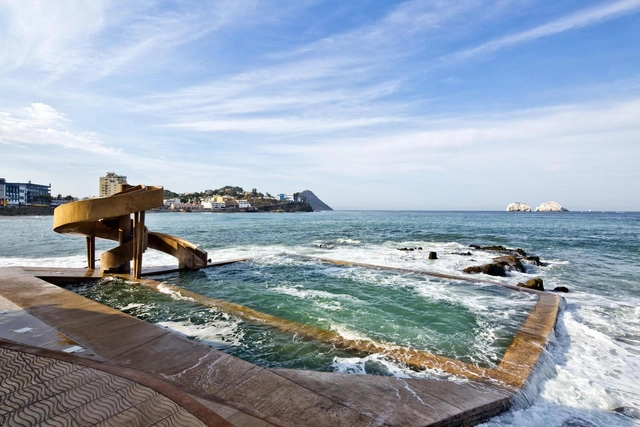
June 8th was World Oceans Day 2023, which brought the theme 'Ocean Planet: Tides are Changing'. The purpose of the United Nations was to generate a "new wave of enthusiasm for caring and protecting the ocean and the entirety of our blue planet."
A new opportunity to reflect on the importance of preserving these vast aquatic ecosystems that cover more than 70% of the Earth's surface - and an opportunity to reflect on how architecture can contribute to their protection and conservation through the design of resilient coastal infrastructure, the development of marine energy technologies, sustainable design of coastal buildings, and regeneration of marine ecosystems.
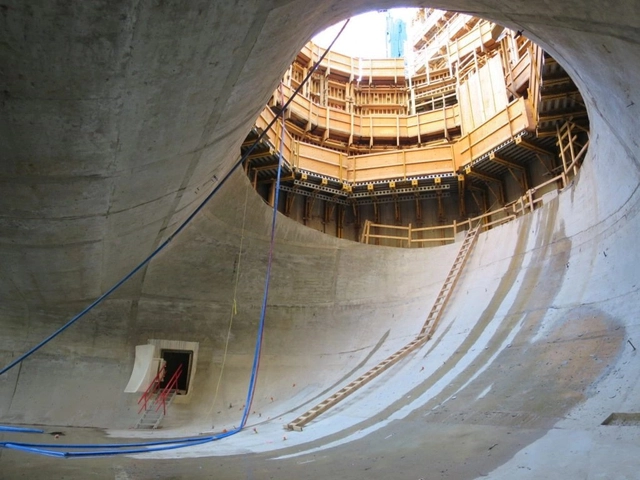
Concrete, second only to water, is the most consumed material worldwide due to its structural strength, ease of handling, and versatility. Comprised of cement, sand, gravel, and water, it is extensively used in construction projects of various scales. However, even this resilient material can deteriorate over time, necessitating maintenance or, in severe cases, demolition. Abrasion and erosion are factors that can adversely affect the appearance of concrete, remove its protective layer, create a rough surface, and potentially lead to structural issues. These challenges are particularly critical in large and complex construction sites, where any irregularities or unevenness can result in significant losses and complications for architects, engineers, and contractors.
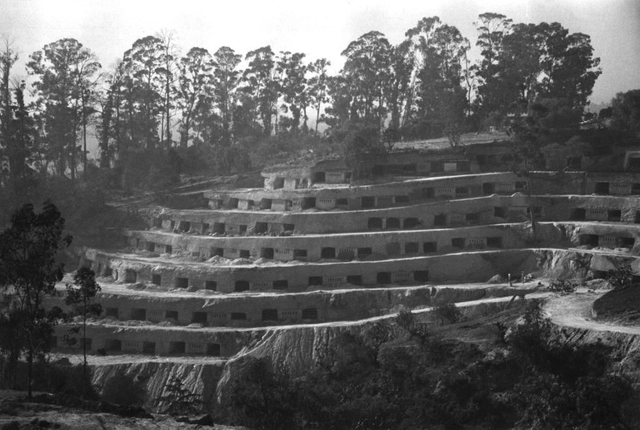
Mexican architect Carlos Lazo's Cuevas Civilizadas project in Mexico City. Image Courtesy of The Isamu Noguchi Foundation and Garden Museum
Contemporary architecture's approach to space is fairly linear: enveloping a specified volume within some form of material construct. But if we take a look at humanity's first intentional dwellings, it becomes clear that they were much less premeditated.
Rather than manmade areas to be furnished with pride, our earliest homes were naturally occurring cave lairs that offered hunter-gatherers temporary protection from the elements and potential predators. It wasn't until the appearance of agriculture that our ancestors took permanent, built residences. To this day, troglodytism — or cave living — continues to be connected to ideas of societal disassociation and a hermetic desire to exist outside of orthodox architectural norms. And yet, from Northern China to Western France and Central Turkey, hundreds of millions of people still choose to spend their lives at least partially underground.
The circular economy concept became more defined in 1990 when it appeared in the article Economics of Natural Resources and the Environment, by British economists and environmentalists David W. Pearce and R. Kerry Turner. At the time, the main purpose of the research was to demonstrate that the traditional economy did not incorporate recycling. In this way, the environment assumed a secondary role, just like a simple waste reservoir. Therefore, the circular economy would gain strength as an opposition to the linear (or traditional) economy, in which the production chain motto is “extract, produce and discard”. A model deeply rooted in our economy that has become unsustainable for several reasons, like the depletion of natural resources and the contamination of the environment resulting from production and disposal.
As awareness of water scarcity, water stress and environmental sustainability grows around the world, the concept of "water footprint" is becoming increasingly relevant. Unlike its more popular cousin, "carbon footprint", which focuses on greenhouse gas emissions, the water footprint (WF) provides a holistic view of water used throughout the life cycle of a product, process, or activity. It measures the amount of water consumed (directly and indirectly) and polluted –taking into account different types of water resources– and serves as a valuable tool for companies, policymakers, and individuals to understand and address their water-related impacts. There are even online calculators that measure our individual footprints through simple questions about our homes, appliances and even eating habits.
In this third feature, we met with co-chairs of Design for Resilient CommunitiesAnna Rubbo, Senior Researcher, Center for Sustainable Urban Development (CSUD), The Climate School, Columbia University, and Juan Du, Professor and Dean of the John H. Daniels Faculty of Architecture, Landscape and Design, University of Toronto.
Climate issues have been the main topic of discussions about the future of cities, but they are certainly not new. The warning about human irreversibility on the planet has been part of scientific discourse since the 1980s. Faced with increasingly frequent environmental urgencies, Donna Haraway, in her book Staying with the Trouble: Making Kin in the Chthulucene, suggests a change in attitude on the part of humans to ensure not only partial environmental recovery but the species' survival.
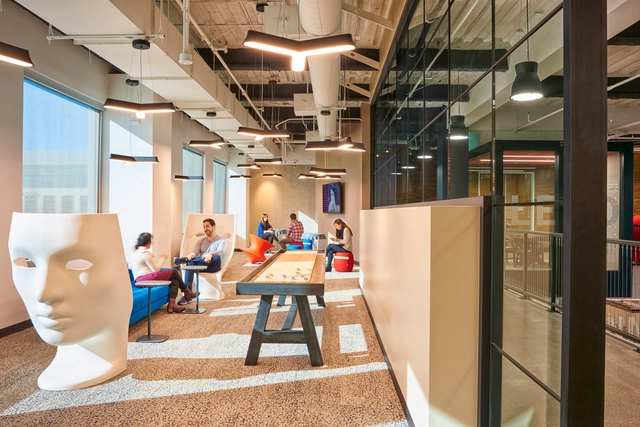
Sede da Symantec. Certificado por WELL. Imagem Cortesia de Little
Na teoria, a sensação de bem-estar pode ser definida como um estado de satisfação plena das exigências do corpo e do espírito, evocando sentimentos de segurança, conforto e tranquilidade. Na prática, a sensação de bem-estar pode ser fomentada por diferentes estratégias, desde hábitos individuais até a forma como o ambiente é construído.
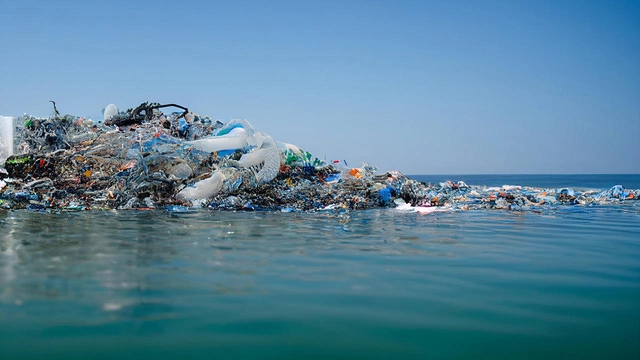
Environmental issues urgency and increasing temperatures on the planet are nothing new. There are many factors contributing to environmental degradation. However, two can be viewed as representative of critical points in the current world system: plastic and waste disposal, better known as garbage.
The environmental crisis cannot be attributed solely to these two examples. They are used here as examples to mobilize issues involving multiple agents, materials, and diverse methods. These issues lead to devastating consequences, increasingly irreversible.
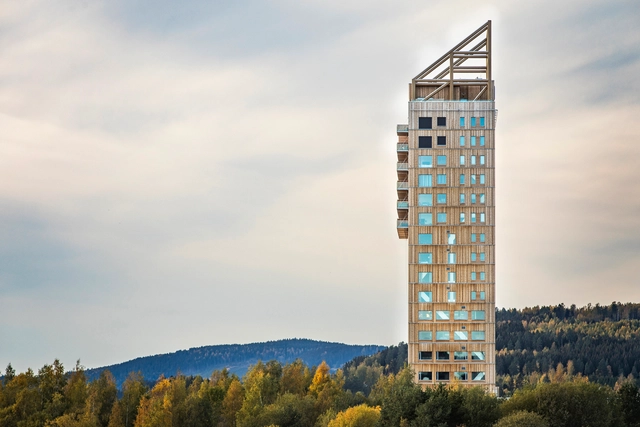
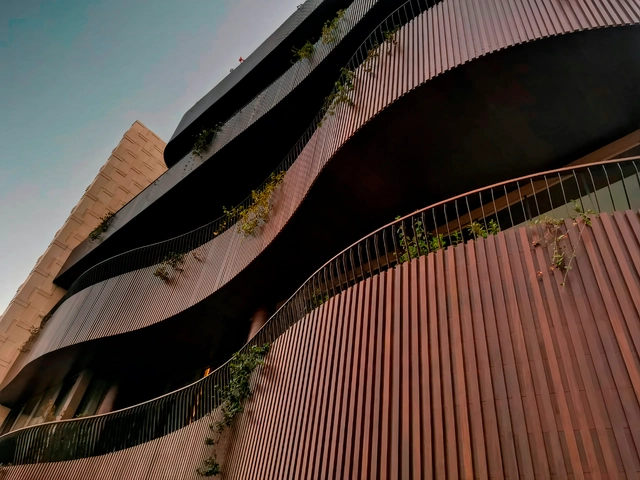
Wood is the concrete of the future. As timber construction becomes increasingly popular, you have probably heard this phrase. However, we are not talking about traditional construction techniques using timber, but rather about this well-known material combined with cutting-edge technology.
Solid wood, which has been used since prehistoric times and is still highly valued today, is extracted directly from trees without undergoing any lamination, pressing, or gluing processes. While it remains a universally used material in architecture, its widespread use has led to an increased demand and less efficient resource management. Therefore, solutions are being sought to optimize its use in production processes and reduce its consumption without losing its capabilities and characteristic beauty. To address issues such as warping, aging, and high environmental costs associated with solid wood, materials like Technowood have been developed. Combining technology and super-strength composites with natural wood veneers, Technowood maintains the beauty and characteristics of solid wood, but with greater durability and a sustainable approach, making it a suitable alternative.
https://www.archdaily.com/1000184/creating-decorative-long-lasting-facades-with-natural-wood-and-technologyEnrique Tovar
The concept of sustainability emerged at the United Nations Conference on the Human Environment (UNCHE) in Stockholm in 1972 and was coined by Norwegian Gro Brundtland in the report "Our Common Future" (1987). According to this definition, the sustainable use of natural resources should "meet the needs of the present generation without compromising the ability of future generations to meet their own needs." However, despite the urgency of the concept and the constant evolution it has undergone over time, its application is often restricted to the controlled use of natural resources and the preservation of wildlife. In other words, it treats the situation from the perspective of "man versus nature," as a dichotomous view, with the loss of a holistic perspective.
Videos
Help an essential global industry decarbonise
The Innovandi Open Challenge is a global programme which brings together tech start-ups and the world’s leading cement and concrete companies to help accelerate the next wave of innovations to achieve our net zero mission.
The Global Cement and Concrete Association (GCCA) and its members understand the key role that innovation will play in unlocking a net zero future for concrete –the world’s most used material after water– which is essential to building the sustainable world of tomorrow.
Dismantling the system of slave and child labor in the architecture and construction industry does not seem like a simple task, especially on a global scale. However, this is precisely the mission of the Design for Freedom (DFF) initiative, created by CEO and founder of the Grace Farms Foundation, Sharon Prince, along with Bill Menking, professor and editor-in-chief of The Architect's Newspaper.
Through events and freely available tools, Design for Freedom seeks to "raise awareness and inspire responses to halt forced labor in the construction materials supply chain," offering paths to ensure transparency and ethics in the architectural production process.
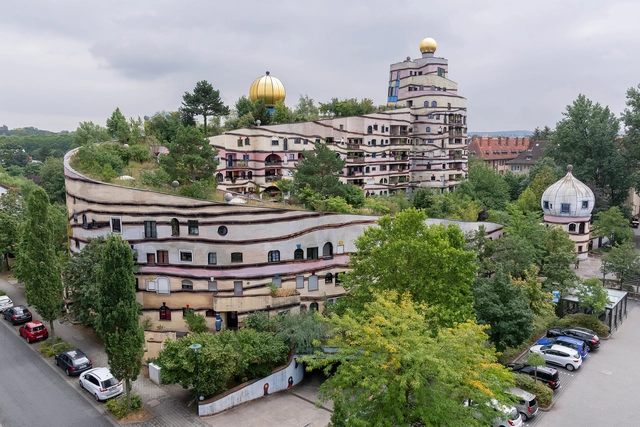
Waldspirale, Alemanha. Foto de Alexandre Prevot, via Flickr. Licença CC BY-SA 2.0
"I am tolerant. But I revolt. I accuse. It is my obligation. I am alone. Behind me there's no dictatorship, no party, no group, nor any mafia — neither a collective intellectual scheme nor an ideology. The green revolution is not a political revolution. The base sustains it and is neither minority nor elitist. It is a creative evolution in harmony with nature and the universe's organic course."
The above paragraph was said in the mid-20th century by Friedensreich Hundertwasser, an Austrian artist, and architect born in 1928. Hundertwasser marked architecture history with his distinct style of irregular and vibrant forms. His projects were a manifesto against rational and repetitive architecture. In them, there was a right to intervene in windows, irregular floors, green roofs, and spontaneous vegetation. As an architect, he always put diversity before monotony, believing in the right of each individual to modify their home and express their creativity. Above all, Hundertwasser believed in the importance of man's identification with nature and the world around him, addressing concepts related to community life and respect for the environment.