
-
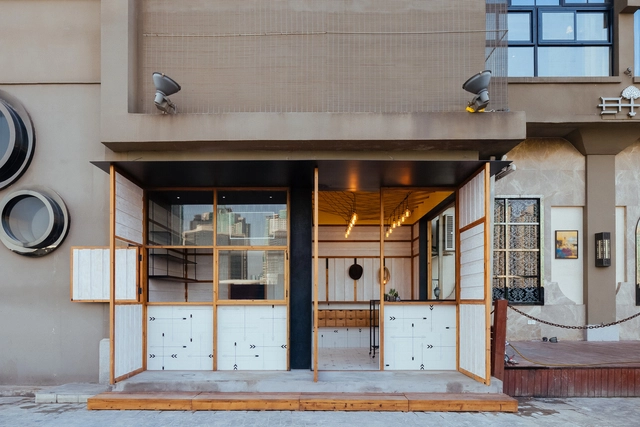
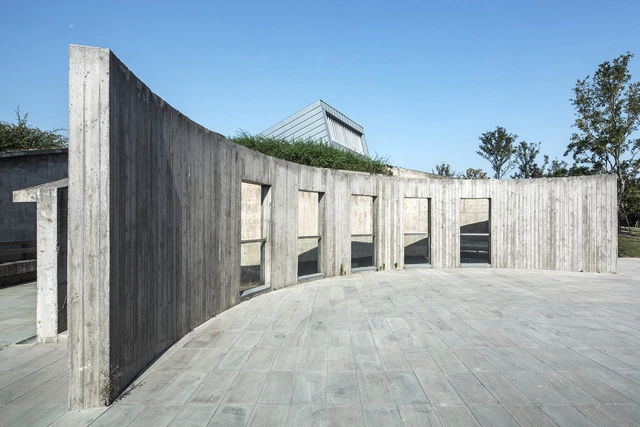
Architects: Alberto Caiola
- Area: 130 m²
- Year: 2014

.jpg?1415924829&format=webp&width=640&height=580)
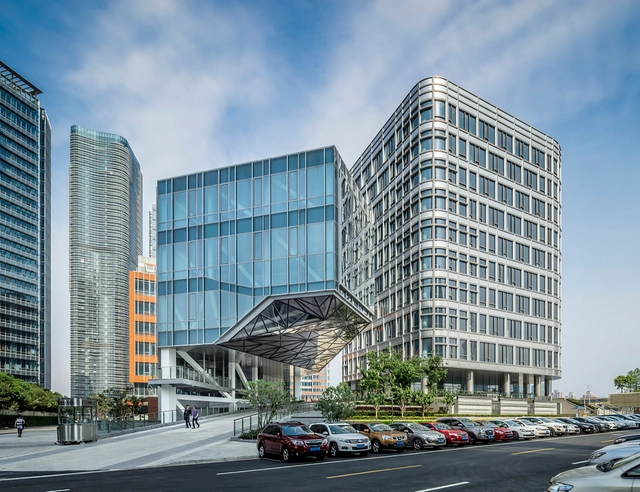
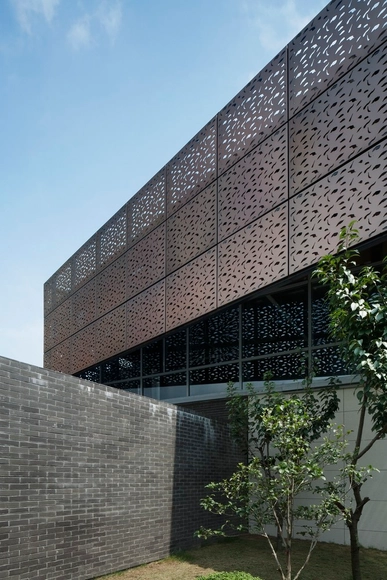
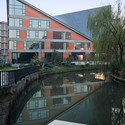
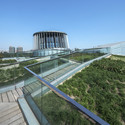
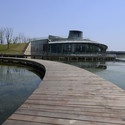
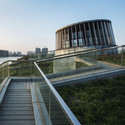
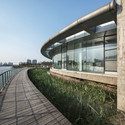
Aedas is nearing completion on the sales gallery for the mixed-use Shanghai Greenland Qingpu Xujing District complex. The gallery, shaped as a leaf, is designed to fit with the "clover leaf" concept of the nearby Qingpu Xujing Conference and Exhibition Centre, in which it will be connected with by a pedestrian bridge.
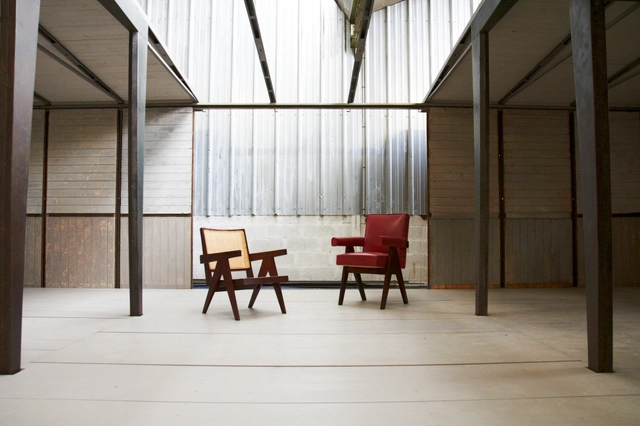
Marking the second edition of Design Shanghai, this year’s exhibition will take place March 2015 and will include over 300 exhibitors across three halls; Contemporary Design, Classic Design, and Collectible Design. Featured among the confirmed installations is Jean Prouvé’s Demountable House, a rare early example of prefabricated housing.
French architect Jean Prouvé is regarded as one of the twentieth century’s most influential designers, and is known for combining bold elegance with economy of means in a socially conscious manner. He is also recognized for his manufacturing firm, Les Ateliers Jean Prouvé, where he designed and produced lightweight metal furniture in collaboration with some of the most well known designers of the time. One such designer was Pierre Jeanneret, a Swiss architect and furniture designer who often worked with his more famous cousin, Le Corbusier.
Read on after the break to learn more about this year’s featured exhibition.
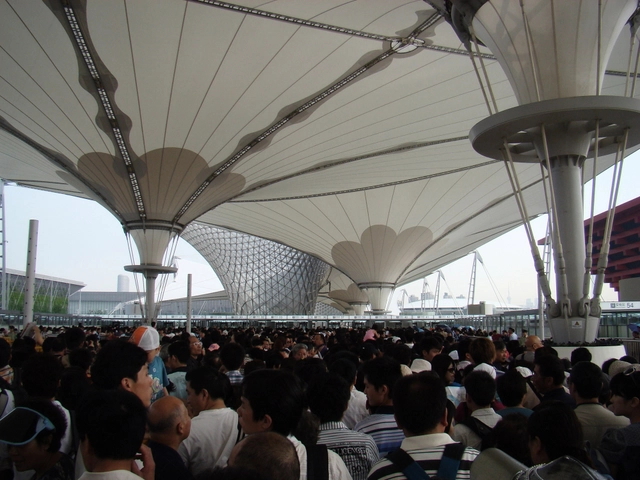
"We need a new generation of cities in China" - Siegfried Zhiqiang Wu
As the tide of urbanization sweeps across most of the developing areas in China, the building frenzy has become a Chinese phenomenon. Some people are making money from it, some people are getting power from it, and some people are worrying about it. Recently, a new set of policies and reports have been published by the Chinese central government, and the whole society seems to be boosted by the new talk of a Chinese Dream. But, what is really happening inside China? Can it absorb this enormous growth? And, will urbanization continue in a proper way?
As the chief planner of the 2010 Shanghai Expo, Siegfried Zhiqiang Wu has been deeply involved for years in many of China’s main urbanization projects. It was almost midnight when we met Professor Wu in Shanghai, and although Wu had just gotten off a night flight from Beijing, his passion, frankness and intelligence remained undoubtedly impressive. In the following edited talk with interviewer Juan Yan, Professor Wu discusses China's dramatic urbanization, its architectural culture and the future of smart cities.

With more than 7 billion people now alive, the greatest population growth over the last century has occurred in urban areas. Now, a new series of interactive maps entitled "The Age of Megacities" and developed by software company ESRI allows us to visualize these dramatic effects and see just how this growth has shaped the geography of 10 of the world’s 28 megacities. Defined as areas with continuous urban development of over 10 million people, the number of megacities in the world is expected to increase, and while Tokyo still tops the list as the world’s largest megacity, other cities throughout Asia are quickly catching up. Find out more after the break.
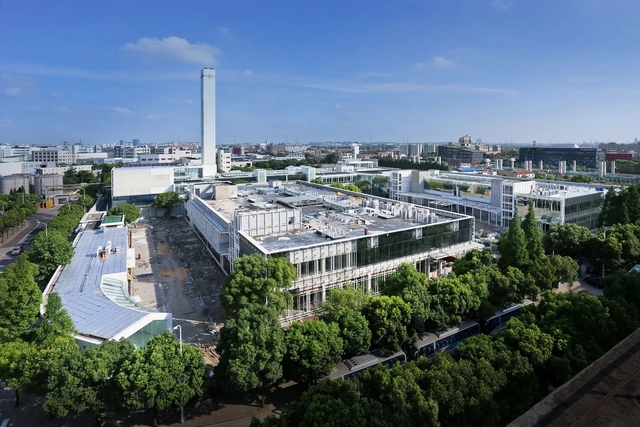






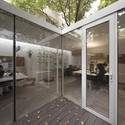
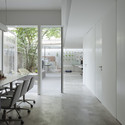
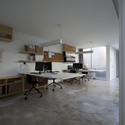
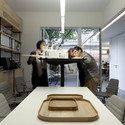






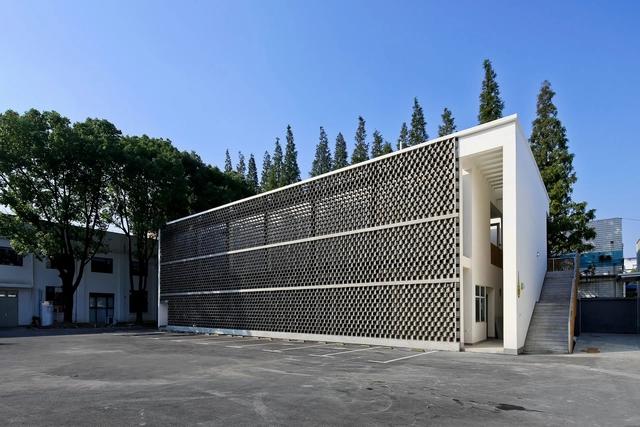



.jpg?1415924692 "Overview. Image Courtesy of Aedas")
.jpg?1415925026 "Shopping Mall. Image Courtesy of Aedas")
.jpg?1415924985 "Shopping Mall. Image Courtesy of Aedas")
.jpg?1415923076 "Hotel. Image Courtesy of Aedas")
.jpg?1415924829)






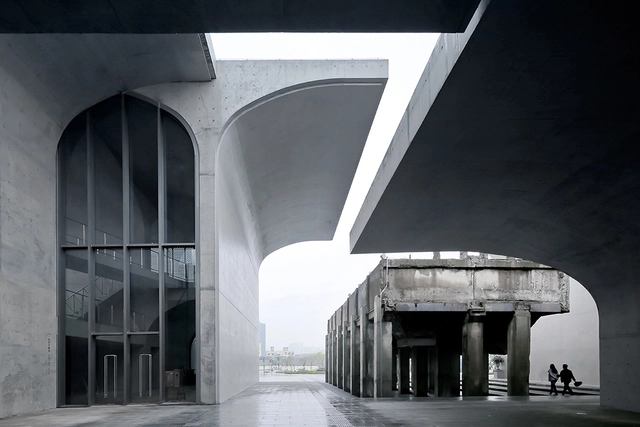
.jpg?1411852378 "© Shengliang Su")


