


-
Architects: Felipe Hess Arquitetos
- Area: 4305 ft²
- Year: 2020
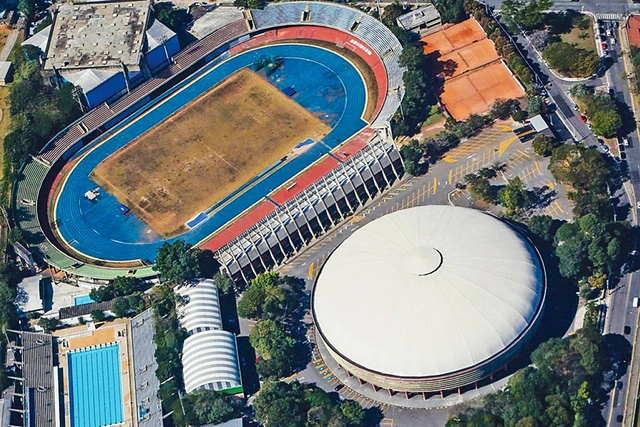
For the past few weeks, there has been concern that the Ginásio do Ibirapuera, an indoor sporting arena located in São Paulo, Brazil, designed by architect Ícaro de Castro Mello, may be converted into a shopping, entertainment, and gastronomic center. This could be the fate of the building, which is of notorious historical significance if the private sector sets in motion the financial modeling report for the Ibirapuera Park concession, articulated by the São Paulo State Government.


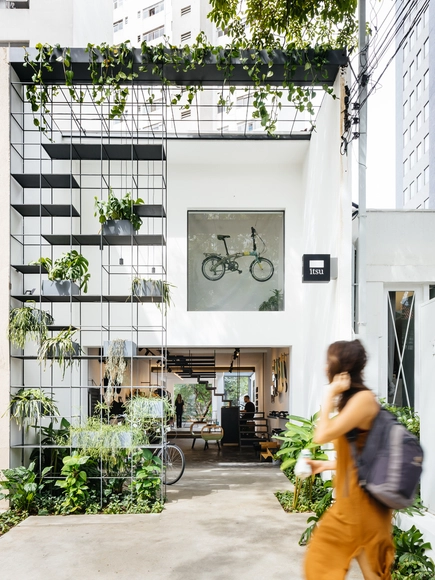
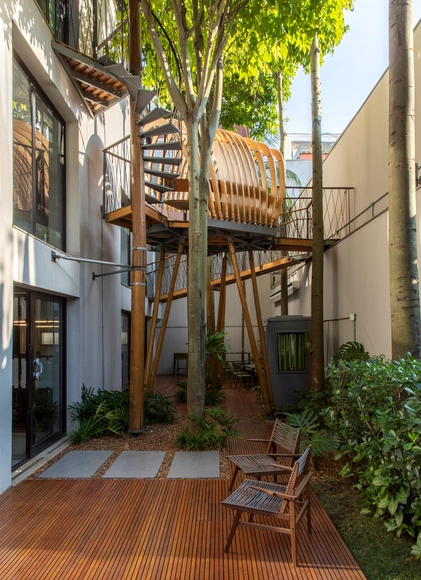
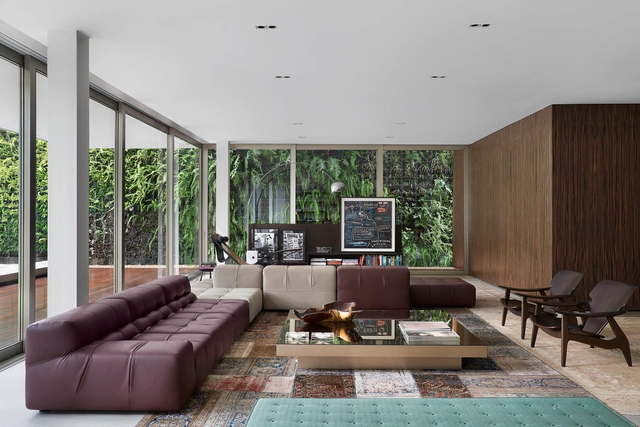

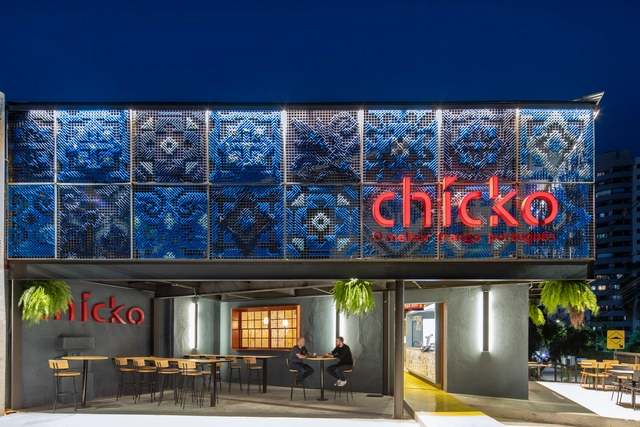
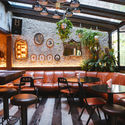
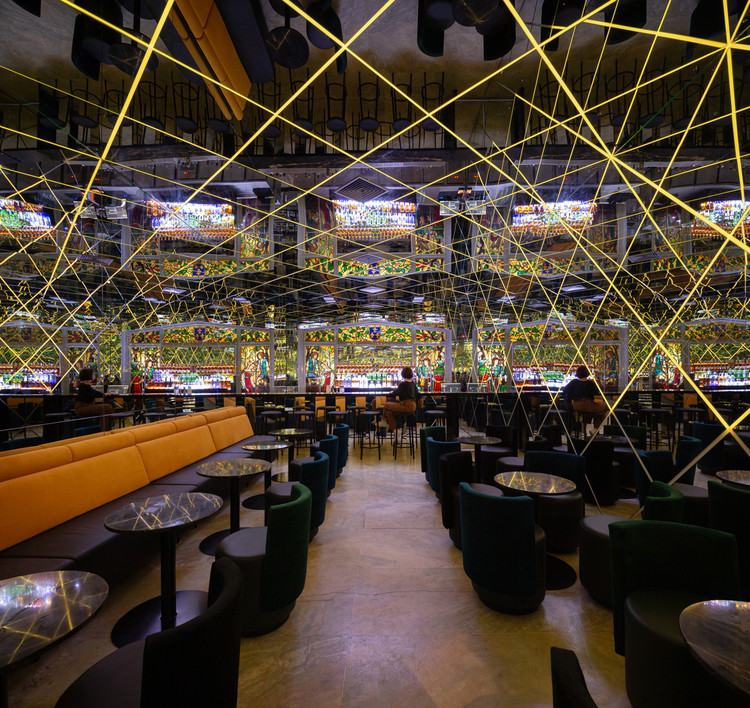
São Paulo has a vibrant nightlife, either by nature or due to the lack of other attractions, offering as many possibilities as its population of more than 12 million people. Therefore, bars have become the favorite spots for residents from all over the city, living in the east, west, north, and south.
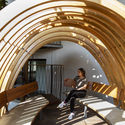
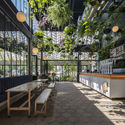
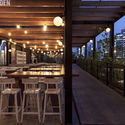
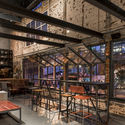
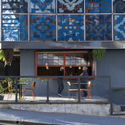
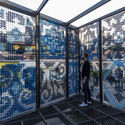
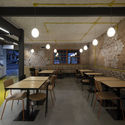
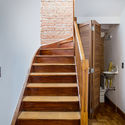
We have selected a few projects of bars already published in ArchDaily that represent a sample of this bohemian architecture that so many inhabitants of São Paulo are used to – an architecture that is all about remodeling, socializing, gathering, and bonding in intimate spaces.
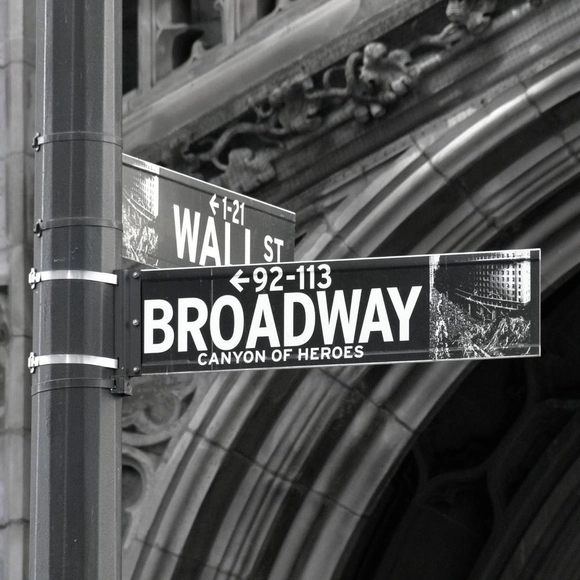
In cities across the United States, an address is more than just a street name or a building number- but a brand that translates directly into a symbol of wealth and prestige. Take the tallest residential tower in the country, 432 Park Avenue in New York City, which doesn't actually sit quite on park avenue. Instead, it’s neighboring lot to the east sits on Park Avenue, and this mega structure actually faces 56th avenue- a significantly less iconic street. However, this inflated valuation doesn’t happen everywhere. Cities in other countries don't place the same weight on an address and refer to buildings or locations as landmarks or by their appearances, which doesn't force a high monetary value based on an address or a marketing scheme alone. How do places in the world differ in how they brand buildings and streets in cities, and what does that tell us about their urban culture?