




-
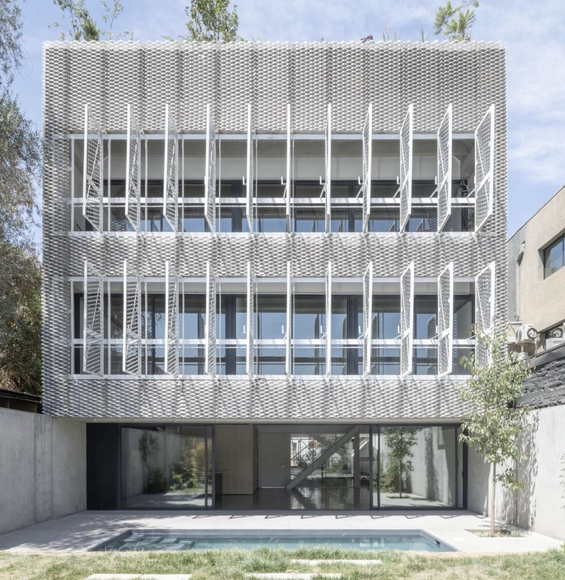
Architects: Beals Lyon Arquitectos
- Area: 4115 m²
- Year: 2020
-
Manufacturers: Nuprotec
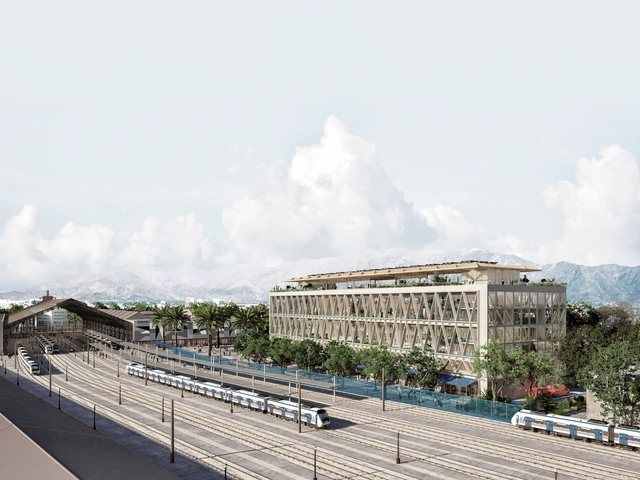
The Chilean architectural practice UMWELT, together with the landscape architecture office LANDMRX and the renowned Mexican firm PRODUCTORA, have won first place in the competition for the transformation of the former Correos de Chile (Chilean Postal Service) building located in Estación Central, Santiago. In 2021, EFE (Chile's State Railway Company) acquired the property to convert it into their new corporate headquarters, where the company's employees will work in interaction with the nearby railway operations.


Sebastián Bravo leads Oficina Bravo, an architectural practice founded in Santiago de Chile that has been developing projects with a clear strategy: to contribute to the city by efficiently using architectural, economic, and constructive resources through renovation and remodeling. Among their projects are spaces that openly interact with the immediate context, including works of patrimonial, administrative, and residential value such as Casa Compañía and Zagreb Office, as well as a large series of gastronomic and commercial spaces such as Felix Café and Apolo Helados.
Due to its design process and its ability to transform and restore spaces, Oficina Bravo was selected by ArchDaily as one of the best new architectural practices of 2023. They make a point of talking with clients, understanding them, and involving them in the process. This, they say, is the only thing that ensures that the ideas behind the project survive with dignity.
We have selected seven coffee and ice cream shops in Santiago that were designed by Oficina Bravo, while also conducting an interview to get to know their inspirations, working methods, and future projects. The result is a true daily guide for you to enjoy their work, their design process, and a good cup of coffee.

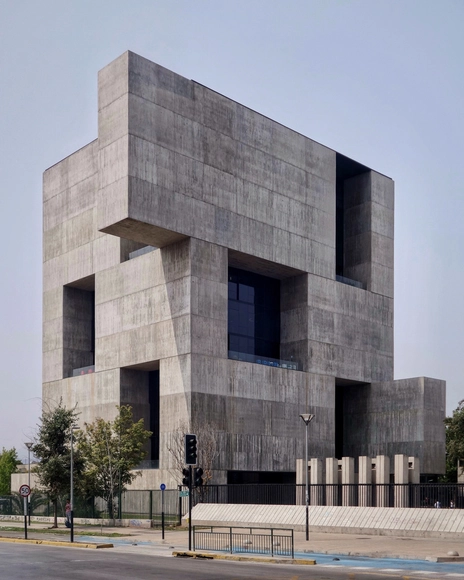
From Taiwan to the Netherlands to Uruguay, Jakub Sawosko has extensively been photographing concrete architecture all over the world and displaying them on Instagram as @sh_sh_welt.
After living surrounded and fascinated by post-war concrete architecture in Europe in his early years, Sawosko moved to Taiwan where he eventually realized that Modernism had heavily influenced Taiwan as well. "I felt that [Taiwan's distinctive style of architecture] deserved more recognition", explains Jakub in conversation with ArchDaily via Instagram.
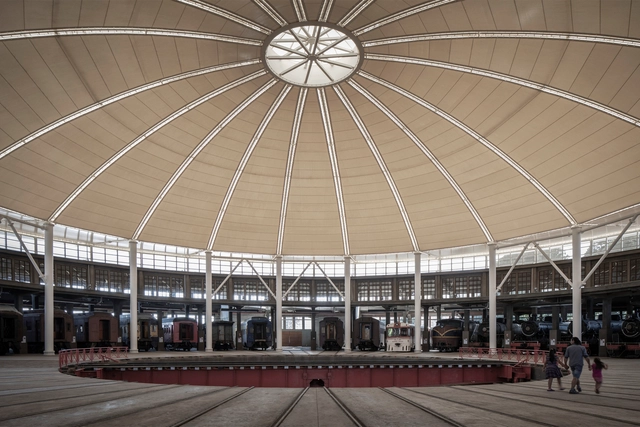
Chile has a rich and vast heritage architecture, which is gradually gaining relevance through different initiatives that seek to renovate these buildings to give them a second life. The buildings and infrastructures were in disrepair, disused, or damaged, but have great architectural value, being an important contribution to the reconstruction of the history of Chilean cities.
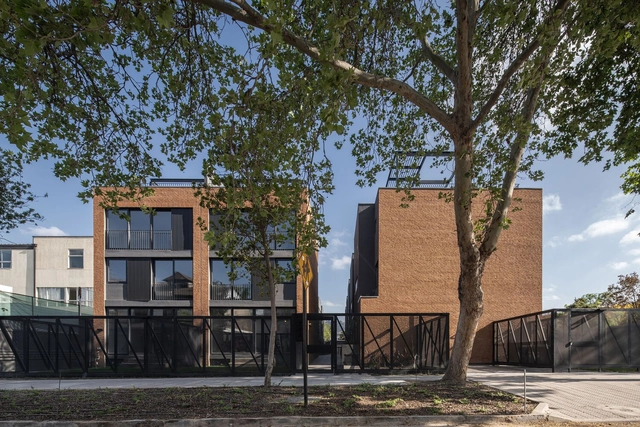
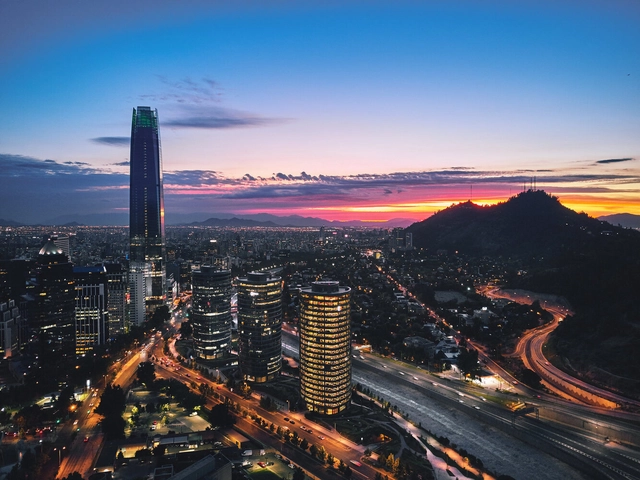
Founded in 1541 by the Spanish conquistador Pedro de Valdivia on indigenous settlements in the valley of the Mapocho River, Santiago is the capital and most populated city of Chile. This South American city is enframed by the Andes Mountains to the east and the Chilean Coast Range to the west, in addition to 26 island hills (cerros islas) scattered throughout the city. Some of these island hills have been converted into urban parks, such as Santa Lucía and San Cristóbal, while Chena, Calán, and Renca are in the process of expansion.
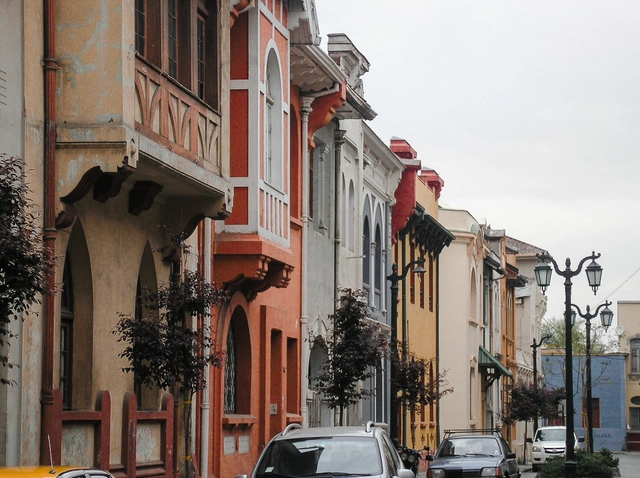
The British magazine Time Out has selected Barrio Yungay in Santiago, Chile, as one of the most attractive neighborhoods in the world. The neighborhood was selected under the Time Out Index survey, where respondents from different countries answered the question "What is the most attractive place in your city at the moment?" and was ranked ninth out of a list of 51 neighborhoods, including Colonia Americana in Guadalajara, Shimokitazawa in Tokyo and Cours Julien in Marseille.
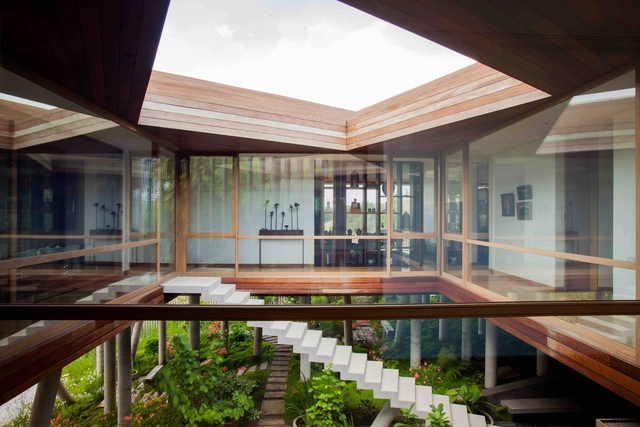
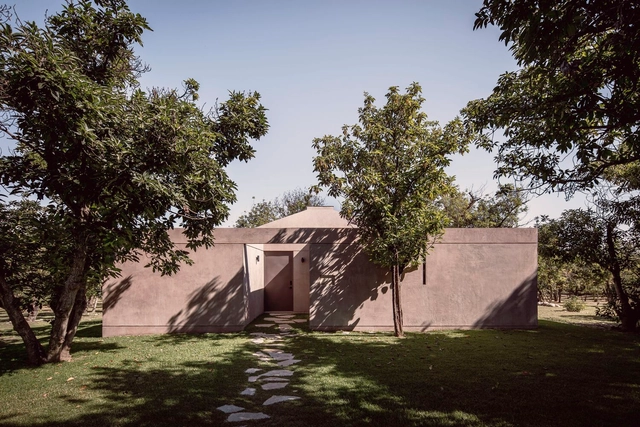

The Benedictine monastery chapel of Santa María de las Condes, visible from different points in the eastern part of Santiago, Chile, is a white volume, located halfway up the slopes of Los Piques hill.
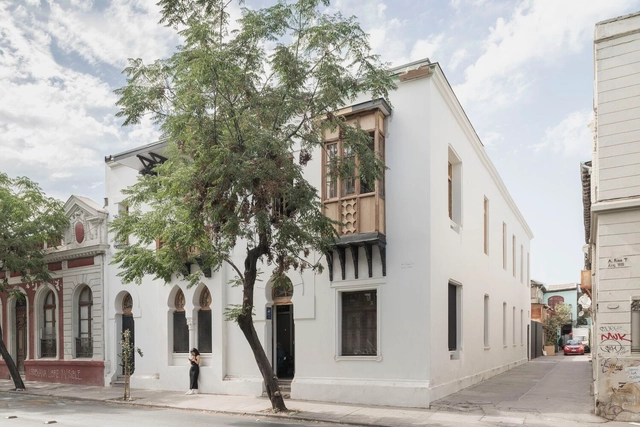

Testimonial Spaces, the theme of Chile's pavilion at the recent Venice Biennial 2021, opened to the public on the 18th of January at Santiago's Museum of Contemporary Art.
Curated by architects Emilio Marín and Rodrigo Sepúlveda, Testimonial Spaces brings together 525 paintings based on testimonies and everyday stories from the José María Caro neighbourhood in Santiago, in line with "How will we live together?", the theme of the biennial curated by Lebanese architect Hashim Sarkis.