The Het Nieuwe Instituut in Rotterdam, The Netherlands, opens The Energy Show and the Solar Biennale on Friday, September 9, 2022. In collaboration with The Solar Biennale designer and curator Matylda Krzykowski and solar designers Marjan van Aubel and Pauline van Dongen, the exhibition presents a series of projects that explores the sun's meaning and possibilities in society, the environment, and design. With Europe in the midst of an energy crisis, The Energy Show and the Solar Biennale is an opportunity for designers and the general public to examine the transition to solar energy and technology as we move towards a post-carbon future.
HA-HA, in partnership with BIK Bouw and Wooncompas Housing, will develop four social housing blocks for the community of Ridderkerk, near Rotterdam, Netherlands. The project uses materials from the existing social housing estate, built in the 1950s, and employs an innovative modular-timber system to create sustainable human-centered housing. The old buildings are planned to be disassembled and their components reused and integrated into the new development, which will increase the number of affordable units by 13%.
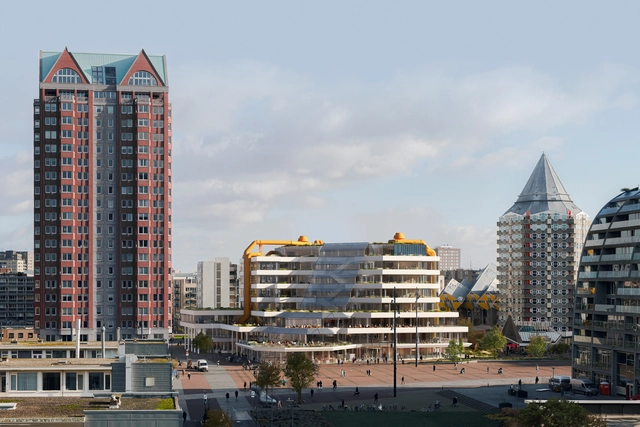
The City of Rotterdam has selected Powerhouse Company, Atelier Oslo, Lundhagem to renew and extend the city’s Central Library, a landmark building from the early 1980s designed by Van den Broek & Bakema. The new design adopts the concept of radical reuse in order to transform a 1980s building into a contemporary library, well-adapted to the necessities of modern users. The team combines the expertise of Powerhouse Company, Atelier Oslo, and Lundhagem, the latter two offices being awarded in 2021 with the Public Library of the Year Award for their design of Oslo!s Deichman library. Construction is expected to begin in 2025 and be completed by the end of 2028, the year marking the building!s 45th anniversary.
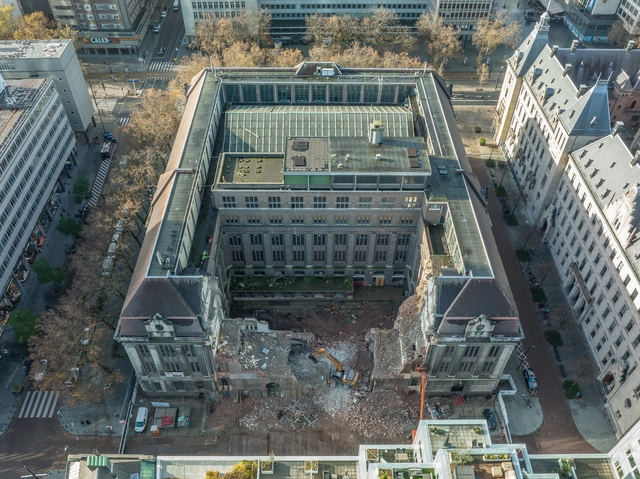
Omnam Group (OMNAM) and ODA have shared the progress of their restoration and reinvention project of the historic post office, POST Rotterdam. Demolition began on Postkantoor in October 2021, and since then, the east facade, which is known as the Rodezand wing, has been excavated, revealing the location of the project's future plaza, which will transform a loading dock into a new gateway for the people of Rotterdam.
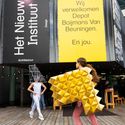
Setting the stage for Rotterdam Architecture Month this upcoming June, MVRDV have designed a temporary rooftop platform on the Het Nieuwe Instituut in Rotterdam. The 600-square-meter event space titled The Podium will be elevated 29 meters and covered with a striking pink color, making it visible to all pedestrians on ground level. The installation will open to the public on June 1st, coinciding with the inauguration of the Rotterdam Architecture Month Festival, and will continue to be used for events until August 17th.
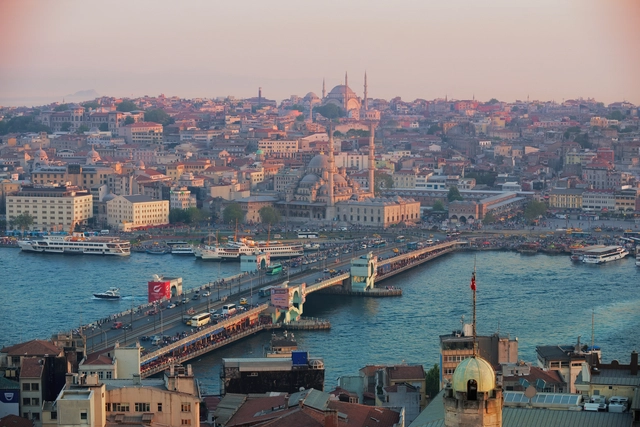
Istanbul, Turkey. Image via Shutterstock by kukuruxa
Bloomberg Philanthropies has announced the 15 winning innovations of its 2021-2022 Global Mayors Challenge. Hailing from six continents, the chosen projects "seek improvements in the areas of economic recovery and inclusive growth, health and well-being, climate and environment, and gender and equality". The winning cities include Istanbul, Rotterdam, Butuan, and Wellington, and will all receive $1 million and external support to develop their programs.
Last year, a series of new museums, expansions and several museum renovations have opened their doors to the public, adding a new dimension to the cultural landscape around the world. From the long-awaited re-opening of the Neue Nationalgalerie in Berlin, to Ryue Nishizawa's Jining Art Museum merging with the landscape, and MVRDV's reflective Art Depot, discover the architecture of the latest venues of art and culture.
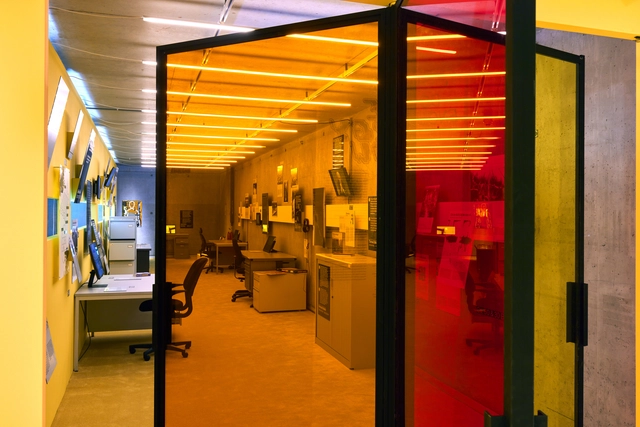
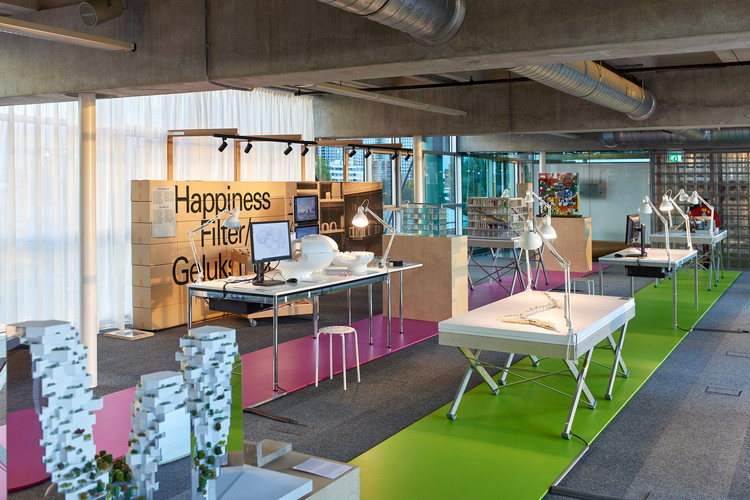
Hosted at the top floor of Het Nieuwe Instituut in Rotterdam, the Netherlands, the “MVRDVHNI: The Living Archive” exhibition showcases 30 years of MVRDV’s work, looking into the design philosophy of each project and future visions. The exhibition, which sits right next to the firm's latest project, the Depot Boijmans Van Beuningen, highlights the creative process behind each project, how they were developed, and the challenges of preserving their materials and approaches for future generations.
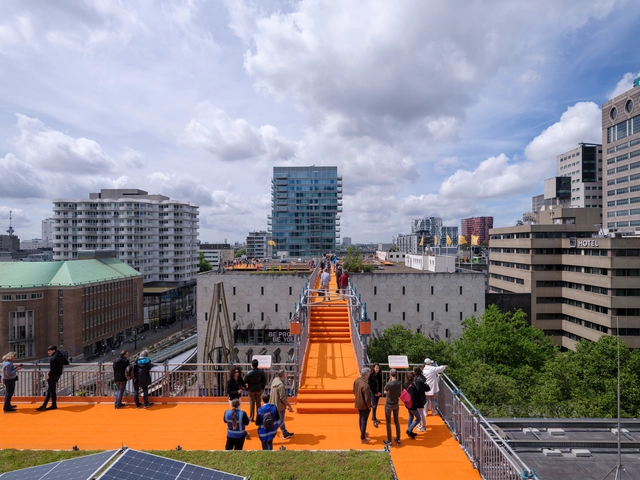
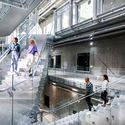
MVRDV revealed its design for a temporary intervention that takes tourists and city dwellers on a walk across several rooftops in Rotterdam, highlighting an untapped potential for expanding the public realm. Created in collaboration with Rotterdam Rooftop Days, the project will feature an aerial bridge from the roof of The Bijenkorf department store to the top of the World Trade Centre plinth and will be available to the public from May 26 to June 24 2022, during Rotterdam Architecture Month.
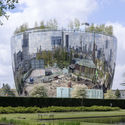
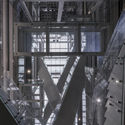
MVRDV's Depot Boijmans Van Beuningen, the world’s first fully accessible art depot, is opening its doors to the public this weekend. The official opening ceremony is taking place on November 5th, and the public will be able to visit from Saturday 6th of November onwards. Located at Museumpark in the center of Rotterdam, the reflective structure features exhibition halls, a rooftop garden, and a restaurant, and offers a behind-the-scenes look into the world of museums, making art collections accessible to the public.














.jpg?1646212066&format=webp&width=640&height=580)
.jpg?1646212124 "© MVRDV")
.jpg?1646212098 "© MVRDV")
.jpg?1646212076 "© MVRDV")
.jpg?1646212066 "© MVRDV")
.jpg?1646212066)





.jpg?1643280352 "The World’s First Fully Accessible Art Depot Museum is Opening to the Public. Image © Ossip van Duivenbode / MVRDV")


.jpg?1641932763 "© Ossip van Duivenbode / MVRDV")


.jpg?1640769856 "© Florine van Rees")



.jpg?1640166431 "Stairs of Kriterion, temporary rooftop intervention. Image © Laurian Ghinitoiu")

.jpg?1635758471&format=webp&width=640&height=580)
.jpg?1635758691 "© Ossip van Duivenbode / MVRDV")
.jpg?1635758471)



.jpg?1632407246&format=webp&width=640&height=580)
.jpg?1632407157 "© Bart van Hoek")
.jpg?1632407676 "© Bart van Hoek")
.jpg?1632407909 "© Bart van Hoek")
.jpg?1632408035 "© Bart van Hoek")
.jpg?1632407246)