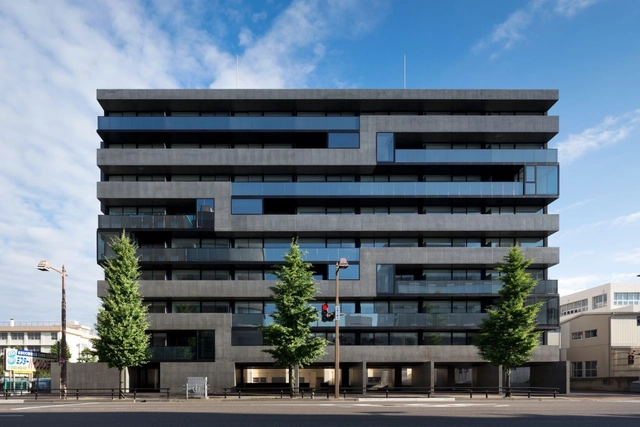





-
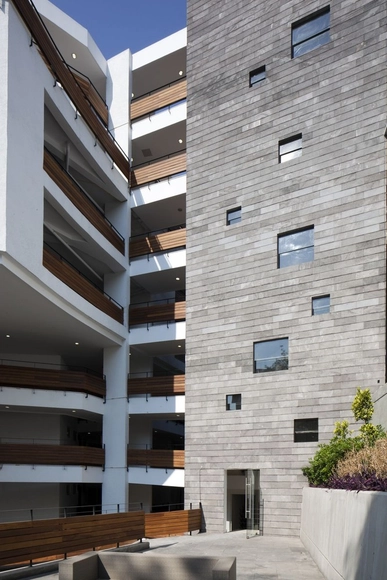
Architects: Container Design
- Area: 725 m²
- Year: 2013
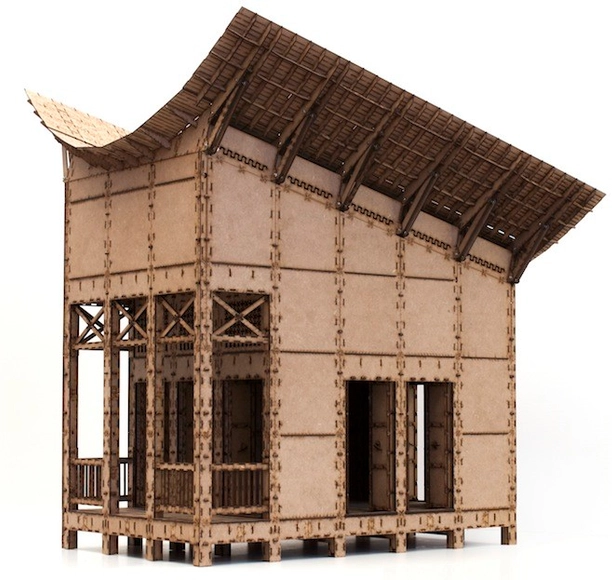
By now, we have all heard the mantra. In twenty years time, the world's cities will have grown from three to five billion people, forty percent of these urban dwellers will be living at or below the poverty line facing the constant threat of homelessness - scary statistics and even scarier implications.
ECOnnect, a Holland-based design firm, envisions a solution for these future housing shortages, one that could build a one-million-inhabitant city per week for the next twenty years for $10,000 per family. Peter Stoutjesdijk, architect at ECOnnect, created the concept after widespread devastation in Haiti caused by a massive earthquake left of hundreds of thousands of people homeless depending on tents for temporary relief.


Aedas have recently unveiled this design for a serviced apartment building in Hong Kong. Situated in the neighborhood of Mongkok, one of the most densely populated areas on the planet, the building is squeezed into what the architects refer to as a "challengingly small" site of 614 square meters. More images and description after the break.


In recent weeks both the national papers and the London Evening Standard have been reporting dramatic increases in the price of houses in the capital. Up 8% in a year they say. This isn’t great. Rents are also rising sharply. Soon, many, particularly young, Londoners will be trapped, unable to rent or buy. No doubt this is increasingly the case in many big cities. But England is still arguably in a recession, the worst for nearly a century.
In an attempt to find affordable homes people move further away from their work, especially those on low wages, and spend too much of their salary and their time commuting. The cost of housing affects what we eat, whether we exercise and how much spare time we have. It affects our quality of life.
So, this is not about business or property. It’s more important. This is about home. Home is a refuge. It’s our emotional harbour. In fact it is a human right. As the UN Covenant on Economic, Social and Cultural Rights states: it is 'the right of everyone to an adequate standard of living for himself and his family, including adequate ... housing'.
Can architects help? Yes. As architects, we need to ask what home actually is, and, how it fits into the city. Indeed, the answer is as much anthropological as it is architectural, as it lies in re-thinking the house itself, in creating - not housing - but homes.



















































.jpg?1380756409 "© Christine Francis")