Religious Architecture: The Latest Architecture and News
Henning Larsen Designs New Church in Højvangen, Denmark, the First to be Built in Skanderborg Parish in Over 500 years

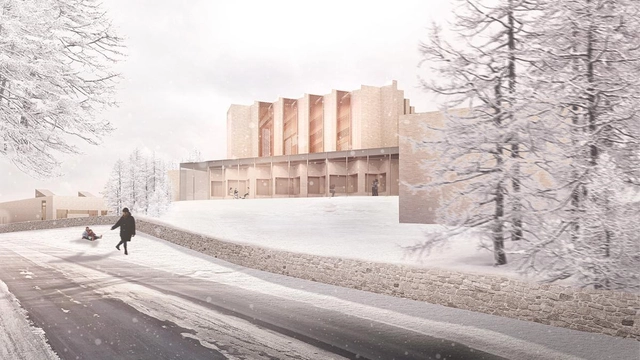
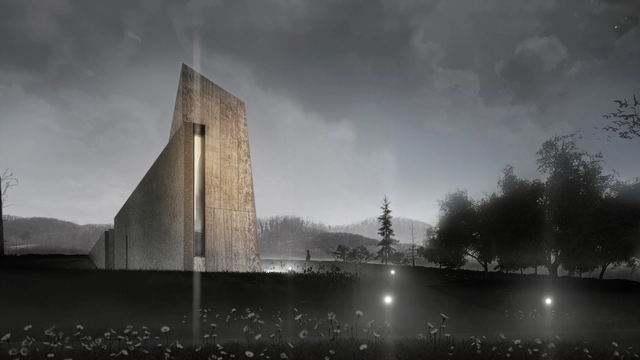
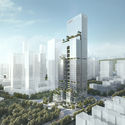
Henning Larsen has won a competition to design Højvangen Church, the first church to be built in Skanderborg Parish in over 500 years. The new intervention, set to be completed and inaugurated by December 2024, will be a new public gathering point in the growing residential area of Højvangen in Skanderborg, Denmark.
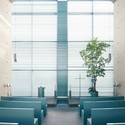
Udan Crematorium / d6thD design studio

-
Architects: d6thD design studio
- Area: 1000 m²
- Year: 2020
-
Professionals: Phoonyx Consultant
St George Orthodox Church / Wallmakers
Abijo Mosque / Patrickwaheed Design Consultancy

-
Architects: Patrickwaheed Design Consultancy
- Area: 700 m²
- Year: 2020
-
Manufacturers: Aylum Aluminum, CDK Integrated Industries, PWDC
-
Professionals: Shematworld Engineering, First Beulah Consultants Limited
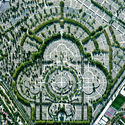
Sacred Spaces: What Can Cemeteries Teach Us About Our History and Society?

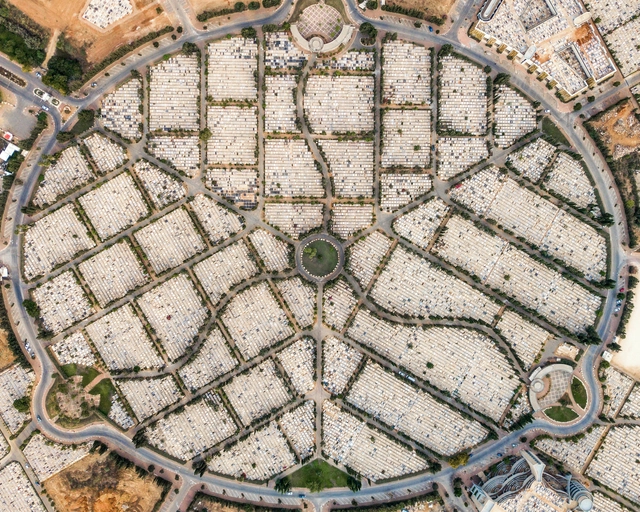
Memento mori is an ancient Latin expression that means "remember that you are mortal." The Roman people used it not to represent a fatalistic approach to death but rather as a way of valuing life.
A few centuries later, as we arrive at our current context and the world reaches the terrifying figure of 2 million deaths as a result of the Covid-19 pandemic, memento mori is more relevant than ever.
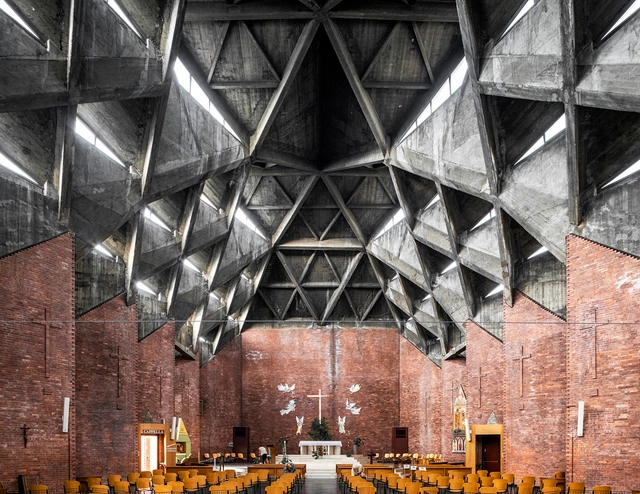
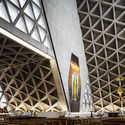
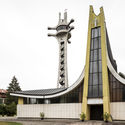
Europe's Brutalist Churches and Chapels, by Stefano Perego

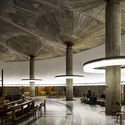
Rich in symbolism and tradition, religious architecture has always been marked by the grandiosity and extravagance of its interior spaces. For the architects and designers who created these spaces, everything from the scale, to the materials, to the lighting were tools to be used in optimizing their form and function and creating a place for users to connect with their faith.
A Rural School in Haiti and an Indian Community Center for Women: 12 Unbuilt Projects Submitted by our Readers

Recognizing the importance of international contests in pushing forward inventive concepts and design, ArchDaily has put together a curated selection of Best Unbuilt Architecture featuring competition entries from around the globe. Submitted by our readers, these projects include winning proposals, honorable mentions, and recognized admissions.
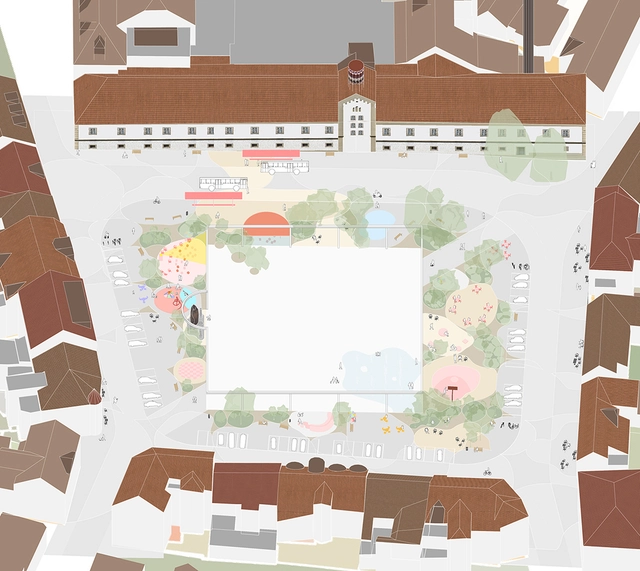
In this week’s article, urban interventions take the lead with multiple square designs and infrastructural elements. On the cultural level, projects underlined include Museums in Iran and Norway, a National Concert hall in Lithuania, and a Mosque in Turkey. For the civic category, the functions highlighted comprise a new city hall for a South Korean district and an Indian community development center for at-risk women. Finally, other programs involve a rural school in Haiti, a tourist center in China, and a housing complex in Prague.
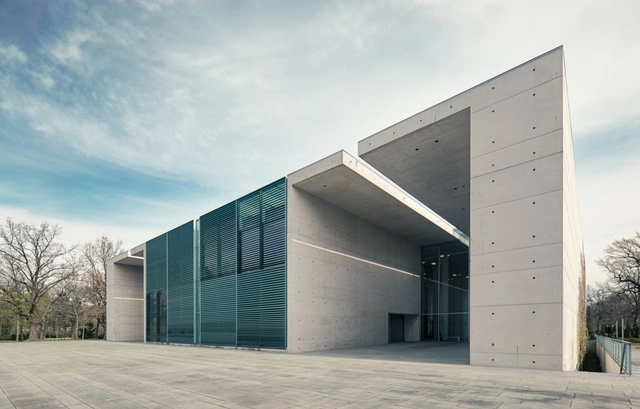
Crematorium Baumschulenweg / Shultes Frank Architeckten
An Extreme Sports Park in Russia and a Latvian Eco-Tourism Catalyst: 10 Unbuilt Projects Submitted by our Readers

10 projects, 10 functions. Featuring a multitude of different programs, this week's curated selection of Best Unbuilt Architecture highlights diverse and innovative conceptual approaches. Submitted by our readers, this variety of proposals includes sports, religious, cultural, educational, and social purposes.
Compiling projects from all over the world, this article puts together a Buddhist temple in Bangkok, Thailand, a ring-shaped experience center and eco-tourism catalyst for Latvia, a cemetery in Bosnia and Herzegovina, and the biggest extreme sports park in Russia. Moreover, unconventional office spaces are underlined with an innovation start-up center in Vietnam, headquarters in Shenzhen, and Tirana's new municipality building.
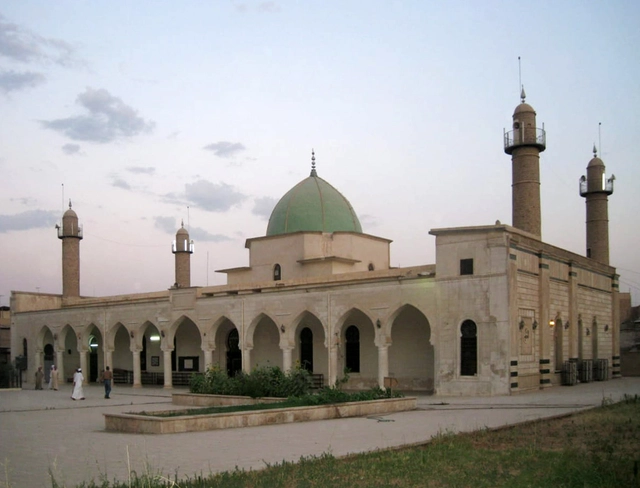
Architecture Classic: al-Nouri Mosque / Nur ad-Din Zangi

Islamic architecture has been perhaps one of the most culturally significant typologies throughout history. Not only do the buildings themselves serve as centers for community and social services, but their designs reflect Muslim beliefs and morals, and reveal the rich history of nations in the Middle East.
Exploring Multifaith Spaces with Eric Salitsky

In this webinar, Eric Salitsky will present his 2018 Stewardson Keefe LeBrun Travel Grant research, Exploring the Global Phenomenon of Multifaith Spaces. Most commonly found in airports, hospitals, and university campuses, multifaith spaces also exist in military bases, prisons, malls, stadiums, museums, and as stand-alone institutions. Salitsky traveled to over 50 of these spaces in New York, Boston, London, Manchester, Zurich, and Berlin to document the various ways that both architects and laypeople have attempted to solve the inherent issues involved in accommodating the prayer needs of various religions at once.
Resurrection Parish Complex / Studio TAMassociati

-
Architects: Studio Tam associati
- Area: 1682 m²
- Year: 2019
-
Professionals: Agrisophia Progetti, Ghetti & Formignani Associati, K&G progetti, maestro Marcello Chiarenza, UniBO, +2
Chapel for All Saints / Sérgio Coelho Arquitetura

-
Architects: Sérgio Coelho Arquitetura
- Area: 9 m²
- Year: 2019
-
Manufacturers: Portobello
Immanuel Church / Sauerbruch Hutton

-
Architects: Sauerbruch Hutton
- Area: 880 m²
- Year: 2013
Jesuit High School Chapel of the North American Martyr / Hodgetts + Fung

-
Architects: Hodgetts + Fung
- Area: 10478 ft²
- Year: 2014
San Alberto Magno Chapel / Juan Pavez Aguilar + José Requesens Aldea

-
Architects: José Requesens Aldea, Juan Pavez Aguilar
- Year: 2014
Restoration of Abandoned Church Connects Man, Nature, and God

Changtteul Church, is an old place of worship in Gyeonggi-do, South Korea, that gets its name from the term "changtteul", meaning "a frame containing a window", in Korean. As its name suggests, the building's character lies in its series of windows, giving the visitors both outside and inside a unique experience of light and scenery.
Designers Hanyoung Jang and Hanjin Jang of studio minorormajor utilized the windows of Changtteul as a metaphorical motif for their design concept: the first being the 'window between man and God', and the second being ‘the window between man and nature’, immersing the abandoned religious facility with dramatic experiences.