

-
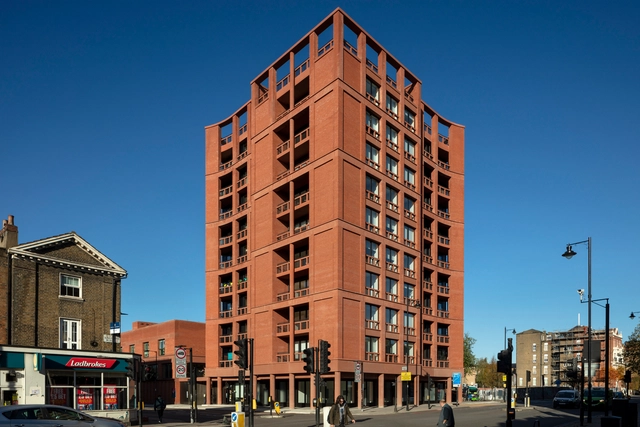
Architects: Henley Halebrown
- Area: 8500 m²
- Year: 2022
-
Manufacturers: KEIM
-
Professionals: Techniker, Elementa, Tyler Grange, QS RLB, Pace Consult, +1
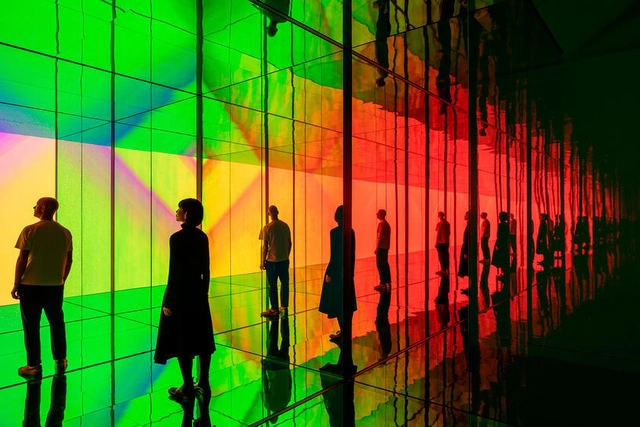
The first full-size London Design Festival (LDF) for three years, and the event’s 20th anniversary year, this was meant to be a celebration. But life, as the saying goes, had other plans. Rocked by the news of HRH Queen Elizabeth II’s passing, the country, and indeed the world started the London Design Festival in a period of mourning. Having reigned over the densest period of design innovation in human history, however, her majesty was no stranger to change.
With long-running themes like sustainability, materials, economic crises, and digital futures never higher in the public’s consciousness, LDF ’22 wasn’t just a professional meet and greet, but a chance to share some much-needed positivity with design enthusiasts, as well as locals, just passing by. Here are the most interesting and talked-about installations and talks from nine days of reflection on the past and hope for the future.

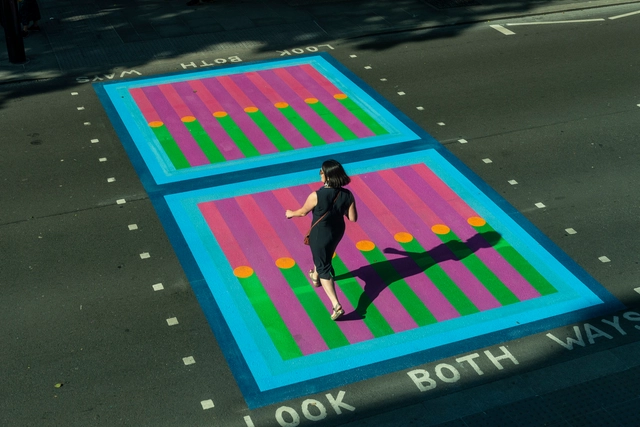
PARABLES FOR HAPPINESS by the London-based British-Nigerian designer Yinka Ilori features for the first time at the Design Museum in London. Exhibited from September 25, 2022, to June 25, 2023, essential aspects of Ilori’s work will be placed beside key influences, including artworks, photographs, and furniture, to Nigerian textiles. Curated by Priya Khanchandani, the exhibition celebrates Ilori’s mix of cultural influences and unpacks the ingredients of a diasporic visual language.
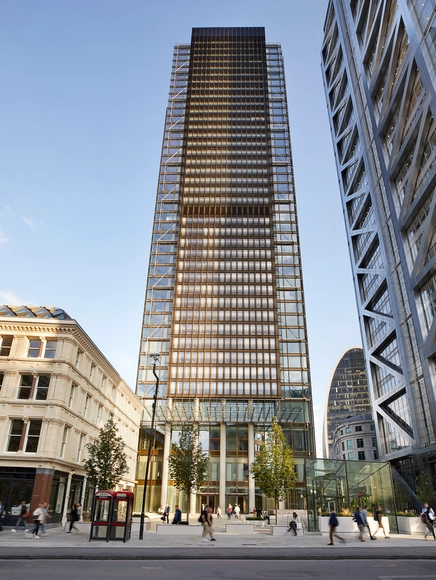
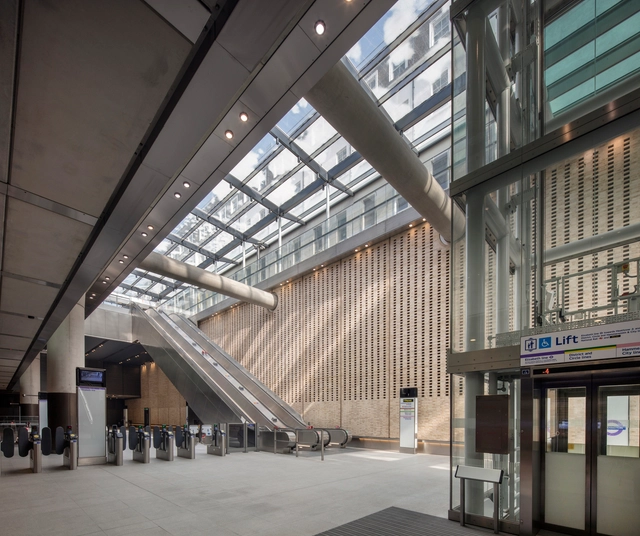
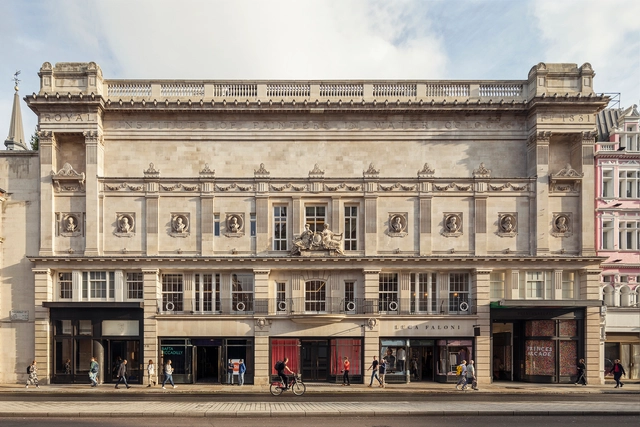

Almost a century ago, the world was introduced to a new architectural typology that changed the entire construction industry. Starting off with the Home Insurance Building in 1885, leading to the Empire State and Chrysler Buildings in Manhattan, skyscrapers became a symbol of power and financial abundance. Soon enough, they were being constructed in almost every city across the world with state-of-the-art designs that defy engineering norms. But with all the changes taking place in the architecture practice, what does the future hold for these heavily criticized yet constantly developed buildings?
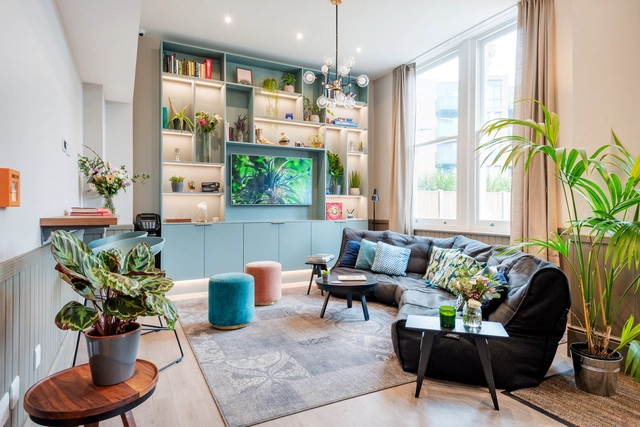
Co-living is a residential community living model, referring to a modern form of group housing that has significantly transformed London life and the UK as a whole. The notion of co-living has even more so been popularized by the rise of housing startups, with many offering affordable housing in homes and apartments alike shared by a handful of adult housemates.
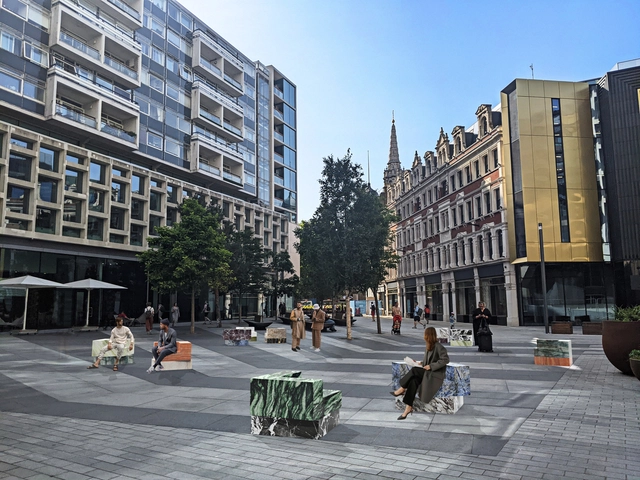
The London Design Festival is an annual event that brings together designers, practitioners, retailers, and educators from across the globe. This year’s program of events, exhibitions, and installations invites creative leaders to exchange ideas and solutions for some of the most pressing issues of our time, like climate change, pollution, and resource depletion. The festival includes the Landmarks Projects. As part of this initiative, Rotterdam-based designer Sabine Marcelis has created “Swivel”, an outdoor installation in central London. Other installations like Sony Design’s “Into Sight” pavilion or Sou Fujimoto’s “Medusa” exhibition explore visual and sensorial effects through physical and virtual mediums.
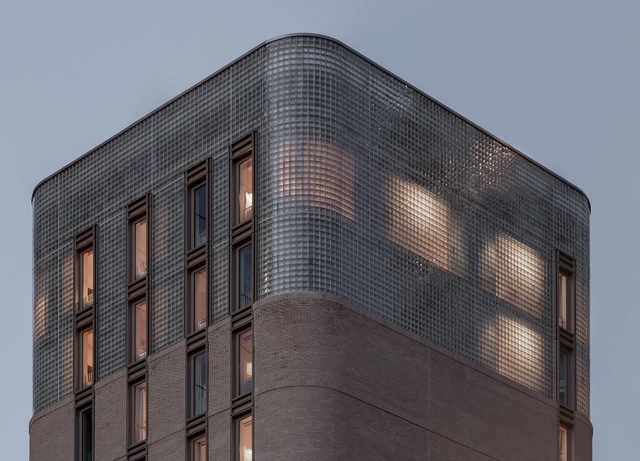

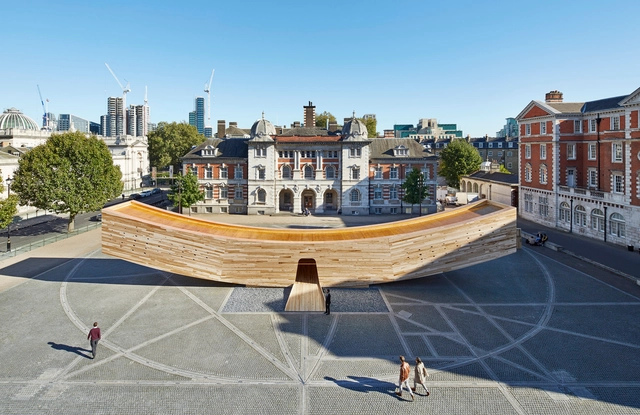
London-based architect Alison Brooks was born and grew up in Canada and studied architecture at the University of Waterloo in Waterloo, Ontario. Upon graduation in 1988, she left for London where after working with designer Ron Arad for seven years she started Alison Brooks Architects in 1996. Her most representative works include the Stirling Prize-winning Accordia Brass Building in Cambridge, Exeter College Cohen Quad in Oxford, the Smile Pavilion for the 2016 London Design Festival, and several expressive single-family residences in London: VXO House, Fold House, Lens House, Mesh House, and Windward House.
Among the studio’s current projects are The Passages in Surrey, Canada; Homerton College in Cambridge, and other residential and cultural projects throughout Britain and in North America. This month the architects’ design was shortlisted for the LSE Firoz Lalji Global Hub and Institute for Africa in London. Together with Nigerian practice Studio Contra, the ABA-led team was one of six finalists chosen from 190 international submissions.