Indians have traditionally lived close to the earth, their cultures shaped by symbiotic relationships with ecosystems. Indian arts and crafts strongly rely on nature for its form, philosophy, and existence. Native landscapes aroused the artistic sensibilities of resident communities, evolving craft practices that met utilitarian and ritualistic needs. The intersectionality of ecology and culture is evident through ancestral forms of craft.
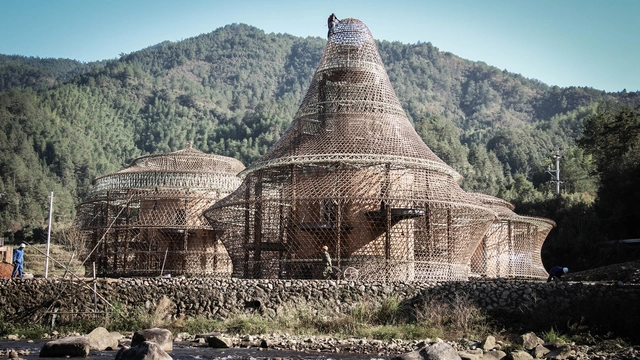
The Filipinos believe that man and woman first emerged from the nodes of a bamboo stalk. The Chinese view the caneas a symbol of their culture and values, reciting “there is no place to live without bamboo”. The plant is a symbol of prosperity in Japan and friendship in India. Along with myths and stories, strong structures made of bamboo flourished in pre-modernAsia. Built forms varied across the changing landscapes of Eastern countries, all sharing one aspect in common - a respect for natural ecosystems.
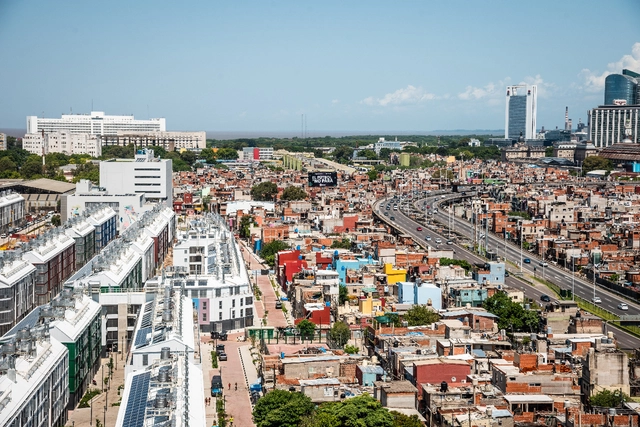
Housing Upcycle Program, Barrio Mugica of Buenos Aires. Image Courtesy of Special Project Unit Barrio Padre Carlos Mugica, Buenos Aires City Government
Organized under six categories: Open Category, Improving Energy Efficiency, Adequate, Safe & Affordable Housing, Participatory, Land-Use Efficient & Inclusive Planning, Access to Green & Public Space, and Utilizing Local Materials, the jurors picked a winner per section, yet were unable to identify an overall winner in the open category and chose instead to recognize six projects as Highly Commended, honoring in total 5 laureates and 15 commendations.
Upon becoming a sovereign country, free from British Rule, the people of India found themselves faced with questions they had never needed to answer before. Coming from different cultures and origins, the citizens began to wonder what post-independence India would stand for. The nation-builders now had the choice to carve out their own future, along with the responsibility to reclaim its identity - but what was India's identity? Was it the temples and huts of the indigenous folk, the lofty palaces of the Mughal era, or the debris of British rule? There began a search for a contemporary Indian sensibility that would carry the collective histories of citizens towards a future of hope.
In these fast-paced and constantly evolving times, architecture has been adapting to new building technologies and complexities to serve today’s world needs. Teams of experts from all areas, architecture, engineering, construction, and a long list of professionals, come together to bring these solutions to our built environment. At ArchDaily we have been highlighting these actors in the architecture we curate and publish every day, but we often come across other types of projects, in which we spot different needs, and ways of building in certain places and communities, that equally require a highly qualified team, specific local techniques, and knowledge that are worth sharing.
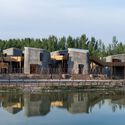
The culturally-significant town of Chiang Mai, northern Thailand, is an area of rich history and religion, preserving traces of walls, moats, and temples from a past that dates back to the 13th century. Between its lush trees and scenic landscapes sits architectural design studioSher Maker's workshop and office, a locally-sourced space that accentuates the process and meaning behind building construction. Their workspace is no different than their portfolio; having an interest in the origins of architectural formations, the context of local materials and technologies, as well as the atmosphere that surrounds the building both physically and atmospherically, the team translated their design approach to create their own working space.
The climate crisis has become a staple of the architecture discourse, with the field slowly acknowledging its contribution to environmental issues and seeking to reframe its values and approaches. However, there is an evident lack of commitment and consistency in addressing the matter and an absence of systemic change. Emerging practices, organizations and startups are carving a new architecture practice, slowly unfolding a paradigm shift beyond "green" add-ons and technical equipment. Addressing environmental issues on multiple levels, from policy and design strategies to materials and construction processes, the following are some of the actors reframing the profession's relationship with sustainability.
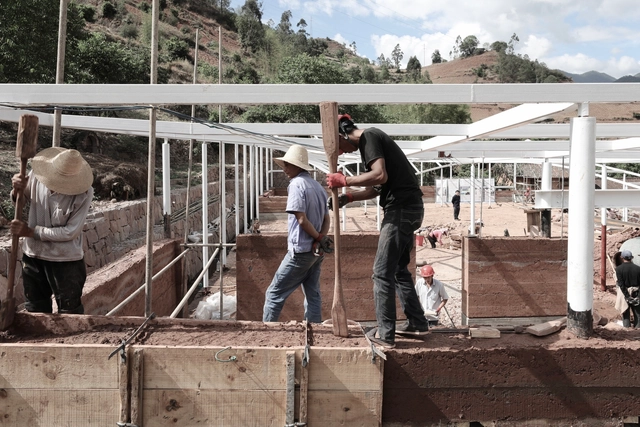
Vernacular techniques and local materials are becoming more and more relevant in architecture, but is it possible to bring these concepts to large urban areas?
In 1984, the Amazonian architect Severiano Porto had already pointed out the need to make architecture more connected to its location. Using local materials and techniques is becoming more important each day, considering the impacts of the commodity chain of building construction on the planet. Not surprisingly, the number of projects that use this approach is growing every day, as Severiano has already mentioned in his work since the 1980s.
"Welcome to this strange book. With all the drawings, it might appear like a manual, but it isn't. The book is as much about joints as it is about pieces. Above all, it seeks the order that is inherent in things". These words are part of the introduction to Koen Mulder's book, "The lively surface: Masonry associations as a pattern art and tool of composition". Available in German, the 160-page manual, rigorously illustrated, presents a universe of possible pattern variations that can be created when you start designing.
We interviewed Koen to find out what inspired him to talk about this topic and to understand how he managed to gather all this information, while also figuring out the impact that this type of study can have on architecture students and architects.
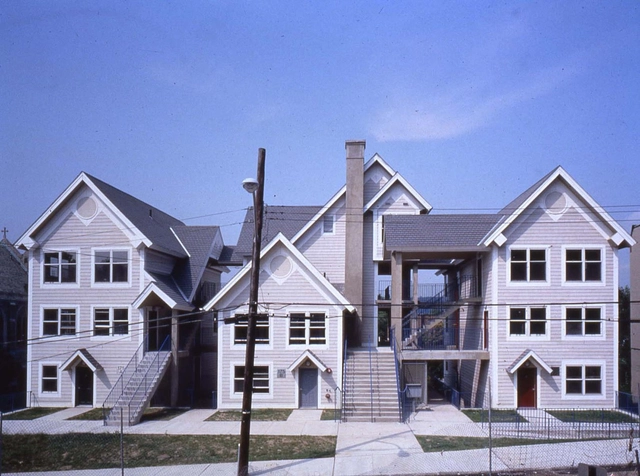
Courtesy of Duo Dickinson Cephas Housing, Yonkers, New York
In the 14th century, Geoffrey Chaucer wrote “Familiarity breeds contempt”. By definition “local” is “familiar”. Why are humans so thrilled to go beyond the familiar, the local, and reach for what is new, universal, and salvational? The word “local” has the weight of true value, like “density” or “sustainable” But the lure of connection between all humans is powerfully seductive, and that desire to connect almost always falls short of our hopes.
Every year, in the hot, dry town of Djenné in Central Mali, something special takes place – La Fête de Crépissage. Roughly translated to the “Day of Plastering”, this day sees the entire community of Djenné collaborate to reinforce the mud walls of the Great Mosque of Djenné – a UNESCO World Heritage Site and one of the African continent’s most distinctive architectural landmarks.
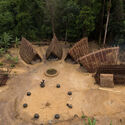
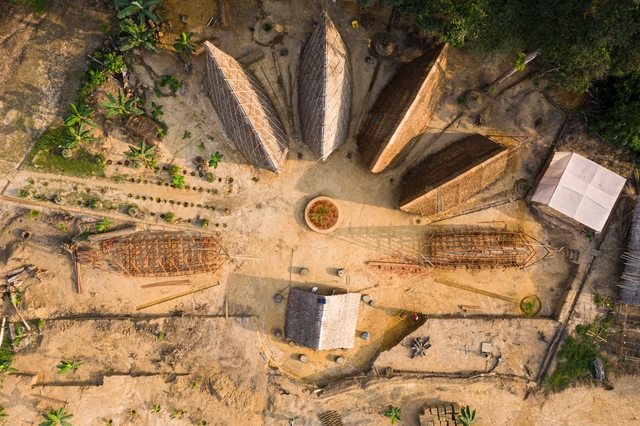
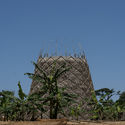
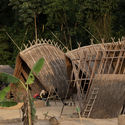
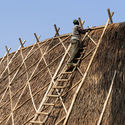
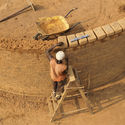
Under construction in the tropical rainforest of Cameroon, Warka Village is an integrated space for the Pygmy community, an isolated society located in the Mvoumagomi area. Constructed using only natural materials and ancient local construction techniques, the project, created by Warka Water and Italian architect Arturo Vittori, is currently operational, and expected to be completed in 2022.
It is, once again, the time of year where we look towards the future to define the goals and approaches that we will take for our careers throughout the upcoming year. To help the millions of architects who visit ArchDaily every day from all over the world, we compiled a list of the most popular ideas of 2018, which will continue to be developed and consolidated throughout 2019.
Over 130 million users discovered new references, materials, and tools in 2018 alone, infusing their practice of architecture with the means to improve the quality of life for our cities and built spaces. As users demonstrated certain affinities and/or demonstrated greater interest in particular topics, these emerged as trends.
https://www.archdaily.com/910525/the-trends-that-will-influence-architecture-in-2019Pola Mora
India’s renowned architect Anupama Kundoo has experimented with locally sourced materials to develop Wall House and others for non-profit organizations to minimise impact in the construction process whilst maintaining the connection to the community. She tells us how she integrates hybrid technologies into the building, a response to the growing segregation in India and developing countries.




.jpg?1656364895 "Co-creation of Urban Spaces by the Nobogonga River. Image Courtesy of Co.Creation.Architects, Jhenaidah Citywide People's Network, Platform of Community Action and Architecture (POCAA), Community Architects Network (CAN)")
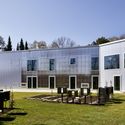


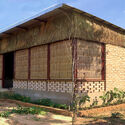


.jpg?1646659724 "Courtesy of Sher Maker")


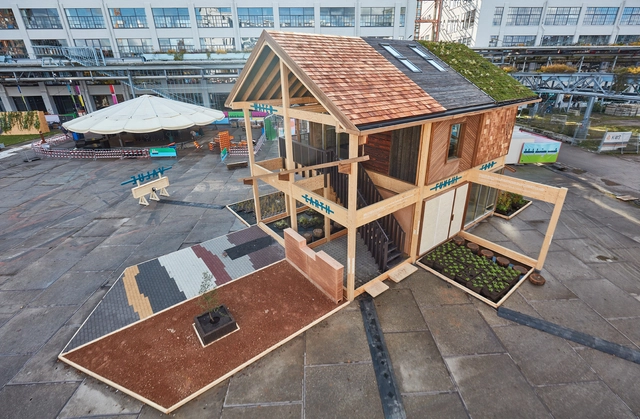
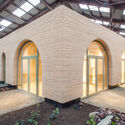







.jpg?1630490207 "© Henry-Fussell Hitchcock, Jr and Philip Johnson")
.jpg?1630490219 "Courtesy of Weißenhofsiedlung Stuttgart")
.jpg?1630490299 "Courtesy of Bauhaus, Dessau, Germany")

.jpg?1628253352&format=webp&width=640&height=580)



.jpg?1628253352)

.jpg?1548884950&format=webp&width=640&height=580)
.jpg?1506638347&format=webp&width=640&height=580)