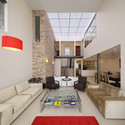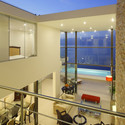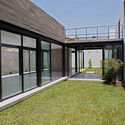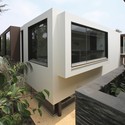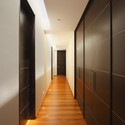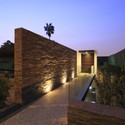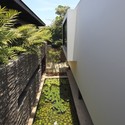


-
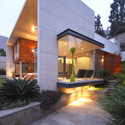
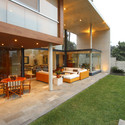
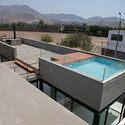
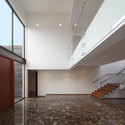
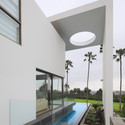
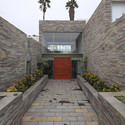
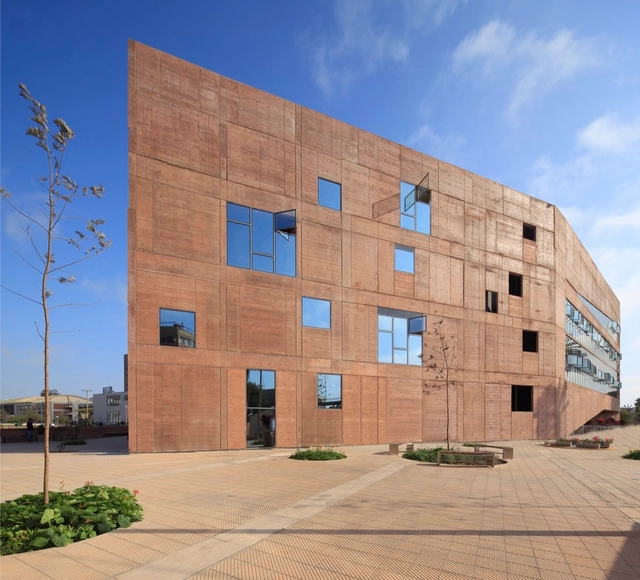
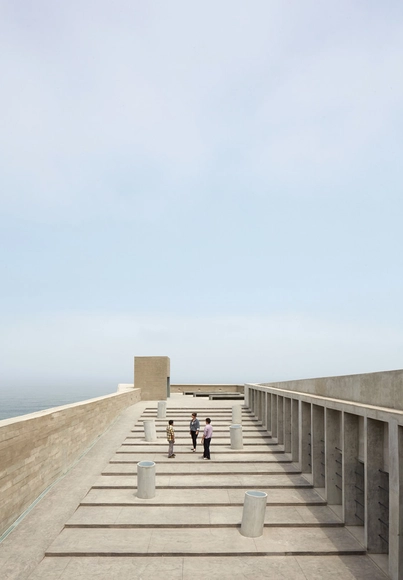
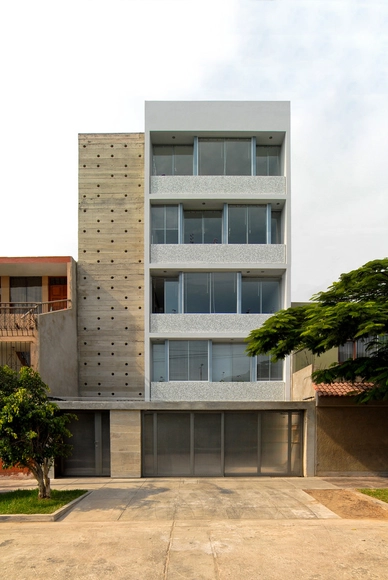
Architects: Llosa Cortegana Arquitectos
- Year: 2014
-
Manufacturers: Casa Rosselló, Legrand / Bticino
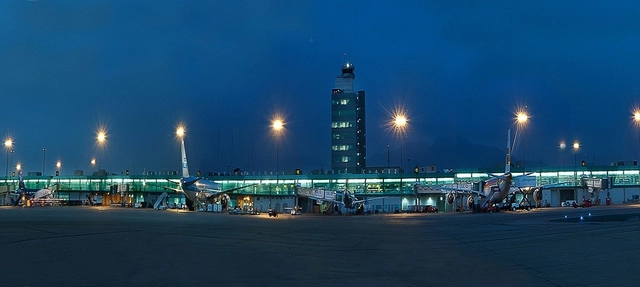
Grimshaw has landed a $950 million expansion project for the Jorge Chávez International Airport in Lima, Peru. As reported by the Architect’s Journal, Grimshaw will work with ARCADIS, CH2MHill and Ramboll to design a seven million square meter scheme that will include a new air traffic control tower and second terminal for the international airport. Designs are set to be revealed in 2015.
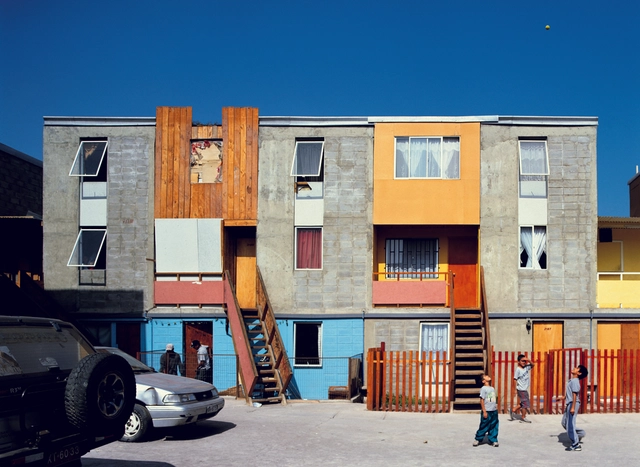
In Radical Cities, Justin McGuirk travels across Latin America in search of the people and ideas shaping the way cities are evolving: "after decades of social and political failure, a new generation has revitalised architecture and urban design in order to address persistent poverty and inequality. Together, these activists, pragmatists and social idealists are performing bold experiments that the rest of the world may learn from." The following is an excerpt from Radical Cities on PREVI - the great, but all-but-forgotten experimental housing project in Lima that counted James Stirling and Aldo van Eyck among its contributors.
In a northern suburb of Lima is a housing estate that might have changed the face of cities in the developing world. Its residents go about their lives feeling lucky that they live where they do, but oblivious to the fact that they occupy the last great experiment in social housing. If you drove past it today, you might not even notice it. And yet the Proyecto Experimental de Vivienda – PREVI for short – has a radical pedigree. Some of the best architects of the day slaved over it. Now it is largely forgotten.
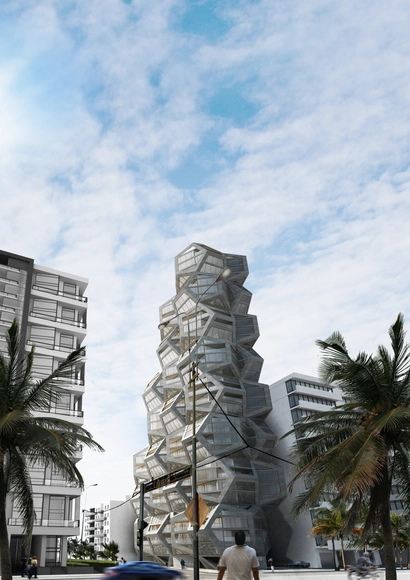
Tammo Prinz's competition entry for a new residential tower in Lima, Peru, proposes the use of platonian bodies to generate dramatic interior and exterior spaces.
The concrete dodekaeder structure drives the form of the design whilst smaller cubic shapes are strategically placed within this to generate spaces for everyday living. The relationship between these two spatial qualities, of interior and exterior, reveals a series of unique spaces that can be used as an extension of the interior, or as a balcony-like outdoors area.

The students of the MSArch in Landscape and Urbanism program at Woodbury University in San Diego have shared this video on Proyecto Experimental de Vivienda (PREVI): a late 1960s social housing experiment in Lima, Peru, which, backed by the Peruvian government and the UN, involved the best social housing architects of the day.
The designs, part of the later, more humanist strain of modernism, were intended to allow families - who were used to holding complete control over the construction of their own homes - to appropriate the houses. However, they were also designed to imply how future construction might prevent the proliferation of chaos present in previous slums. The video asks how residents feel about their experimental homes today, questioning the success of this design strategy, 40 years after the project's completion.
Find out more about the outcome of the PREVI experiment, after the break...
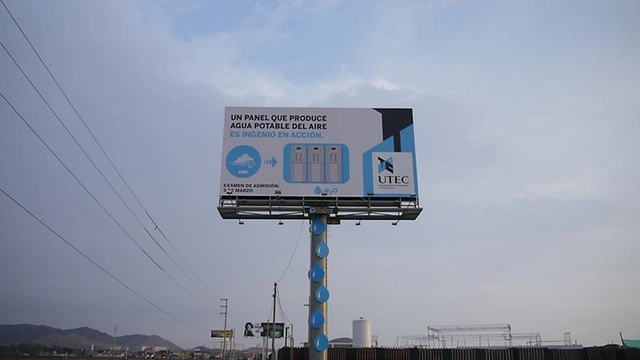
According to the UN, about 60% of the world's population will be living in cities within the next 8 years - a human migration that adds more and more strain on cities' sanitation and resources. One of these many urban centers is Lima, Peru, the second largest desert capital in the world that receives less than 2 inches of rain a year. Despite its nearly nonexistent rainfall, Peru has some of the highest atmospheric humidity anywhere - 98%.
The University of Engineering and Technology of Peru (UTEC) and an ad agency called Mayo DraftFCBand saw great opportunity in this invisible source of water and created a billboard that can capture this humidity and turn it into potable drinking water for nearby residents.