



-
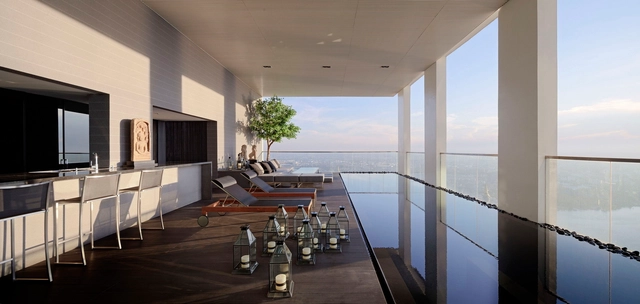
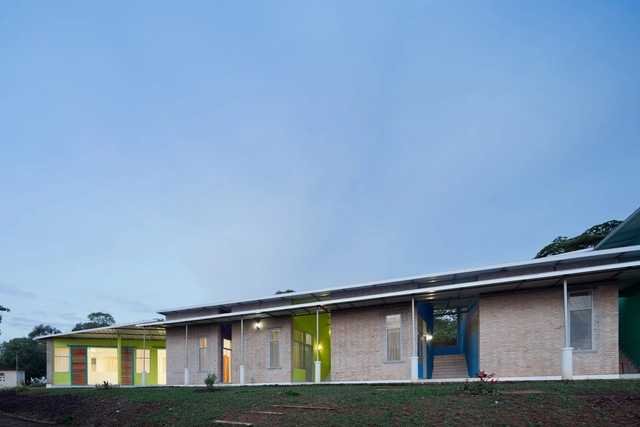
Architects: Ayutt and Associates design
- Area: 700 m²
- Year: 2014
-
Manufacturers: Kundalini


_rendertaxi_EXTERIOR_PROMENADE.jpg?1401411624&format=webp&width=640&height=580)
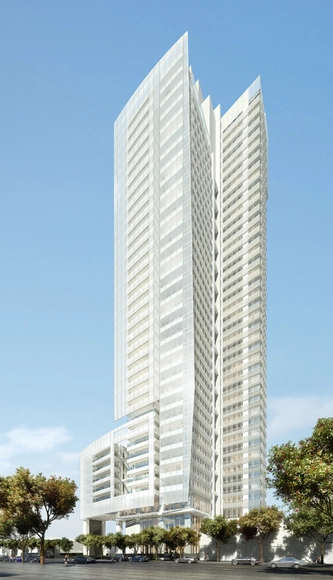
KCAP has recently won a shared first place title in the Eteläpuisto Park competition for the city of Tampere, Finland. The competition brief specified that entries were required to create an “urban residential area and provide for programs suitable for the city structure and for the landscape.” Recreational access to the nearby lake shore was required, as was enabling access to Tampere’s Hämeenpuisto Esplanade. KCAP’s residential park proposal was chosen unanimously by the competition jury from six total entries.


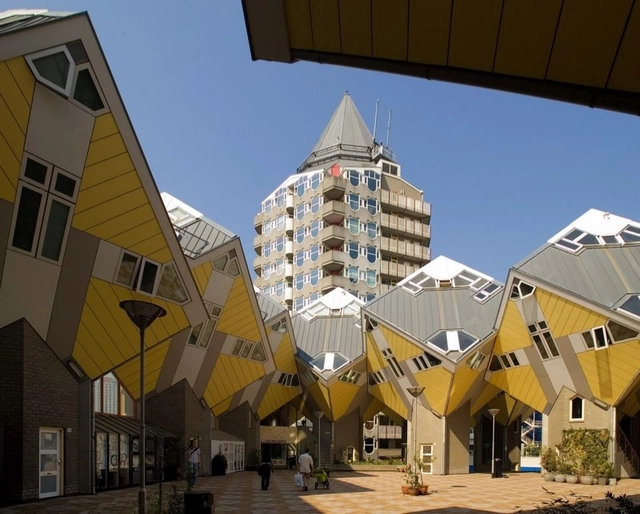
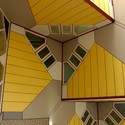
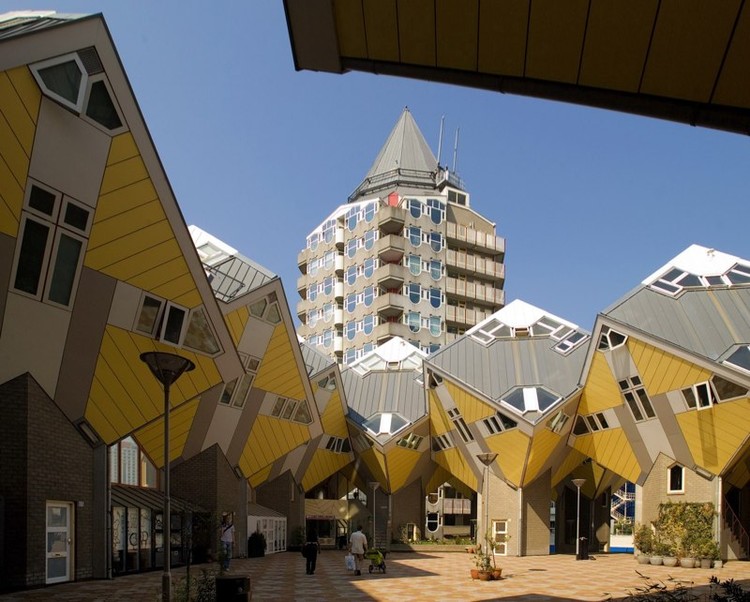
A popular tourist attraction and bizarre architectural experiment, the Kubuswoningen is located in the Oude Haven, the most historic section of Rotterdam’s port. Following the destruction of the Oude Haven during the Second World War, architect Piet Blom was asked to redevelop the area with architecture of character, presenting him the opportunity to apply his earlier cube housing exploration in Helmond to a more urban context. Known for his desire to challenge conventions, Blom did not want the Kubuswoningen to resemble typical housing; he strived to dissolve the attitude that “a building has to be recognizable as a house for it to qualify as housing.” During a time when the rebuilding of Rotterdam was pivotal, the Kubuswoningen served as an influential precedent for progressive and innovative architectural development.
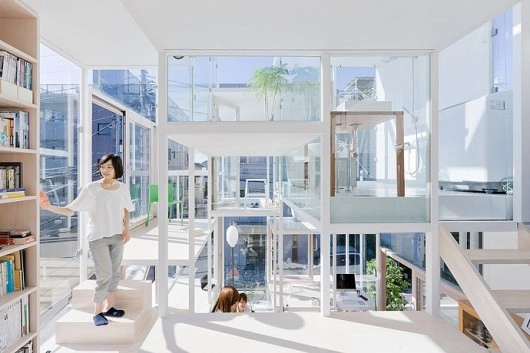
Freakonomics has just posted a fascinating new podcast that takes on the question posed by Alastair Townsend in our AD original article: “Why Japan is Crazy About Housing.” The podcast consults with Townsend and economic experts to present a thought-provoking answer to the puzzling question of why Japan builds architecture that is avant-garde and yet, ultimately, disposable. The answer may just surprise you. Listen to the whole podcast here:

d3 has just announced the winners of its annual Housing Tomorrow competition, a competition that urges its participants to "deploy innovative, socially- and environmentally-engaged approaches to residential urbanism, architecture, interiors, and designed objects" in order to determine "new architectonic strategies for living in the future." As always, the results are fantastic, thought-provoking visions of a more sustainable world. See the winners, after the break.