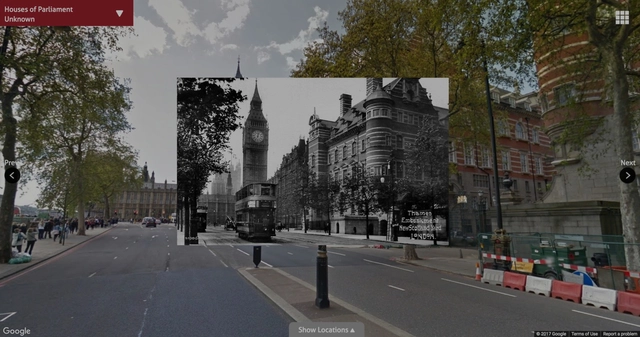
Houses of Parliament – Then and Now. Image Courtesy of Expedia
Go on a virtual stroll through century-old London, with this new interactive map produced by Expedia. Named “Historic London,” the app takes you through 14 notable sites throughout the British capital, from Buckingham Palace to a view of St. Paul’s Cathedral from Fleet Street. Archival images of the sites from the late 1800s and early 1900s are overlayed onto the streetview of today, so you can easily compare what has and hasn’t changed over the last 100 years.
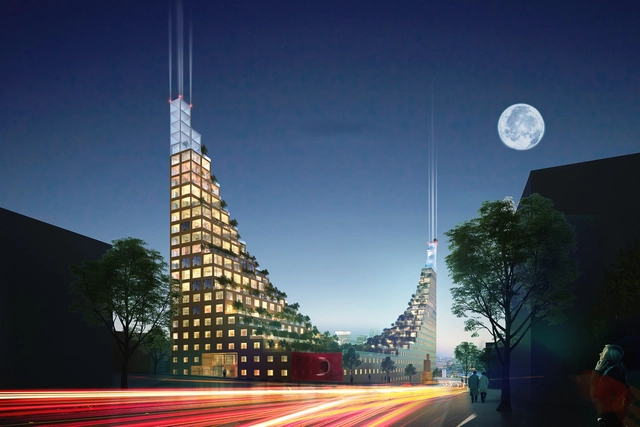
A new housing complex in the form of 500 terraced units has been proposed by London practice Architects of Invention for the city of Birmingham, in response to its growing multicultural population. Drawing inspiration from the ancient Hanging Gardens of Babylon, Garden Hill’s formal composition is that of two staggered 25-storey towers, with private and communal gardens on each level of terraces.
With the project's swooping mass, the residences aim to offer panoramic views of Birmingham, given its central location in the Digbeth area, a 10-minute walk from the city center. Additionally, the staggered towers capture ample daylighting over the course of the day, with the south end benefitting from the morning sun and the north end in the evening.
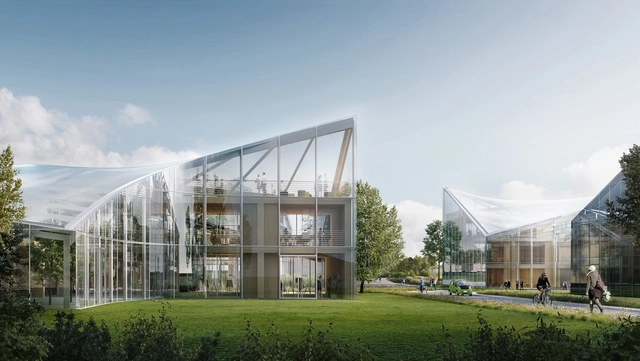
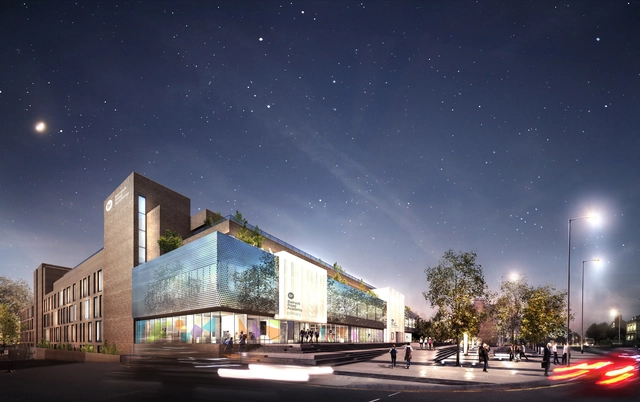
Planned as a center for local sports and sports science, the ECO park will provide state-of-the-art office space for environmentally-focused companies as well as public access to a wide range of health and leisure activities.
In this essay by the British architect and academic Dr. Timothy Brittain-Catlin, the very notion of British postmodernism—today often referred to as intimately tied to the work of James Stirling and the the thinking of Charles Jencks—is held to the light. Its true origins, he argues, are more historically rooted.
I grew up in a beautiful late Victorian terrace with ornamental brickwork, shaped ‘Dutch’ gables and pretty arts and crafts stained glass windows – and so I didn’t think then, and I don’t think now, that I had much to learn from Las Vegas. It turns out that I wasn’t the only one. Of British architects who made their names as postmodernists in the 1980s, not a single one would say now that they owed much to Robert Venturi, the American architect widely considered to be a grandfather of movement.
The City of Westminster, England has announced the shortlist for its first People’s Choice Award for the city’s best building from the past decade.
In an effort to engage the public in a debate about what makes a great building, the Westminster City Council asked a panel of architects, developers, councilors, and planners to shortlist 12 designs to be voted on by people who live and work in the city, as well as by visitors. Buildings for the shortlist were chosen based on its use of materials, purpose, and impact on the surrounding space.
"Brilliant architectural design should be recognized for all the fantastic benefits it can have in terms of health and wellbeing, sustainability, and the simple pleasure we all take from having such striking buildings lining our routes home, to shop and to work," said Cllr Robert Davis MBE DL, Deputy Leader of Westminster City Council. "The best people to ask about the impact these buildings have are those who see them day in, day out, and so I am delighted that we have been able to engage the public in a debate about what makes a great building and to promote design excellence."
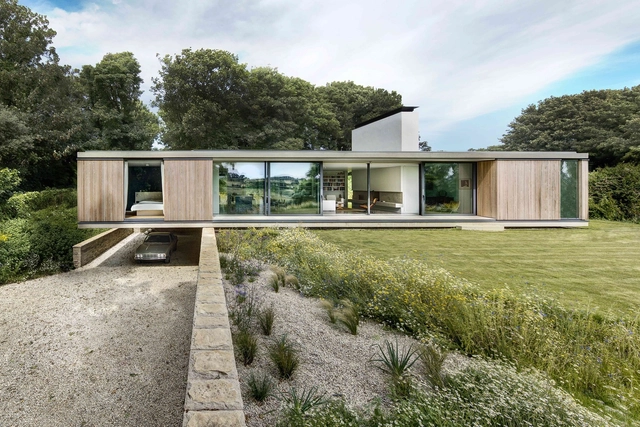
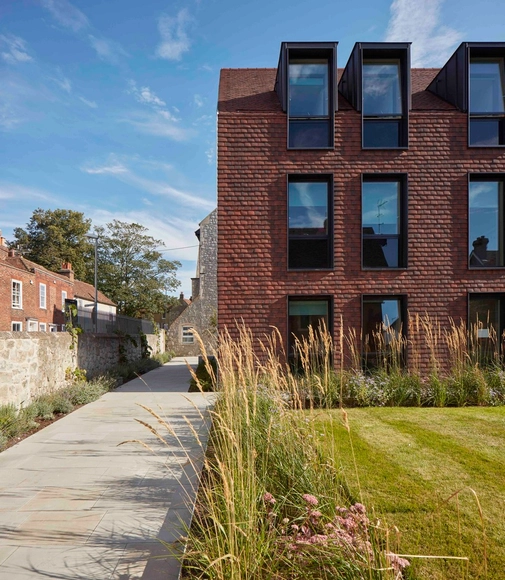
The 12 shortlisted projects for the Westminster People’s Choice Awards are:
Amongst the rapid materializing of telecoms, media and tech companies within the Blackfriar’s Southbank region, PLP Architecture has been chosen for the design of a new office building with the challenge of successfully integrating into the ever-changing local fabric.
“Our proposal speculates on the nature of the contemporary office tower,” explained the firm. “What is the architectural expression of today’s high-density workplace? How does the building acquire an identity specific to its media/tech occupiers and how is that identity conveyed to the city?”
https://www.archdaily.com/804616/plp-architectures-proposed-office-building-responds-to-londons-historic-urban-identityOsman Bari






























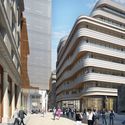
DSDHA.jpg?1488946187 "South Molton Street Building / DSDHA. Image © DSDHA")

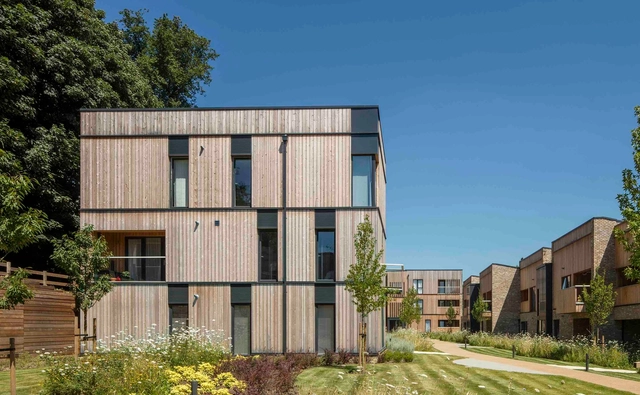


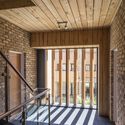
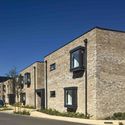





.jpg?1486088735&format=webp&width=640&height=580)




.jpg?1484600230 "© Hélène Binet")
.jpg?1484600241 "© Hélène Binet")