

- Area: 6500 m²
- Year: 2019
-
Professionals: Volker Link, Becker + Hofstätter, Dagmar Gast, SB Goldmann, ITK Berlin, +1
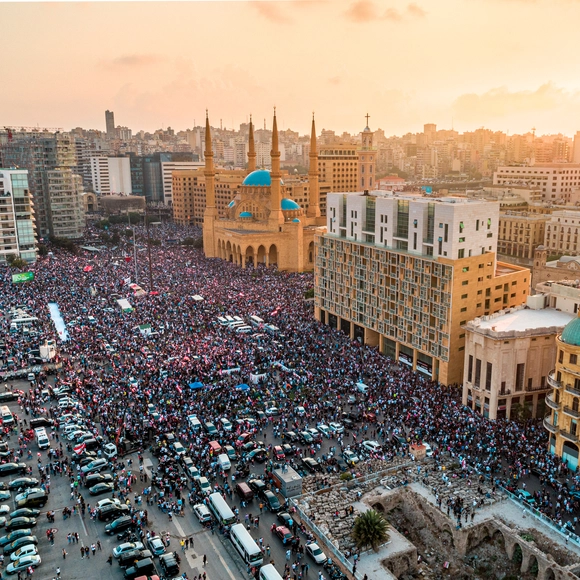
"Public space" is a legal terminology that tackles the notion of land ownership, suggesting that this type of parcel does not belong to anyone in particular, but to the state itself. Open, free, accessible to all, and financed by public money, these spaces are not only the results of planning, but the consequences of the public practices they hold. Actually, people define how public space is used and what it means.
Protests - powerful political tools for change - from the March on Washington in 1963, the Arab Spring in the early 2000s to recent Black Lives Matter Movements, are altering the world. In times like these, while people still need to "take their issues to the streets" to be heard and seen, public spaces have resurfaced as a topic of discussion.

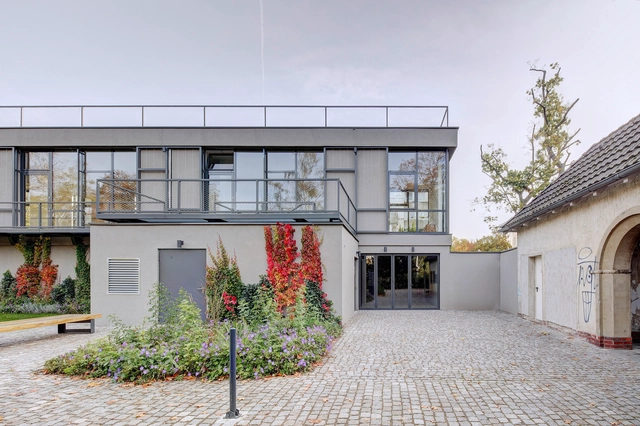


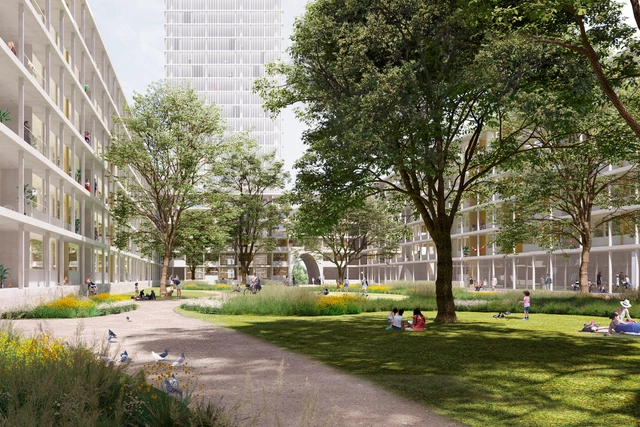
David Chipperfield Architects with Wirtz International Landscape Architects have won an urban competition in Berlin to convert the abandoned industrial and production site Georg-Knorr-Park into a lively residential and commercial neighborhood.

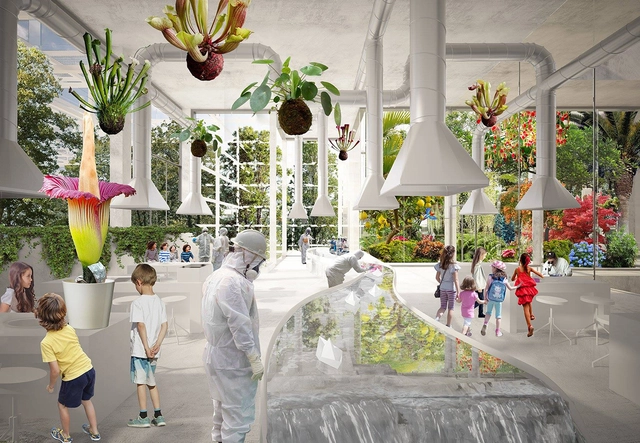
Architecture is a serious matter – in that respect, OVO Grąbczewscy is no exception. Functional, constructive, legal, and financial requirements, as well as client expectations, mean that architecture is the most “unfree” of all the arts, and the trend is rising. In order to retain the creative freedom necessary for their profession, the architects have developed the thesis of “playing architecture”. This enables them – despite stringent conditions – to apply their vision, research, and sense of freedom, fun, and humor as they see fit.
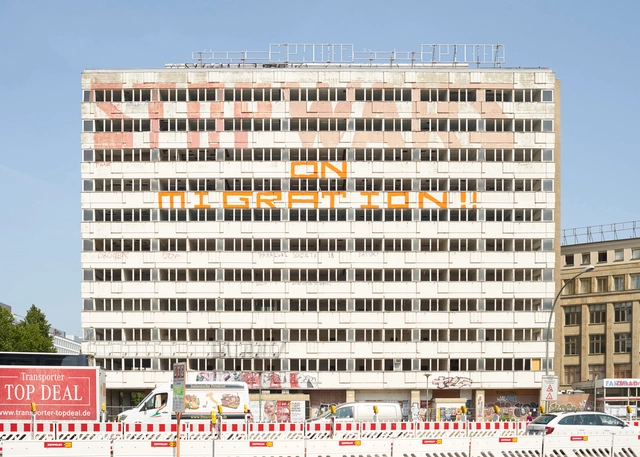
Design and the City is a podcast by reSITE, raising questions and proposing solutions for the city of the future. In the fourth episode entitled Fighting Gentrification, Leona Lynen, a city-maker advocating for the collaboration between civil society and administration, talks about the case of Berlin and her new co-operative project.
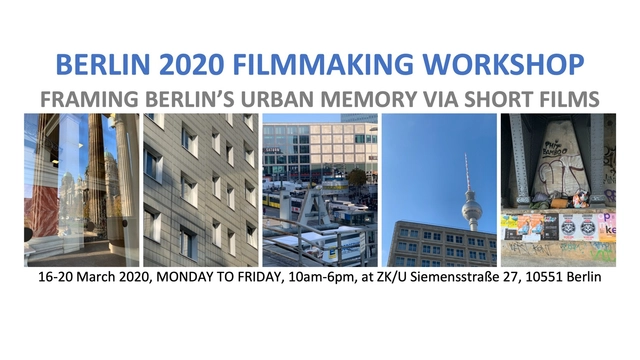
A one-week workshop for individuals interested in filming architecture and the city. Between 16 and 20 March at ZK/U in Berlin, we will benefit from feature and short films to discuss urban architecture, and to re-produce Berlin through filming. The target of the workshop is to make a short film within the boundaries of the city. As a Berliner, or an outsider to the city, participants will be making a film in and about Berlin within the theme of “Urban Memory.” The workshop is open to all, and film experience is not required.
















.jpg?1585836133 "© Anastasia Hermann")