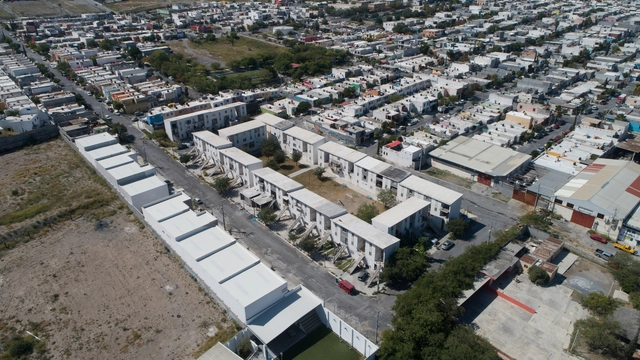
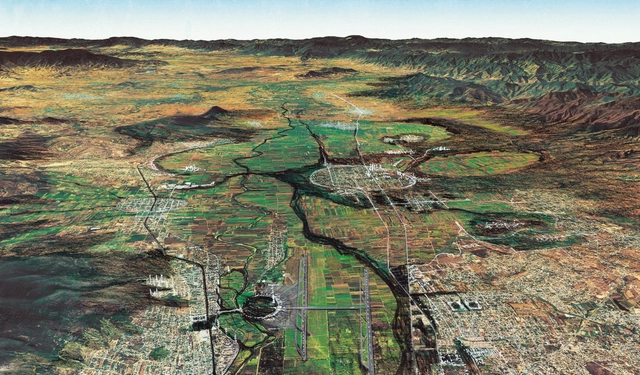
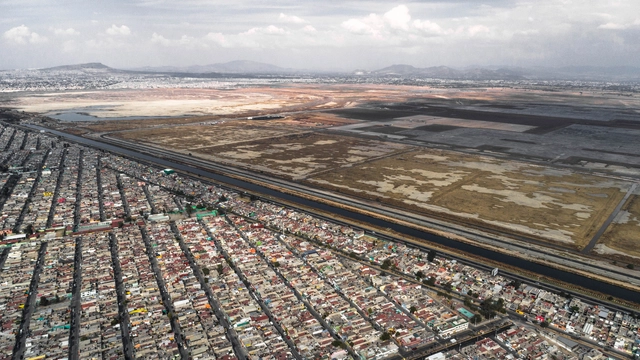
“Where the city ends should not be the question,” Alejandro Aravena has repeatedly stated in various lectures, “where it begins is the question we should try to understand.” In many Latin American countries, the concentration of wealth in urban environments has led to the explosion of cities and “metropolitan areas,” giving rise to complex challenges.
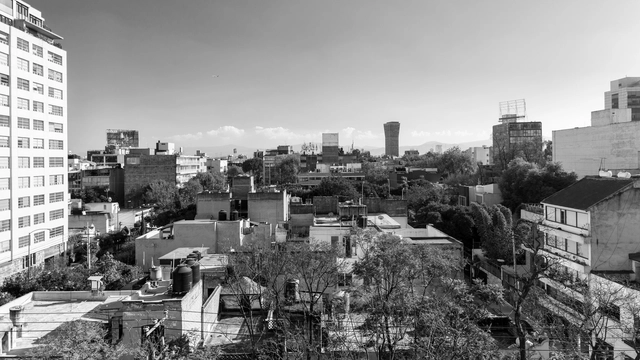
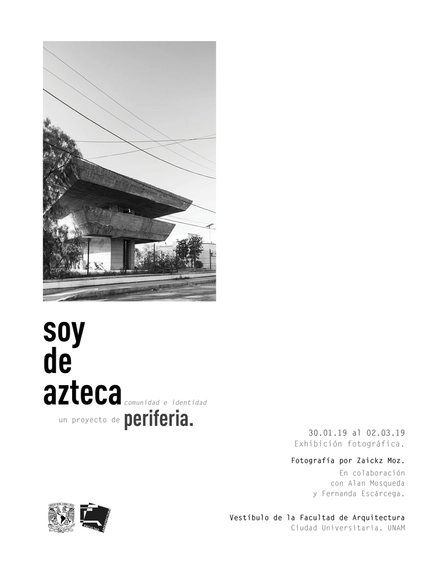
Periferia: Ecatepec de Morelos is a project by emerging photographer Zaickz Moz created to document the transformation of Mexico City's edges, while drawing attention to the aesthetics emerging in areas like Chalco, Nezahualcóyotl, and Naucalpan. Projects such as Soy de Azteca have focused on these forgotten territories, seeking to redefine the expressions of community and identity within Mexico City's periphery—a region that is increasingly blurred and constantly spilling over its geographic boundaries.
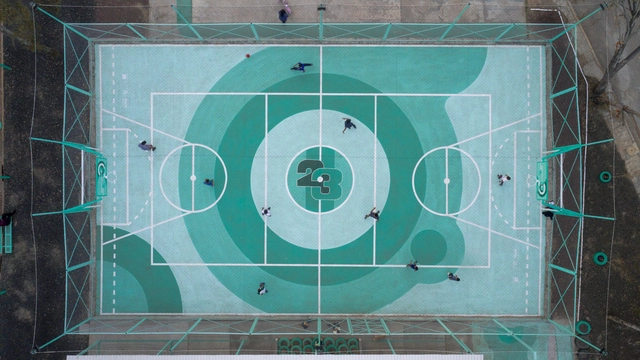
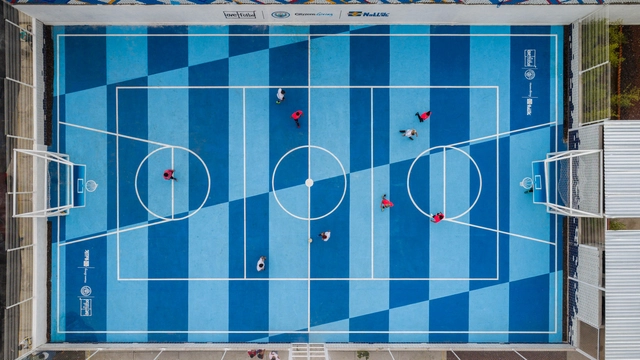
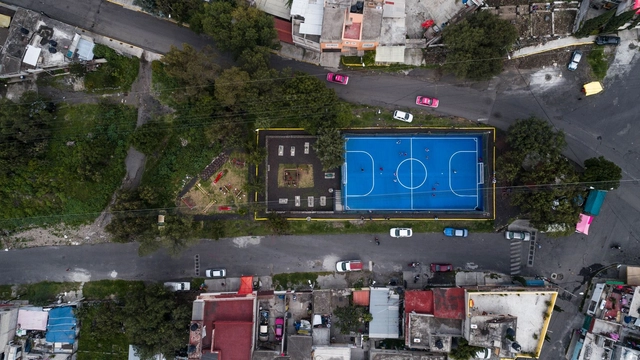
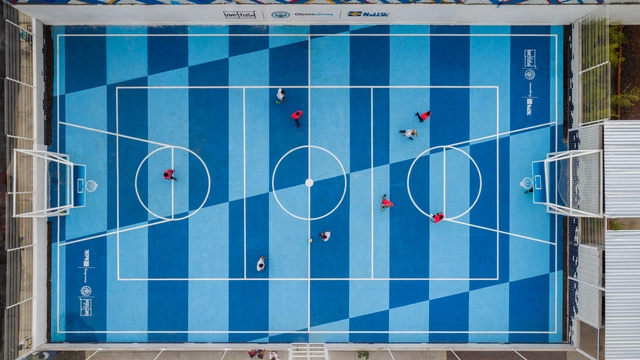
The “Xico-Parque Sur 23” project by the Mexican firm All Arquitectura grew out of the success of “Cancha La Doce,” which was developed in collaboration with love.fútbol and sponsored by the Pincus Family Foundation. Drawing on insights gained from previous projects on-site, the design and research process built upon an existing understanding of local needs and opportunities.
Climate change is an issue that has gained increasing traction in public and professional discourse over recent years, driven by a clear urgency to research, document, and mitigate environmental damage through multidisciplinary strategies that raise awareness of our current reality. Organizations such as the UN have issued a global call to action to adopt measures that end poverty, protect the planet, and ensure that all people enjoy peace and prosperity.
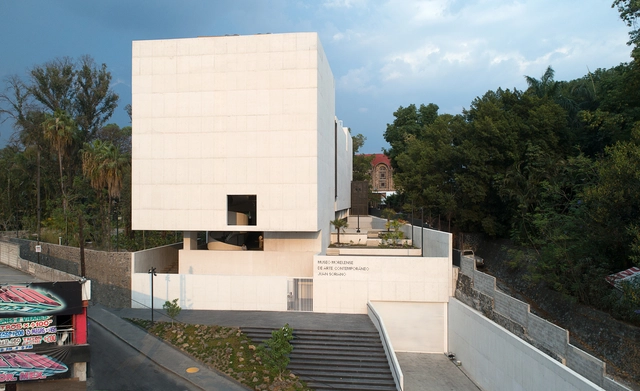
The College of Architects of Mexico City invited all Mexican architects to participate in the IV Mexico City Architecture Biennial 2019. The event aimed to identify the country's best architectural works, publications, research, and theses, recognizing their authors and sharing the most outstanding works to foster reflection on responsible contemporary architecture and sustainable solutions through analysis and critique. During this biennial, 106 projects and 18 publications were submitted, resulting in 1 Gold Medal, 14 Silver Medals, 2 Special Mentions, and 27 Honorable Mentions across 23 categories. Read on to discover the winners.
People often gather around sports activities, whether they are the ones exercising or the ones cheering. This internationally recognized social interest brings everyone together seamlessly, regardless of their background, gender, culture, ethnicity and so on.
Urban regeneration can take different aspects, and one of the most prominent and efficient solutions that can reconcile a community with itself and its surroundings is a sports function. In fact, this purpose encourages people to reclaim their fundamental right to public spaces and regenerate demoted, hostile or forgotten areas.
Read on to discover examples from all over the world, where physical activities made an urban impact on the neighborhood and the community.
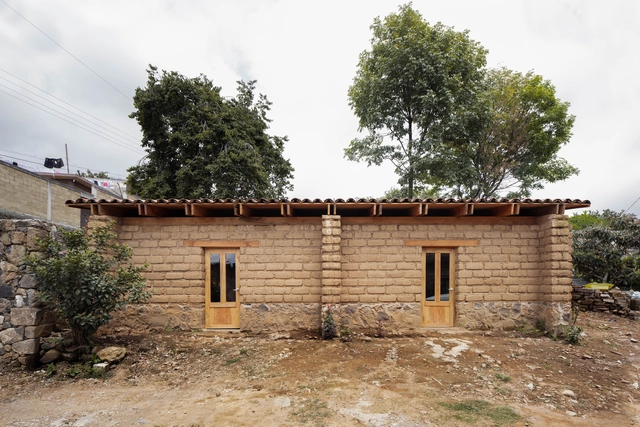
In recent years, architectural production in Mexico has faced a series of extraordinary challenges. Some of these stem from natural disasters that severely shook at least nine states, leaving several areas gravely affected across Mexico City, Puebla, Morelos, Oaxaca, Veracruz, Tlaxcala, Guerrero, and the State of Mexico. However, these events also served as a catalyst, prompting the architectural community to increase its focus—and active involvement—on housing and infrastructure for the most vulnerable sectors of the population.
As we have seen throughout the history of architecture, ephemeral installations and pavilions are important tools for talking about specific moments in architecture in an almost immediate way. While it is true some pavilions have been so relevant that they broke with their ephemeral quality to become permanent, such as the German Pavilion in Barcelona, designed by Ludwig Mies van der Rohe and Lilly Reich, most are documented in photographs, plans and experiences to be rewritten in future projects.
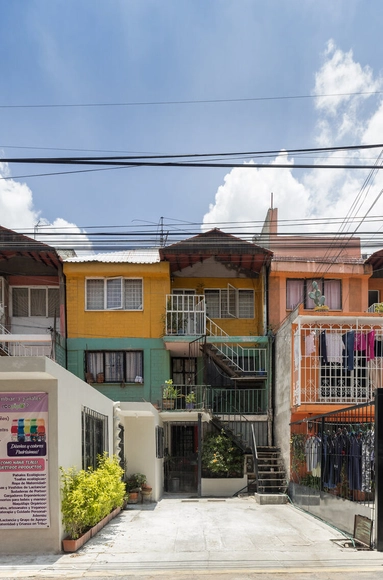
"Soy de Azteca" (Or "I'm from Azteca") is a photographic project by Zaickz Moz that seeks to re-think the expressions of community and identity of the periphery of Mexico City—which is becoming more diffuse and overflows beyond its geographical limits. The objective of this project is to re-think the interpretations of community and identity of the residents of Ciudad Azteca (State of Mexico) manifested in private, public and urban spaces, through photographic series that addresses issues such as appropriation and modification of space habitable, urban development and the sense of community in the neighborhood of Ciudad Azteca.
The particular characteristics of a community give the inhabitants a sense of identity and belonging. Does this happen in any inhabited place? When observing that the history of Ciudad Azteca always exists in relation to Mexico City, it is worth asking if identifying traits have emerged among the inhabitants of Ciudad Azteca. As in other areas of the capital's periphery, it is possible to observe in this group of neighborhoods located in the municipality of Ecatepec the capacity of the locals to build and transform a space into a variety of forms of urban habitat.
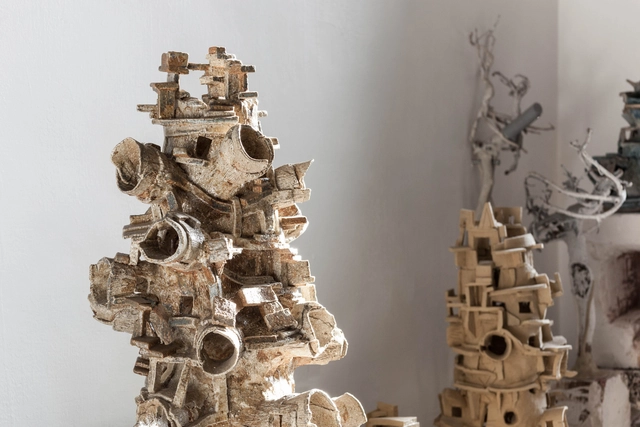
Through sculpture and drawing, Ivan Kurov (Mexico City, 1982) explores nature and transformation in their broadest definitions. While the former allows him to study the chemical properties of materials and the physics of objects, his paintings frame the confrontation between the organic landscape and the intervention of human architecture. For Kurov, art in its fullest sense is achieved outside of discursive intention, occurring when the hand works the material without the mediation of a concept. Consequently, his pieces emerge from the autonomy of processes and from matter in the freedom of its essence. The result is spontaneous and fluid, much like the artist's own conversation.
The Flower and Garden FestivalFYJA is an event held in Mexico City that brings together landscape architects, architects, artists, designers, artisans, gardeners, and students. In each edition, participants create a route featuring various activities and exhibitions, offering everyone—from experts and enthusiasts to the curious—the chance to engage with horticulture and experience the benefits of plants.
Colonia Roma, a neighborhood in Mexico City, is well known among locals for its art galleries, restaurants, bookstores and museums - it is a hotspot of contemporary art and culture. However, this cultural tradition actually dates back to the Porfirian Era in the early twentieth century. The area was a way to present Mexico City as a modern city by creating the first colony, along with Colonia Condesa, with all basic services available to the residents. Drawn with Parisian boulevards and tree-lined streets, Roma is an exemplar of art nouveau architecture, eclectic and French-ified – an attractive area that immediately led to the arrival of wealthy families.
ALL Arquitectura is a Mexican firm that focuses on developing projects at both urban and architectural scales through methodologies rooted in participatory design. One of these projects is Cancha “LA DOCE”, a collaborative initiative born from a network and a proposal for change driven by the need to develop high-quality public spaces in marginalized areas of various cities worldwide. Drawing on an activity deeply woven into the lives of local residents, ALL Arquitectura leveraged soccer as a design catalyst to encourage participation, observation, and community life.
'Soy de Azteca' is a photographic project by Zaickz Moz that seeks to rethink expressions of community and identity in the periphery of Mexico City, which is becoming increasingly diffuse and spilling beyond its geographical boundaries. The project aims to re-examine how community and identity are expressed by the residents of Ciudad Azteca (State of Mexico) within private, public, and urban spaces. Through a photographic series, it addresses themes such as the appropriation and modification of living spaces, urban development, and the sense of community in the Ciudad Azteca neighborhood.
The “LA DOCE” court is a collaborative project, part of a network and a proposal for change born from the need to develop quality public spaces in marginalized areas of various cities worldwide. Soccer is one of the most beloved, widely played, and perhaps most followed sports globally. It is a way to connect with ourselves and others.
Participating, observing, and coming together are activities that allow us to look beyond the obvious and everything surrounding the sport; soccer thus emerges as a social construct, a pastime that fosters connection through play, an event that does not distinguish between social classes and grants those who take part in the moment the opportunity to unite as a team, to be part of something larger than themselves.