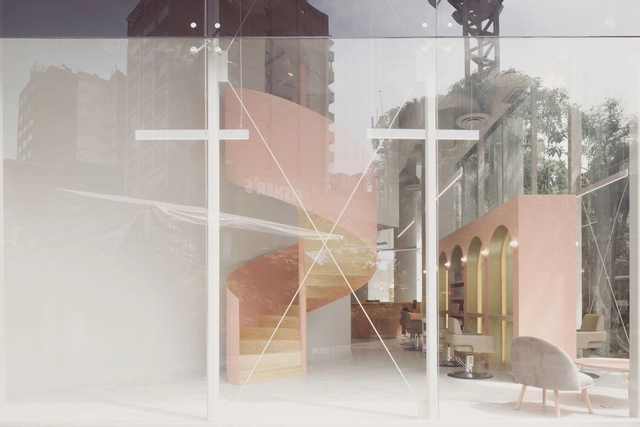


-
Architects: VOID Studio
- Year: 2022
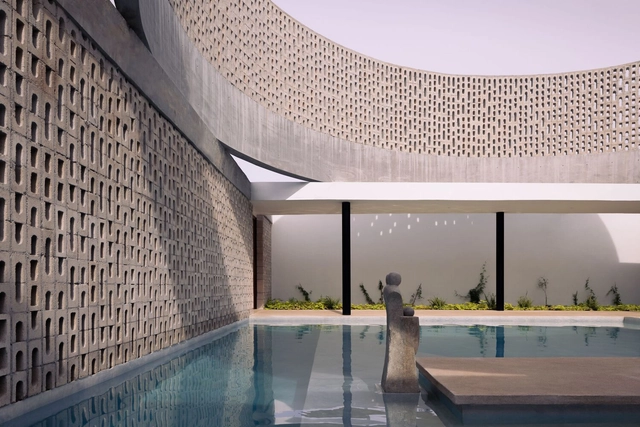
The award ceremony for the 11th edition of the Interceramic Architecture and Interior Design Award was held at the Cabañas Museum in Guadalajara. With more than 1,000 entries this year, the prize promotes and recognizes projects that reflect contemporary design and represent the state of architecture and interior design, while also honoring creativity in the use of Interceramic ceramic materials.
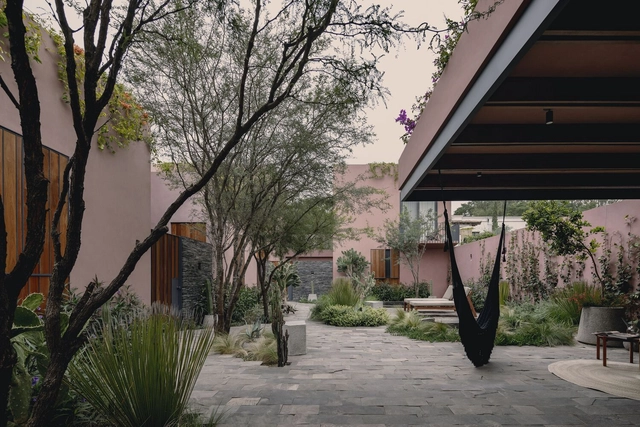
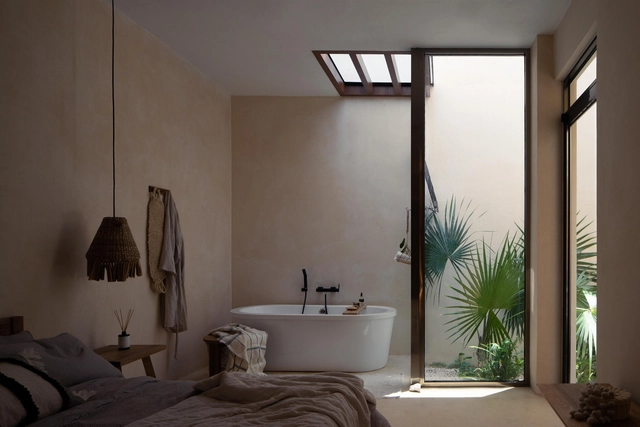
Over the years, interior design has evolved according to the needs that arise, but above all according to the experiences it seeks to evoke in the user. In the last two years we have witnessed a radical change and a special interest in this subject because the pandemic forced us to pay specific attention to the configuration of the places we inhabit. This brought about much more holistic designs that seek to address the wellbeing of the user, combining colours, sensory experiences, technology and natural elements that promote health.
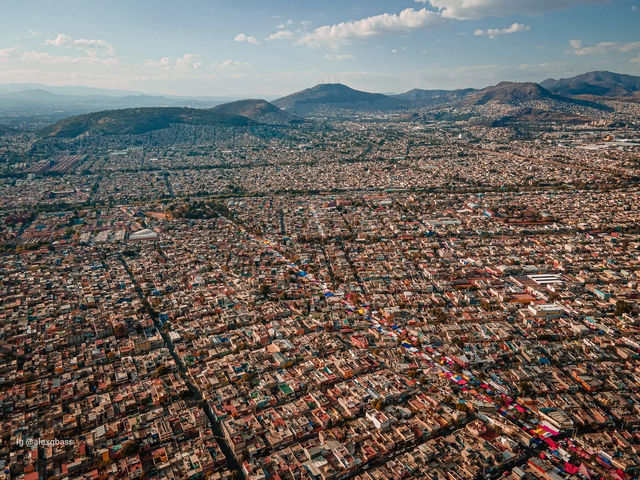
The region we know today as the Metropolitan Zone of the Valley of Mexico (ZMVM) has had a continuous and dynamic occupation for more than 4,000 years. Archaeological and anthropological evidence reveals the presence of complex human societies on the banks of the lake basin, starting with Tlatilco and Cuicuilco in the Preclassic period, passing through Teotihuacan in the Classic period, and culminating with the different urban centres of Nahua affiliation in the Postclassic period, with the cities of Mexico Tenochtitlan-Tlatelolco, as well as Texcoco, Azacapotzalco, Iztapalapa and Chalco, among many others, undoubtedly standing out.
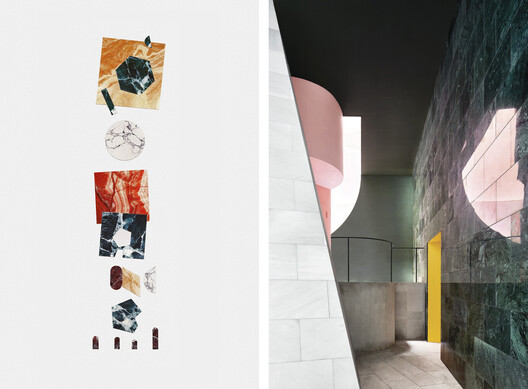
Graphics, even before language and writing, were the first means of communication and significance for humanity. Drawing is the act of replacing reality with representation, that is, replacing objects with images encoded in each of the graphic representation systems.
In architecture, graphics stimulate the imagination and are the basis of project thinking since they do not only constitute our code of communication but configure our ability to express ourselves in disciplinary terms. In fact, at first, the drawing is constructed in the mind of the architect, before it looks for support from any type of instrument.
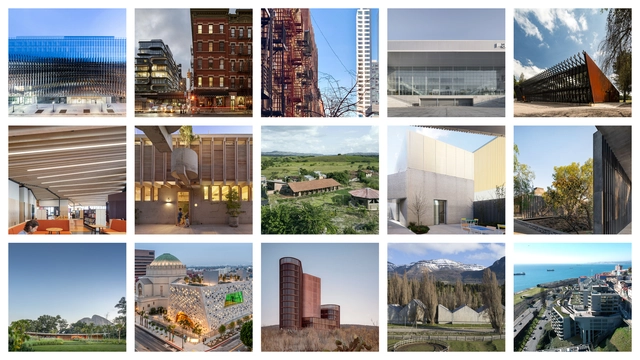
Mies Crown Hall Americas Prize announced the full list of jurors for its fourth edition, chaired by Sandra Barclay of Barclay and Crousse Architecture, and just released the nominated projects comprising 200 built works in North and South America, for MCHAP 2022 and 50 projects for MCHAP.emerge 2022.
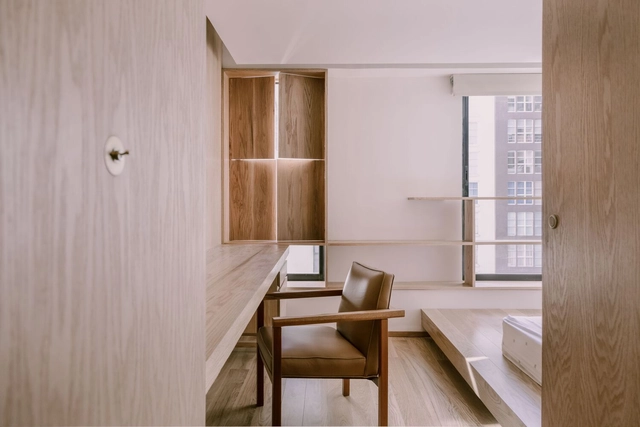

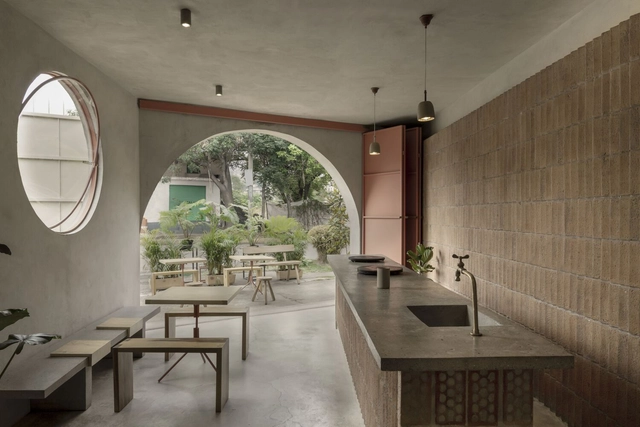
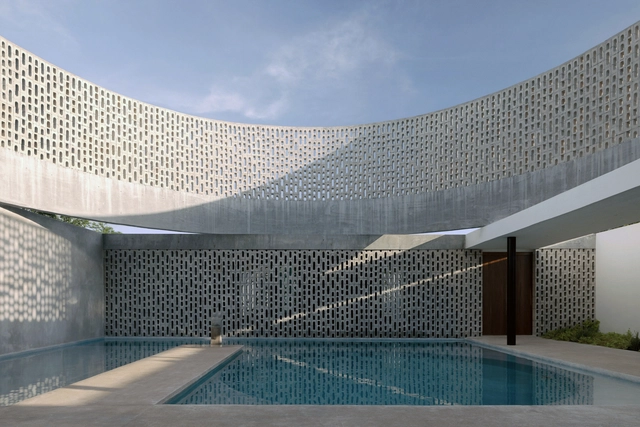





Around the world, both architects and designers are speculating on post-COVID spaces, offering diverse proposals championed by the utopia of advanced technology and Wi-Fi for all, alongside genuine concerns: How can we design spaces that require no physical contact? Will this mean the end of coliving or coworking spaces? How do we design for isolation? But what is happening in Mexico, considering that more than 56% of the population works in the informal economy and there is a digital divide leaving over 40% of residents without an internet connection?

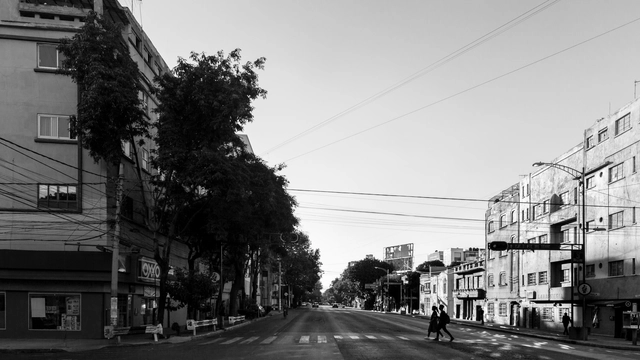
Various authors such as Michel Foucault, Maurice Merleau-Ponty, and contemporary thinkers Marina Garcés and Judith Butler have brought the body to the forefront of global philosophical discussions. This has gradually permeated different disciplines where the body is the focus of study, and even some where this relationship seems less obvious.
_22.43.53.jpg?1597908512&format=webp&width=640&height=580)


_22.43.53.jpg?1597908512)
As the philosopher Byung-Chul Han states: every age has its signature afflictions. These illnesses have represented some of the most significant challenges in human history, bringing drastic changes not only to the healthcare sector but also to economic and political spheres, revealing humanity as a complex network negotiating its daily existence through actions that have reshaped our ways of living and relating to one another.
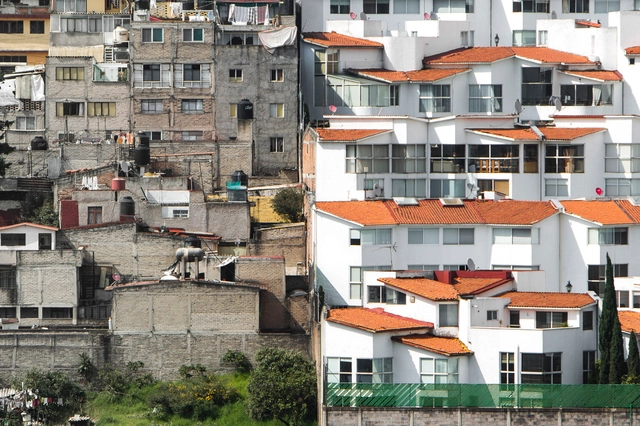
On June 17, Mexico's Supreme Court of Justice of the Nation (SCJN) issued a landmark ruling ordering the National Institute of Statistics and Geography (INEGI) to generate disaggregated statistical data on populations in informal or precarious settlements across the country. This resolution brings to the forefront the discussion on the role that judges can and should play when making decisions that directly impact urban planning, land management, our cities, and our housing.
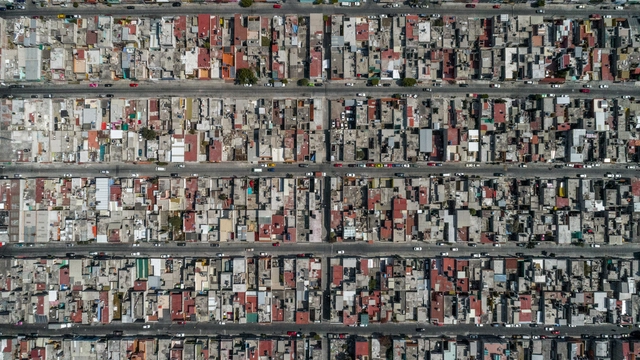
This article on housing in Mexico aims to understand the city we have experienced. The guidance of specialists was crucial to grasping some of its complexity. Special thanks to Josefina McGregor, Andrés Sañudo, and Rosalba Loyde for sharing their knowledge for the realization of this article.
When lockdown reached Mexico in March due to COVID-19, the hashtag #YoMeQuedoEnCasa became more relevant than ever. Yet, as the days passed, the slogan was replaced by #ParaQuedarseEnCasaHayQueTenerUna after several media outlets and citizen collectives denounced the attempted eviction of an elderly person from their apartment in the Trevi Building in the middle of quarantine. These evictions have occurred gradually, such as that of reporter Carlos Acuña in August 2019.
.jpg?1584581304&format=webp&width=640&height=580)




.jpg?1593472562&format=webp&width=230&height=230&crop=true)
.jpg?1593472682&format=webp&width=230&height=230&crop=true)


.jpg?1584581376&format=webp&width=230&height=230&crop=true)
.jpg?1584581589&format=webp&width=230&height=230&crop=true)
.jpg?1584581182&format=webp&width=230&height=230&crop=true)
.jpg?1584581416&format=webp&width=230&height=230&crop=true)
.jpg?1584581304)