-
Architects: TIXA Studio associato
- Area: 700 m²
- Year: 2026
-
Manufacturers: Knauf, Calce del Brenta, Cassina, Celenit, DND
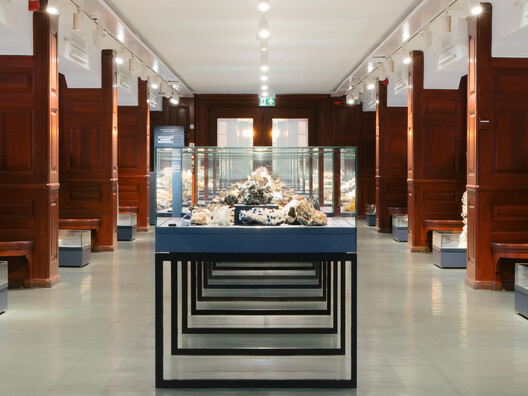
Designing a museum interior means negotiating between the needs of the collection and those of the visitor: objects must be protected and carefully displayed, while spaces need to remain accessible, legible, and engaging. Scale, circulation, security, lighting, structure, and technology all become part of the design, often working quietly in the background so that the exhibits remain the focus. So, how do you fit 4.5 billion years of Earth's history into a museum interior? The renovation of the Natural History Museum Oslo, home to one of the largest geological and anthropological exhibitions in the Nordic countries, offers a clear example of how these demands can come together within an existing architectural framework.

Set along the outer breakwater of Port de Cap-d'Ail, located next to Monaco, the Beach House occupies a threshold between land and sea. Surrounded by water and docked boats, the building sits in close dialogue with the harbor, exposed to the shifting light, reflections, and atmosphere of the Mediterranean. Within this setting, the house reads almost like another vessel moored along the harbor wall.
When architect Dave Rowles began work on the project, however, the residence offered little of this character internally. The former private home had been stripped back almost entirely, leaving a raw concrete shell. The renovation, therefore, began with a fundamental question: how can an interior capture the qualities of its surroundings? Rather than competing with the powerful maritime context, the design focused on creating a calm, material-driven interior that frames and amplifies the beauty and experience of the surrounding landscape crafted from oak, cedar, marble, and stainless steel details. In collaboration with barth, a company specializing in interior craftsmanship, Rowles transformed the concrete structure into a cohesive interior, where natural materials, light, and refined detailing define both the interior and exterior spaces.
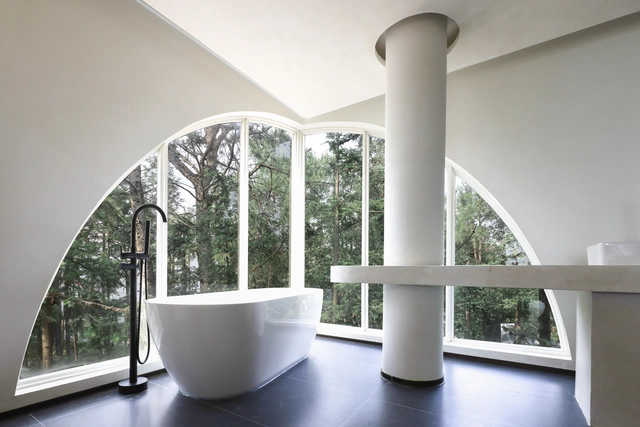
Bathrooms play a significant role in our daily lives, serving multiple functions beyond basic hygiene. Research highlights their importance as relaxation, introspection, and personal wellness spaces. A bathroom's design and comfort can profoundly influence how we begin and end our day, framing our routines with a sense of ease or disruption. When traveling, hotel bathrooms often leave a lasting impression, as a well-designed and thoughtfully executed bathroom can significantly elevate the overall experience of a stay.