

-
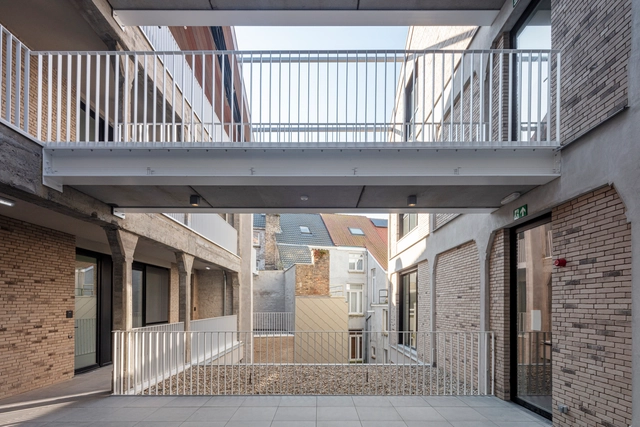
Architects: Declerck-Daels Architecten
- Area: 7500 m²
- Year: 2020
-
Manufacturers: Eternit, Sto, RENSON, VELUX Group, Wienerberger, +4
-
Professionals: Group Monument, Jan Hoste bvba, Kubiek
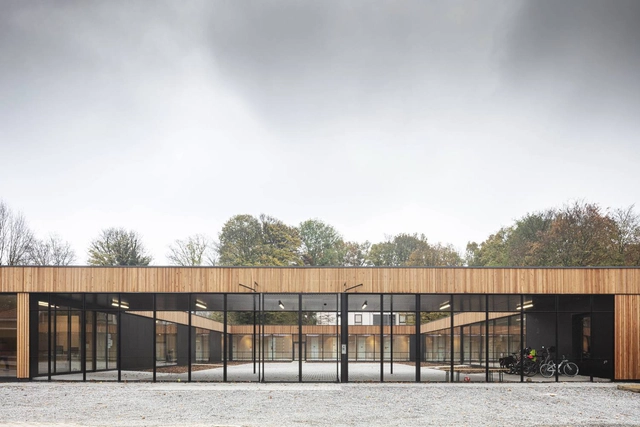
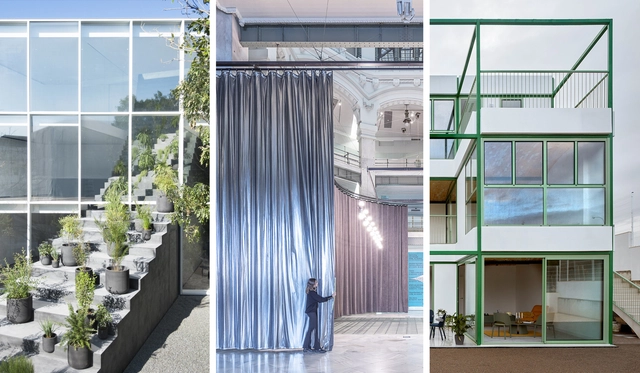
As we look back at the architecture projects we have published in 2020, as part of our yearly review, we were able to distinguish many recurring elements and solutions in terms of materials, programs, and functions.
Since the architecture industry moves slightly slower than others, we found that many things in the construction and design that have been building up these past years have come out making strong statements this 2020. We believe, therefore, that trends in the architecture world could be defined not only by what has been recurrent and popular but also, what has proven to be relevant and substantial.
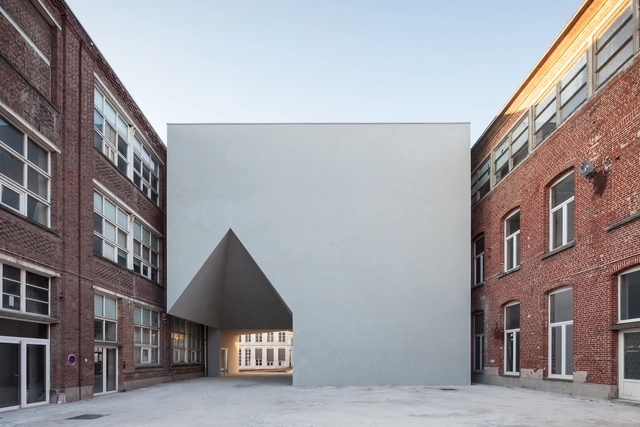
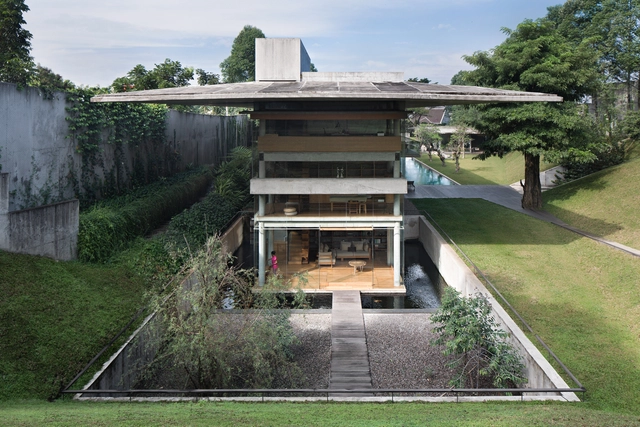
On behalf of the entire ArchDaily team, we would like to thank you for your continued support and for making 2020 our best year so far! We are now reaching more architects around the world and inspiring them in the creation of better built environments. With more than 5500 different projects published during the year, our curators are excited to share this collection of the 100 most visited projects of 2020. This selection represents the best content created and shared by the ArchDaily community over the past 11 months.

When designing the Nordic Pavilion in Venice, Sverre Fehn incorporated Nordic architectural elements in unusual ways. One of the most attention-grabbing elements of the building is its laminar roof cover of white concrete, which is broken by trees planted inside the building blocking the sun's rays and filtering the light. Depending on the angle, the roof blades allow visitors to see the colors of the sky and the canopy of the trees, bringing dynamism to the pavilion's lighting and movement. In fact, the use of parallel slats on facades, walls, and roofs is a tradition that comes from Nordic architecture and has spread throughout the world. In this article we will cover some examples that use this element, including its variety of possibilities and the best ways to amplify their effect.


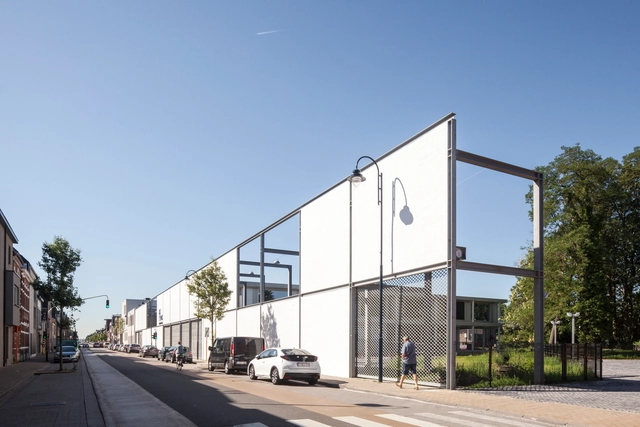
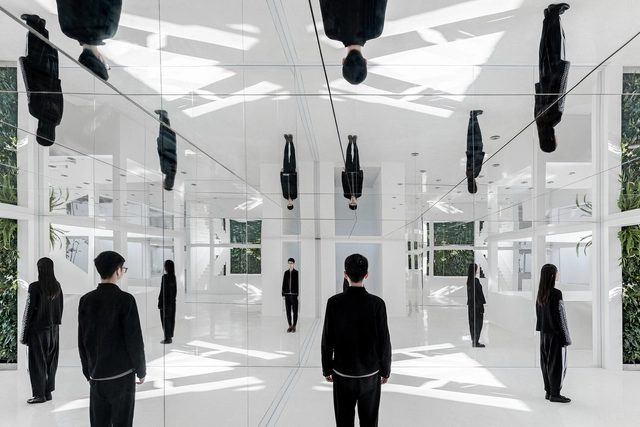
Humans have used mirrors since as early as 600 BCE, employing highly polished obsidian as a basic reflective surface. Over time, people began to use small pieces of gold, silver, and aluminum in a similar manner, both for their reflective properties and for decoration. By the 1st century CE, people had started using glass to make mirrors, but it was only during the European Renaissance that Venetian manufacturers began making mirrors by applying metallic backings to glass sheets, remaining the most common general method of mirror manufacturing today. Since then, mirrors have continued to play both a decorative and functional role in architecture, serving a clean, modern aesthetic despite its ancient origins. Below, we investigate how mirrors are made, provide a brief history of mirrors in architecture, and offer several tips for architects looking to use mirrors in their designs.
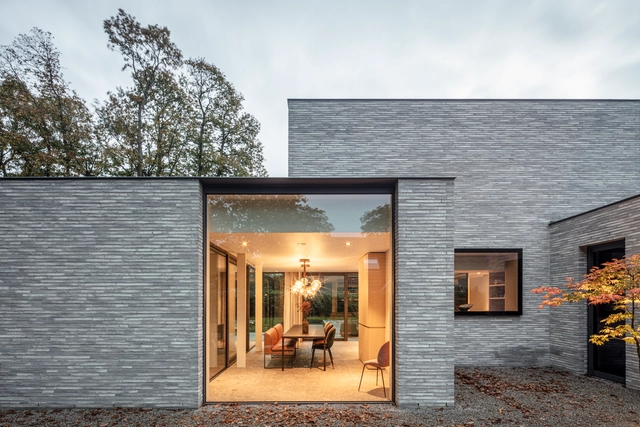
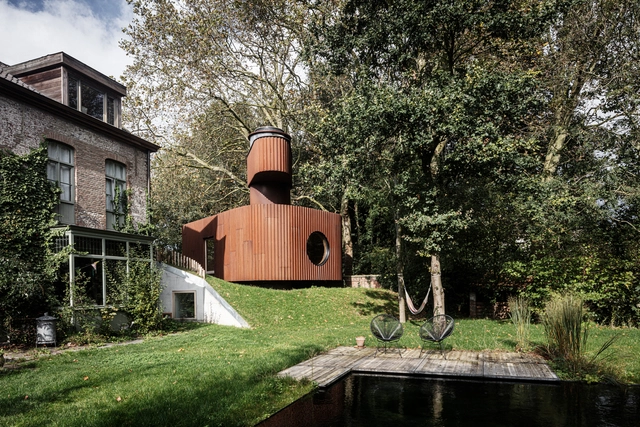
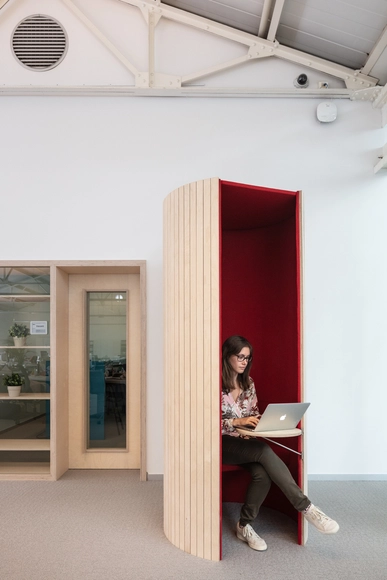
In the past 30 days, Amazon searches for touchless products such as automatic shoe cover dispensers, touch free soap dispensers, contactless thermometers, and hand free faucets have increased by up to 2000%. As anxieties over the spread of COVID-19 through contact or shared surfaces continue to plague the general population, these technologies offer a potential solution for offices or organizations struggling to stay operational without increasing the risk of viral spread.


.jpg?1587954414&format=webp&width=230&height=230&crop=true)


