
.jpg?1596603242&format=webp&width=230&height=230&crop=true)


-
Architects: ByMura Design Studio
- Area: 630 m²
- Year: 2019
-
Manufacturers: AutoDesk, Chaos Group, Adobe Systems Incorporated, Becara y Dupuis, Blu Dot, +6
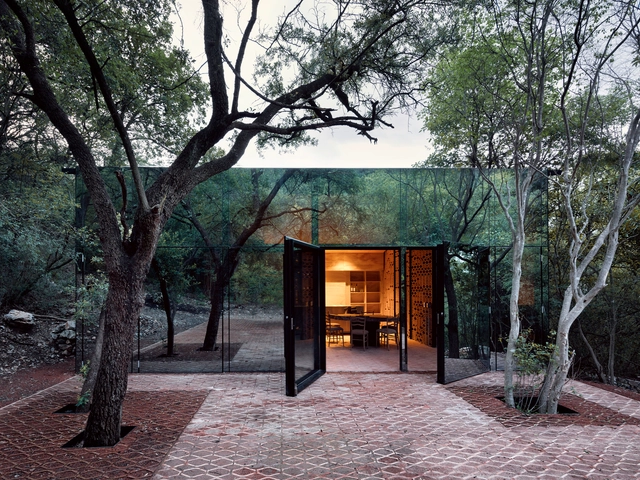
As one of Mexico's most prominent cities and business hubs, Monterrey is situated within the territory of Nuevo León, a state in the country's Northeast region that borders Texas, defining a significant portion of the US-Mexico border. Covering just over 451.30 square kilometers with an average elevation of 500 meters above sea level, the municipality is bordered to the north by San Nicolás de los Garza and General Escobedo; to the south by San Pedro Garza García and Santiago; to the east by Guadalupe, Juárez, and Cadereyta; and to the west by Santa Catarina and García.
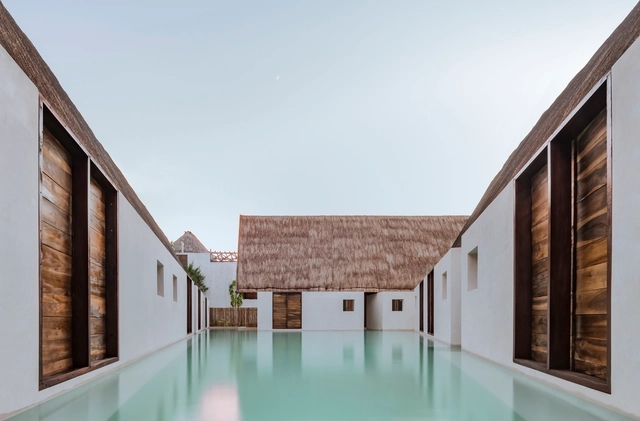
One of the most important factors in design is the site's specific climate. This can pose a challenge in extreme weather, where insulating materials are required to adapt to changing conditions. However, in the case of Mexico and its privileged climate, this factor works to the architects' advantage, allowing them to create microclimates and spaces that blur the transition between indoors and outdoors.

Coffee shops are spaces whose history dates back to the 15th century. Originating in Arab countries before the rise of Europe, they began to play an important social role, often described as taverns where significant conversations took place, deals were struck, and political debates unfolded. Over time, these spaces evolved and the concept expanded to European countries like England, France, Italy, and Germany, where they served as highly public gathering spots for merchants, politicians, scientists, academics, philosophers, and poets.
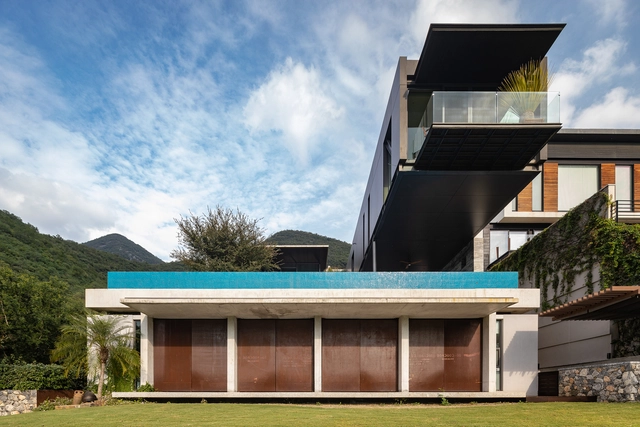
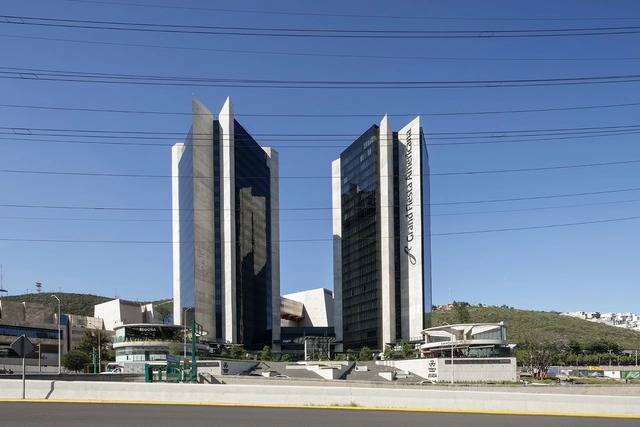
More than 5.000 architecture projects were published in ArchDaily this year. Year after year, we curate hundreds of residential projects, and as we know our readers love houses, we compiled a selection of the most visited residential projects published on the site.
Set in various locations around the world, in urban, rural, mountain and beach landscapes; a variety of structural designs, from traditional masonry to the most technological prefabricated systems; from small dwellings to large houses and materials such as concrete, wood, and bricks as the most used. We also found their design and typology solutions were very much aligned with their specific settings and all of them share a strong dialogue between the house and nature, whether it is its direct surroundings or the introduction of green into a more condensed urban setting.
This selection of 50 houses highlights the most visited examples during these twelve months and, according to our readers, were the most attractive in innovation, construction techniques, and design challenges. Check them out below:
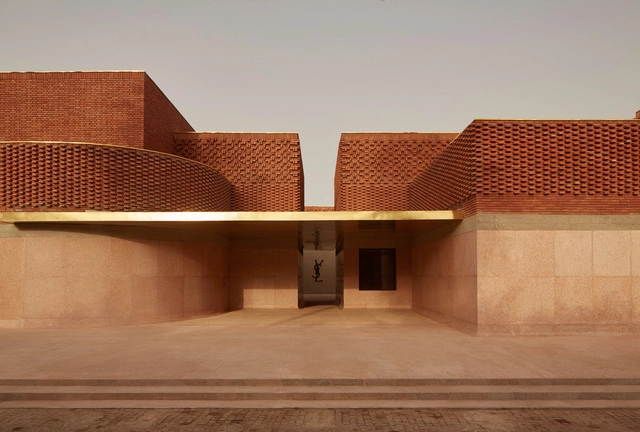
With a mission to provide tools and inspiration to improve the quality of life in our built environment, ArchDaily curators constantly track and share with our audience the best "built projects" in the world. In order to celebrate these achievements and thank our readers for actively participating in our community, we selected the 50 best architectural works published during 2019.
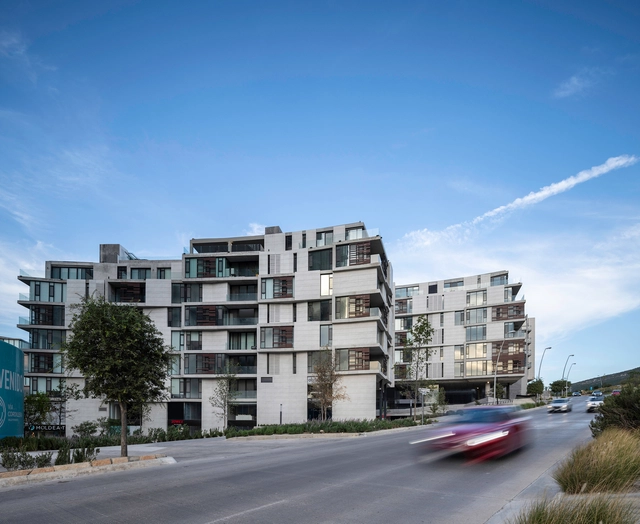
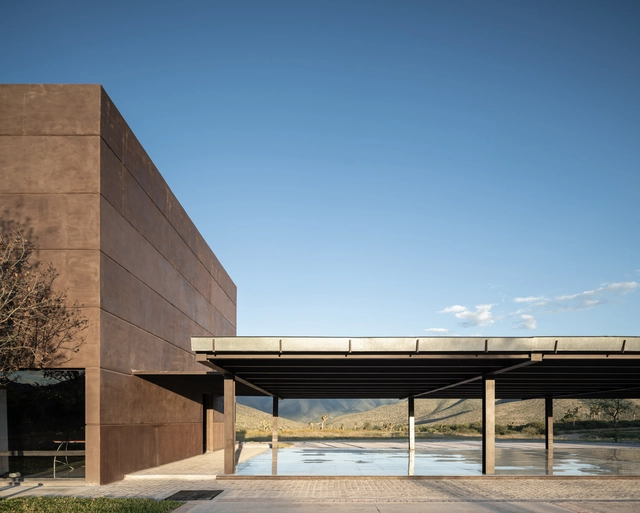
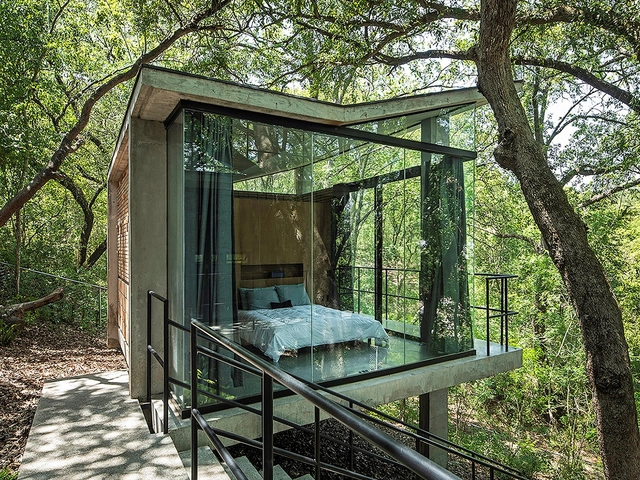
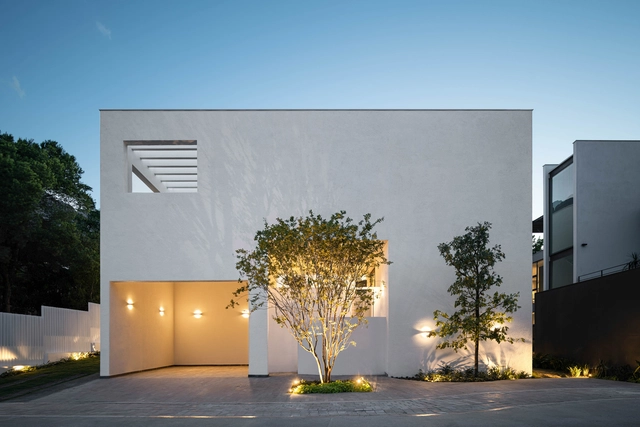
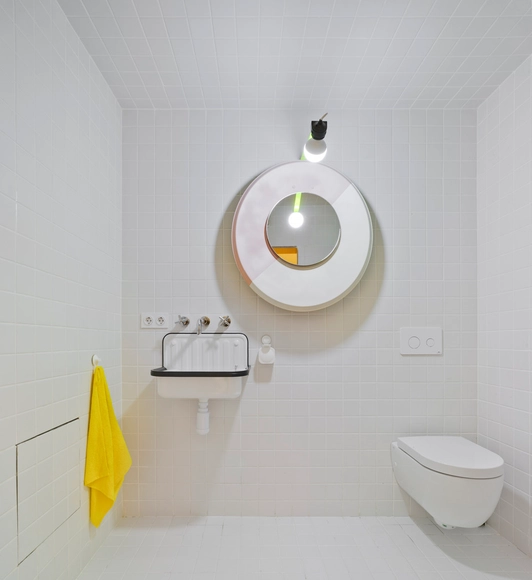
Square, rectangular, hexagonal, matte, shiny. It's hard to think of a more versatile flooring material than tiles. They're also known for their high durability, ease of maintenance and installation, and are among the most common choices for covering floors and walls, whether wet or not. Following are 10 common questions about ceramic tiles, and their answers: