-
Architects: Studio Andrew Trotter
- Year: 2022
-
Professionals: Lamia Santolina



With its quantifiable objectives and measurable performance, sustainability often passes as a technological challenge. Its primary language is that of data, equipment, and engineered systems, most often translated into a hyper-technologized layer hidden within a design upholding pre-existing aesthetic norms. As architecture is the image of society at one moment in time, how does the focus on sustainability translate into architectural language, further legitimatizing the efforts to establish an equitable relationship with the environment? Architecture serves as an expression of attitudes, and since sustainability has become a fundamental value, it is worth looking at whether or not it has produced an aesthetic transformation.
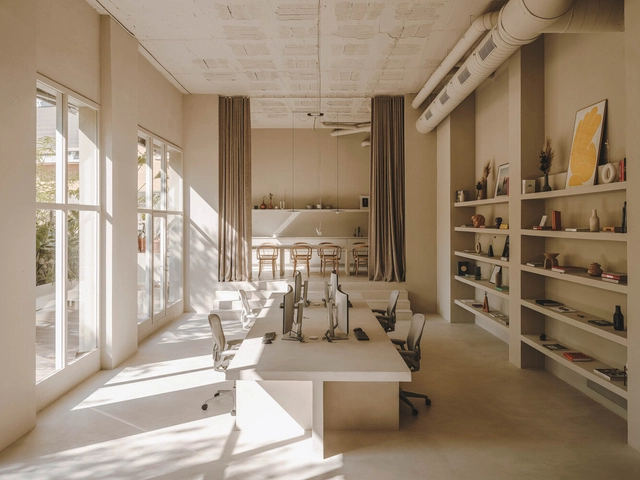
The early stages of practicing architecture are often met with what many explain as "the slippery slope of being an architect", where expectations do not at all meet reality of the profession and gets worse as the experience progresses. With constant burnouts as a result of working overtime and on weekends on the account of “gaining experience”, extraordinary expectations, low wages, and physical and mental strains, the prestige of being an architect has evidently vanished with modern-day work conditions. So how can architects fight for their labor rights after years of exploitation and what is currently being done to ensure them?
2021 was the year of a new reality, with humankind adapting to what is known as the second year of the pandemic. While some countries witnessed a return to alternative normality, opening up to the world through travel and events, others stayed in lockdown, expanding furthermore the inequality gaps. Nevertheless, this year also brought a lot of hope in all aspects, raising questions and building solutions for the near future. With a major focus on climate urgency, biomedical research as well as notions of hybridity, 2021 has triggered new understandings of the environment that surrounds us and of our place in this world.
Highlighting contextual topics, bringing both a local and global perspective, while shedding light on overlooked historical narratives, ArchDaily's diverse team of editors has been front and center, reacting to everything that has been happening. Always seeking "to empower everyone who makes architecture happen to create a better quality of life", the editorial content, generated across all sites, in our 4 languages, English, Spanish, Portuguese, and Chinese, provided tools, inspiration, and knowledge to widen horizons and help our users build a better future.
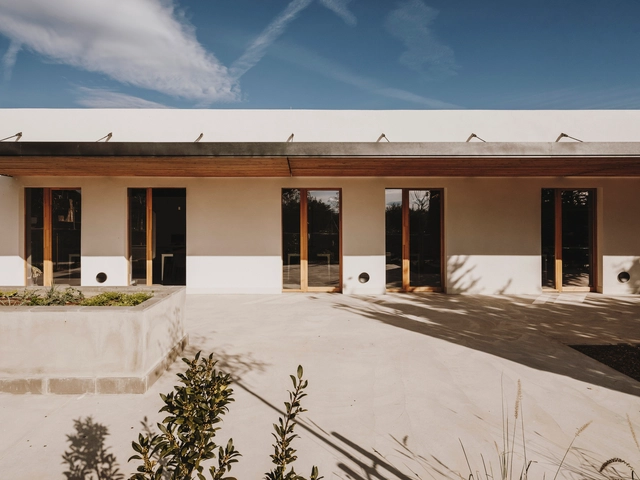
On Friday, November 19, 2021, the Official Association of Architects of Tarragona and the Alejandro de la Sota Foundation recognized the team at GCA Architects for their Alzheimer's Day Care Center project, as part of the 12th Tarragona Architecture Exhibition.


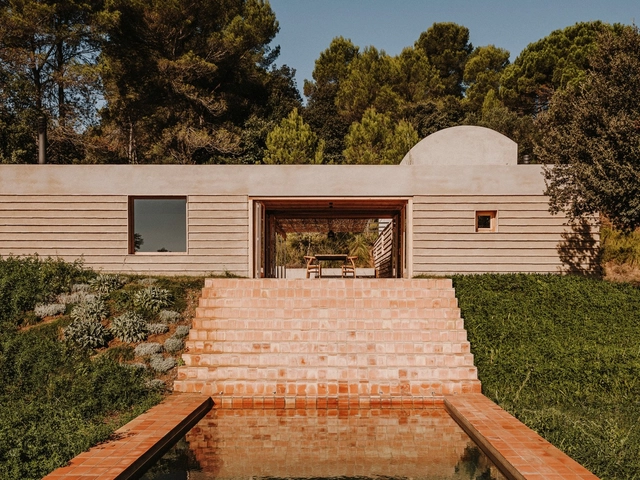
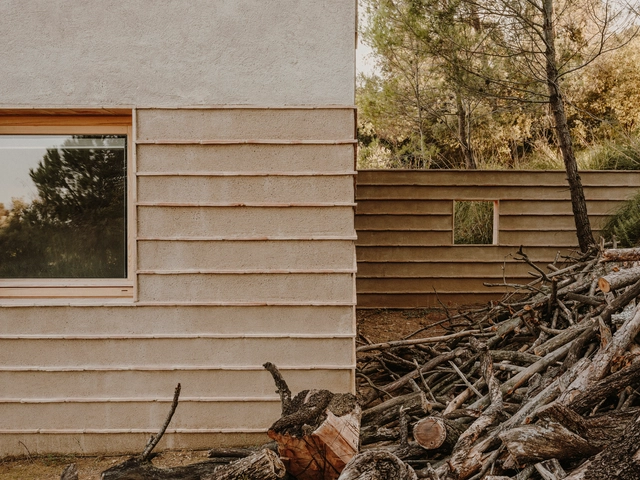
Along with concerns about our environment, new movements, words, concepts, and terms related to these issues constantly emerge, which require us to always remain up to date. The word sustainability itself faced some resistance until it was incorporated into common vocabulary and used widely in the most diverse contexts. Currently, much discussion surrounds the terms circular economy, resilience, the 4 Rs, urban mining, and others. In addition, there are some sustainability-related movements that have been incorporated from activism in other fields, showing the fluidity of such issues. One such initiative is the 0 kilometer materials movement, which has been featured in manifestos and some projects, albeit timidly, in recent times.