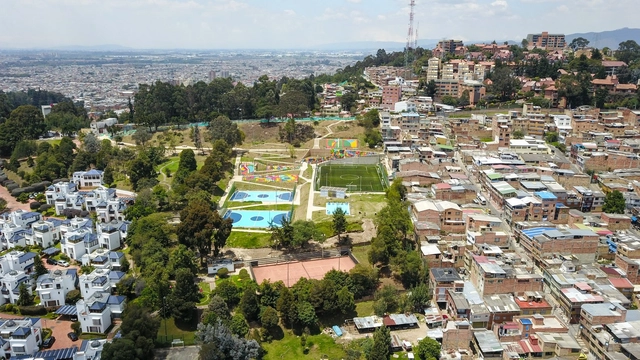
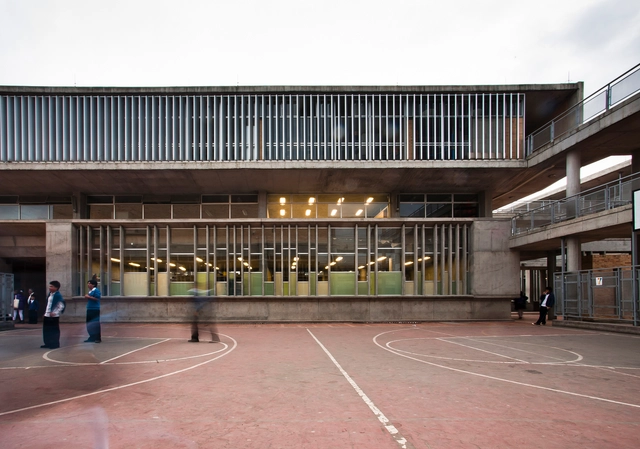
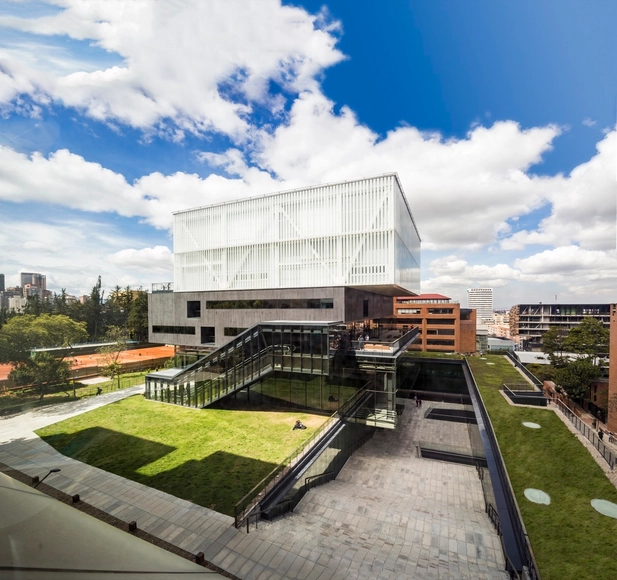
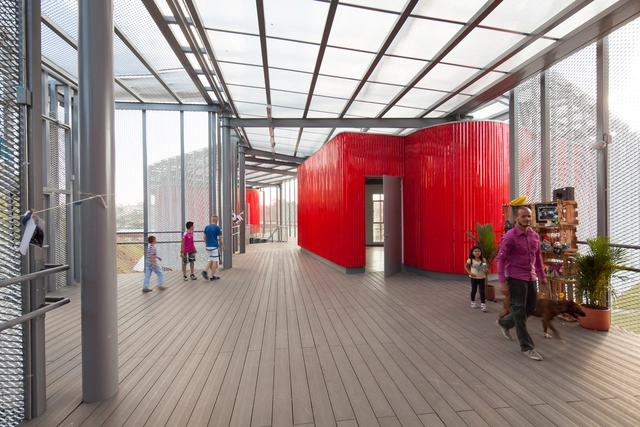
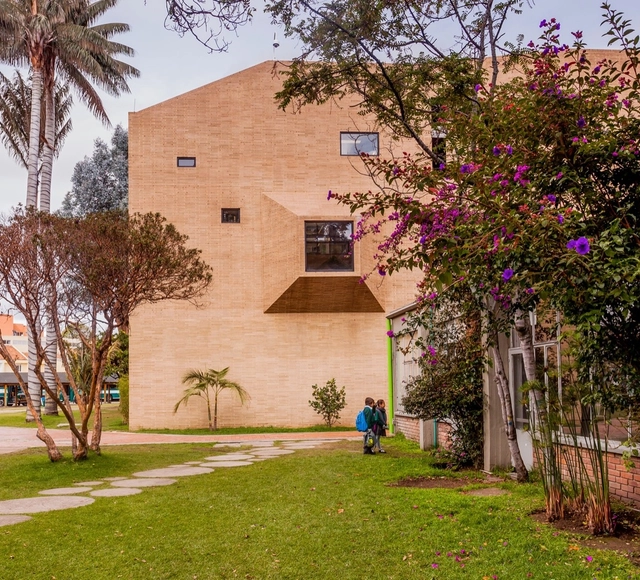
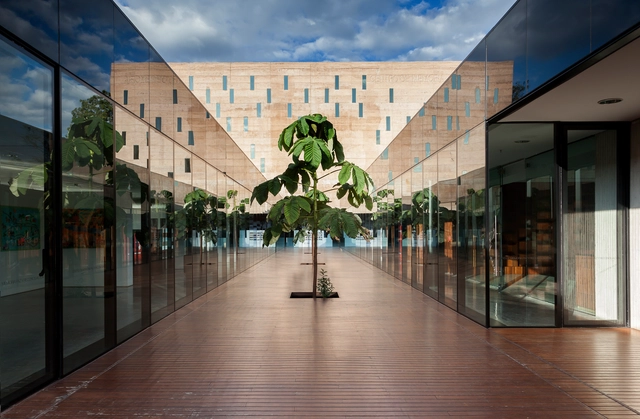
On August 27, 2019, the awards ceremony and academic symposium of the first Bogota Public Space Biennale (BEPBOG) took place. The event was the first of its kind in Latin America and the third worldwide, highlighting the value of public space in the Colombian capital and the importance of recognizing best practices regarding the spaces to which everyone is entitled.
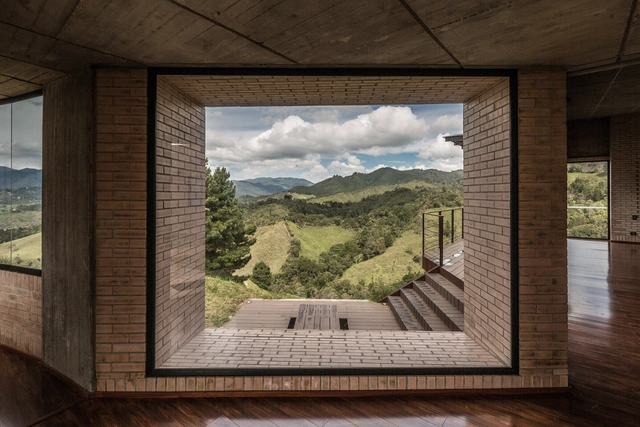
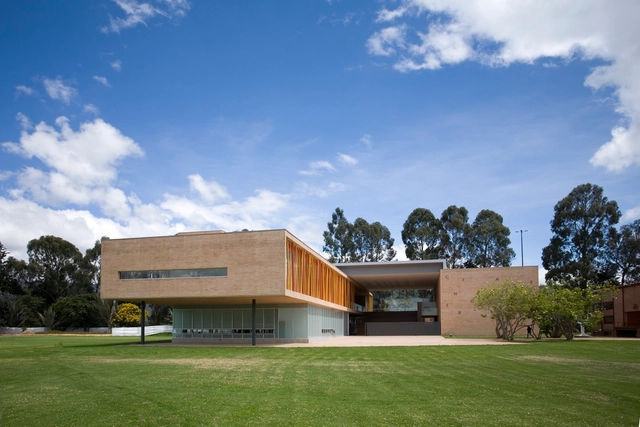
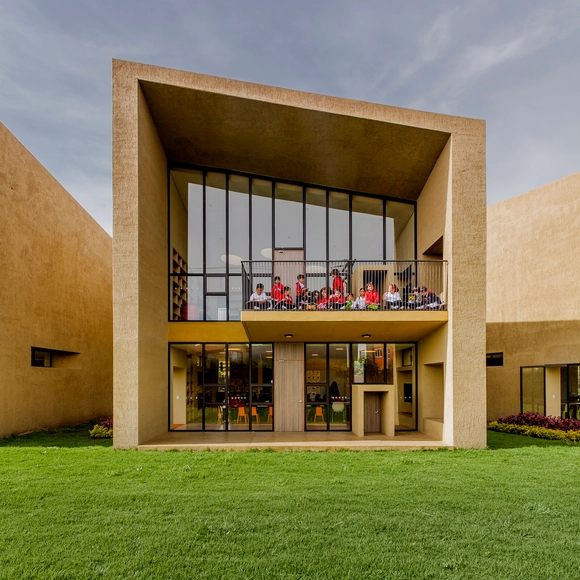
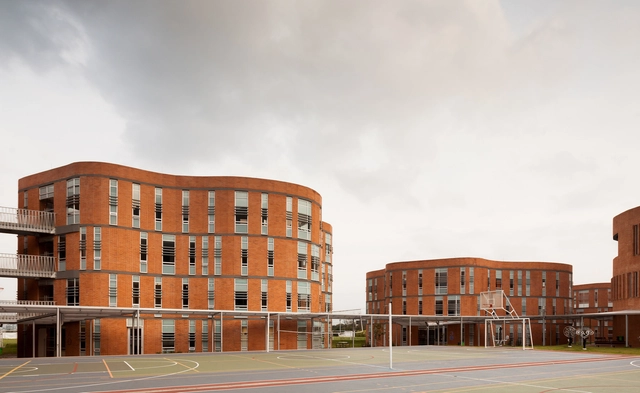
The greats of twentieth-century Colombian architecture were regarded for their genuine interest in brick. To this day, many of Colombia's iconic neighborhoods are filled with brick buildings.
Below, a selection of stunning Colombian brick projects —available in this My ArchDaily public folder as well.
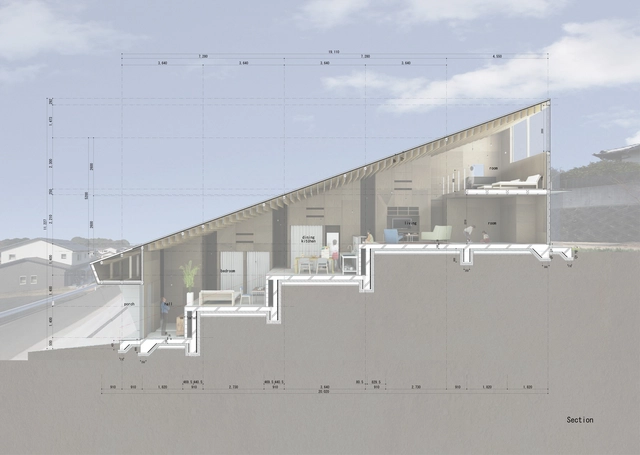
Faced with the challenge of designing homes on terrains with steep slopes - or in compact urban contexts that do not allow much variation in plan - several architects have experimented and proposed split-level homes to enhance the use of space, allowing, among other things, interesting visual perspectives.
These variations can be seen in numerous examples published on our site. Below, we have selected 50 examples that can help you in your next project.
The American Institute of Architects (AIA) has named 178 AIA members to be elevated to its prestigious College of Fellows, an honor awarded to members who have made “a significant contribution to architecture and society and who have achieved a standard of excellence in the profession.”
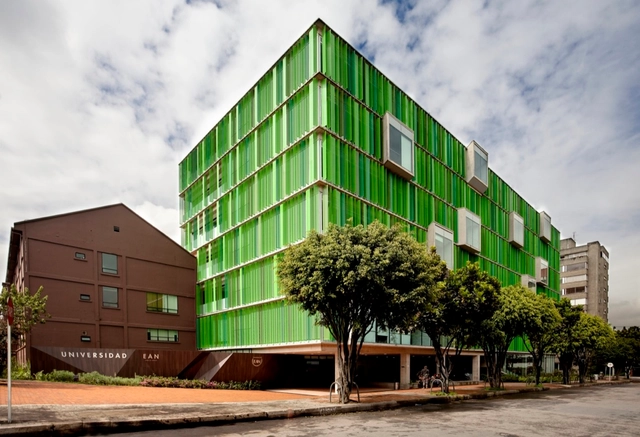
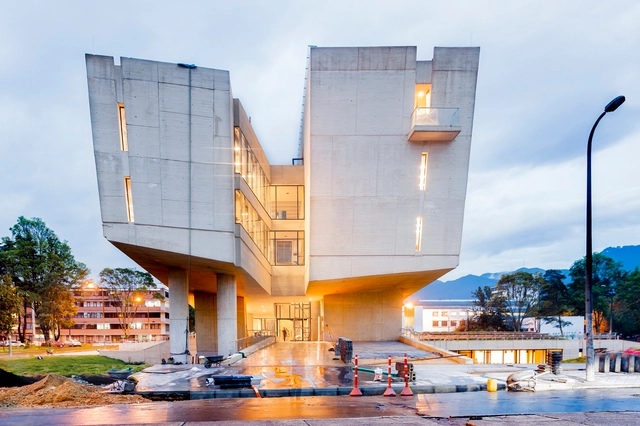
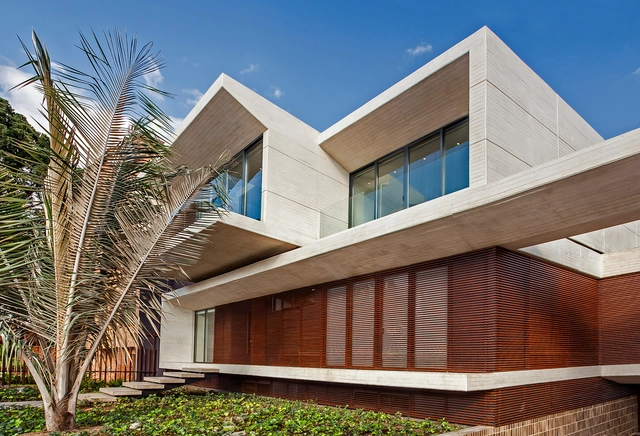
As part of our Architectural Photographers interview series, we spoke with Rodrigo Dávila, an architecture photographer based in Bogotá. When he was a teenager, Dávila inherited a Rolleiflex medium-format camera from his grandfather and never looked back. After working as an architect for two years and taking pictures of landscapes in his free time, Rodrigo moved to Melbourne, Australia to study photography at RMIT University. Back in Colombia, Dávila established a photography business through which he expresses his passion for design, Scandinavian architecture and contemporary buildings.
“Architectural photography works in the opposite way of designing a building. Instead of projecting in order to construct a building, a photographer analyzes the image in order to deconstruct the building and understand the architect’s intention," explained Dávila.