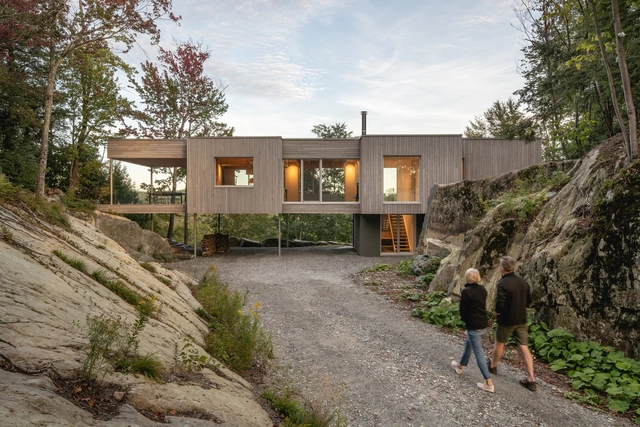
Forest House I / Natalie Dionne Architecture


https://www.archdaily.com/951960/forest-house-i-natalie-dionne-architecturePaula Pintos
Chalet in Oka / Paul Bernier Architecte
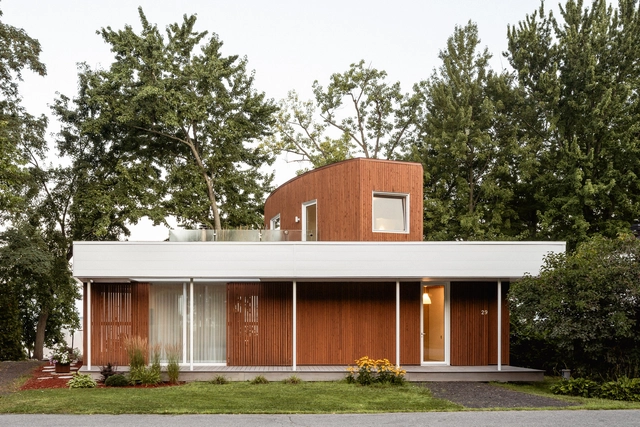


-
Architects: Paul Bernier Architecte
- Year: 2021
-
Professionals: Calculatec
https://www.archdaily.com/972178/chalet-in-oka-paul-bernier-architectePilar Caballero
Sodexo Montréal Offices / Atelier l'Abri + Vives St-Laurent
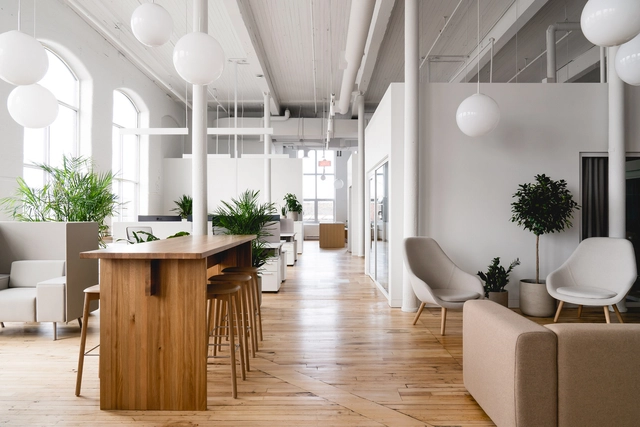


-
Architects: Atelier l'Abri, Vives St-Laurent
- Area: 7000 ft²
- Year: 2020
-
Professionals: Construction Modulor
https://www.archdaily.com/966240/sodexo-montreal-offices-atelier-labri-plus-vives-st-laurentPilar Caballero
Park EX House / Nicholas Francoeur + Joel Lortie
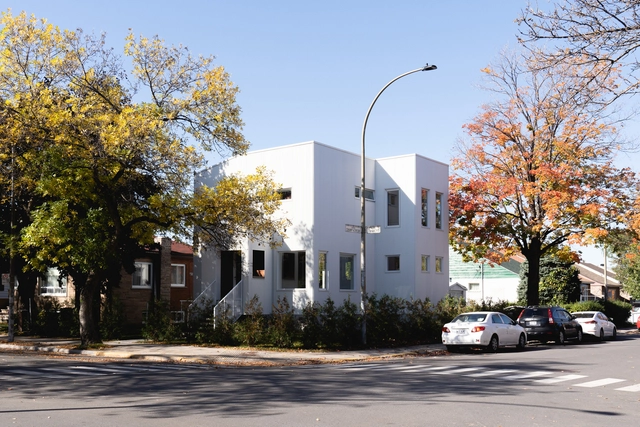


-
Architects: Joel Lortie, Nicholas Francoeur
- Area: 230 m²
- Year: 2020
-
Manufacturers: Adurra, Vicest
https://www.archdaily.com/960954/park-ex-house-nicholas-francoeur-plus-joel-lortiePilar Caballero
Replacing Asphalt Can Build a More Sustainable and Open City
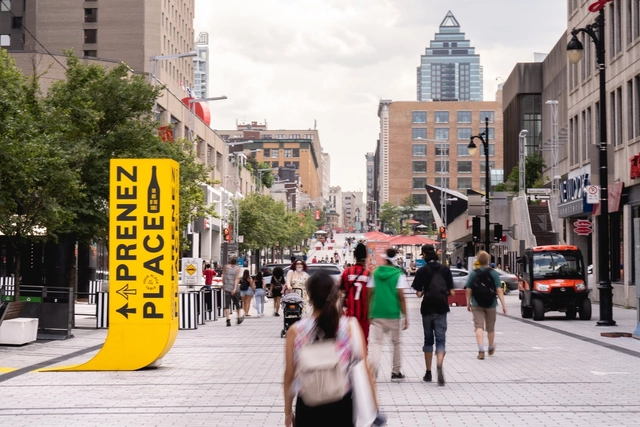
The City Prosperity Index, CPI, set by UN-Habitat, evaluates urban prosperity according to five parameters as productivity, infrastructure development, environmental sustainability, quality of life, and equity/social inclusion. To a greater or lesser extent, these five factors are represented in the street pattern of every city in the world. Streets have multiple functions as the mobility of people and goods, the supply of energy, water, and information, the collection of waste, the growth of trees, plants, insects or birds, the shadow and sun radiation, the bench where to sit, the place to salute and talk with your neighbors, a playground, or the access to the bakery where you buy the bread. In this sense, streets are public and vibrant spaces, which can perform multiple functions and activities.
https://www.archdaily.com/960481/replacing-asphalt-can-build-a-more-sustainable-and-open-cityManuel Perez Romero
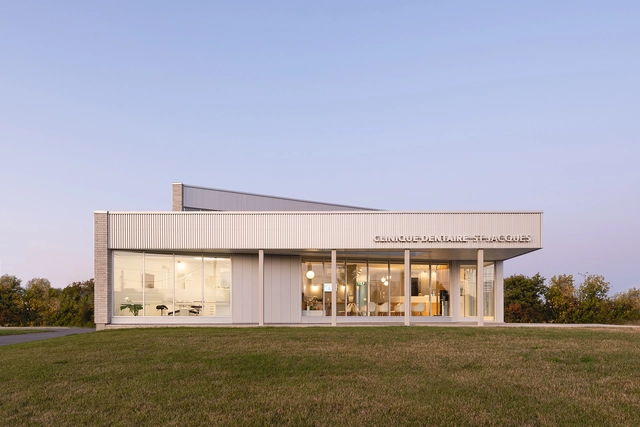
Dental Clinic HT / CARTA. Architecte + Designer


-
Architects: CARTA. Architecte + Designer
- Area: 4500 ft²
- Year: 2019
-
Manufacturers: Dark grey architectural brick, IC lights suspensions, Le corbusier - Dots, Mutina, PR111
https://www.archdaily.com/958981/dental-clinic-ht-carta-architecte-plus-designerValeria Silva
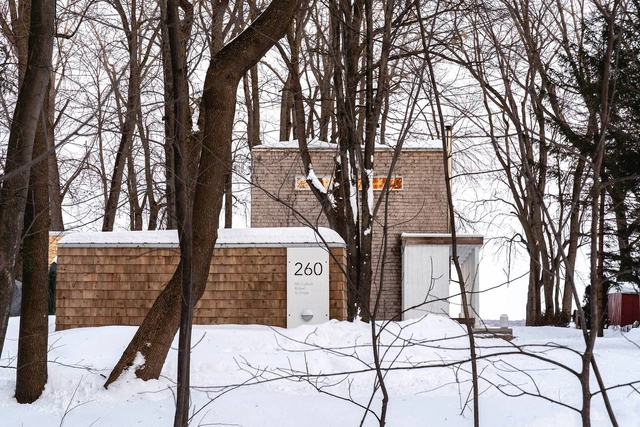
SM Residence / CARTA. Architecte + Designer


-
Architects: CARTA. Architecte + Designer
- Area: 1150 m²
- Year: 2020
-
Manufacturers: Maibec
https://www.archdaily.com/958226/sm-residence-carta-architecte-plus-designerAndreas Luco
Construction and Design Trends of 2021: The Recurring, The Popular, The Relevant and The Substantial
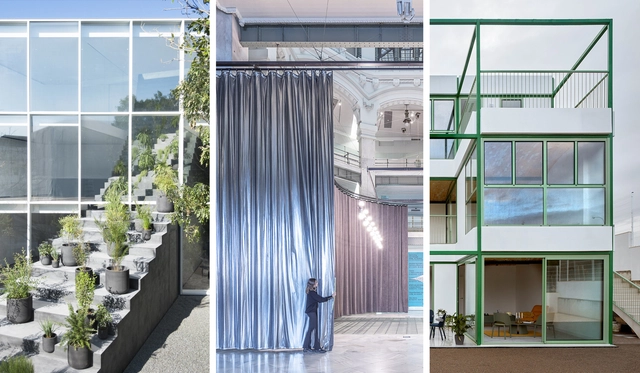
As we look back at the architecture projects we have published in 2020, as part of our yearly review, we were able to distinguish many recurring elements and solutions in terms of materials, programs, and functions.
Since the architecture industry moves slightly slower than others, we found that many things in the construction and design that have been building up these past years have come out making strong statements this 2020. We believe, therefore, that trends in the architecture world could be defined not only by what has been recurrent and popular but also, what has proven to be relevant and substantial.


https://www.archdaily.com/955914/construction-and-design-trends-of-2020-the-recurring-the-popular-the-relevant-and-the-substantialPaula Pintos & Clara Ott
Pantone’s Color of the Year 2021: Yellow and Grey in Architecture
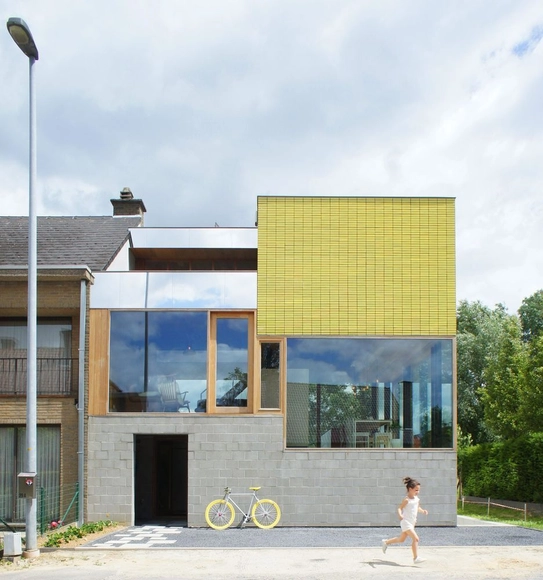
On December 9, Pantone announced its color(s) of the year for 2021: PANTONE 17-5104 Ultimate Gray and PANTONE 13-0647 Illuminating. Selecting two colors for only the second time in 22 years, Pantone described the chosen yellow and gray as independent but complementary, representing a theme of unity and mutual support. Whereas PANTONE 13-0647 Illuminating is bright and vivacious, PANTONE 17-5104 Ultimate Gray is firm and dependable, the marriage of which represents strength, optimism, and fortitude following a markedly challenging year. In architecture, this palette combining playfulness and solemnity has been used in social spaces, domestic spaces, care spaces, and more to communicate similar themes of resilience and positivity.
Below are 14 examples of projects using Pantone’s 2021 colors of the year.
https://www.archdaily.com/953768/pantones-color-of-the-year-2021-yellow-and-grey-in-architectureLilly Cao
How Has Public Space Changed in 2020?
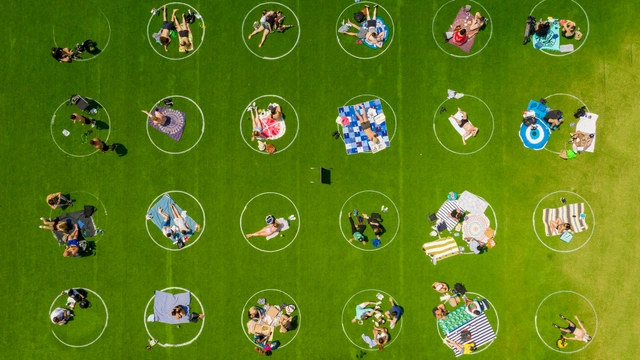
The pandemic provided a unique circumstance for city-scale experiments regarding mobility, while immediate responses showed the transformative power of tactical urbanism. In many cities, the measures meant to ensure social distancing are to be kept in place post-pandemic, paving the path towards recovery with less traffic and more outdoor activities. How did the pressure of rethinking streets, functions, and transportation systems transform public space in 2020?


https://www.archdaily.com/953517/how-has-public-space-changed-in-2020Andreea Cutieru
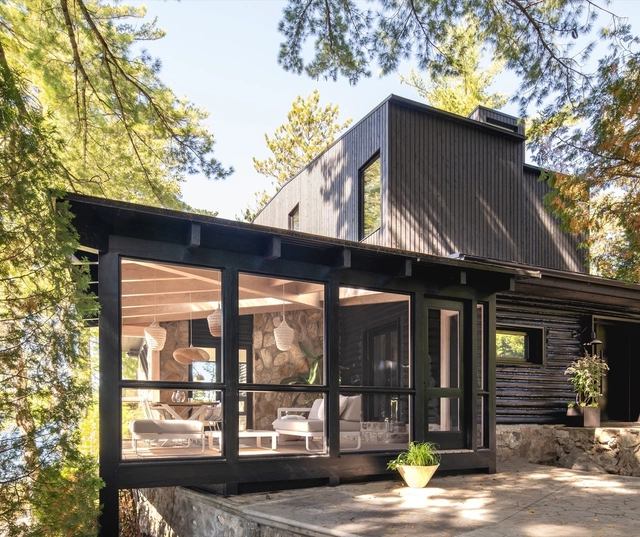
Cottage on the Point / Paul Bernier Architecte


-
Architects: Paul Bernier Architecte
- Area: 2700 ft²
- Year: 2020
-
Manufacturers: Focus, Alumico, Atelier Du Bois David Gilbert
-
Professionals: Alain Mousseau Calculatec, Construction Léonal Goyette
https://www.archdaily.com/953107/cottage-on-the-point-paul-bernier-architectePilar Caballero
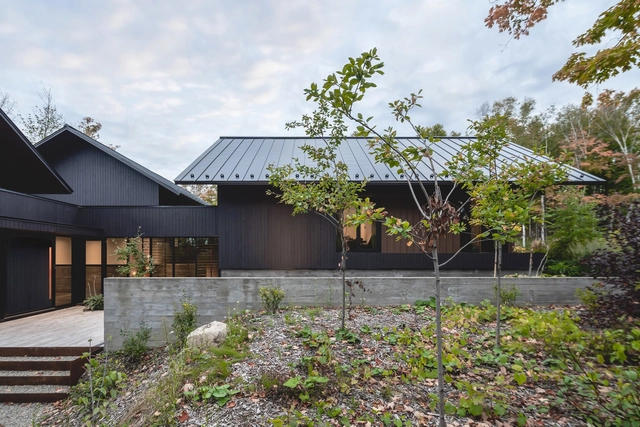
Koya House / Atelier Carle


-
Architects: Atelier Carle
- Area: 696 m²
- Year: 2019
-
Manufacturers: Alumilex
https://www.archdaily.com/952690/koya-house-alain-carle-architectePaula Pintos
Baie Yelle House / L'Abri
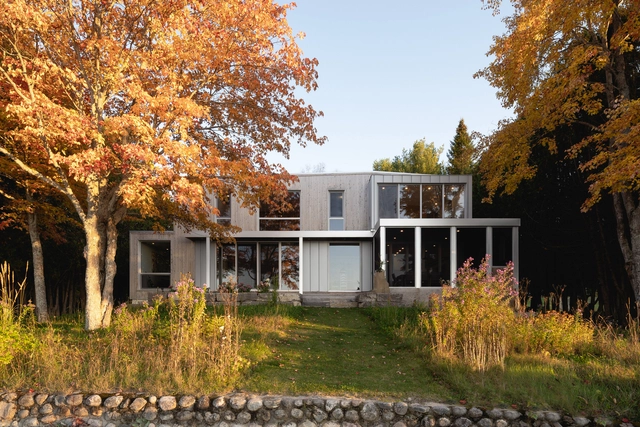


https://www.archdaily.com/949167/baie-yelle-house-atelier-labriAndreas Luco
Urban Acupuncture: Regenerating Public Space Through Hyper-Local Interventions
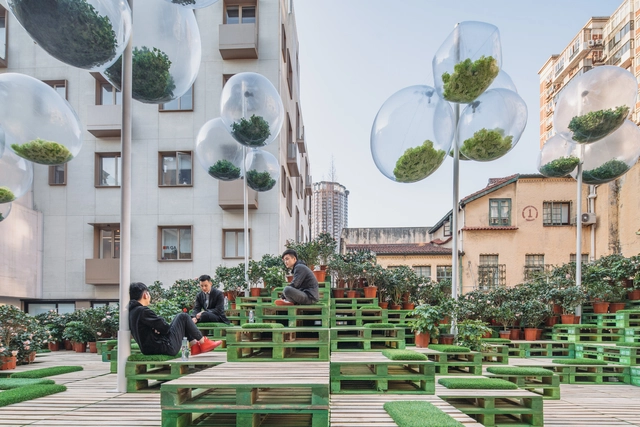
Urban acupuncture is a design tactic promoting urban regeneration at a local level, supporting the idea that interventions in public space don’t need to be ample and expensive to have a transformative impact. An alternative to conventional development processes, urban acupuncture represents an adaptable framework for urban renewal, where highly focused and targeted initiatives help regenerate neglected spaces, incrementally deploy urban strategies, or consolidate the social infrastructure of a city.


https://www.archdaily.com/948304/urban-acupuncture-regenerating-public-space-through-hyper-local-interventionsAndreea Cutieru
TULIP – Your place at the table / ADHOC architectes


-
Architects: ADHOC architectes
- Area: 3260 m²
- Year: 2020
-
Manufacturers: Chaos Group, Enscape, McNeel
https://www.archdaily.com/947544/tulip-nil-your-place-at-the-table-adhoc-architectesAndreas Luco
Poisson Blanc Chalet / naturehumaine architecture
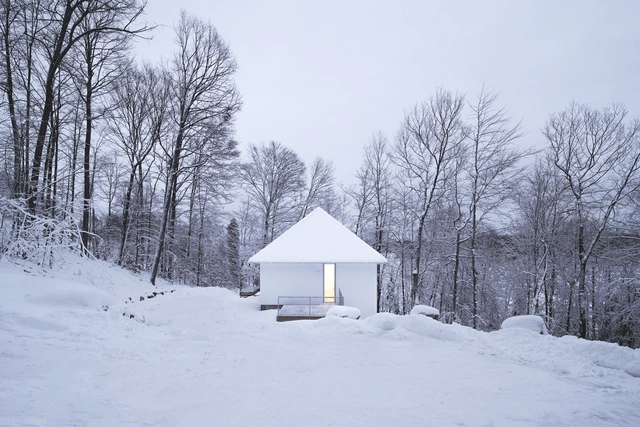


-
Architects: naturehumaine architecture
- Area: 1200 ft²
- Year: 2019
-
Manufacturers: Benjamin Moore, Ceragres, JØTUL, Mac, Maibec, +2
https://www.archdaily.com/937538/poisson-blanc-chalet-naturehumainePaula Pintos
Brick House / Natalie Dionne Architecture
.jpg?1583165549&format=webp&width=640&height=580)
.jpg?1583165324&format=webp&width=230&height=230&crop=true)
.jpg?1583165296&format=webp&width=230&height=230&crop=true)
.jpg?1583165485&format=webp&width=230&height=230&crop=true)
.jpg?1583165576&format=webp&width=230&height=230&crop=true)
.jpg?1583165549)
-
Architects: Natalie Dionne Architecture
- Area: 172 m²
- Year: 2019
-
Manufacturers: Ceragres, Lambert & fils, Solū Custom Hardwood
-
Professionals: Donald Arsenault ingénieur conseil
https://www.archdaily.com/934746/brick-house-natalie-dionne-architecturePaula Pintos
Maison Perchée / Natalie Dionne Architecture
.jpg?1583027759&format=webp&width=640&height=580)
.jpg?1583027567&format=webp&width=230&height=230&crop=true)
.jpg?1583027431&format=webp&width=230&height=230&crop=true)
.jpg?1583027461&format=webp&width=230&height=230&crop=true)
.jpg?1583027733&format=webp&width=230&height=230&crop=true)
.jpg?1583027759)
-
Architects: Natalie Dionne Architecture
- Area: 175 m²
- Year: 2019
-
Manufacturers: Shalwin
https://www.archdaily.com/934657/maison-perchee-natalie-dionne-architecturePaula Pintos