

-
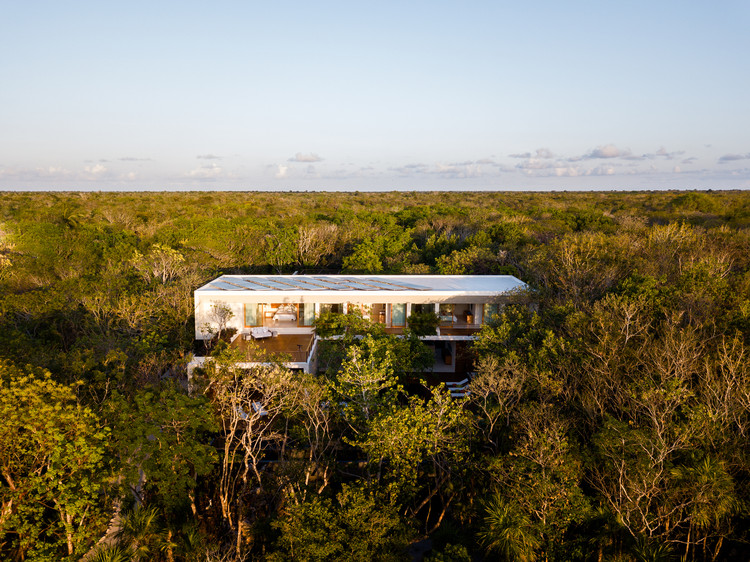
Architects: ASP Arquitectura Sergio Portillo
- Area: 517 m²
- Year: 2016

The Royal Academy has revealed the shortlist for their annual prize recognizing young talent in architecture, the Dorfman Award. The award is given to those "...reimagining the future of architecture and whose work demonstrates a high degree of sensitivity to local and global context." The 2019 shortlist comprises four emerging architects practicing across the globe.
This year's shortlisted designers/practices are: Fernanda Canales (Mexico), Alice Casey and Cian Duggan of TAKA Architects (Ireland), Mariam Kamara of Atelier Masomi (Niger), and Boonserm Premthada of Bangkok Project Studio (Thailand.) The jury for this year's prize included chair Alan Stanton, Louisa Hutton, Phyllida Barlow, Kirsty Wark, Lesley Lokko, and Richard Burdett. The winner will be announced later this year.
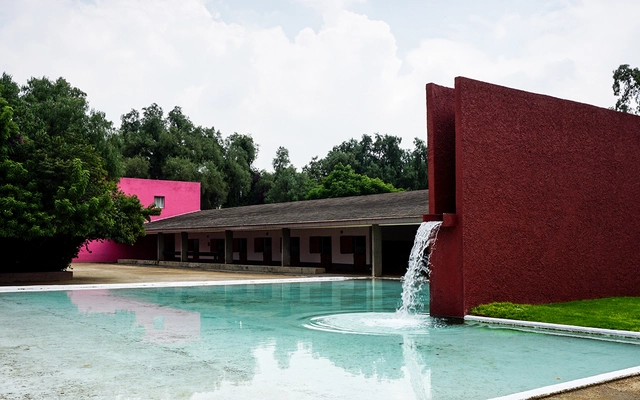
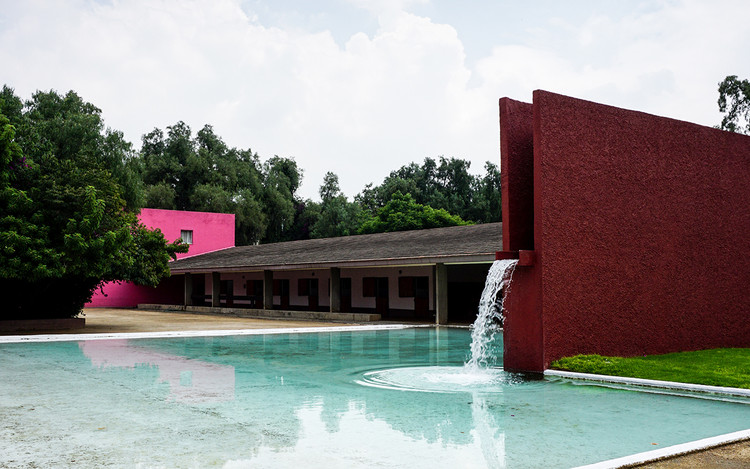
On November 22, 1988, one of the most important and revered figures in the history of Mexican and international architecture died in Mexico City. Luis Barragán Morfín, born in Guadalajara and trained as a civil engineer left behind an extensive legacy of published works, conferences, buildings, houses, and gardens that remain relevant to this day. While Barragán was known for his far-reaching research in customs and traditions, above all, the architect spent his life in contemplation. His sensitivity to the world and continued effort to rewrite the mundane has made him a lasting figure in Mexico, and the world.
Undoubtedly, Luis Barragán's legacy represents something so complex and timeless that it continues to inspire and surprise architects across generations. It is because of this that, 30 years after his death, we've compiled this series of testimonies from some of Mexico's most prominent contemporary architects, allowing them to reflect on their favorites of Barragan's works and share just how his work has impacted and inspired theirs.
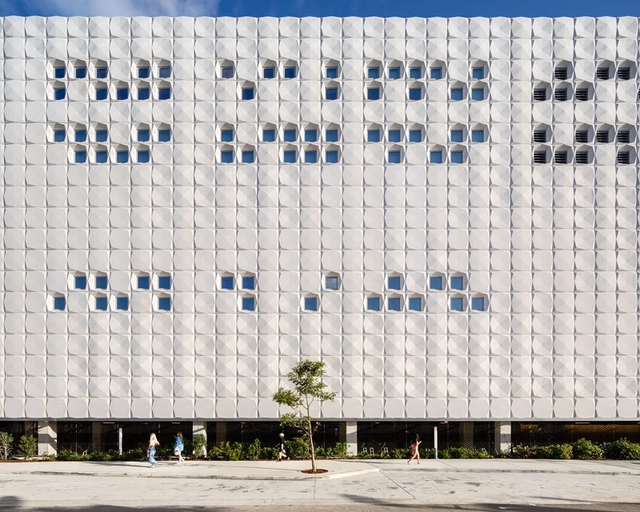

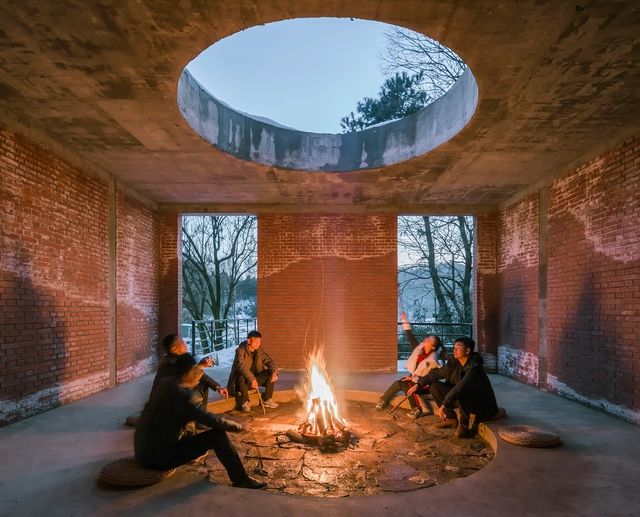
From the beginning of time, human beings have gathered around the fire. The first settlements and huts included in their interior a small bonfire to cook and maintain the heat of its inhabitants. This tradition has continued to the present, and chimneys and fireplaces have developed into the most varied designs and forms, providing possibilities both inside and outside a home.
To give you ideas for materials, structures, and spatial configurations, we present 35 remarkable meeting places around the fire.
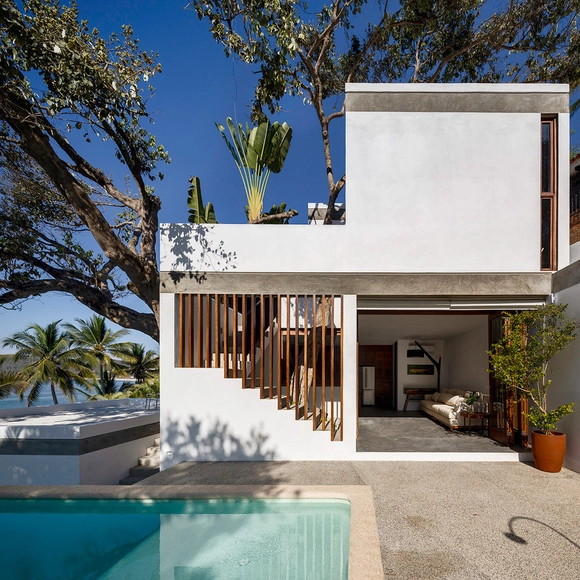
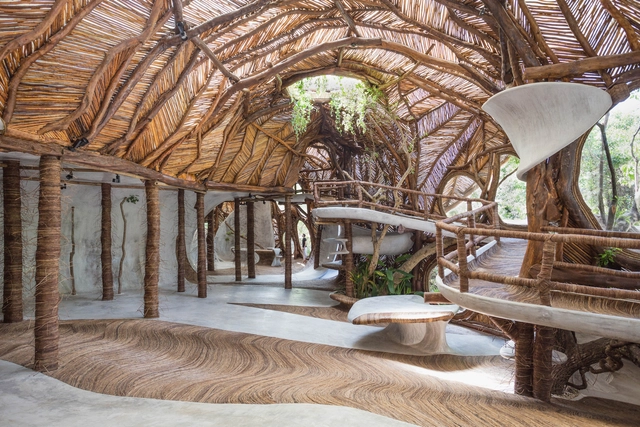
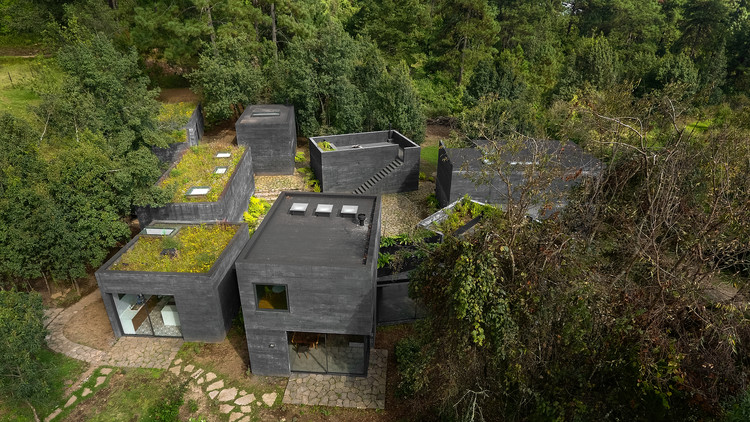
Wood has been an indispensable material in the history of civilization. Different regions from around the world have used it for specific climatic conditions. Mexico, as we have mentioned on several occasions, is an extensive country where different climates, resources and ways of life fit. Therefore the application of wood in architecture has been developed in a number of ways, from its structural use to produce roofs for Mayan huts to projects that seek to revive vernacular architecture.
While the handling of this material is difficult due to its specific detail management, it presents a multitude of benefits from its aesthetic appeal, air circulation, and even smell. Take a look at 16 Mexican projects that use wood in wondrous ways.
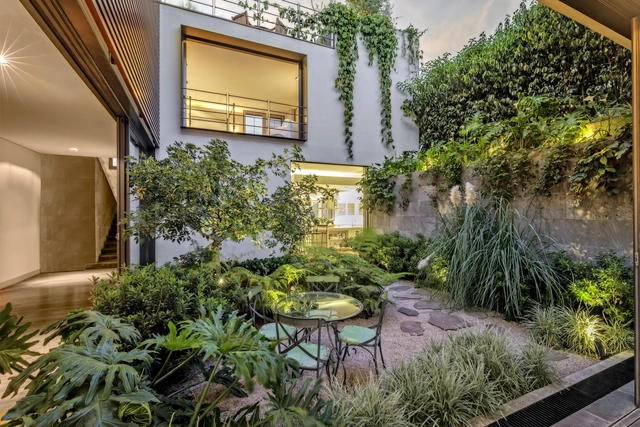
One of the most important factors to consider when designing is the climate of the site. This can create difficulties when it comes to extreme climates and it is necessary to use insulation materials that adapt to changing conditions. However, when discussing Mexico and its specific climate, this can be an opportunity for architects to create microclimates and spaces that blur the transition of interiors and exteriors.
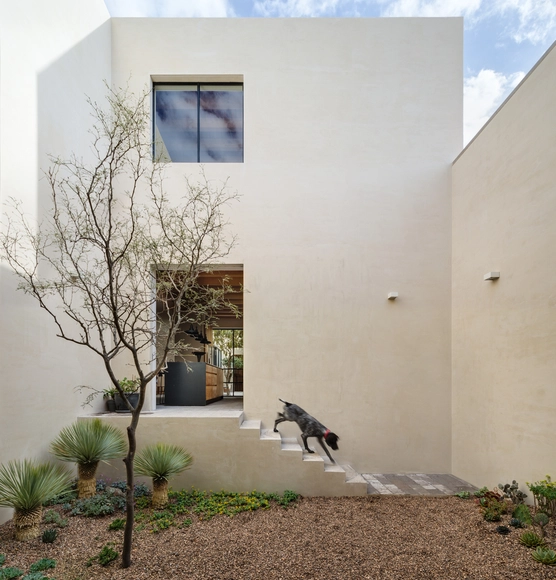
Patios have become a traditional element of design. They create interesting psychological effects that fuse the conception of the interior and exterior, the common and private. It is a way to bring sunlight and rain into the house, to open up paths and coexistences that do not occur in interiors. Below, a selection of projects in Mexico that use the patio as the main design resource.
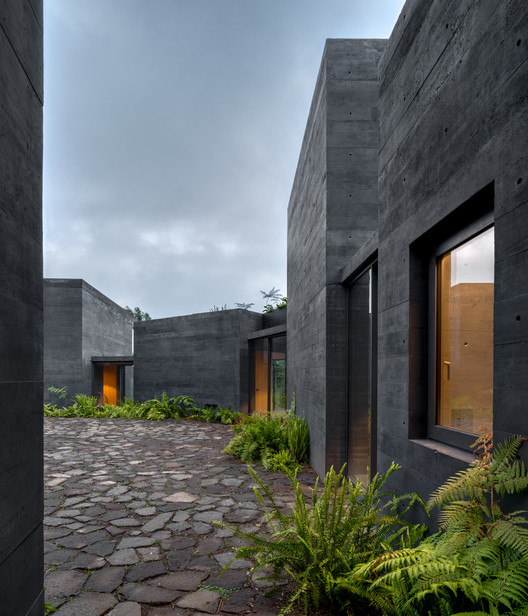
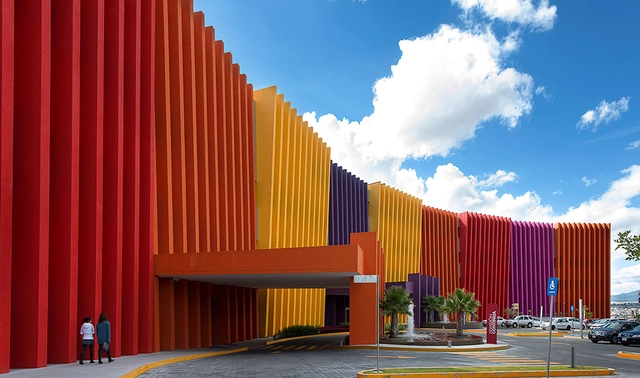
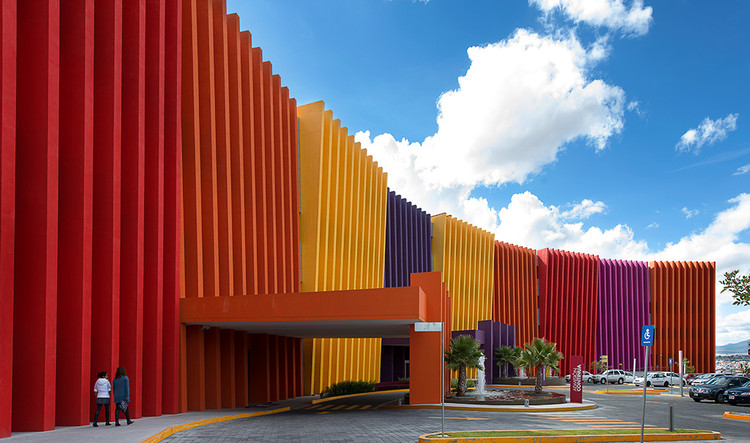
Color, inherited from indigenous cultures of Mexico, is a defining characteristic of Mexican architecture. Vibrant colors have been used by architects and artists such as Luis Barragán, Ricardo Legorreta, Mathias Goeritz, Juan O'Gorman, and Mario Pani.
Color in Mexican architecture has reinforced the identity of different regions and areas within the country. For example, it is almost impossible to think of San Miguel de Allende or Guanajuato without the facade colors that weave the landscape.
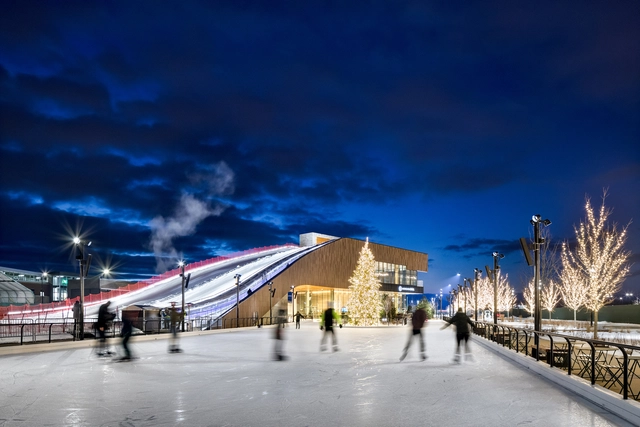

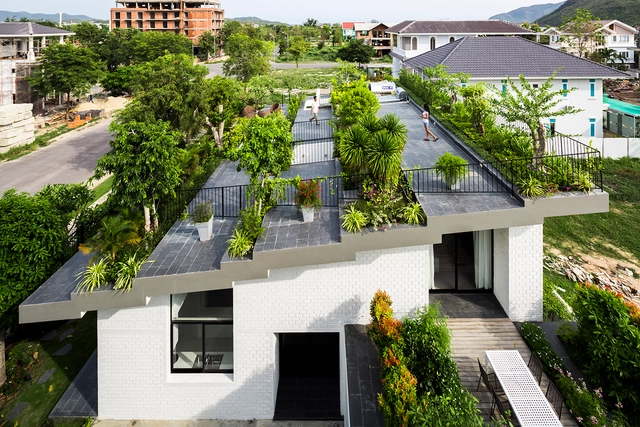
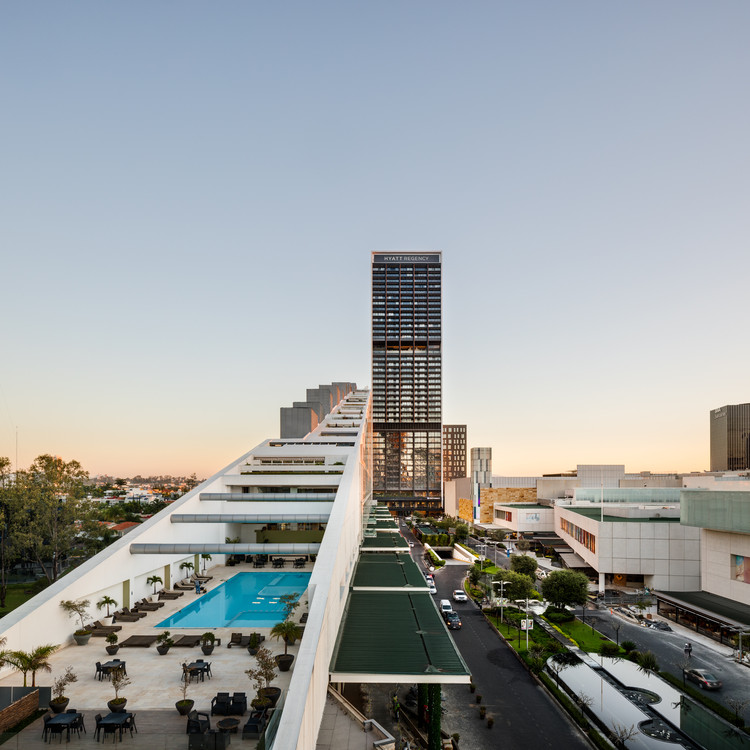
This week, we present a selection of 11 of the best images of rooftop spaces. These spaces, usually terraces conceived for the enjoyment of views and fresh air, can often be the most important element of a design. Some of these rooftops surprise us with wonderful gardens, others with impressive pools, and others even with fun games for children. Below is a selection of images from prominent photographers such as Nico Arellano, Hiroyuki Oki, and Amit Geron.