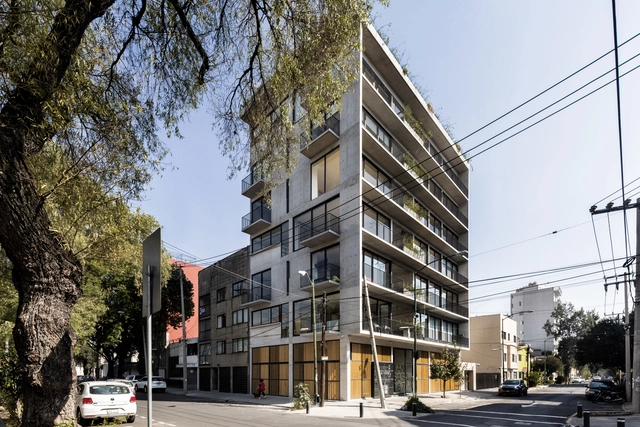
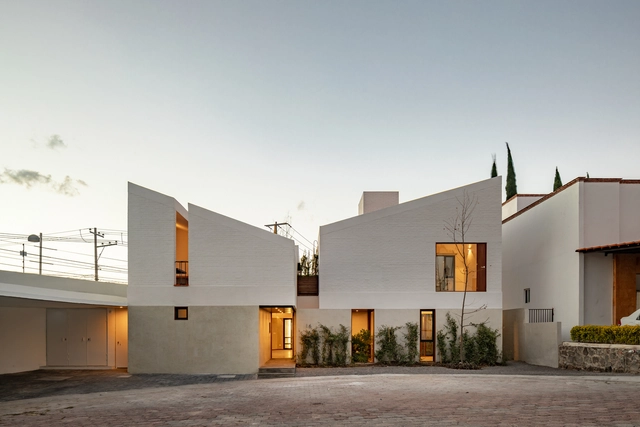
Tulum is a region located in southeastern Mexico, within the geographic boundaries of the state of Quintana Roo. Situated along the Caribbean coast, it forms part of the Riviera Maya. Historically, Tulum was a walled city, which is the origin of its name—meaning "wall" in Mayan, a term coined when the settlement was already in ruins.
In Yucatan, architects are reviving an ancient Mayan stucco technique for contemporary buildings, merging modern architecture with regional history and culture. The technique is called “chukum,” a term derived from the colloquial name for the Havardia albicans tree native to Mexico. Made with chukum tree bark, the material has several defining qualities that separate it from traditional stucco, including impermeable properties and a natural earthy color. Though chukum initially fell out of use following Spanish conquest of the Maya civilization, it was rediscovered and reemployed by Salvador Reyes Rios of the architecture firm Reyes Rios + Larrain Arquitectos in the late 1990’s, initiating a resurgence of use in the area.
https://www.archdaily.com/946291/the-rustic-beauty-of-the-chukum-in-modern-mexican-architectureLilly Cao
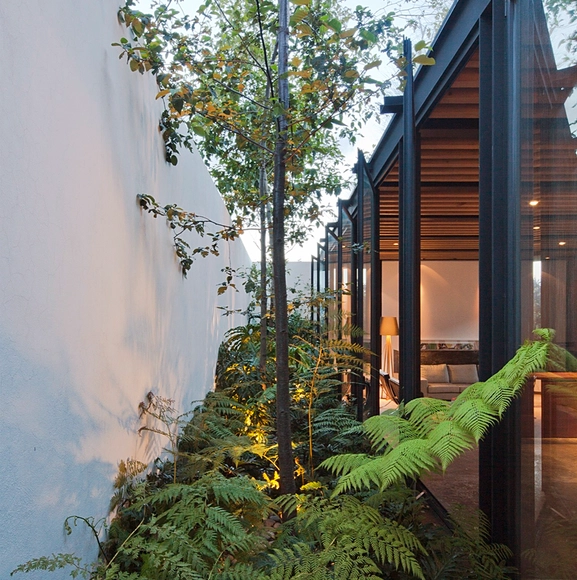
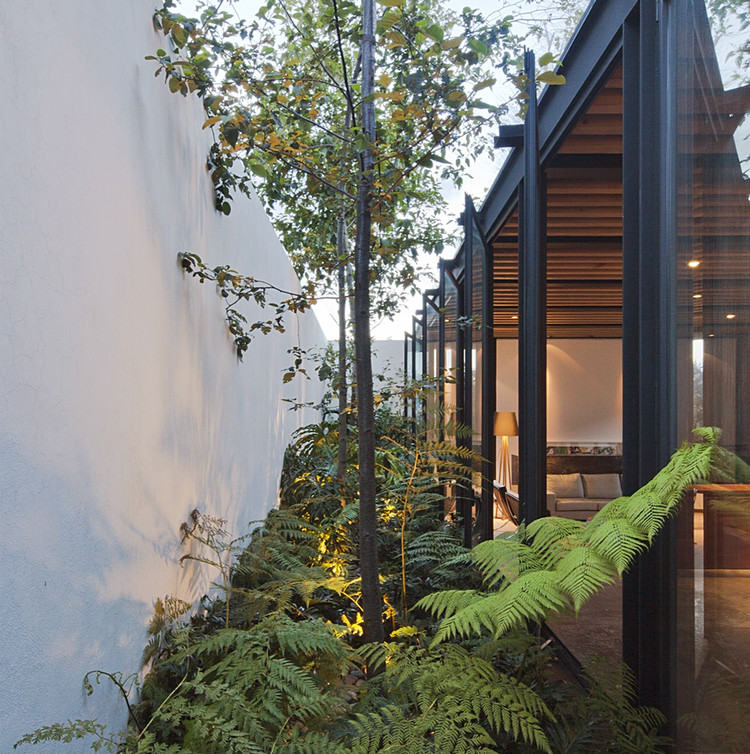
Patios and gardens play a crucial role in a project's planning and layout. In some instances, they serve as organizing elements while in others, they improve the quality of life in a space by providing light, ventilation, and a connection to the outdoors while maintaining the privacy of the inhabitants.
The Mexican state of Oaxaca is one of the most visited destinations in the country, drawing travelers from around the globe with its rich culinary, cultural, and architectural heritage. Located in the southeastern region of the country, it spans 93,757 km² and is divided into 570 municipalities, making it the fifth-largest state in Mexico.
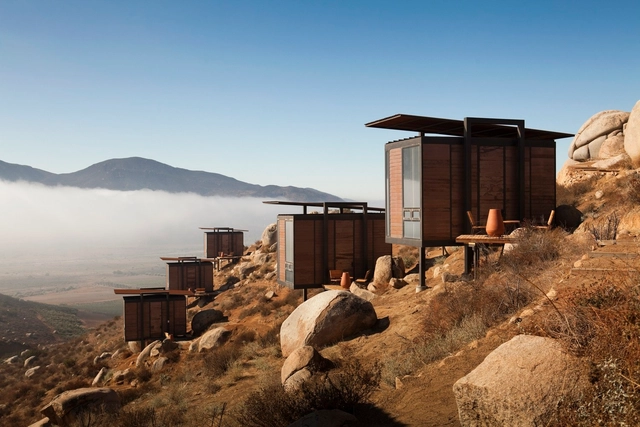
Located in the country's northwestern region, the state of Baja California Norte borders California (in the United States), Sonora, and Baja California Sur (in Mexico). Along with Baja California Sur, these are the only two Mexican states flanked by the Pacific Ocean to the west and the Sea of Cortez to the east, harboring some of the most breathtaking landscapes and coastlines in the country.
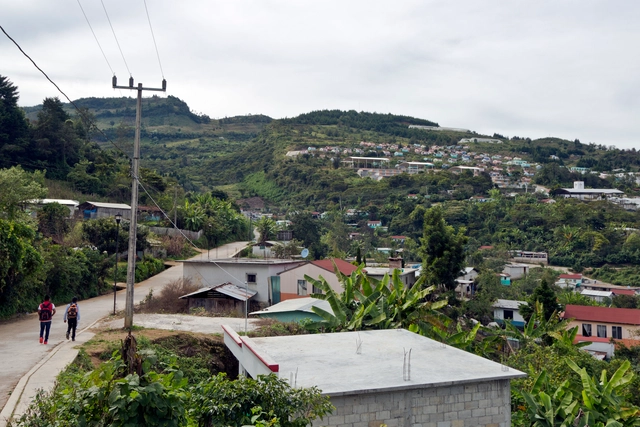
Between virtual panel discussions and tweets sparking debate on housing and its role during the pandemic, addressing this issue in Mexico is as complex as the country's history and as vast as its territory. The article What About the Right to Adequate Housing in Mexico?offered an overview of the laws governing Mexico City and urban conditions. But what about housing in rural areas?
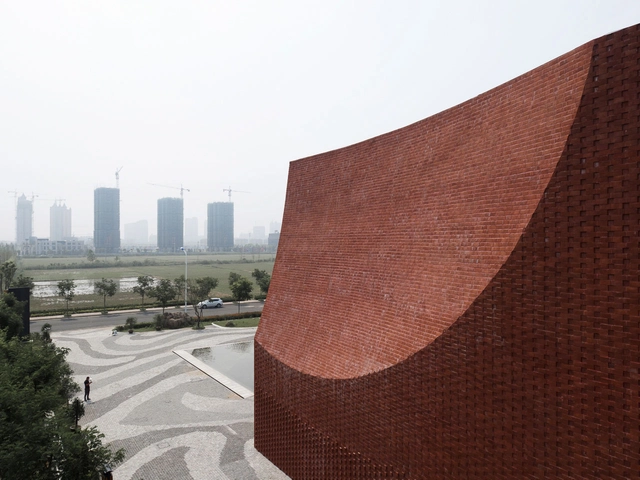
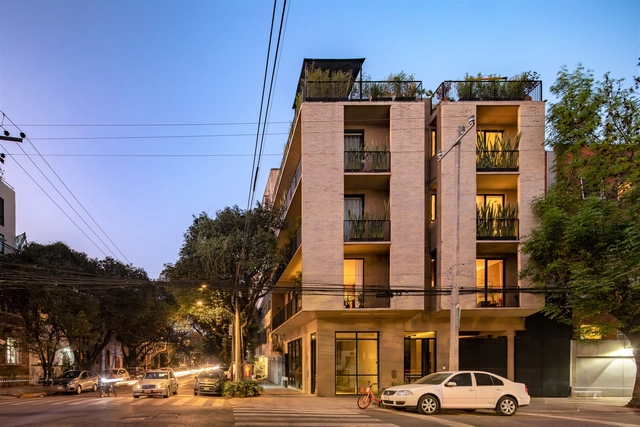
Brick is one of the most popular materials for architects designing with a vintage or rustic aesthetic: exposed brick walls are often touted as highly desirable for apartments, restaurants, and stores, and exterior brick facades can make a building or home feel warmer and more inviting. However, the color and cut of the brick can greatly influence the atmosphere it emanates, with white brick lending itself to more minimalist design and tan brick tending to feel more rustic and earthy. In this article, we will explore some of the most popular brick colors, ways to artificially color brick, and recent projects that use brick facades or interior brick elements effectively.
https://www.archdaily.com/944493/the-colors-of-brickLilly Cao
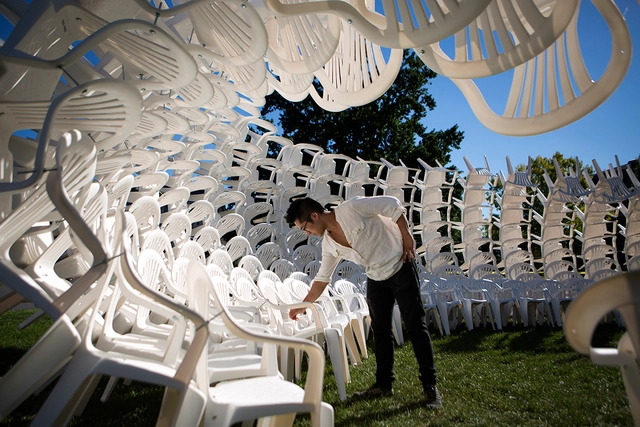
As seen throughout architectural history, ephemeral installations and pavilions are key elements for addressing specific architectural moments and social manifestations in an almost immediate way. While some pavilions have proven so significant that they transcended their temporary nature to become permanent, exemplary expressions of a historical moment—such as the Barcelona Pavilion, designed by Ludwig Mies van der Rohe and Lilly Reich for the Barcelona International Exposition in Montjuïc—others remain documented in photographs, plans, and experiences, to be rewritten in future projects.
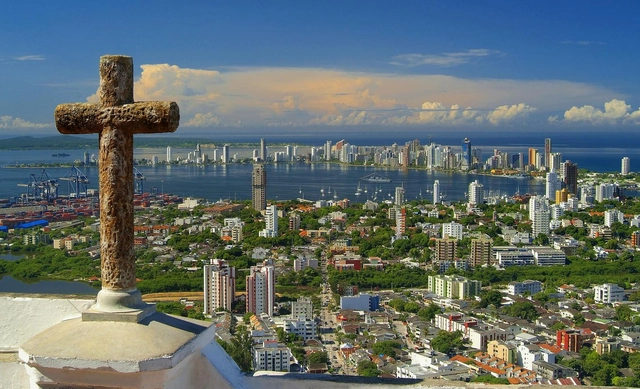
July 20th marks the date when Colombia celebrates its independence from Spanish rule. Two centuries later, the very idea of independence remains debatable. Although the Colombian republic is constitutionally independent, colonial legacies continue to structurally dominate society today.
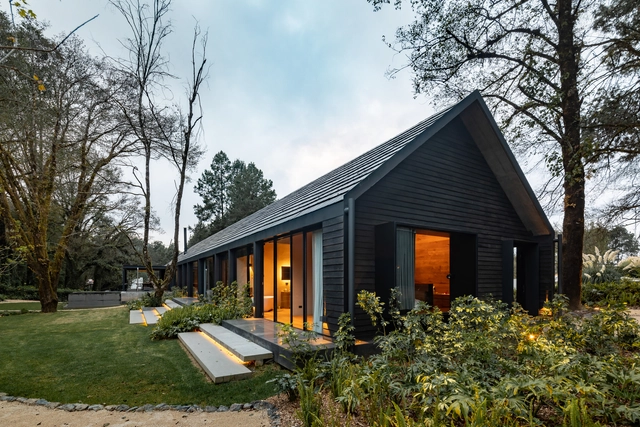
One of the most critical factors in architectural design is the site's specific climate. While this can present challenges in extreme conditions—requiring insulating materials to adapt to shifting environments—Mexico's privileged climate works in the architects' favor. It allows them to create microclimates and spaces that blur the boundary between indoors and outdoors.
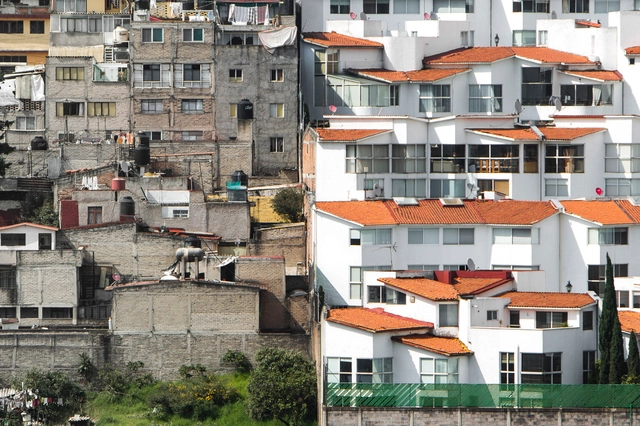
On June 17, Mexico's Supreme Court of Justice of the Nation (SCJN) issued a landmark ruling ordering the National Institute of Statistics and Geography (INEGI) to generate disaggregated statistical data on populations in informal or precarious settlements across the country. This resolution brings to the forefront the discussion on the role that judges can and should play when making decisions that directly impact urban planning, land management, our cities, and our housing.
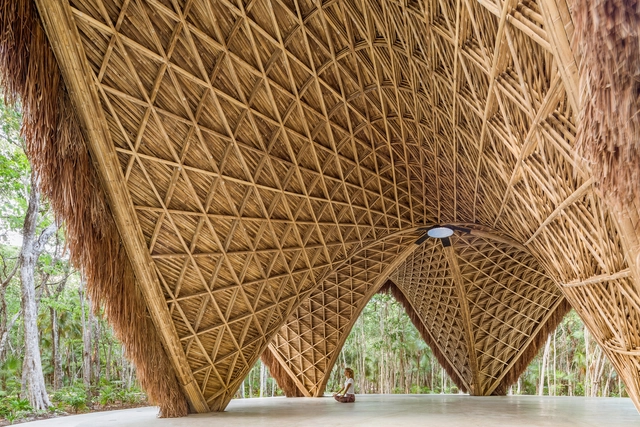


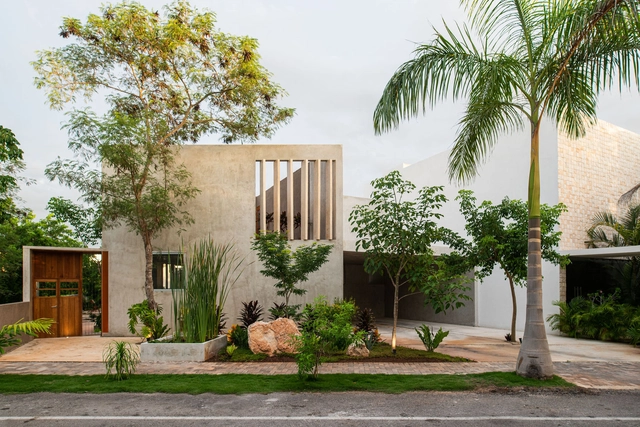




.jpg?1597424114&format=webp&width=640&height=580)


.jpg?1597424114)


.jpg?1596823999&format=webp&width=230&height=230&crop=true)


.jpg?1596824644&format=webp&width=230&height=230&crop=true)









.jpg?1595384588&format=webp&width=230&height=230&crop=true)






.jpg?1594917129&format=webp&width=230&height=230&crop=true)







.jpg?1593472562&format=webp&width=230&height=230&crop=true)
.jpg?1593472682&format=webp&width=230&height=230&crop=true)