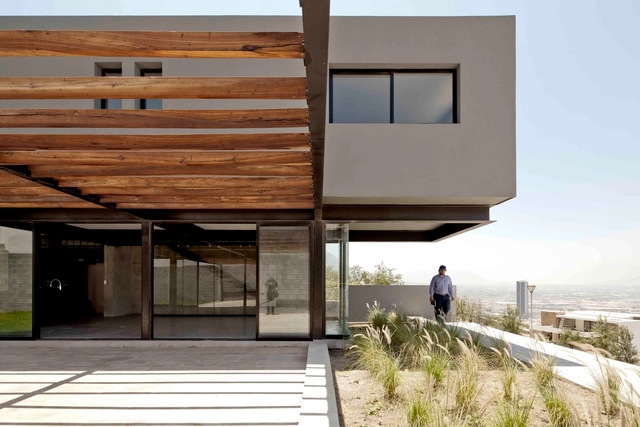
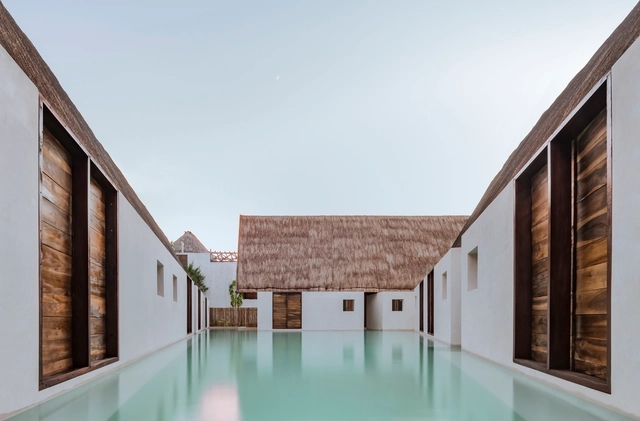
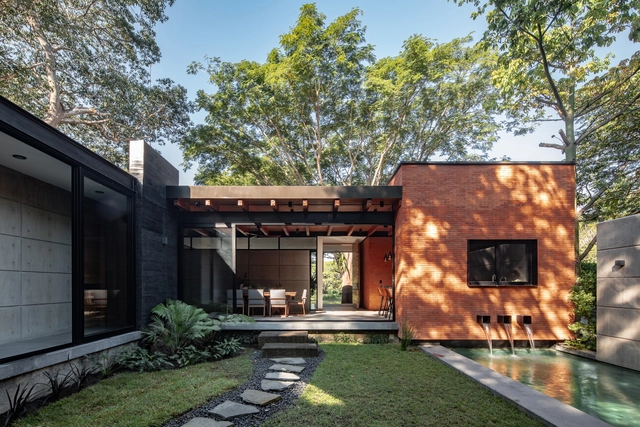
This article on housing in Mexico aims to understand the city we have experienced. The guidance of specialists was crucial to grasping some of its complexity. Special thanks to Josefina McGregor, Andrés Sañudo, and Rosalba Loyde for sharing their knowledge for the realization of this article.
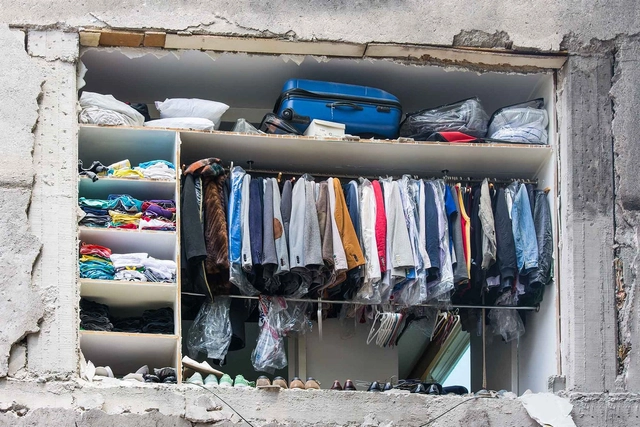
When lockdown reached Mexico in March due to COVID-19, the hashtag #YoMeQuedoEnCasa became more relevant than ever. Yet, as the days passed, the slogan was replaced by #ParaQuedarseEnCasaHayQueTenerUna after several media outlets and citizen collectives denounced the attempted eviction of an elderly person from their apartment in the Trevi Building in the middle of quarantine. These evictions have occurred gradually, such as that of reporter Carlos Acuña in August 2019.
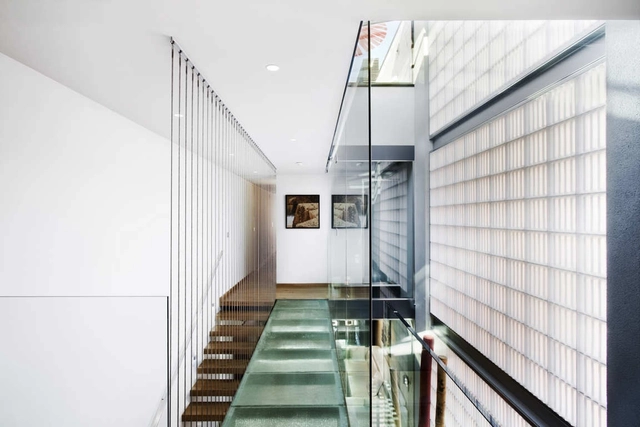
In 1977, a New York Times article by Carter B. Horsley proclaimed that “Glamorous Glass Bricks Are Booming:” once a “less than first-class” material, it was beginning to gain acceptance among architects in residential and restaurant projects for its translucence, privacy, visual interest, and sense of order. However, following the industry’s brief but widespread use of glass bricks, many now associate the material with outdated 80’s architectural styles, an aesthetic that few seem interested in reviving. Yet pioneering contemporary architects have begun using this unique material in new and distinctly modern ways, whether for sleek and minimalist bathrooms, industrial bars and restaurants, vintage residential windows, or even experimental urban facades. As Horsley stated, it appears that glamorous glass bricks are booming – again.
https://www.archdaily.com/941686/glamorous-glass-bricks-are-booming-nil-againLilly Cao
Traditional architecture is based on a complex understanding of dwelling, the collective production and transmission of knowledge, and construction through mutual-aid community processes that strengthen the social fabric, cultural identity, and territorial bond. In other words, it is a practice of community self-production where the inhabitants themselves, without intermediaries, manage the multiple processes involved in materializing their habitat, always relying on collective intelligence. Today, architecture has shifted from being a communal asset to an exclusive language of a few where, despite still requiring the organized participation of various actors, its production is credited to a single author: an individual entity who, without possessing the diverse knowledge required to complete a work from start to finish, is recognized as the mastermind behind all processes. The professionalization of architecture has not only individualized its discourse and complicated the transmission of knowledge; it has also discriminated against and rejected the knowledge produced outside of academic, professional, and governmental institutions, labeling it as precarious—thereby opening the door to racism.
https://www.archdaily.com/1124047/architecture-and-racism-when-design-is-used-as-a-colonial-toolMariana Ordoñez y Jesica Amescua
As one of Mexico's most prominent cities and business hubs, Monterrey is situated within the territory of Nuevo León, a state in the country's Northeast region that borders Texas, defining a significant portion of the US-Mexico border. Covering just over 451.30 square kilometers with an average elevation of 500 meters above sea level, the municipality is bordered to the north by San Nicolás de los Garza and General Escobedo; to the south by San Pedro Garza García and Santiago; to the east by Guadalupe, Juárez, and Cadereyta; and to the west by Santa Catarina and García.
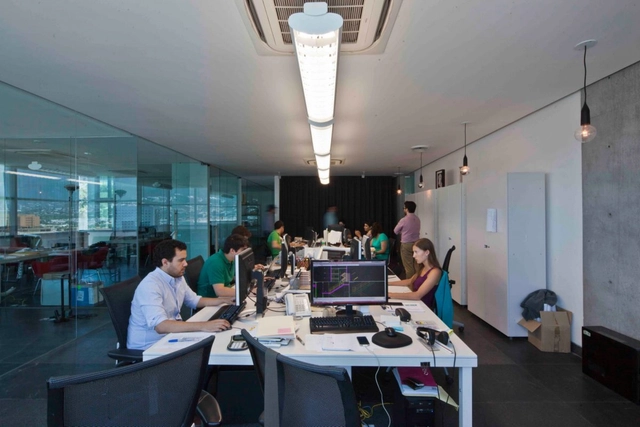
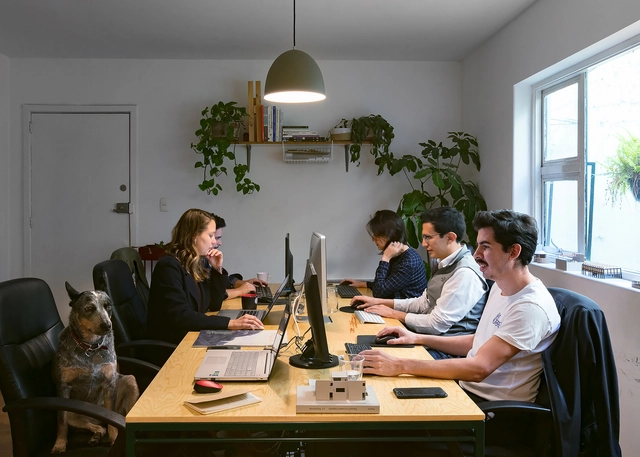
Mexico's National Social Distancing Campaign began on March 23, 2020. However, a couple of weeks prior—even in the face of the federal government's recommendation to continue normal activities—social media users were already opting to mirror the European model and self-isolate. Architecture firms immediately began closing their physical spaces to transition to remote work, though for others, the shift took several weeks. Yet, this period of social and physical (spatial) distancing is experienced differently in every household. Over the months of this pandemic, we have witnessed not only the inequities in access to basic needs in dense urban areas, but also the fragility of the social order itself. Whether at a macro or micro scale, all of these experiences occur within and are shaped by the built environment, positioning architecture as both an active participant and a critical arbiter in this equation.
PRODUCTORA is a Mexico City-based architecture studio founded by Abel Perles (1972, Argentina), Carlos Bedoya (1973, Mexico), Víctor Jaime (1978, Mexico), and Wonne Ickx (1974, Belgium). The firm is characterized by its emphasis on precise geometries in an effort to generate legible projects with clear gestures, as well as its pursuit of timeless material and spatial resolutions.
In Latin America, the concept of emergency architecture refers to spaces that serve as temporary shelter in the face of adverse circumstances, such as earthquakes, floods, and migration. Various countries, including Mexico, Chile, Colombia, Ecuador, Uruguay, and Panama, have faced events that required redefining emergency housing according to each nation's specific needs.
The National Social Distancing Campaign (Jornada de Sana Distancia) in Mexico began on March 23, 2020, but a couple of weeks prior—even as the Federal Government recommended continuing normal activities—social media users were already opting to replicate the European model and self-isolate. Right away, some architecture firms made the decision to close their physical offices and transition to a remote work model, while others took a few more weeks to do so. However, this period of social and physical (spatial) distancing is experienced differently in every household. Over the months that this pandemic has unfolded, it has exposed not only the inequality regarding basic needs in dense urban areas, but also the fragility of our established social order. Whether at a macro or micro scale, all these experiences occur within and are influenced by the built environment, making architecture both arbiter and active participant in this equation.
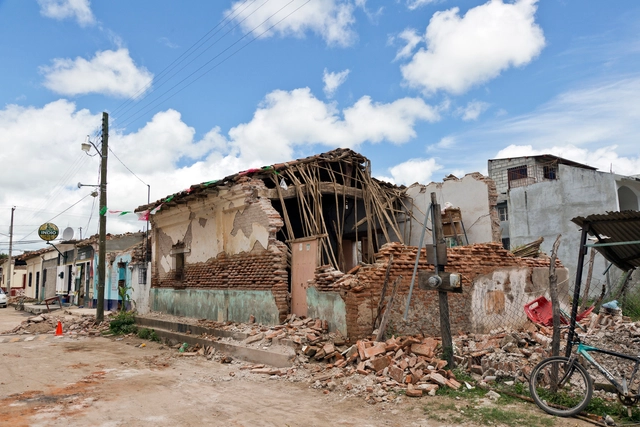
In light of recent developments surrounding COVID-19, the Mexico City government, in conjunction with the Mexico City Reconstruction Commission, announced that the reconstruction plan addressing the September 19, 2017 earthquakes will not be suspended. Instead, health and social distancing measures will be implemented to allow support and construction processes to continue.
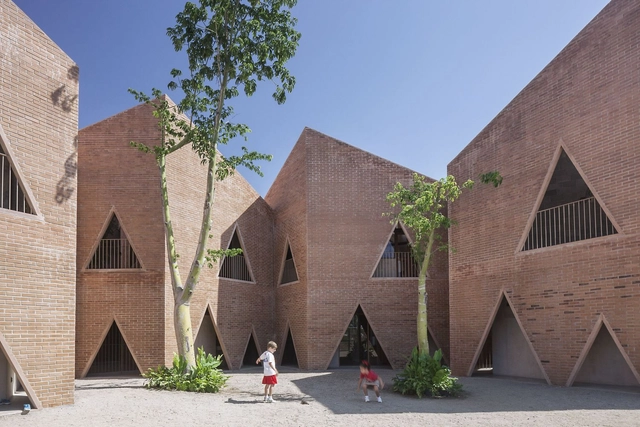
The city of Merida –capital of the Yucatan state in Mexico– is a region that has experienced a rise in architectural development in recent years due to the emerging talent that has made a name for itself with national awards and biennial proposals throughout the country. Due to Merida's tropical climate, the architecture on this site corresponds to specific geographical conditions that make it one of the most visited destinations in the world.
The Guadalajara region in Mexico is home to one of the country's most prominent cities, ranking as one of the most populous urban areas alongside Mexico City, Tijuana, the State of Mexico, and Monterrey. However, the exponential growth experienced by cities in the 20th century resulted in an urban sprawl that expanded far beyond traditional geographic boundaries. The capital of the state of Jalisco was no exception, ultimately leading to the definition of the Guadalajara Metropolitan Area, which integrates the key municipalities surrounding the capital.
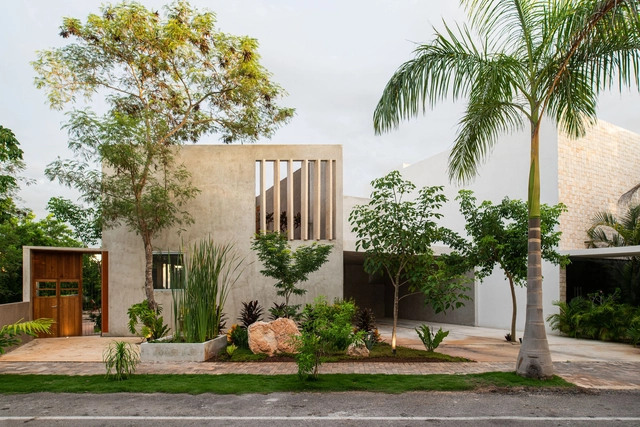
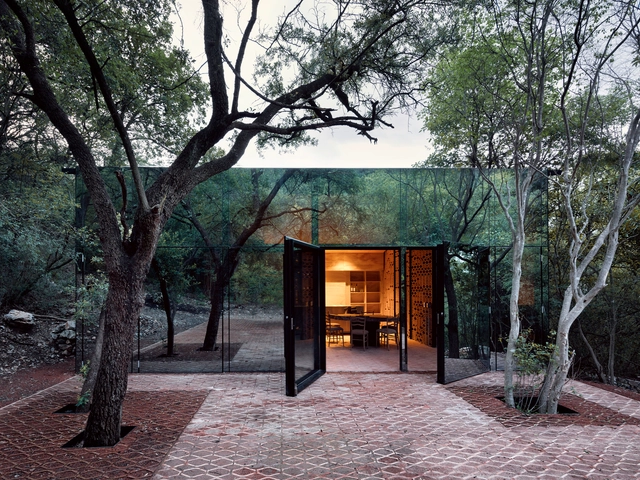
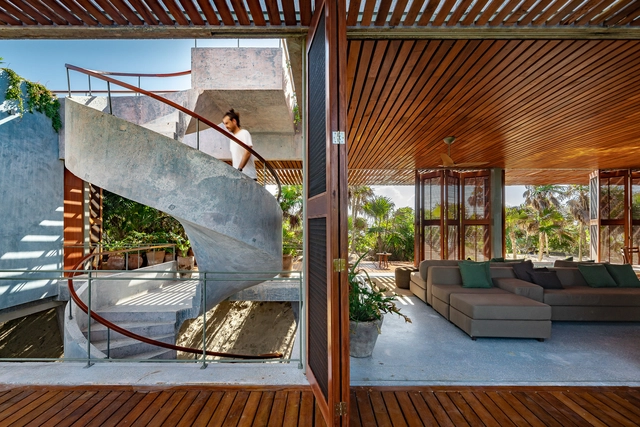
One of the most important factors in design is the site's specific climate. This can pose a challenge in extreme weather, where insulating materials are required to adapt to changing conditions. However, in the case of Mexico and its privileged climate, this factor works to the architects' advantage, allowing them to create microclimates and spaces that blur the transition between indoors and outdoors.
















.jpg?1496883450&format=webp&width=230&height=230&crop=true)