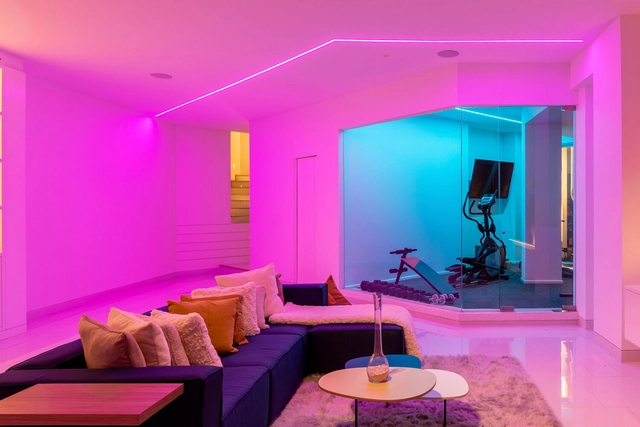
The history of light has undergone various transformations over the centuries; its intrinsic relationship with architecture itself has sparked expressions and critiques that, beyond serving as a tool to illuminate the inhabited world, directly influence how we perceive it and how the built environment is produced. Every lighting project is directly tied to its own understanding of quality, class, interpretation, intention, and meaning.
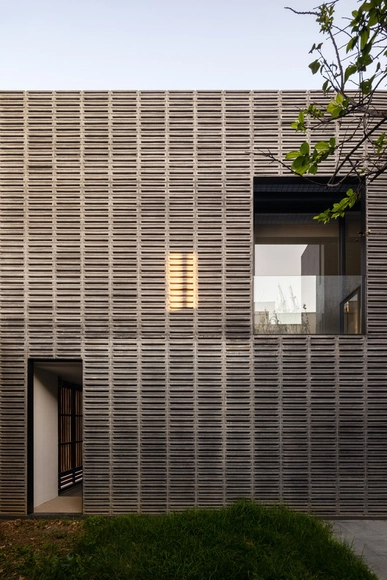
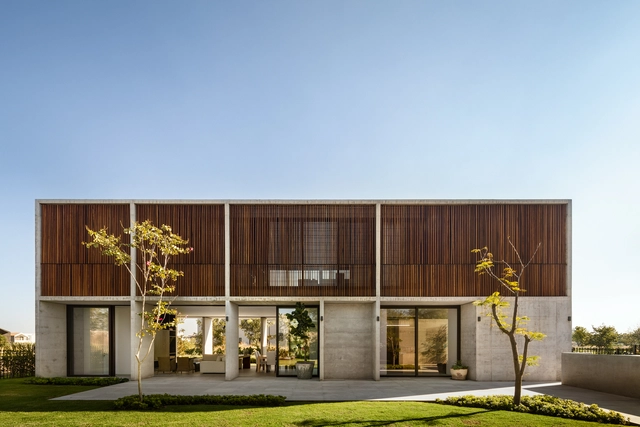
As an architectural element, screens have a long history. Used since antiquity in Egypt and Greece, as well as in traditional Hispano-Islamic art, they have enriched countless spaces with their repetitive patterns and intricate designs. To this day, they maintain their value through aesthetic qualities and excellent functional characteristics, playing a prominent role in the facades and partition walls of many contemporary architectural projects—especially in residential ones.
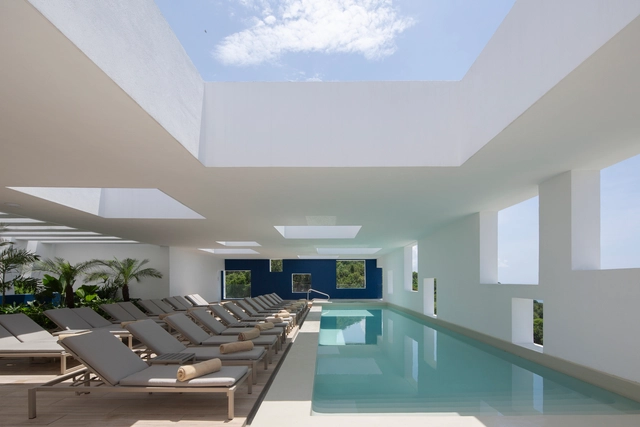
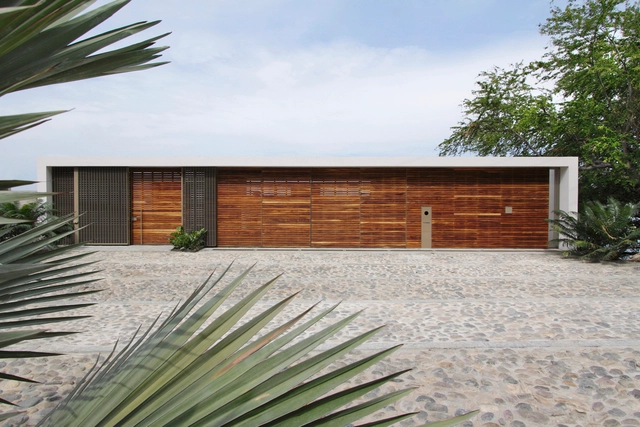
Puerto Vallarta is a city located in the state of Jalisco, in the west region of the country facing the Pacific Ocean. It consists of 1,301 km² and, together with the Bahia de Banderas municipality of the Nayarit state, makes up the Metropolitan Zone of Puerto Vallarta, making it the second most populated of both states. Many are the reasons why Puerto Vallarta is one of the most important ports in Mexico, one of them being tourism at an international level, which has resulted in the city having one of the eight international airports in the country.
It has become evident that the spaces we inhabit have changed. The COVID-19 pandemic has forced us to appreciate values as lighting, ventilation, and comfort when working in home.
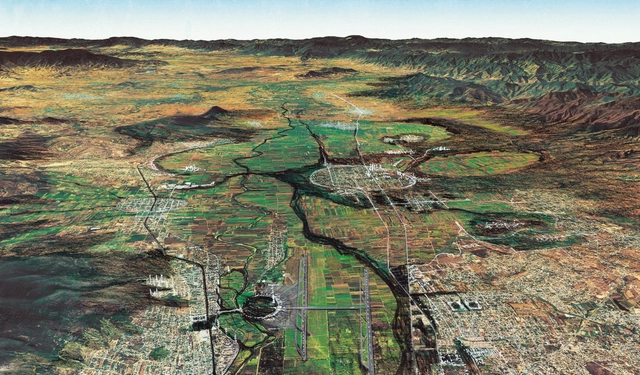
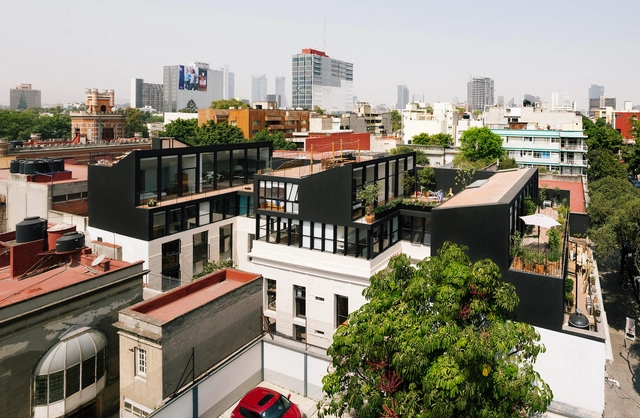
There are several reasons why the Estado de Mexico (a state, not the country) is important not only at the national level but also because of its intrinsic relationship with Mexico City since 59 of its municipalities are considered part of the Metropolitan Area of the Valley of Mexico. In this area, there are a large number of industrial plants. In addition, it houses some of the most visited archaeological sites such as Teotihuacán, Tetzuco, Azcapotzalco, Chalco, and Amaquemecan.
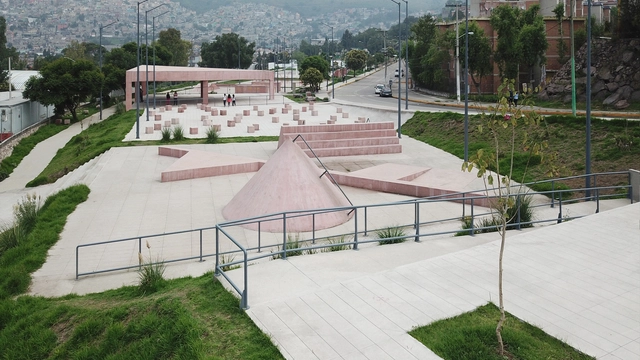
Sinaloa is a state located in the northwestern part of Mexico bordered by the states of Sonora, Chihuahua, Durango, Nayarit, and by the Gulf of California to the west. It consists of over 58200 km² of territory and is the agricultural hub of Mexico.
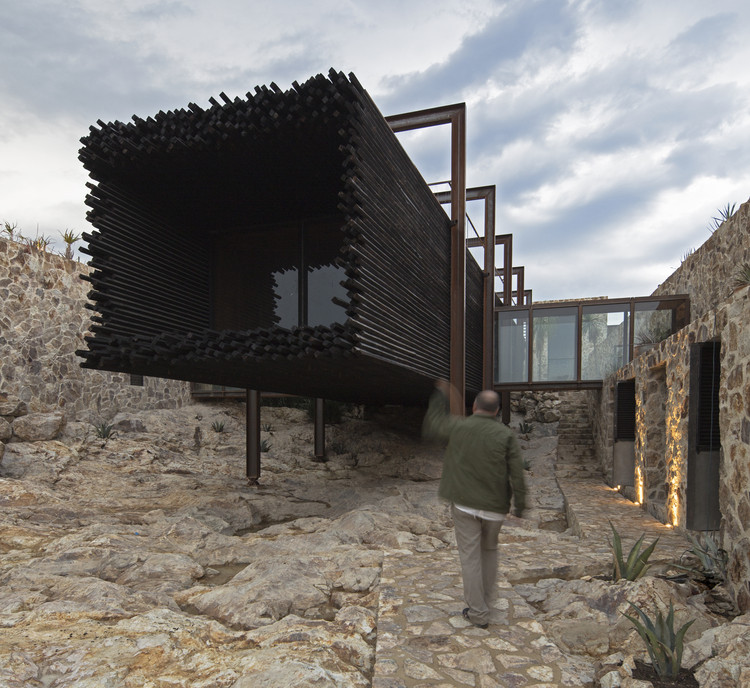
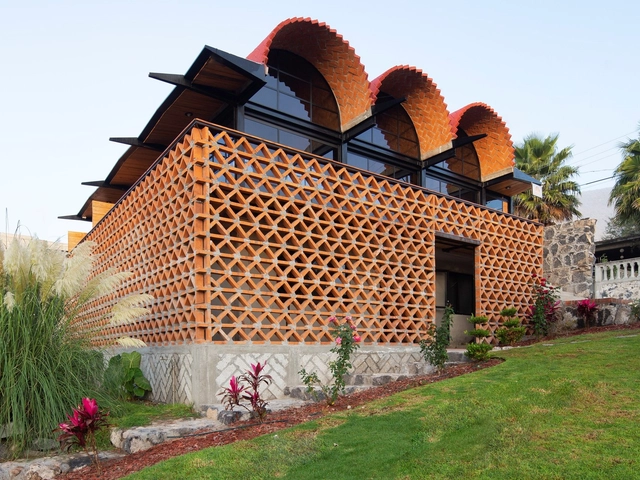
The state of Querétaro is located in the north-central region of Mexico, bordered by the states of San Luis Potosí, Guanajuato, Hidalgo, Estado de México, and Michoacán. Covering an area of 11,684 km², it is one of the most expansive regions in the country. Its capital is Santiago de Querétaro, which is also the state's most populous city. Among its most popular Pueblos Mágicos (Magical Towns) are Bernal, Tequisquiapan, Jalpan de Serra, Cadereyta de Montes, San Joaquín, and Amealco de Bonfil. Additionally, the state boasts four UNESCO World Heritage sites and one entry on the Intangible Cultural Heritage list: the Historic Monuments Zone of Santiago de Querétaro, the Franciscan Missions of the Sierra Gorda, the Otomí Chapels, and the living traditions of the Otomí-Chichimeca culture, respectively.
We know you're an architecture aficionado and that your passion takes you places that inspire and awe. Even though a visit to the classic tourist sites can result in an amazing trip, visiting lesser-known places can make for an unforgettable experience. It is because of this passion for parts unknown that we have compiled this list of some of Latin America's hidden architecture gems for you to consider as you plan your next trip.
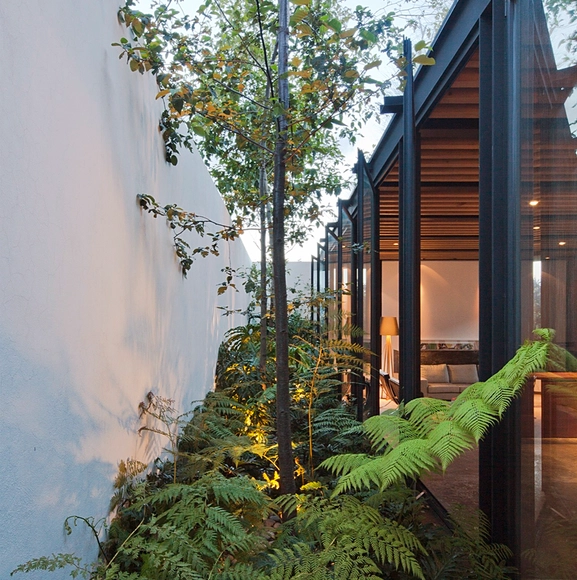
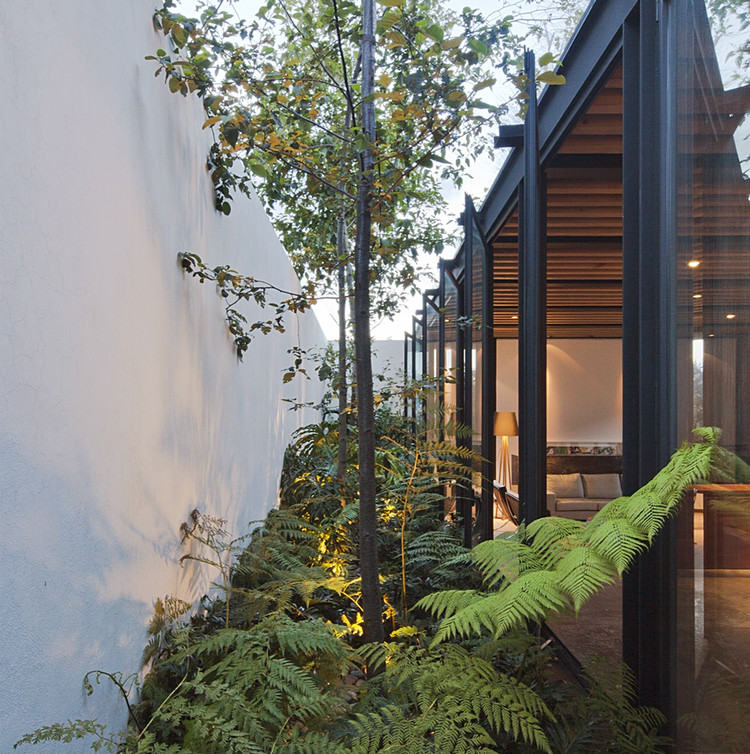
Patios and gardens play a crucial role in a project's planning and layout. In some instances, they serve as organizing elements while in others, they improve the quality of life in a space by providing light, ventilation, and a connection to the outdoors while maintaining the privacy of the inhabitants.
Chuchín is that endearing figure whom you always remember despite the passage of time, whether you are a student, architect, professor, staff member, or fellow worker. Felipe de Jesús Cortés Guevara—or Chuchín, as he is commonly known—seems to go nowhere else; he is always watching over what he considers his second home, the UNAM School of Architecture.
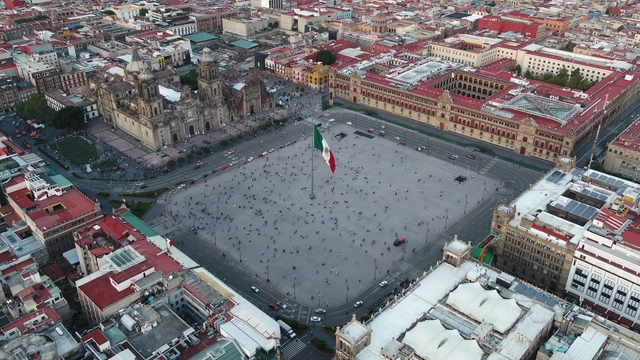
The remodeling project for the Plaza de la Constitución (El Zócalo) in Mexico City was completed in 2018. The design is the result of a competition launched by the Government of Mexico City and the Ministry of Public Works of Mexico City, covering an area of 46,800 square meters.
Manufacturers: AutoDesk, USG, AL Koat, Adobe Systems Incorporated, American Standard, +10CASTEL, Comex, Helvex, Hunter Douglas, Interceramic, Jofel, Llano de la Torre, Mapla, Mosaicos Venecianos de México®, Trimble-10
Climate change is an issue that has gained increasing traction in public and professional discourse over recent years, driven by a clear urgency to research, document, and mitigate environmental damage through multidisciplinary strategies that raise awareness of our current reality. Organizations such as the UN have issued a global call to action to adopt measures that end poverty, protect the planet, and ensure that all people enjoy peace and prosperity.
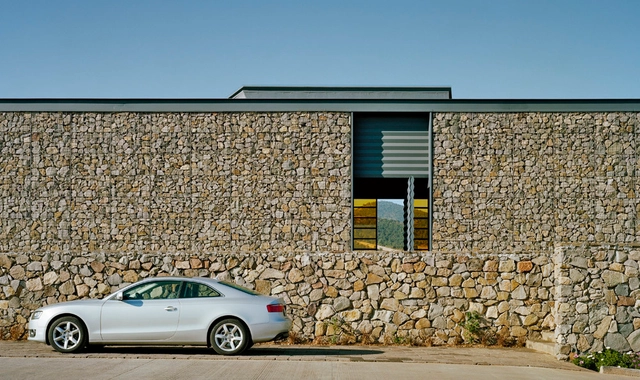
Widely used in infrastructure, gabion walls are structures made of mesh metal cages filled with stones. These permeable walls use galvanized steel wire to withstand outdoor conditions.
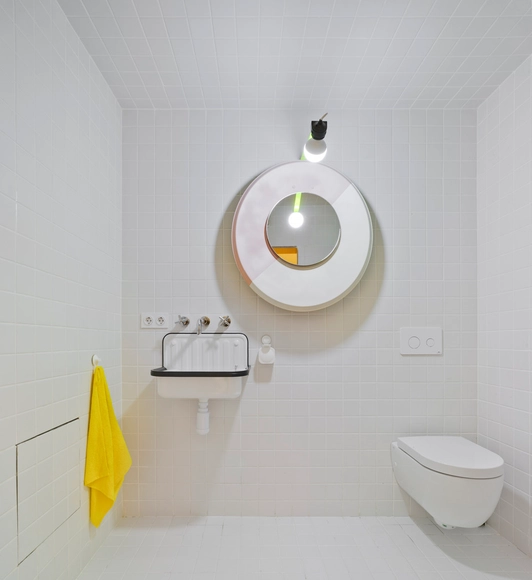
Square, rectangular, hexagonal, matte, shiny. It's hard to think of a more versatile flooring material than tiles. They're also known for their high durability, ease of maintenance and installation, and are among the most common choices for covering floors and walls, whether wet or not. Following are 10 common questions about ceramic tiles, and their answers:

.jpg?1636500979&format=webp&width=230&height=230&crop=true)






.jpg?1606770388&format=webp&width=640&height=580)


.jpg?1606770388)




.jpg?1602009335&format=webp&width=230&height=230&crop=true)