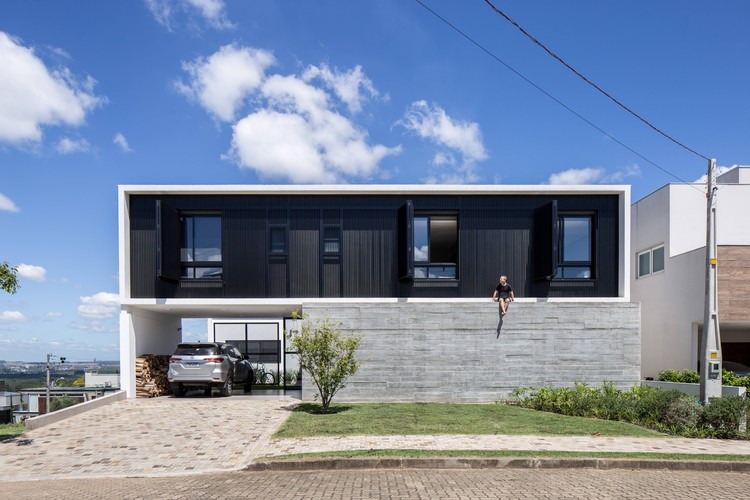


-
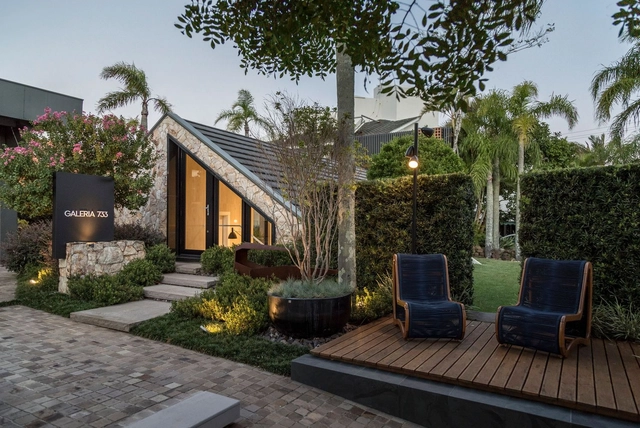
Architects: Galeria 733
- Area: 300 m²
- Year: 2020
-
Manufacturers: Construtora GHF, Magni & Rosa, Peres Esquadrias, Portobello, Singular Iluminação, +1
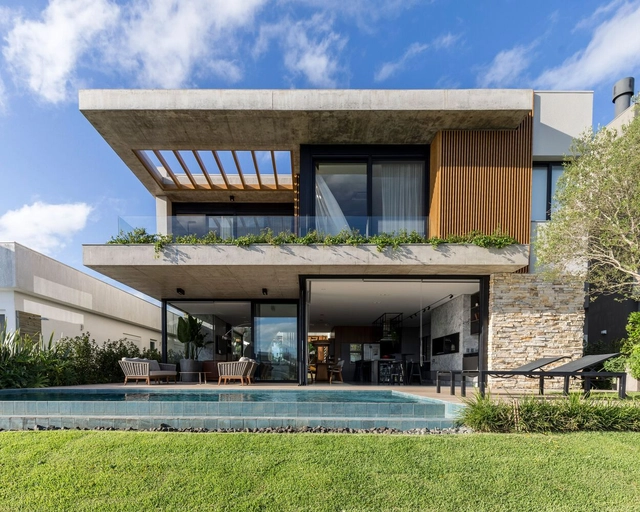
PVC, as the synthetic material Polyvinyl Chloride is called, or Polyvinyl Chloride, is one of the most produced plastics in the world, reaching 40 million tons per year. Its application is quite varied and in construction it has found different branches, serving both as an input for infrastructure and for finishing.
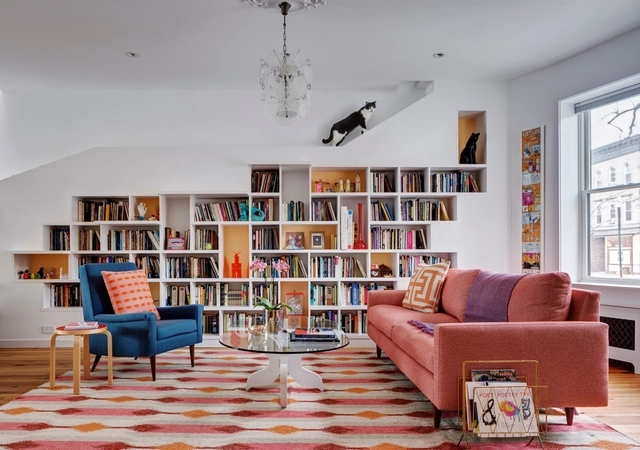
In times of an ongoing global pandemic and constant video meetings, more and more people are leveraging their bookshelves at home to not only create appropriately stylish screen backdrops but also communicate credibility. There’s even a Twitter account on the subject. That being said, not everyone has a library-worthy collection to display or the space to store heavy art volumes. But whatever your personal shelf dream – even if it involves cats – here are five design elements that will help you make the most out of a tool you didn’t know you had, plus real examples of how they are being used to enhance bookshelves in projects around the globe. Head to the bookshelf section on Architonic for further inspiration and concrete product examples.

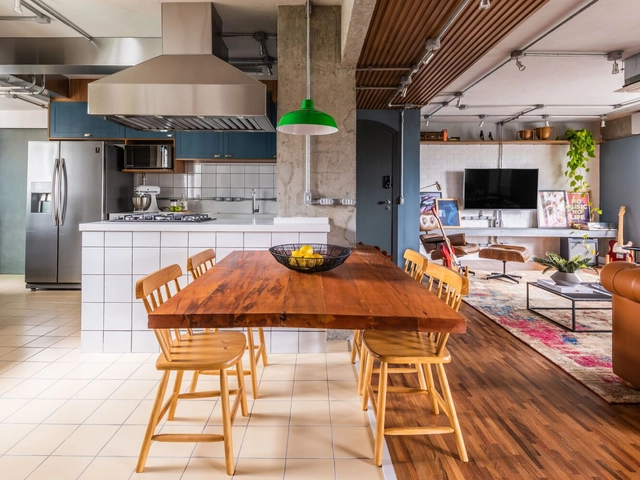
The floor is one of the largest areas of coverage of an environment, and therefore, its choice goes through several criteria related to both aesthetic and visual identity issues, as well as technical issues of resistance and maintenance. It is common to use different floors for areas with different uses and often this transition is not marked by walls or doors. Next, we will bring you tips on how to make this transition harmoniously when there is no physical boundary between the floors.
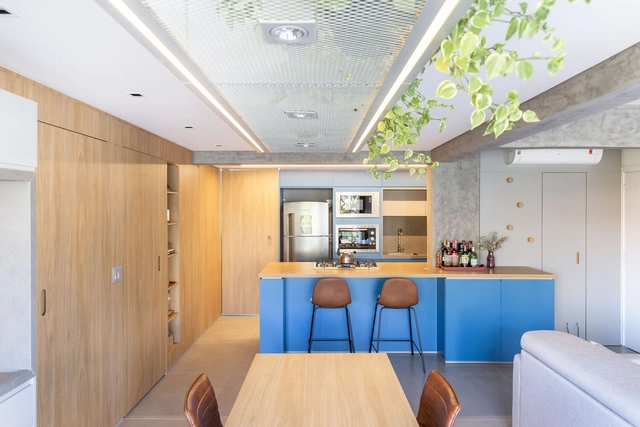
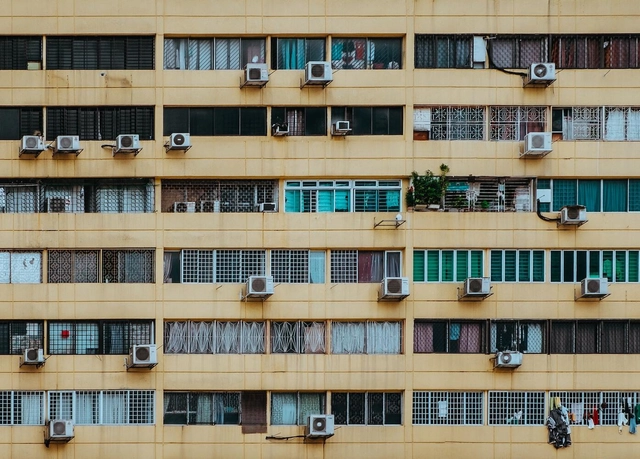
Architectural projects often strive to avoid forced cooling systems by relying on passive strategies that support cross-ventilation, solar control, and heat gain mitigation. Building orientation, the positioning of openings, louvers, and shading elements are key to reducing the reliance on air conditioning; however, in certain situations, these strategies are not enough to withstand high temperatures, making it necessary to resort to mechanical cooling technologies. Understand what it is and how to discreetly and efficiently integrate air conditioning into your home.
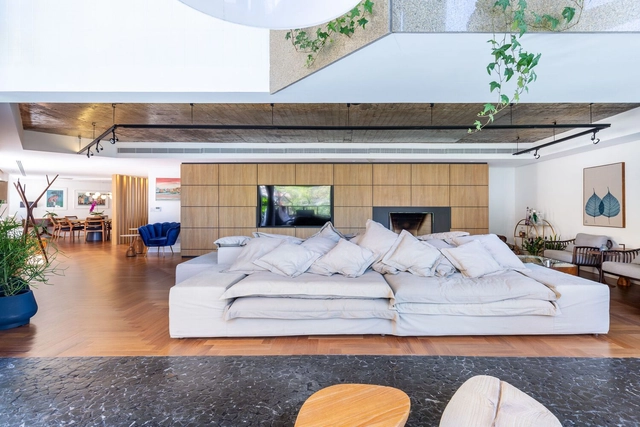

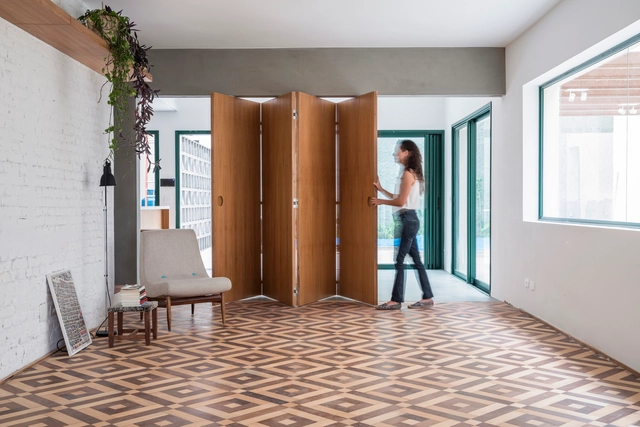
The choice of finishes is crucial to a project's overall quality, both for its aesthetic impact and its budget implications. Often, designers opt for modular flooring—materials installed in individual pieces—which requires a clear layout logic. This article explores different flooring patterns and how they can be applied to various materials.
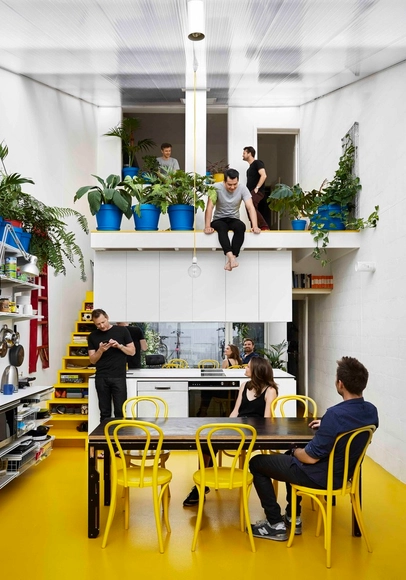
Not every architectural project can incorporate a landscaping project, consider a garden or access to ample green space. Smaller spaces need more creative strategies to incorporate vegetation. Regardless of the context, plants offer benefits in all types of spaces, such as indoor temperature regulation, an option for sustainable production on a smaller scale than a greenhouse, in addition to their aesthetic qualities. In this article, we present 4 simple strategies and a selection of examples for incorporating plants in small-scale spaces, all of which can be found in Architonic's Planting section.
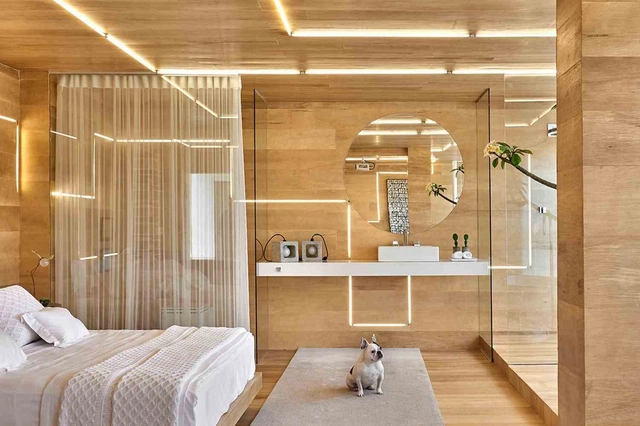
Natural or artificial, lighting is one of the most important elements in architecture, directly affecting our perception of spaces. It is capable of defining volumes, enhancing colors, textures, and therefore, contributing to the overall relationship between dimension, proportion, and contrasts. One of the many challenges of architecture is to shape spaces based on light and shade, and sometimes natural light is not enough, requiring additional light sources to be installed and controlled.