

-
Architects: Mora Hughes Arquitectos
- Area: 900 m²
- Year: 2021
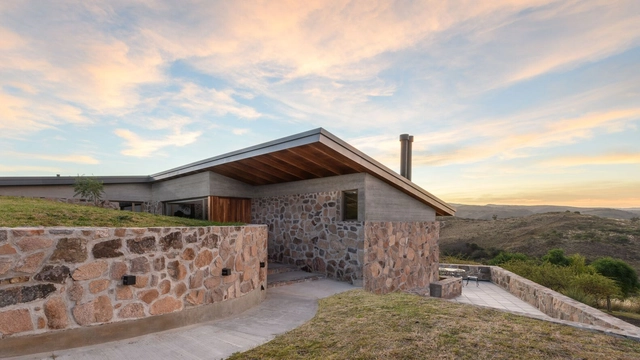
From Tafí del Valle to San Carlos de Bariloche, the implementation of natural stone in contemporary Argentine architecture reveals the decisions of architects seeking to maintain a dialogue with their surrounding environment and highlight the purity of materials. While stone is one of the oldest building materials, enduring throughout history, its application in homes in Uruguay, Brazil, and Mexico highlights different characteristics in terms of textures, shapes, shades, and patterns.
ArchDaily's curatorial team strives every day to present our readers with the most significant, inspiring, and innovative projects, while also ensuring a diverse representation of global architecture.
As part of our 2023 Year in Review retrospective on ArchDaily, we look back and reflect on what was published over the past year. Residential architecture remains one of our most visited categories of built projects, generating immense interest among our users worldwide. With this in mind, we have selected the 50 best houses published this year on ArchDaily en Español, offering a brief showcase of the form and character of residential architecture across the Spanish-speaking world.
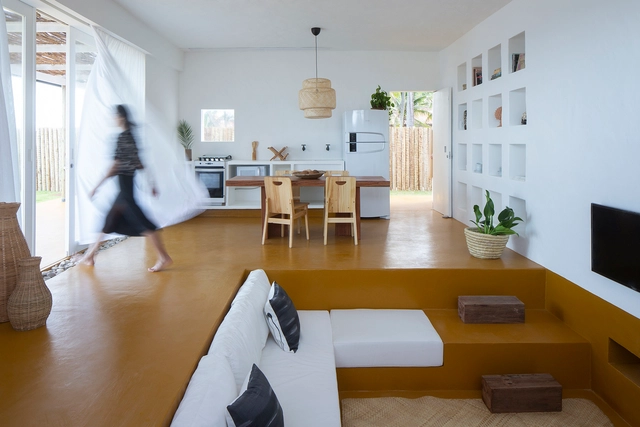
Implemented as a means to take full advantage of space, built-in furniture has grown in popularity as well as ingenuity as designers tackle the needs and tastes of a wide range of users. It's ability to adapt and integrate into architectural spaces allows it, through a variety of configurations and materials, to fulfill various functions; however, this poses an interesting question. Is it truly the furniture that adapts to our living spaces? Could it not itself become the protagonist and creator of the spaces that we project?
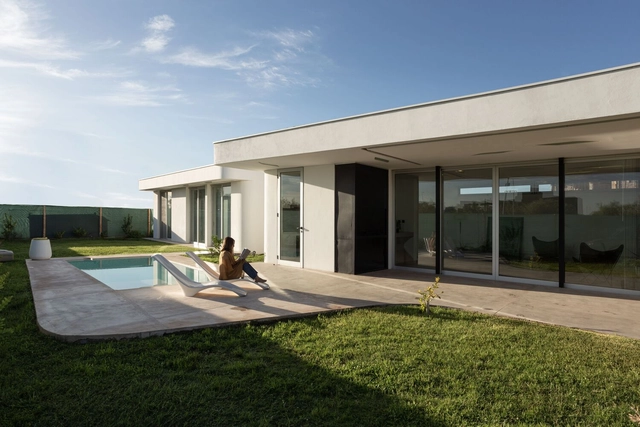
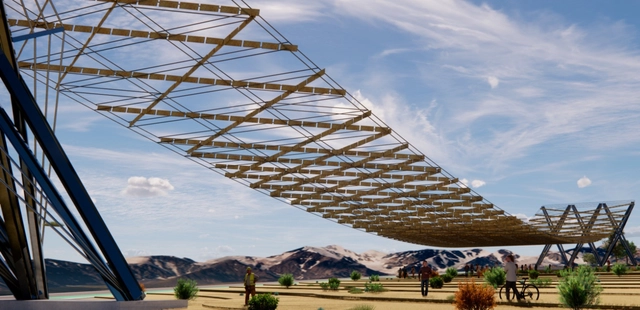
As perimeter walls are dismantled, a new layout is taking shape on the runway of Mendoza's former airfield. This adaptive reuse initiative, driven by the Inter-American Development Bank (IDB) and the municipal government, seeks to repurpose the vacant 72-hectare site to explore and develop a more open, inclusive, and carbon-neutral city. The master plan focuses on strategies addressing environmental and climate sustainability, efficient energy, water, and sanitation management, housing, mobility, and accessible public spaces, alongside social inclusion and local development. The plan envisions the integration of infrastructure, parks, green spaces, commercial and dining uses, a technology and innovation hub, and the development of new single-family and collective housing models: "the housing of the future."
The official presentation of the project to Mendoza government authorities, IDB representatives, students, and other guests took place on the site of the former airfield. For this occasion, renowned Paraguayan architect Solano Benítez was invited to design and construct an entrance pergola for the "city of the future." The structure aligns with the urban project's circular economy framework, blending craftsmanship and prefabrication to "transition from traditional construction dependent on high-embodied-energy systems toward reusing materials with lower energy expenditure," according to IDB architects and urban planners Felipe Vera and Matías Lince. Grounded in exploring the tectonic potential of brick—the quintessential material of Paraguayan construction—Benítez's work focuses on delivering efficient, local architectural solutions that prioritize the intelligent use of materials.
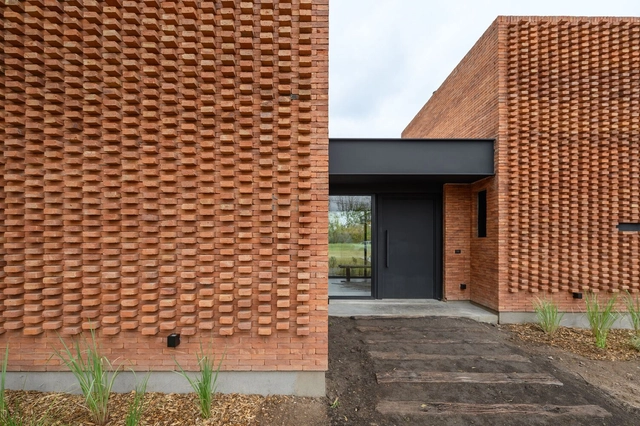
The process of materializing architectural ideas involves taking into account various construction and economic factors, among others, which in one way or another will have an impact on the quality of life of its future inhabitants or users. Achieving the highest thermal comfort in interior spaces and achieving the lowest possible environmental impact are just some of the objectives that architecture professionals set for themselves when designing and defining the materials that will accompany their projects.
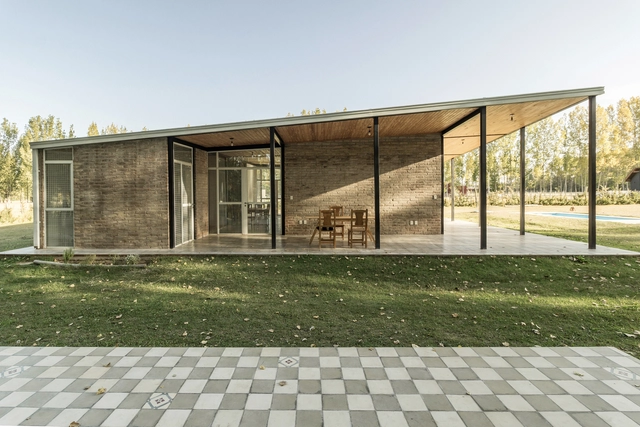
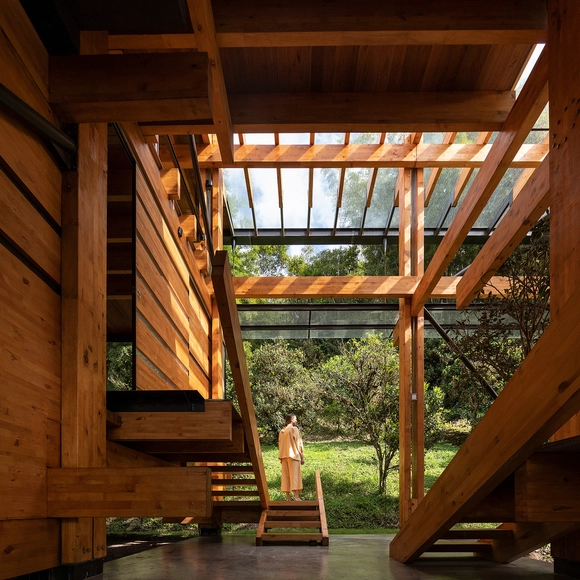
As another year comes to a close, the ArchDaily team looks back at the year's architectural highlights, compiling a selection of projects to review the content featured in 2022. As part of this retrospective, our curation team presents one of our readers' favorite categories—residential architecture—bringing together the projects that represent the very best of a vast year of architectural production, as chosen by our audience.
At a time marked by anticipation for the future of architecture, yet also by reflection on what has been accomplished over the past year, we present the 50 most-visited houses on ArchDaily in Spanish in 2022. In doing so, we continue our ongoing mission to provide tools, inspiration, and knowledge to everyone working toward a better built environment.
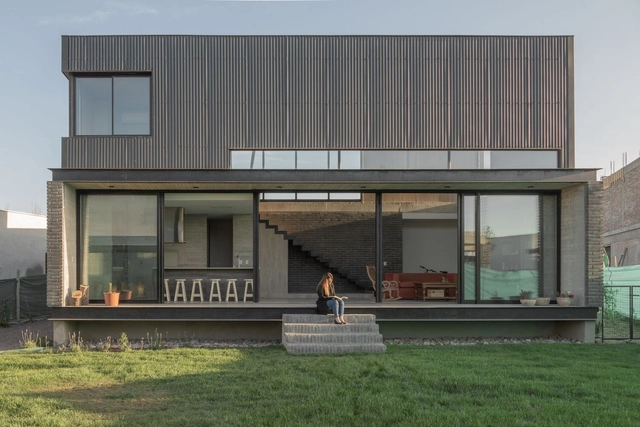
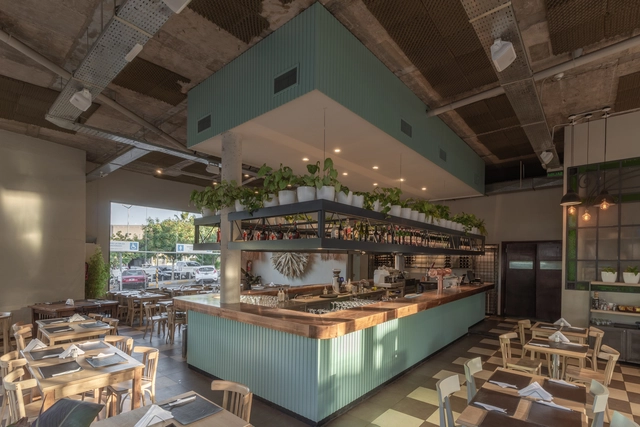
Based in Mendoza, Argentina, Estudio Reynals was founded in 2018 by partners and sisters Laia and Cristina Reynals, two architecture and design professionals.
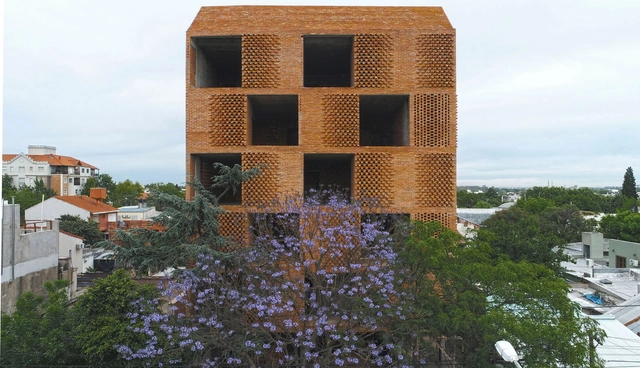
During the fourth day of the 18th Buenos Aires International Biennial of Architecture, the Biennial Awards were announced, highlighting architectural projects and works developed over the last four years both nationally and internationally. Awarded by the Biennial's Steering Committee, the categories spanned from single-family housing, multi-family housing, and interior design to landscape, urban space, and public and private facilities.
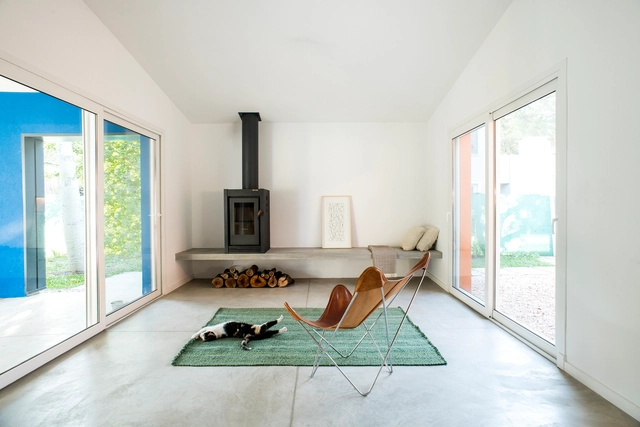
Originating as protection against low temperatures around 3,500 years ago, carpets and rugs have, over time, evolved into a true art form, reaching a high level of specialization by the 16th century. Rugs, carpets, and tapestries of various shapes, colors, textures, and patterns are integrated into different areas of the home to meet users' needs and enhance spatial comfort, sometimes extending far beyond their original purpose.