

-
Architects: Menos é Mais Arquitectos
- Area: 1541 m²
- Year: 2018
-
Manufacturers: Carpintaria Miguel Batista
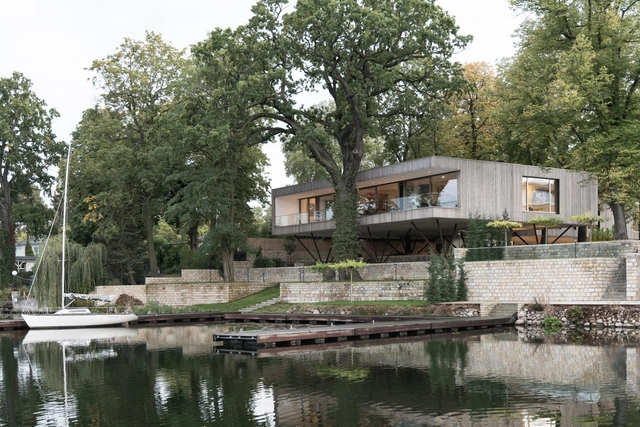

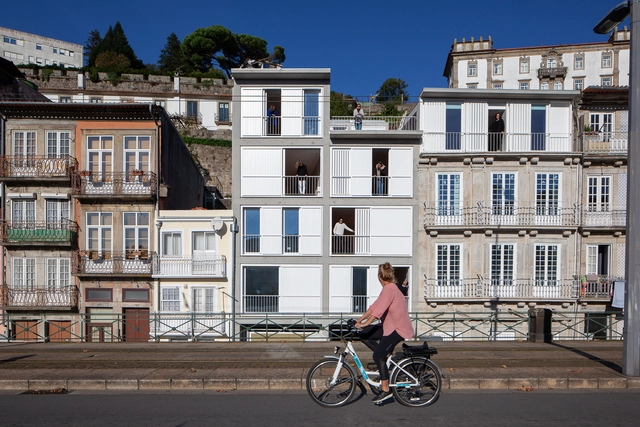
With the aim of getting to know the architects, projects, and stories behind landmark Portuguese architecture, Sara Nunes, from the architectural film production company Building Pictures, launched the podcast No País dos Arquitectos, where she talks with leading names in contemporary Portuguese architecture.
In her first episode, Sara spoke with architect João Luís Carrilho da Graça about his Lisbon Cruise Terminal. Now, for the second interview, she welcomes João Mendes Ribeiro for a conversation about heritage, the adaptive reuse of historical structures, and landscape architecture, focusing on the rehabilitation of the greenhouse at the Botanical Garden of Coimbra, the city where the architect is based. Read the full interview or listen to the podcast below.
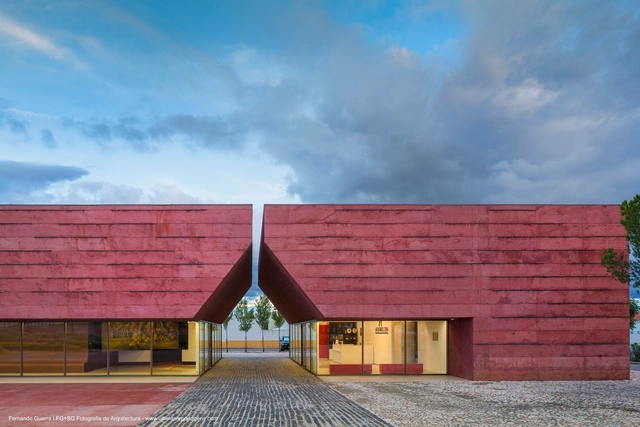
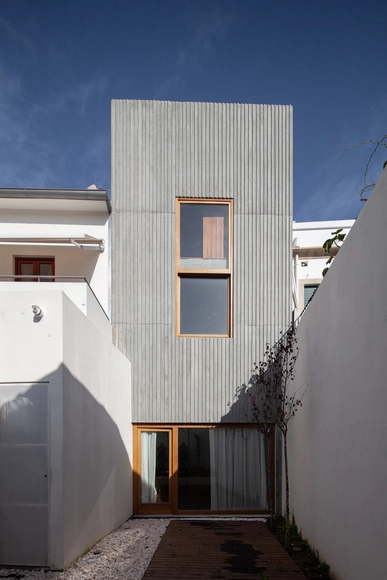
When we think of concrete, the color gray generally comes to mind. The traditional mixture of concrete, which comprises cement, gravel, sand, and water may vary in color depending on elements and admixtures but naturally varies from light to dark gray. However, compounds that add pigment to the mixture are becoming increasingly prevalent and popular, as they infuse the concrete with hues more stable than paint. These shades result from the addition of oxides: yellow, red and their derivations (eg. brown) are obtained with the addition of iron oxide; chromium and cobalt oxide create the greens and blues, respectively. For black concrete, it is common to use black iron oxide and carbon oxide combined with pozzolanic cement.


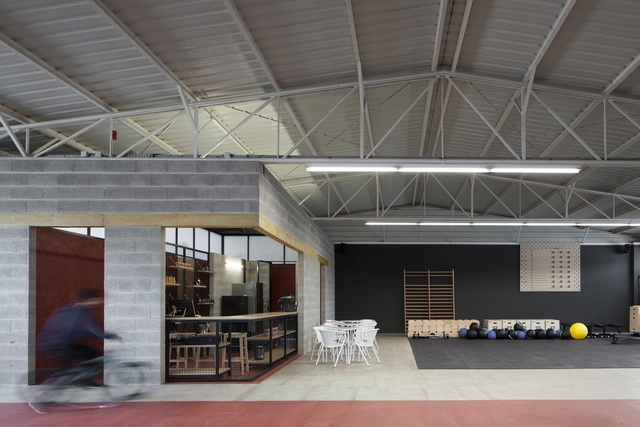

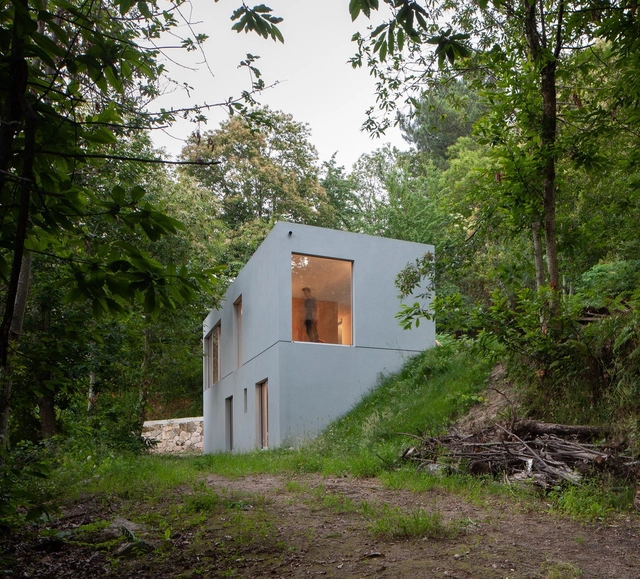

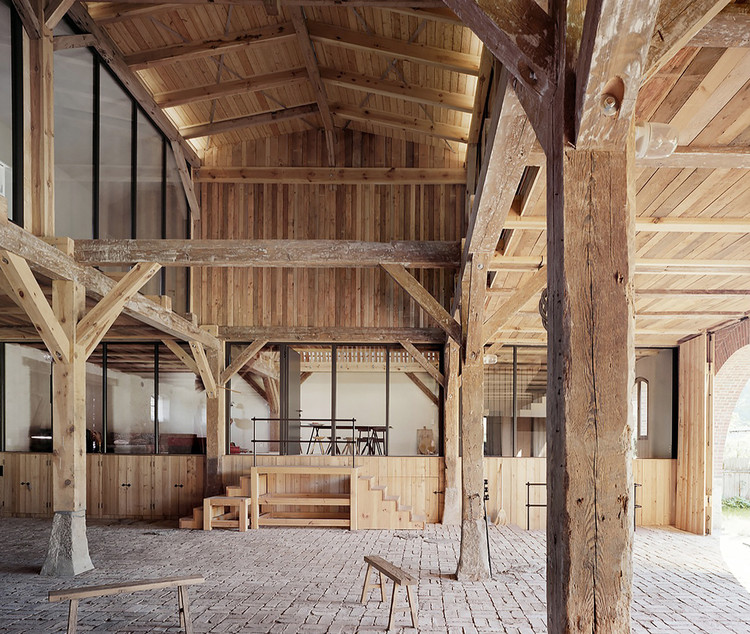
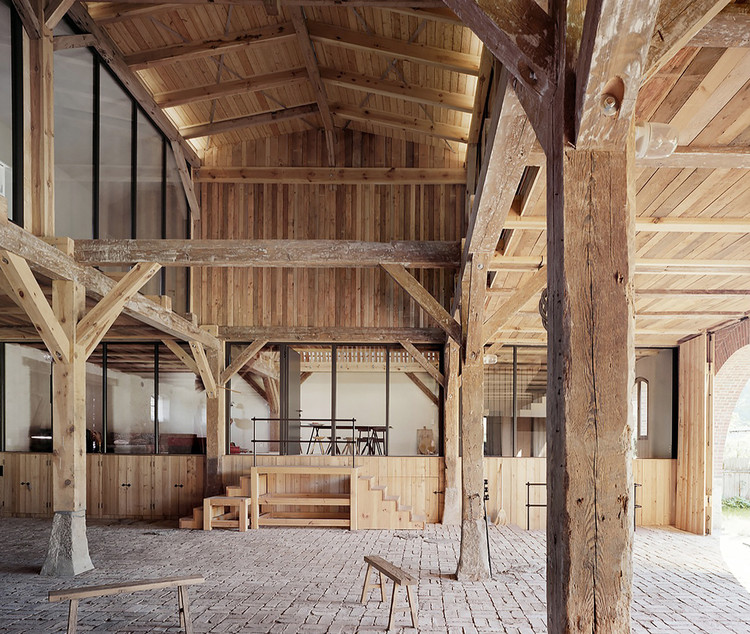
The barn, closely related in nature to silos and sheds, is an essential building typology in rural and agricultural landscapes. Featuring highly simple and functional design solutions, barns serve specifically as storage spaces for large volumes of livestock feed and are commonly characterized by high ceilings, generous spans, and relative spatial flexibility, protecting hay and grain from the sun, rain, moisture, and animals.

Much like silos and raised granaries, the barn is an essential building typology in agricultural storage. Their designs are typically simple and functional. Specifically serving as storage facilities for large volumes of raw materials, they are characterized by high ceilings, wide spans, and relative flexibility, protecting agricultural products—such as cereals, fruits, grains, straw, and hay—from the sun, rain, moisture, and pests.