

-
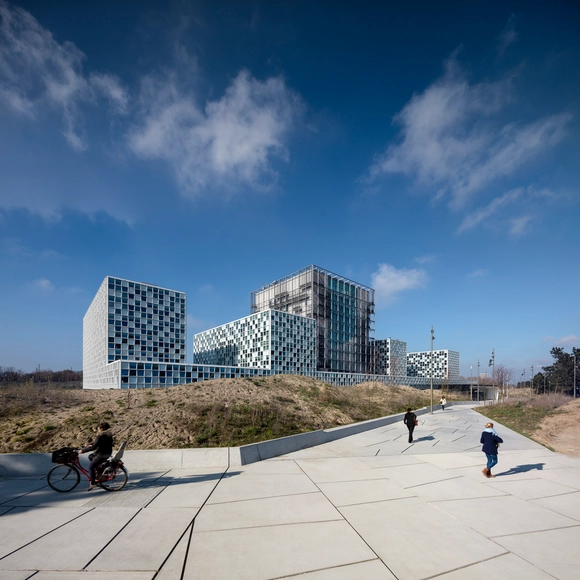
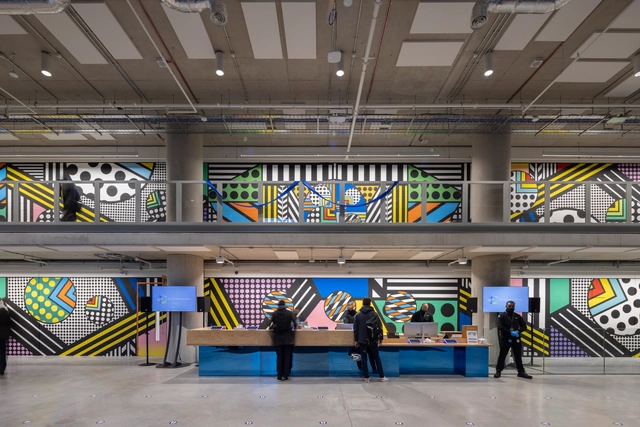
Architects: Bennetts Associates
- Area: 48973 m²
- Year: 2021
-
Professionals: Ramboll and Bam, Cundall, Gardiner & Theobald, Sturgis Carbon Profiling, Gehry Partners, +2

Daniel Libeskind (b. 1946, Lodz, Poland) studied architecture at Cooper Union in New York, graduating in 1970, and received his post-graduate degree from Essex University in England in 1972. While pursuing a teaching career he won the 1989 international competition to design the Jewish Museum in Berlin before ever realizing a single building. He then moved his family there to establish a practice with his wife Nina and devoted the next decade to the completion of the museum that opened in 2001. The project led to a series of other museum commissions that explored such notions as memory and history in architecture.


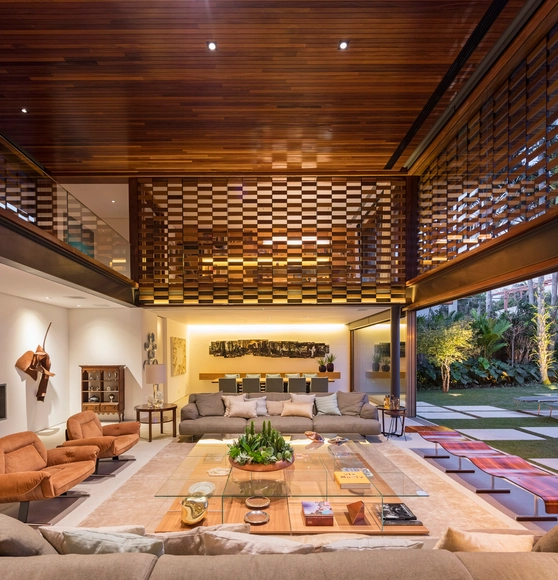
When designing homes, architecture is constantly evolving and adapting to environmental conditions. Each climate has specific needs and requires different solutions in terms of comfort. Hot and humid environments require a very different design from cold and dry environments. Natural ventilation, for example, is very important in projects located in warm climates.
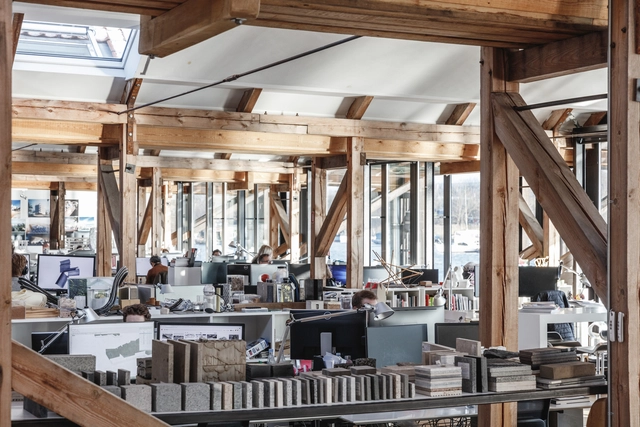
Within an increasingly specialized environment, architecture is becoming a collective endeavour at every stage of the design process, and social sciences have acquired an important role. As architecture has become more aware of its social outcome, decisions formerly resulted from the speculative thinking of the architect are now backed up by professional expertise. The following discusses the increasing role of humanist professions such as anthropology, psychology, or futurology within architecture.