


Open Air: New Ways We Can Live Together in Nature
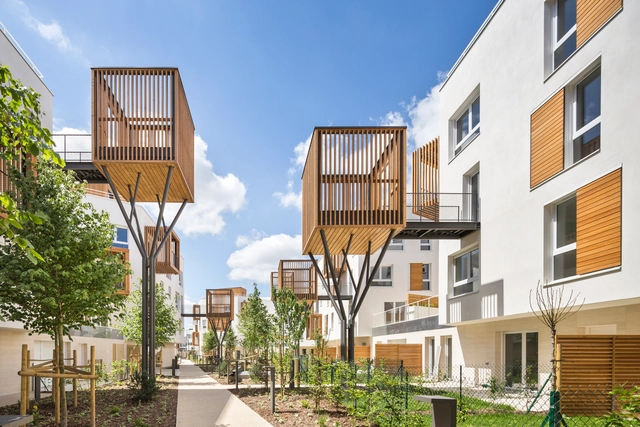
“We need a new spatial contract." This is the call of Hashim Sarkis, curator of the Venice Biennale 2021, as an invitation for architects to imagine new spaces in which we can live together. Between a move towards urban flight and global housing crises, the growth of more low-rise, dense developments may provide an answer in the countryside. Turning away from single family homes in rural areas and suburbs, modern housing projects are exploring new models of shared living in nature.


https://www.archdaily.com/945196/open-air-new-ways-we-can-live-together-in-natureEric Baldwin
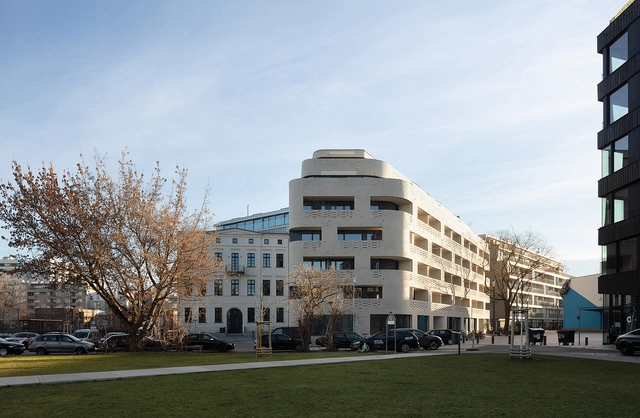
NeuHouse Apartment Building / Gewers Pudewill


-
Architects: Gewers Pudewill
- Area: 10500 m²
- Year: 2020
https://www.archdaily.com/965273/neuhouse-apartment-building-gewers-pudewillValeria Silva
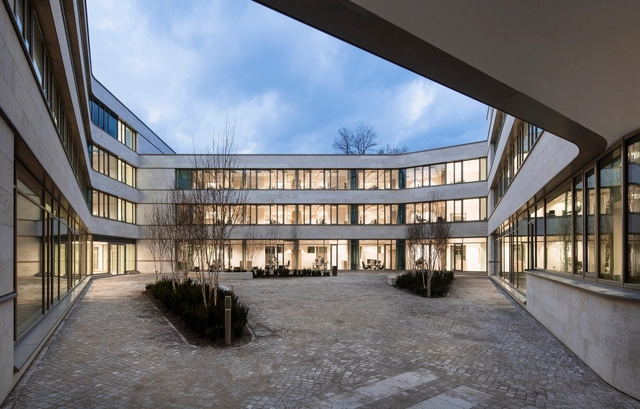
Headoffice REWAG / Gewers Pudewill


-
Architects: Gewers Pudewill
- Area: 10500 m²
- Year: 2021
-
Professionals: IB Reitberger, Bollinger + Grohmann Ingenieuere, R&P Ruffert, w+p Landschaften
https://www.archdaily.com/963156/headoffice-rewag-gewers-pudewillPaula Pintos
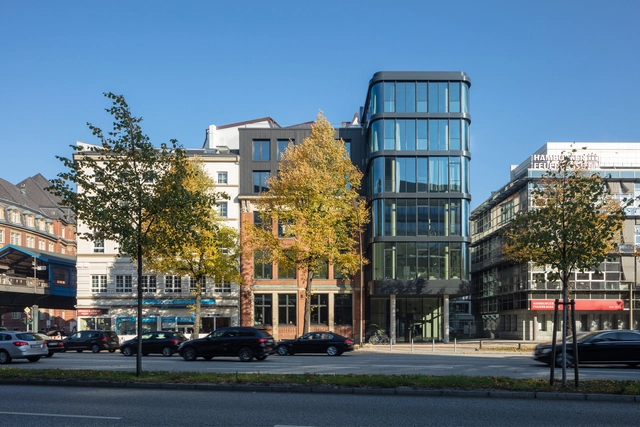
Görttwiete Office Building / caspar.


https://www.archdaily.com/953596/gorttwiete-office-building-casparValeria Silva
Poly Greenland Plaza / gmp Architects


-
Architects: gmp Architects
- Area: 177000 m²
- Year: 2019
-
Professionals: WES
https://www.archdaily.com/929922/poly-greenland-plaza-gmp舒岳康 - SHU Yuekang
Zalando Headquarters / HENN + Kinzo
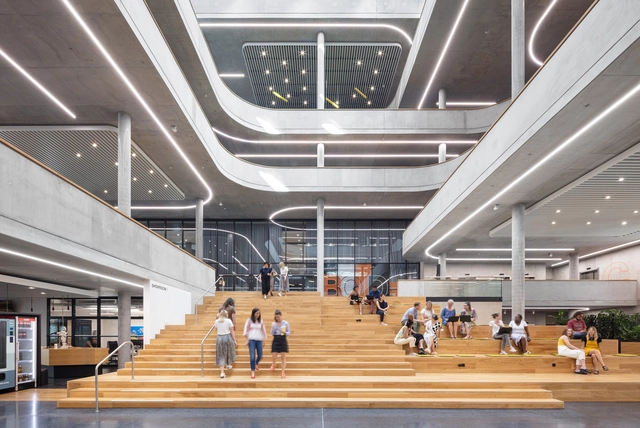


- Area: 59000 m²
- Year: 2019
-
Manufacturers: Gutmann
-
Professionals: Bartenbach, Buro Happold, hhpberlin, Müller-BBM GmbH
https://www.archdaily.com/920765/zalando-headquarters-henn-plus-kinzo-architekten-gmbhDaniel Tapia
CentoNew / GEWERS PUDEWILL
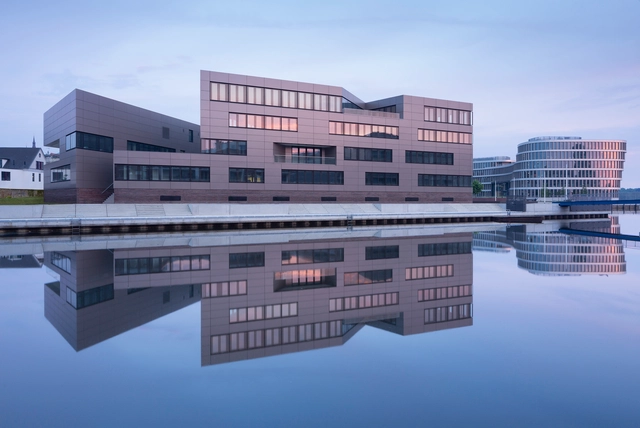


-
Architects: GEWERS PUDEWILL
- Area: 12200 m²
- Year: 2018
-
Manufacturers: Tiger Drylac, Warema
https://www.archdaily.com/898389/centonew-gewers-pudewillPilar Caballero
Green Heart | Marina One Singapore / ingenhoven architects
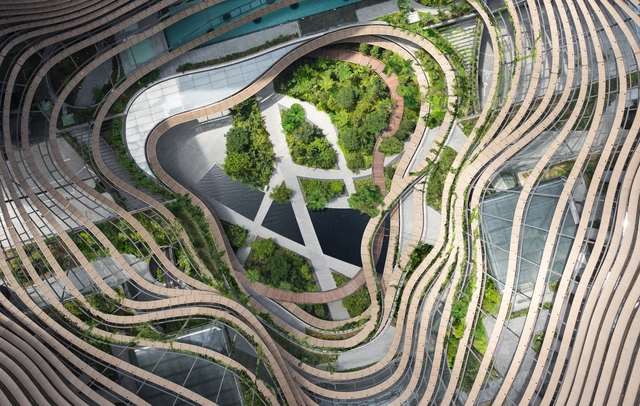


-
Architects: ingenhoven architects
- Area: 400000 m²
- Year: 2017
-
Manufacturers: KEIM, Coulisse, FUJITEC, Nuprotec
-
Professionals: Arup, Axis ID, Gustafson Porter + Bowman, ICN Design International, Hyundai Engineering & Construction, +5
https://www.archdaily.com/886215/green-heart-marina-one-singapore-ingenhoven-architectsDaniel Tapia
50Hertz Headquarter Berlin / LOVE architecture and urbanism
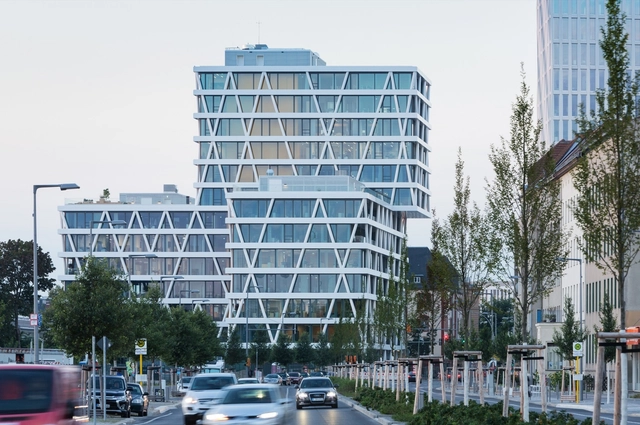


-
Architects: LOVE architecture and urbanism
- Area: 24822 m²
- Year: 2013
-
Professionals: Ed. Züblin AG, Kinzo, MAN MADE LAND
https://www.archdaily.com/802027/50hertz-headquarter-berlin-love-architecture-and-urbanismValentina Villa
Oeconomicum / Ingenhoven Architects
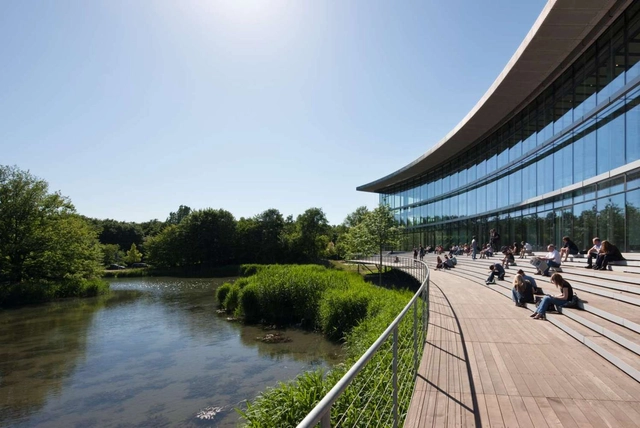


https://www.archdaily.com/785444/oeconomicum-ingenhoven-architectsFlorencia Mena
Quarter of Nations / Gerber Architekten
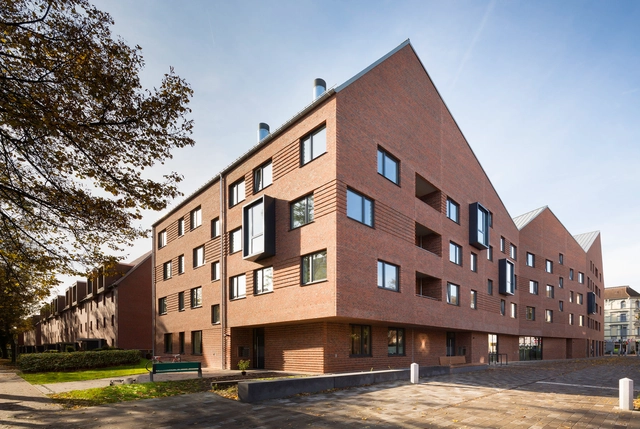


-
Architects: Gerber Architekten
- Area: 10520 m²
- Year: 2014
-
Manufacturers: VELUX Group
https://www.archdaily.com/633199/quarter-of-nations-gerber-architektenKaren Valenzuela
Boeselburg Council and Student Housing / Kresings GmbH
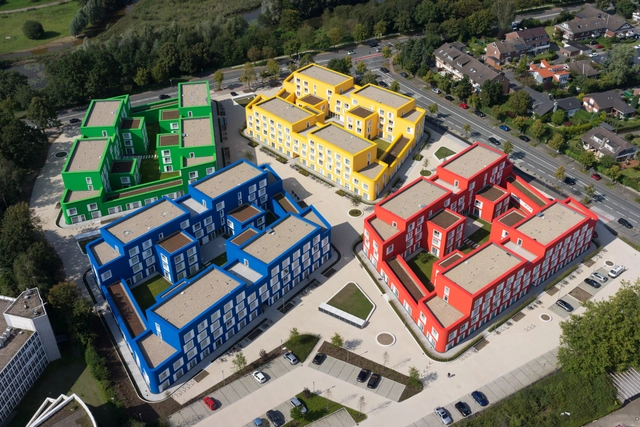


-
Architects: Kresings Architektur
- Year: 2014
-
Professionals: RMP Stephan Lenzen Landschaftsarchitekten
https://www.archdaily.com/561889/boeselburg-council-and-student-housing-kresings-gmbhDaniel Sánchez
Light Matters: 7 Ways Lighting Can Make Architecture More Sustainable
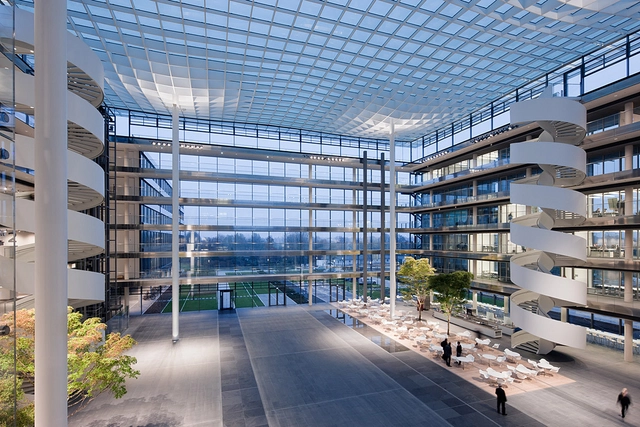
Sustainable lighting design offers various well-being and environmental benefits in addition to economic advantages for clients and users. Although daylight provides a free lighting source, for most spaces the amount and time of daylight is not sufficient and electrical lighting is necessary. A focus on sustainability becomes essential for minimizing energy consumption and improving the quality of life. Even though efficiency has significantly increased with LED technology, electrical lighting is still more widely used. Often the ambition for renovations or new applications goes along with a higher quantity of lighting instead of finding a better lighting quality with an adequate amount of energy.
Read on after the break for Light Matters’ 7 fundamental steps to achieve sustainable lighting.
https://www.archdaily.com/564798/light-matters-7-ways-lighting-can-make-architecture-more-sustainableThomas Schielke
Lanserhof Tegernsee / ingenhoven architects


-
Architects: ingenhoven architects
- Area: 21000 m²
- Year: 2014
-
Manufacturers: Dornbracht, Bene, Acor, Decor Walther, Küffner, +2
-
Professionals: Tropp Lighting Design, Müller-BBM GmbH, Adenbeck GmbH, Dr. Binnewies Ingenieurgesellschaft mbh, DS-Plan, +3
https://www.archdaily.com/540787/lanserhof-tegernsee-ingenhoven-architectsKaren Valenzuela
Who Will Design Our Smart Cities? (Hint: Not Architects)
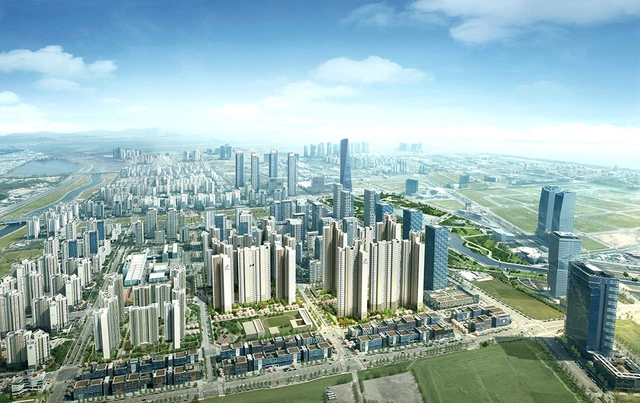
Originally published by Metropolis Magazine as "Big Data, Big Questions", this article by Alex Marshall examines what is arguably the most important aspect of smart city design: not how they will be created, but who will create them. He finds that, though an apparently new phenomenon, smart cities are just like their forebears in that they are built primarily by political will, not microprocessors.
Not long ago, I bought a beetle-shaped piece of silicone and metal that slips into my pocket and keeps track of how much I walk. Called a Fitbit One, it’s essentially a glorified pedometer. The device’s shell is jammed with hard- and software that lets it talk to my computer and iPhone. It sends me attaboys! on its tiny screen and, most importantly, the gadget talks with my spouse’s Fitbit, which allows us to compete with each other.
The Fitbit is not on anyone’s list of smart-city phenomena, but I would argue for including it, because it’s changing my relationship with the streets I walk in New York City. It also illustrates the pervasiveness of smart technology, and its limitations. For all its coolness—and it is cool—my device is doing something digitally that had already been done well mechanically, and at a lower price. A lot of the smart-cities technology is like this—it’s changing how we do things, but often not what we do.
Read on for more about the changes brought about - or not brought about - by smart cities after the break
https://www.archdaily.com/482837/who-will-design-our-smart-cities-hint-not-architectsRory Stott
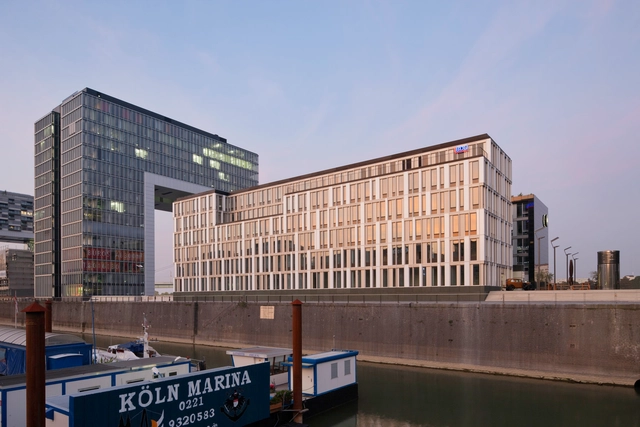
Im Zollhafen 22 / Gatermann + Schossig


-
Architects: Gatermann + Schossig
- Area: 7200 m²
- Year: 2011
https://www.archdaily.com/476984/im-zollhafen-22-gatermann-schossigDaniel Sánchez
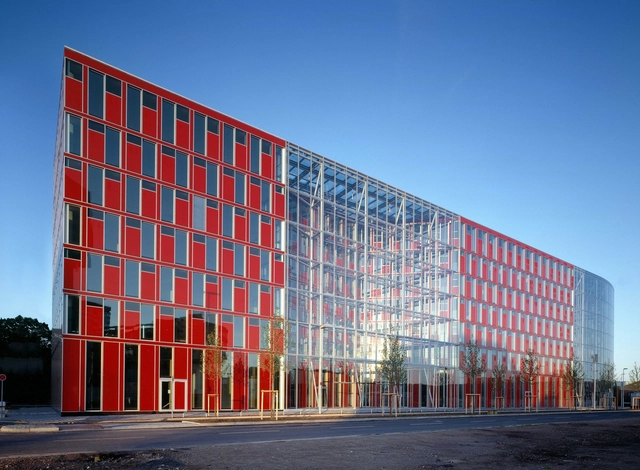
Capricorn House Medienhafen Düsseldorf / Gatermann + Schossig


-
Architects: Gatermann + Schossig
- Area: 43000 m²
- Year: 2008
https://www.archdaily.com/476935/capricorn-house-medienhafen-dusseldorf-gatermann-schossigDaniel Sánchez