

-
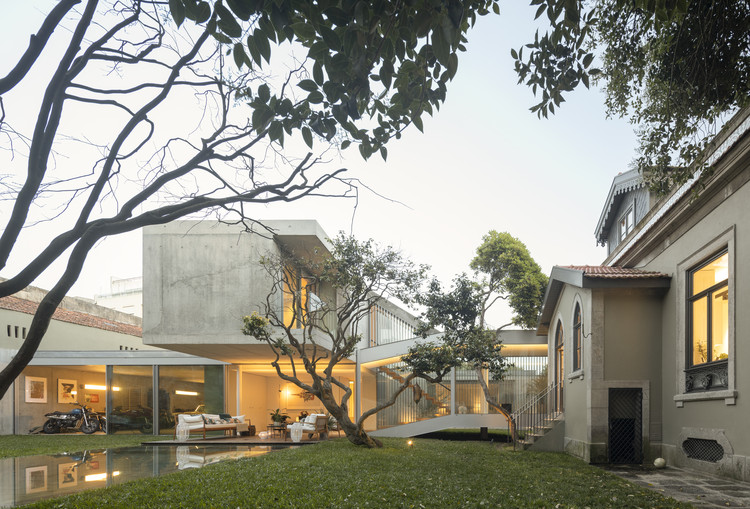
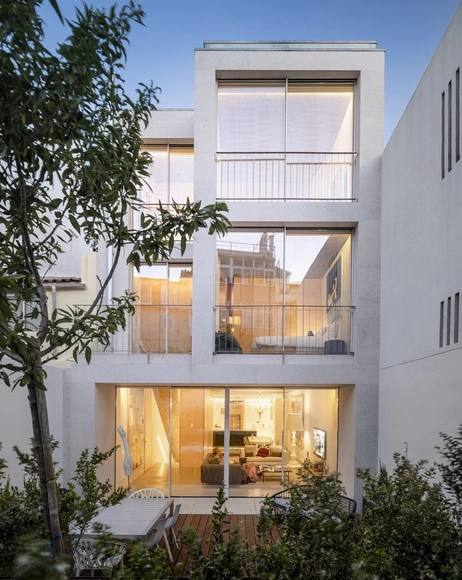
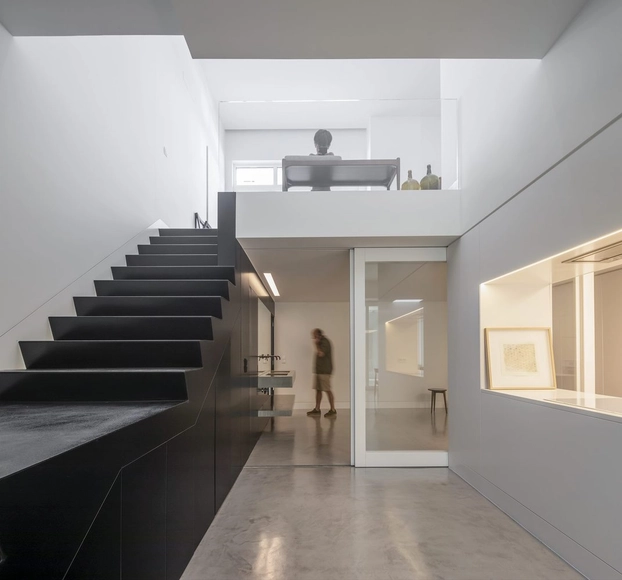
Architects: ARX Portugal Arquitectos
- Area: 423 m²
- Year: 2016
A year ago, we announced that Portuguese architect Álvaro Siza Vieira was awarded the 2019 Spanish National Architecture Award. Today, October 30, at 5:00 PM CET, the award ceremony will not only be held as a special streaming event from the Palacio de Zurbano in Madrid, but it also marks the first time the award has been presented by a Prime Minister.
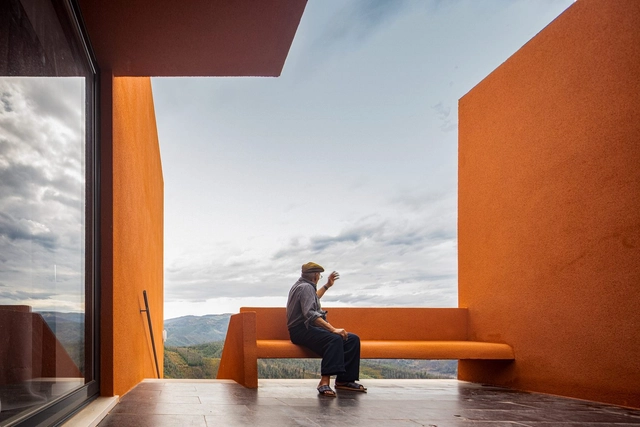
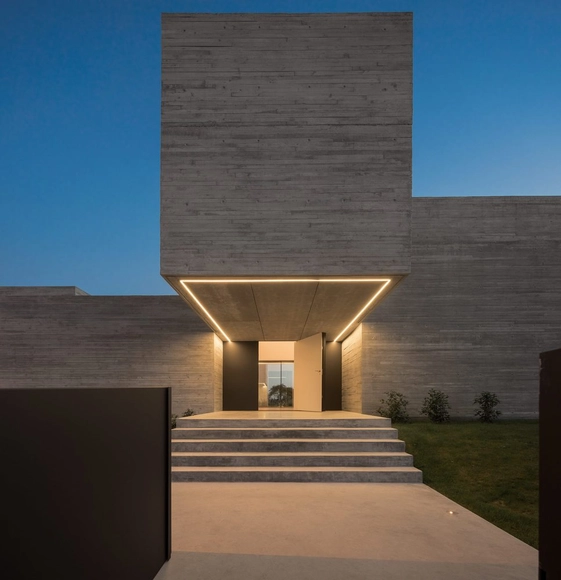


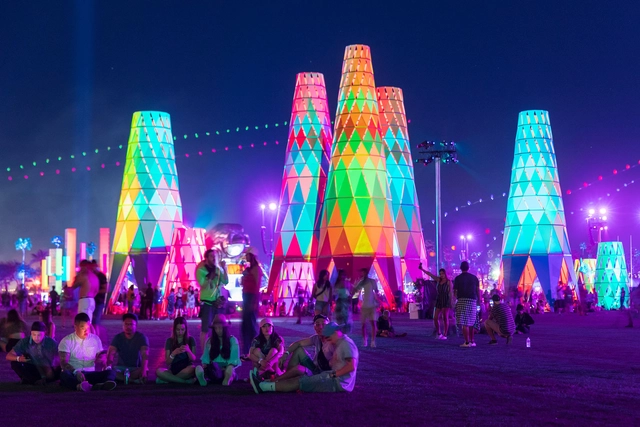
Pop-up architecture makes the most of tiny spaces and intimate experiences. As temporary structures, pop-ups are nothing new, dating back at least to Roman times as temporary stages for festivals called ludi. Pushing the boundaries of architecture, they feature a light-touch for maximum impact, each built to make a statement. Today, they are often designed around the full life-cycle of a project to minimize environmental impact.

The Brundtland Report, 1987 - "Our Common Future" - introduced the notion that the sustainable use of natural resources must "meet the needs of the present generation without affecting the ability of future generations to meet theirs." Since then, the term sustainability has been popularized and, often, trivialized in our daily lives. In the construction industry, this is no different. As much as we know that to build, we need to destroy, how is it possible to mitigate the effects of construction during the useful life and demolition of buildings? A sustainable building, in its design, construction, and operation, must reduce or eliminate negative effects overall and may even generate net positive impacts on the climate and environment – preserving resources and improving the quality of life of the occupants simultaneously. To say that a building is sustainable is easy and even seductive. But what exactly makes sustainable construction?
Answering this question is not a simple exercise. That is why, in the last 30 years, several building sustainability certifications have been created. Through outsourced and impartial evaluations from different sources, they aim to verify the sustainable aspects of any construction. Each of them addresses particular building elements and is typically focused on certain regions of the world. While there are some certifications that verify whether the building meets certain efficiency criteria, others create different classifications, assigning a score based on these evaluations. Below, we list some of the primary sustainability certifications around the world – ranked alphabetically – and include their main architectural applications alongside a brief explanation: