Originating as protection against low temperatures around 3,500 years ago, carpets and rugs have, over time, evolved into a true art form, reaching a high level of specialization by the 16th century. Rugs, carpets, and tapestries of various shapes, colors, textures, and patterns are integrated into different areas of the home to meet users' needs and enhance spatial comfort, sometimes extending far beyond their original purpose.
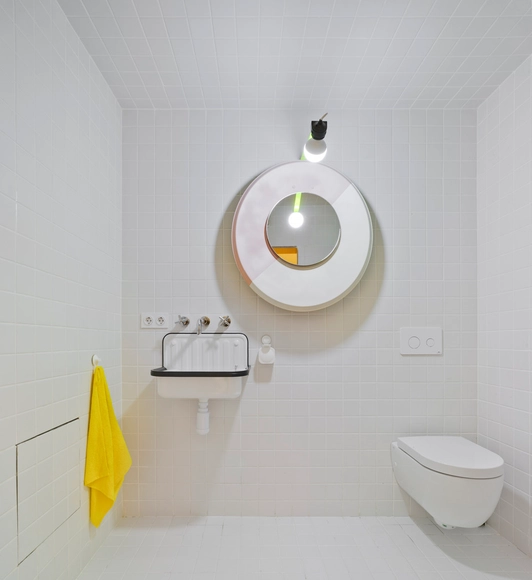
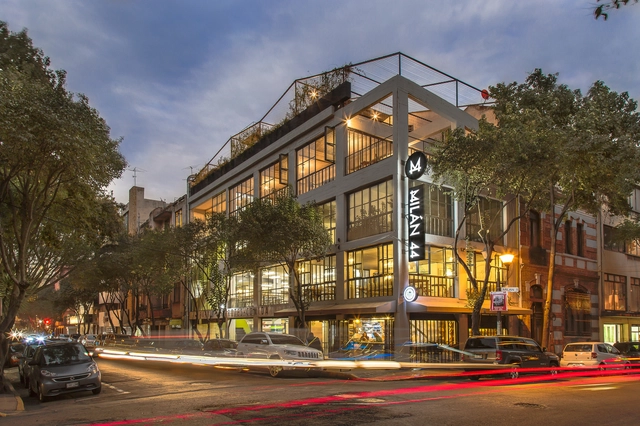
Molière Street Renovation / PPAA Pérez Palacios Arquitectos Asociados. Image
Over the years, interior design has evolved in response to changing needs, and above all, to the experiences it seeks to evoke for the user. Over the last two years, we have witnessed a radical shift and a heightened interest in this field, as the pandemic forced us to pay closer attention to how we configure the spaces we inhabit. This has brought about much more holistic designs aimed at user well-being, combining colors, sensory experiences, technology, and natural elements that promote health.
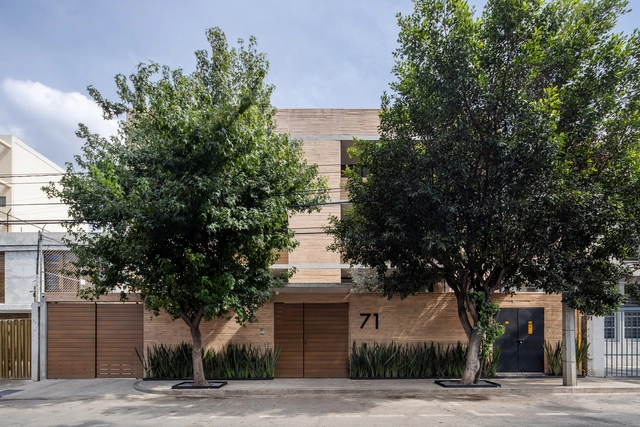
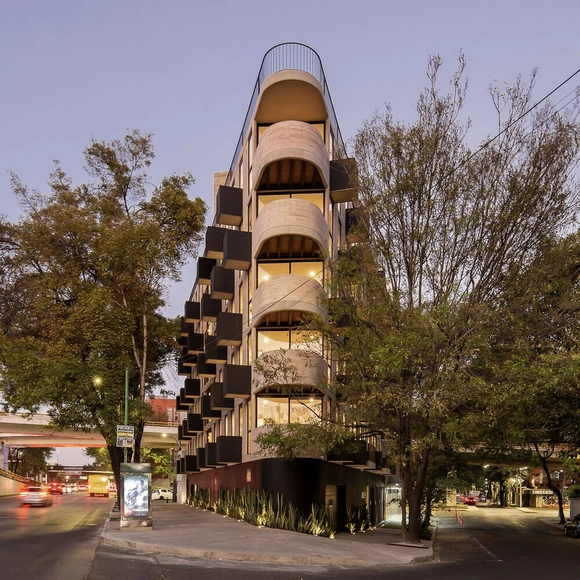
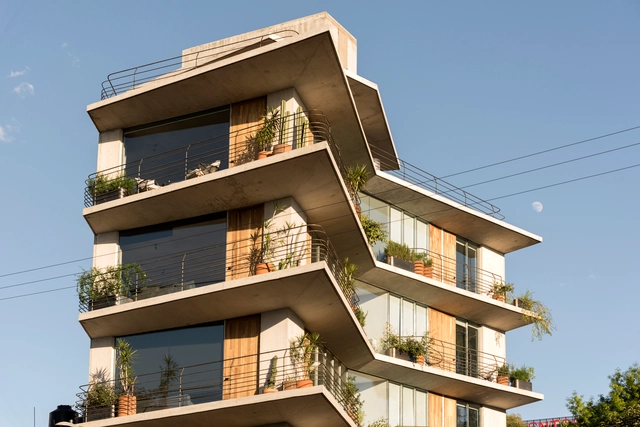
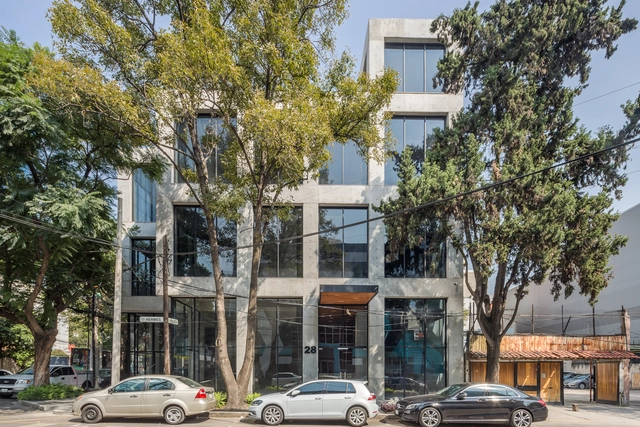
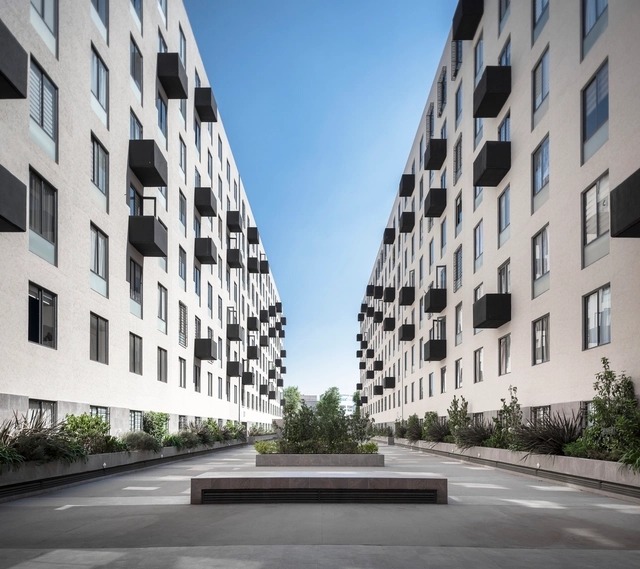
Mexico City, considered one of the largest and most populous urban areas in the world, is in fact the largest city in the Americas and the Spanish-speaking world. Given this vast footprint, its immense population has led to sprawling peripheral settlements, highlighting the urgent need for a denser, more inclusive city. Various factors—such as the abandonment of downtown buildings following historic earthquakes like the one in 1985, compounded by a lack of basic habitability—have drawn the attention of diverse actors. Through clear, targeted interventions, they seek to restore a cohesive urban fabric that empowers residents to reclaim their city.
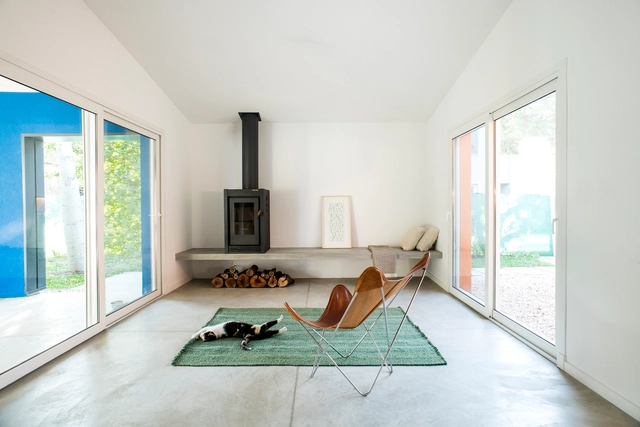
One of the most critical factors in architectural design is the site's specific climate. While this can present challenges in extreme conditions—requiring insulating materials to adapt to shifting environments—Mexico's privileged climate works in the architects' favor. It allows them to create microclimates and spaces that blur the boundary between indoors and outdoors.
On October 13, the 2018 Archmarathon Awards concluded their fifth edition in Milan. Held at the impressive Palazzo Mezzanotte from October 11 to 13, 2018, the event featured 55 architecture and interior design projects across 16 categories, submitted by 55 studios from 23 countries and four continents. Selected by a prestigious international jury, the 55 firms were invited to present their projects to a large audience of architects, developers, and designers from around the world.
During the ceremony, the winners of each of the 16 categories and two overall winners—one for architecture and one for interior design—were announced. The selection was made by a main jury chaired by Luca Molinari, Gary Chang, Lesley Lokko, and Mexican architect Rozana Montiel, along with a guest jury comprising Massimiliano Cecconi, Cherubino Gambardella, and Evgeniya Murinets. Read on to discover the final winners in both categories.
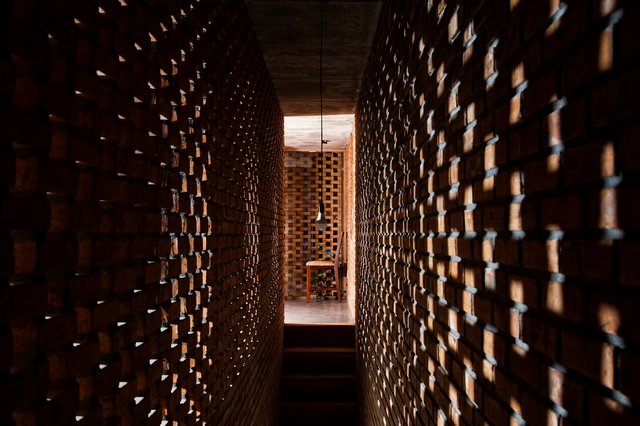
Although an architectural project comes to life with palpable materials, it is also defined by intangible qualities that give it richness, dynamism, and liveliness. Among them, the interplay of light and shadow can transform environments and affect their perception, determining the user's spatial experience. Besides providing natural ventilation, privacy, and thermal comfort, lattices allow this duality by filtering the entry of sunlight while projecting repetitive figures on the surface. In this way, perforated walls and ceilings can create multiple geometric patterns of light and shadow that become design elements capable of generating unique atmospheres.
Climate is one of the key factors to take into consideration when designing a space. Of course, this can present a challenge, especially when dealing with extreme climates and the need for insulating materials that are able to adapt to a wide range of conditions. Luckily, for architects operating in Mexico, the country's privileged climate facilitates the creation of microclimates and spaces that blur the line between interior and exterior.
Over the years, interior design has evolved according to the needs that arise, but above all according to the experiences it seeks to evoke in the user. In the last two years we have witnessed a radical change and a special interest in this subject because the pandemic forced us to pay specific attention to the configuration of the places we inhabit. This brought about much more holistic designs that seek to address the wellbeing of the user, combining colours, sensory experiences, technology and natural elements that promote health.
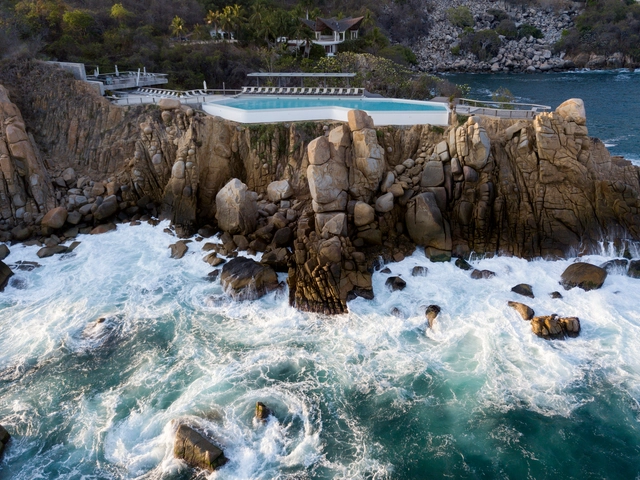
Guerrero is a state in the southwest corner of Mexico that shares land borders with the State of Mexico, Morelos, Puebla, Oaxaca, and Michoacán and a coastline with the Pacific Ocean. With over 64,281 km² of territory, it is the twelfth most populated state in Mexico. It's capital city is Chilpancingo de Juárez and it's most populated city is Acapulco de Juárez.
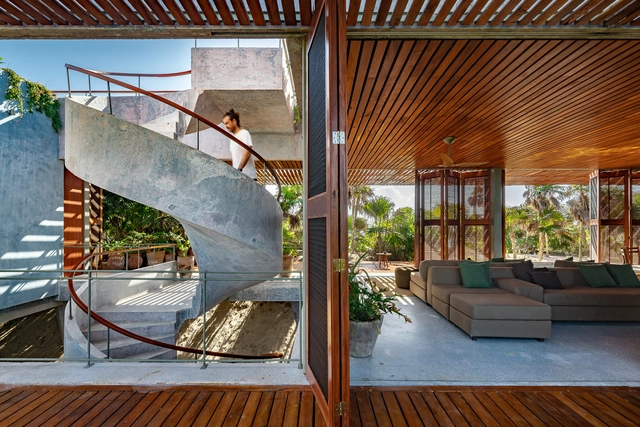
Stairways are central to access and mobility within a space, and yet, they often take a backseat to other elements of design within a work of architecture. However, Mexican firm PRODUCTORA has put them at the forefront of many of their projects, notably the Teopanzolco Cultural Center.
Square, rectangular, hexagonal, matte, shiny. It's hard to think of a more versatile flooring material than tiles. They're also known for their high durability, ease of maintenance and installation, and are among the most common choices for covering floors and walls, whether wet or not. Following are 10 common questions about ceramic tiles, and their answers: