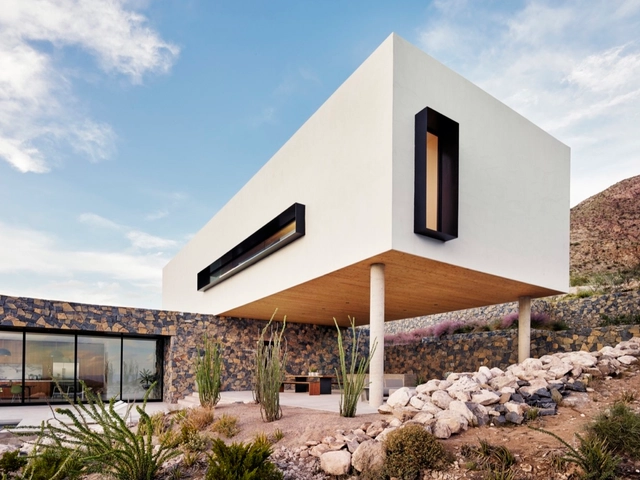
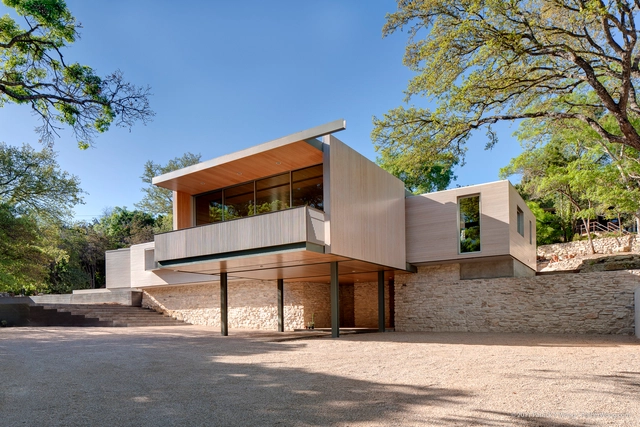
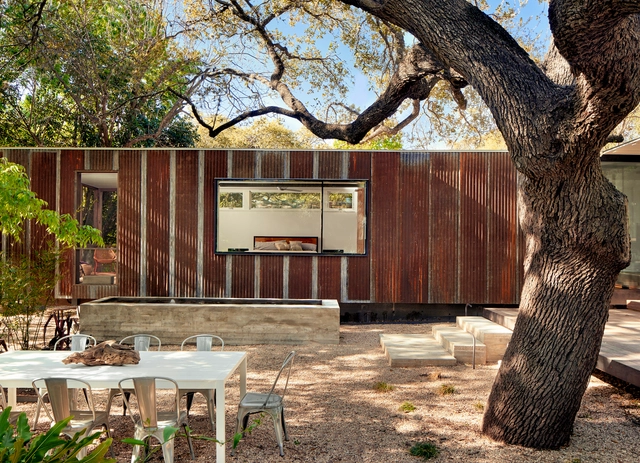
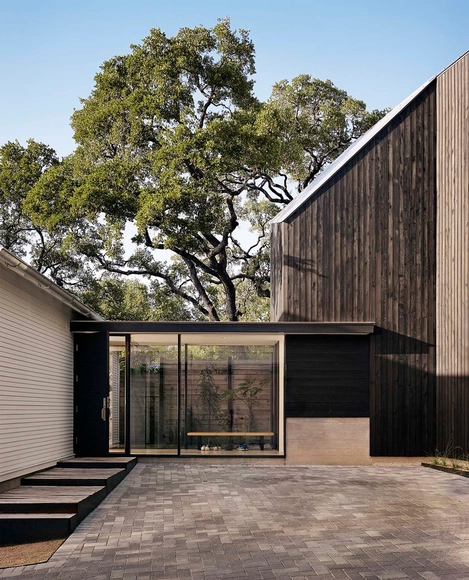
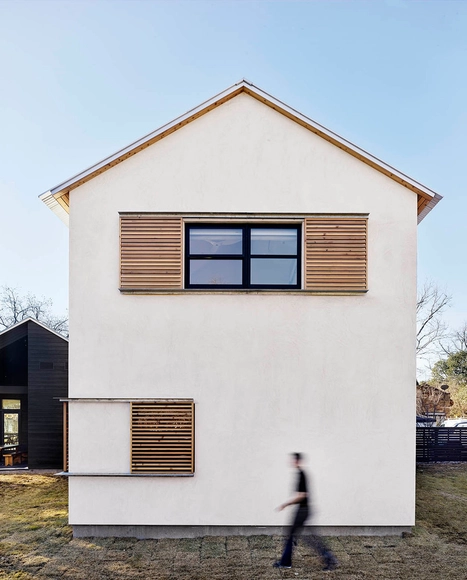
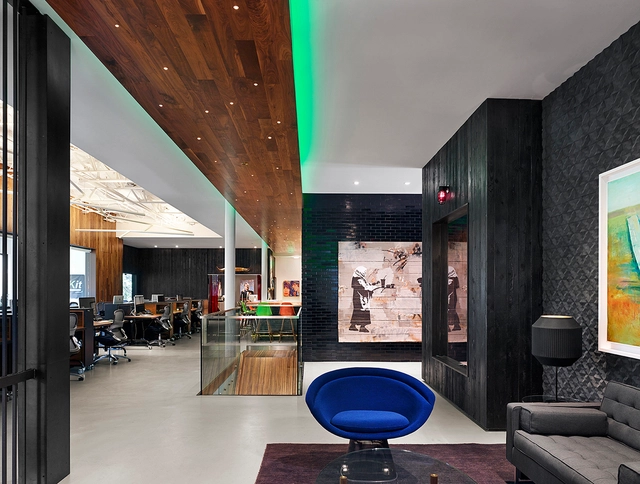
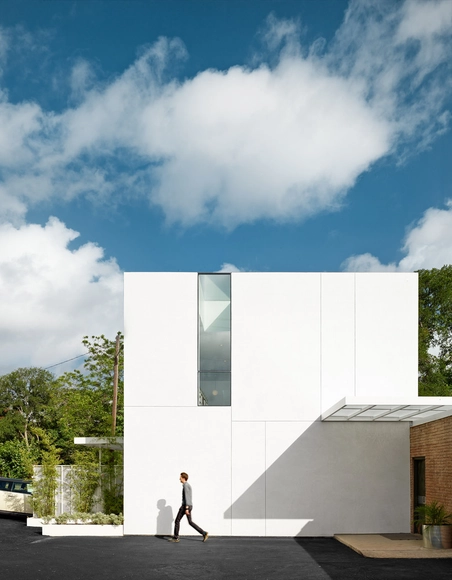
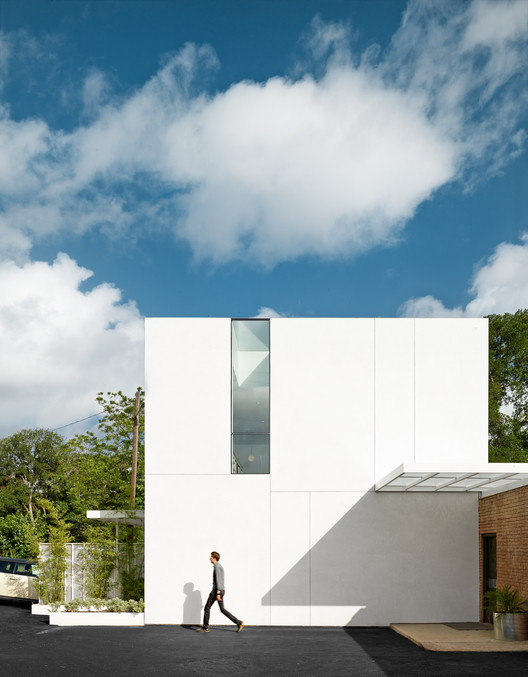
The American Institute of Architects (AIA) announced the winners of their 18th annual Housing Awards, which recognize the best in housing design for new constructions, restorations, and renovations. This year the five-person jury selected eleven projects to receive awards in four categories: one- and two-family custom residences; one- and two-family production homes; multifamily housing; and specialized housing.
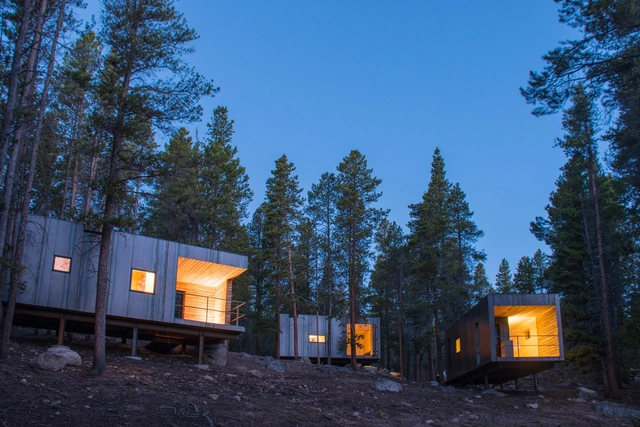
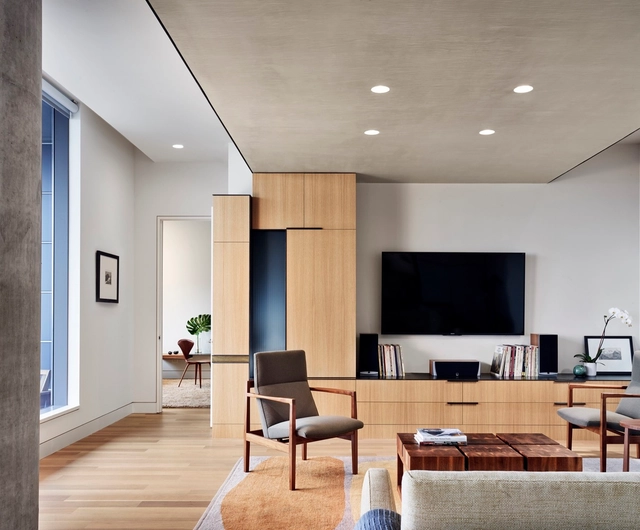
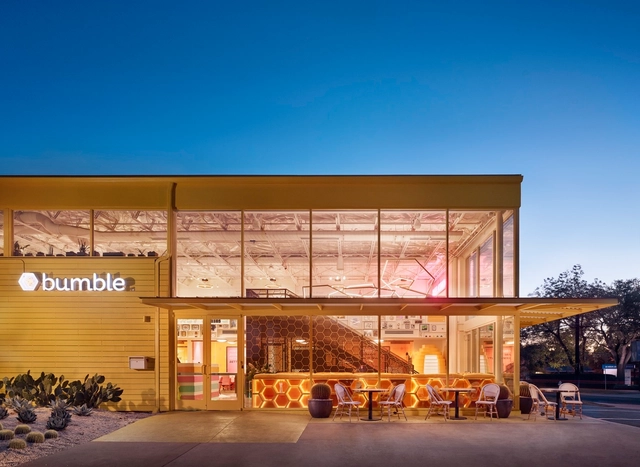
The American Institute of Architects (AIA) has selected 11 recipients of the 2017 Small Project Awards. This is the 14th edition of the program, which was established to recognize "small-project practitioners for the high quality of their work and to promote excellence in small-project design."
This year the winners have been placed into three categories:
Category 1: small project construction, object, work of environmental art or architectural design element up to $150,000 in construction cost
Category 2: small project construction, up to $1,500,000 in construction cost
Category 3: small project construction, object, work of environmental art or architectural design under 5,000 square feet
This year’s winners include a wide variety of program types and sites. Continue after the break for the list and descriptions of the projects.
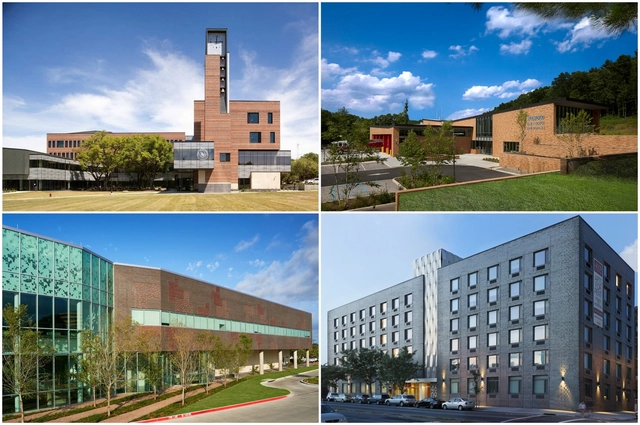
The Brick Industry Association (BIA) has announced the results of the 2016 Brick in Architecture Awards, given to “the country’s most visionary projects incorporating fired-clay brick.” This year, there were a total of 32 medalists with Best in Class winners in seven categories: Commercial, Educational (Higher Education), Educational (K-12), Healthcare, Municipal/Government, Residential (Multifamily) and Residential (Single Family).
“These winners demonstrate the best of brick’s aesthetic flexibility, and as a material made from abundant natural resources, it’s a perfect strategy in sustainable design,” said Ray Leonhard, BIA’s president and CEO.
The result is a compelling report. It reveals that these high-performing projects skew small. That performance gains and metrics, particularly real-time performance metrics, are improving each year. That the leading projects tend to be expensive. On average, they come in at $537 per square foot. “The cost data shows us that we need more compelling examples of lower-cost, higher performance projects,” Hosey says. Clearly, more exemplars at greater scale, type, and cost variation would be beneficial to both the profession and the market.
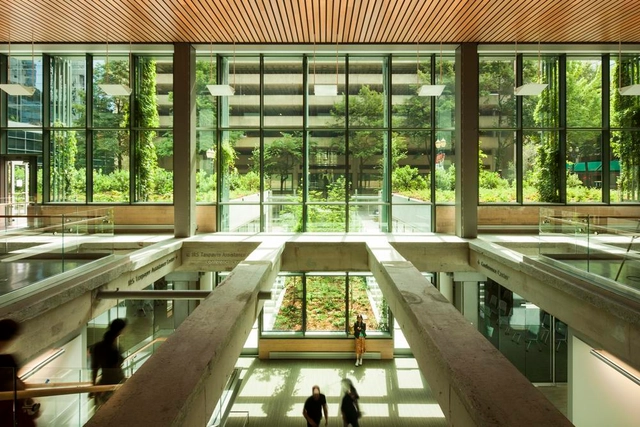
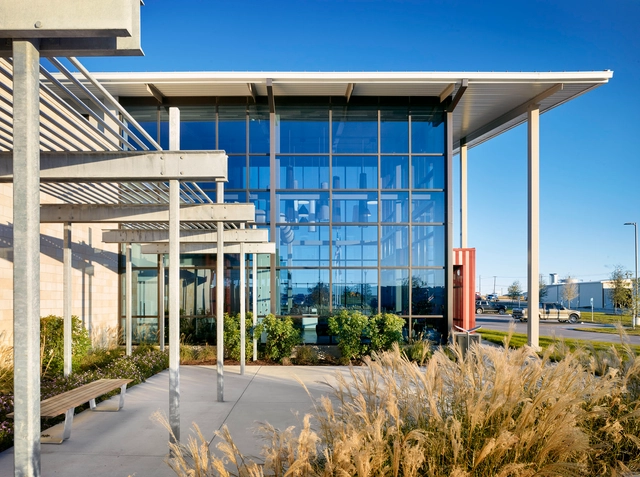
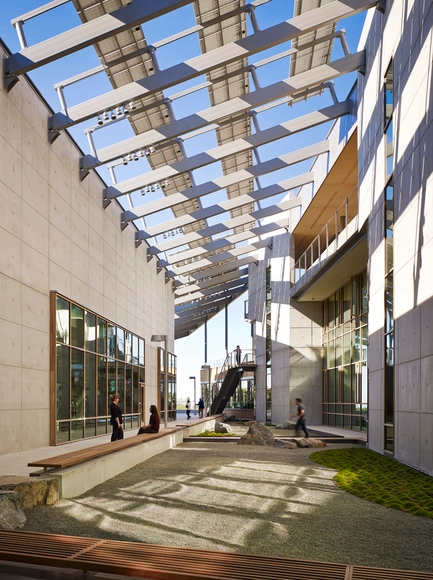
Now in its 20th year, the COTE Top Ten Awards program honors projects that protect and enhance the environment through an integrated approach to architecture, natural systems, and technology.
A recently released study, entitled Lessons from the Leading Edge, reports that design projects recognized through this program are “outpacing the industry by virtually every standard of performance.”
.jpg?1528289112&format=webp&width=640&height=580)
.jpg?1528288940&format=webp&width=230&height=230&crop=true)
.jpg?1528289080&format=webp&width=230&height=230&crop=true)
.jpg?1528289177&format=webp&width=230&height=230&crop=true)
.jpg?1528289145&format=webp&width=230&height=230&crop=true)
.jpg?1528289112)


_Bilyana_Dimitrova.jpg?1526930865&format=webp&width=230&height=230&crop=true)






.jpg?1505111776&format=webp&width=640&height=580)
.jpg?1505113108&format=webp&width=230&height=230&crop=true)
.jpg?1505112470&format=webp&width=230&height=230&crop=true)
.jpg?1505112287&format=webp&width=230&height=230&crop=true)
.jpg?1505112550&format=webp&width=230&height=230&crop=true)
.jpg?1505111776)