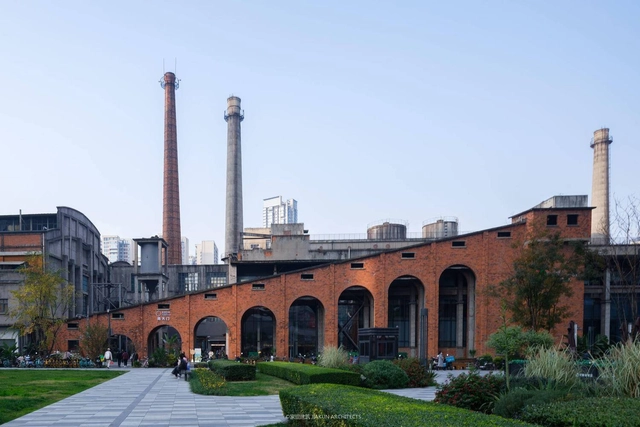
For nearly the past two decades, cities around the world embraced "starchitecture"—futuristic, eye-catching buildings designed by globally renowned architects. In China, this trend was particularly pronounced as rapid urbanization fueled the construction of iconic megastructures like Zaha Hadid's Galaxy SOHO, OMA's CCTV Headquarters, and Herzog & de Meuron's Bird's Nest Stadium in Beijing. At the time of their construction, these were all celebrated as symbols of progress and global ambition. However, architecture worldwide has begun shifting toward a more context-driven, human-centered approach, with China emerging as one of the key contributors to this transformation. This year, Liu Jia Kun's 2025 Pritzker Prize further underscores that shift.
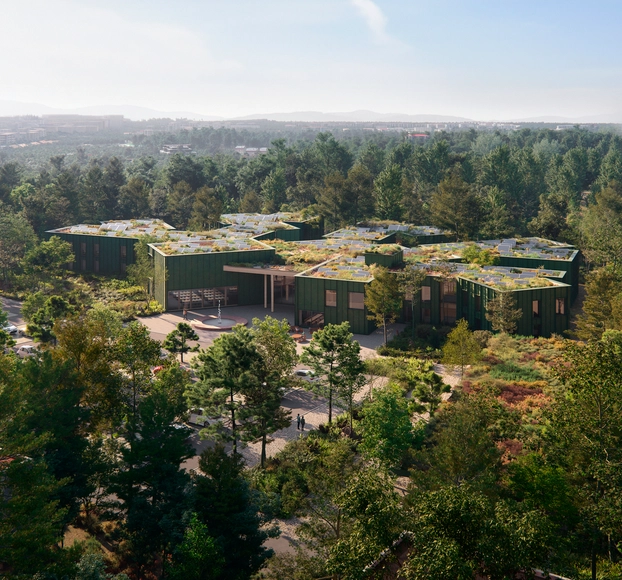
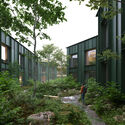
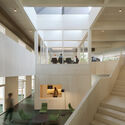
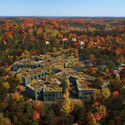
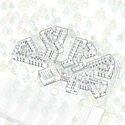
In 2016, an international public architecture competition was announced to design a new administrative center for the Czech Forestry Commission. The new building would replace the existing headquarters on the outskirts of Hradec Králové, a medieval city surrounded by municipal forests on its eastern limit. CHYBIK+KRISTOF's 'Forestry in the Forest' project was selected as the winning proposal in 2017 after a two-round anonymous competition. Now, seven years after the competition, the firm has revealed images and plans for what is set to become the largest wooden structure in the Czech Republic. The design is characterized by establishing a permanent relationship with the surrounding landscape and by seeking to exemplify the benefits of timber construction for the local industry.