

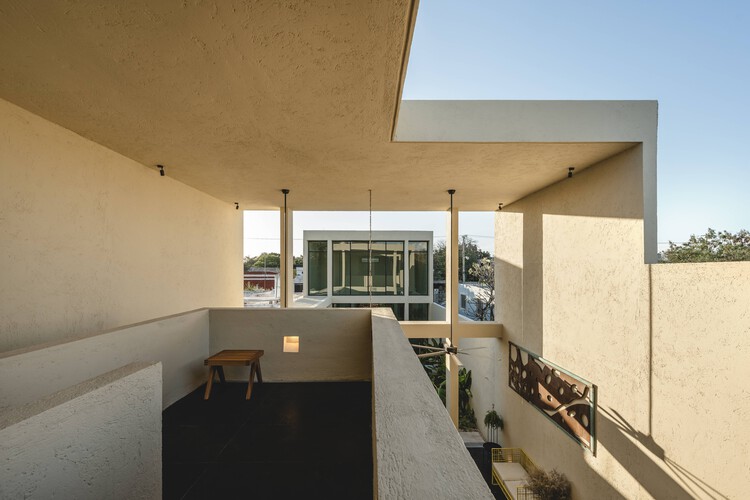
-
Architects: Taller Estilo Arquitectura
- Area: 229 m²
- Year: 2025
-
Manufacturers: American Standard, Comex, Fester, Interceramic, Sika, +8


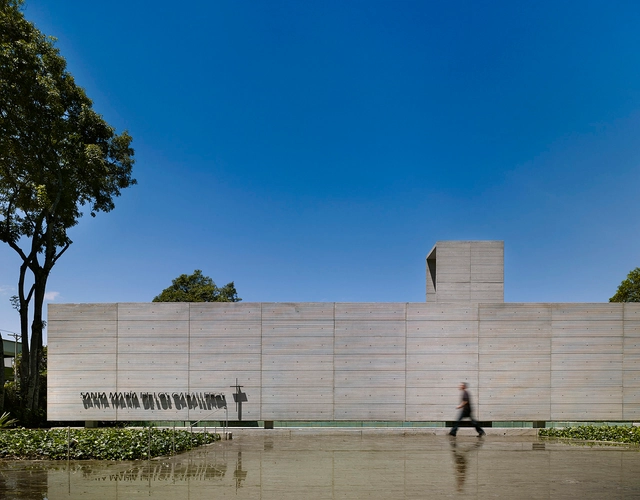
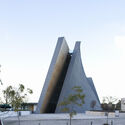
Latin America is home to the largest Catholic population in the world—more than 25% of all Catholics globally live on this continent. Here, faith has shaped not only spiritual life but also cities' cultural, social, and urban fabric. Since the first temples, built during European colonization, the architecture of Catholic churches in the region has undergone profound transformations. The once-imposing features of colonial Baroque and richly ornamented façades have gradually given way to bolder, more contemporary expressions that reflect local realities, a search for identity, and a spirit of architectural experimentation.


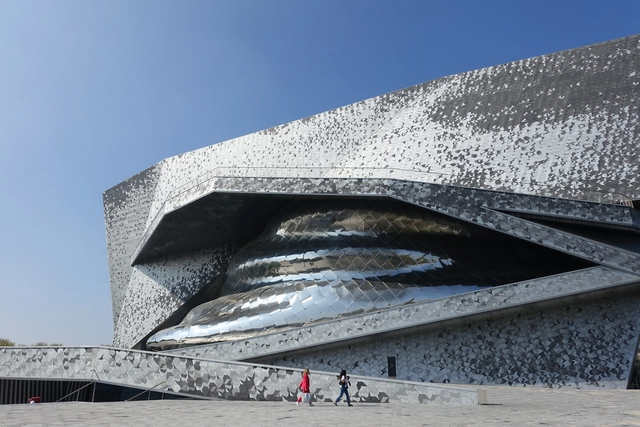
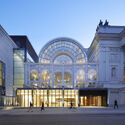
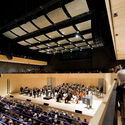
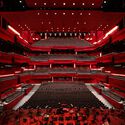
Theaters, concert halls, and opera houses are more than just venues — they are meticulously orchestrated environments where architecture, technology, and human emotion converge. Unlike conventional buildings, these spaces must accommodate a dynamic interplay between acoustics, sightlines, stage mechanics, and audience engagement, all while maintaining an architectural identity that resonates with performers and spectators alike. Whether it is the immersive embrace of a vineyard-style concert hall or the grandeur of a proscenium theater, every design decision shapes how performances are experienced and remembered.
The recently published SET PIECES: Architecture for the Performing Arts in Fifteen Fragments by Diamond Schmitt Architects explores these complexities through case studies and reflections. Inspired by its insights, this article examines essential design considerations for performance spaces, from acoustic engineering to the evolving role of theaters in urban life.