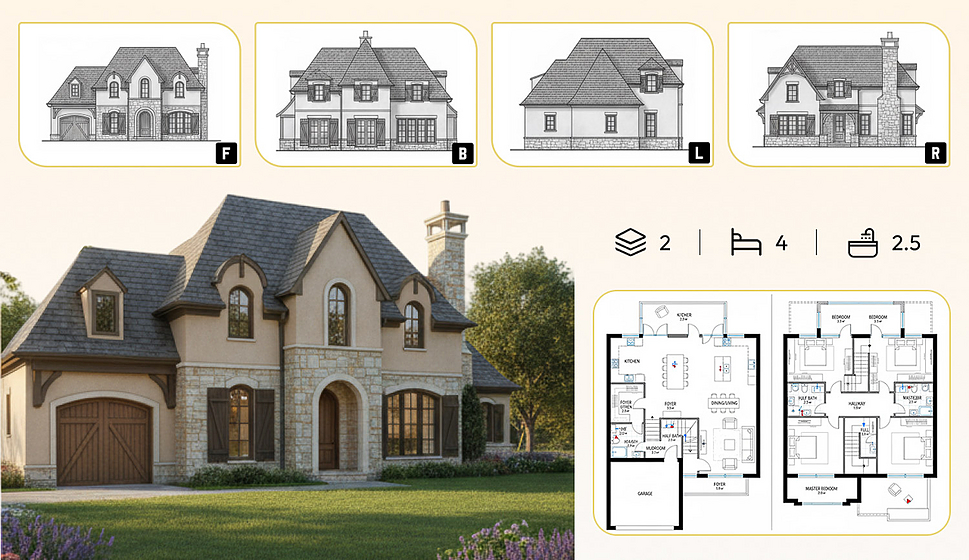
This guide covers a workflow that moves from project parameters to generated floor plans, 3D perspective views, exterior design exploration, and site context visualization, using AI tools in place of preliminary CAD and rendering work.
This guide covers a workflow that moves from project parameters to generated floor plans, 3D perspective views, exterior design exploration, and site context visualization, using AI tools in place of preliminary CAD and rendering work.

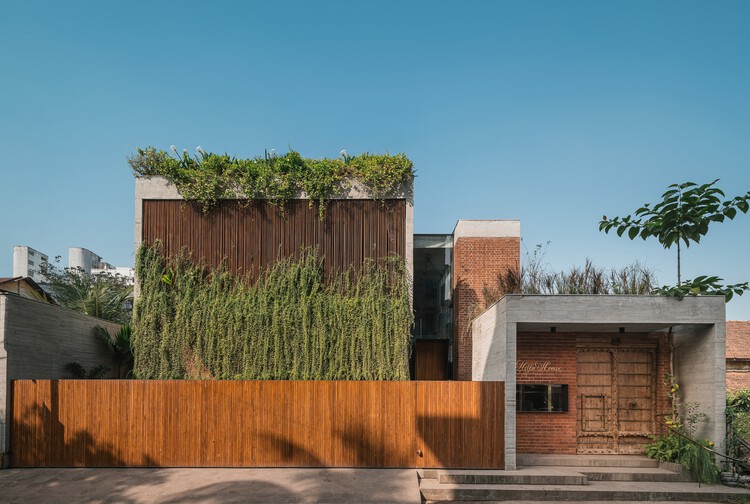
Selecting wood for outdoor applications involves more than appearance alone. Durability, stability, versatility and sustainability all influence how a material performs over time. Understanding these factors can help architects, builders and homeowners choose the right wood for exterior projects.
Wood remains one of the most desirable materials for exterior applications. Its natural appearance, warmth and versatility make it a popular choice for decking, siding, windows, doors, outdoor structures and architectural detailing.

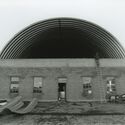
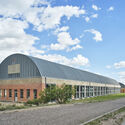
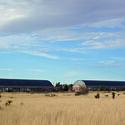
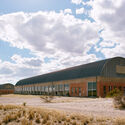
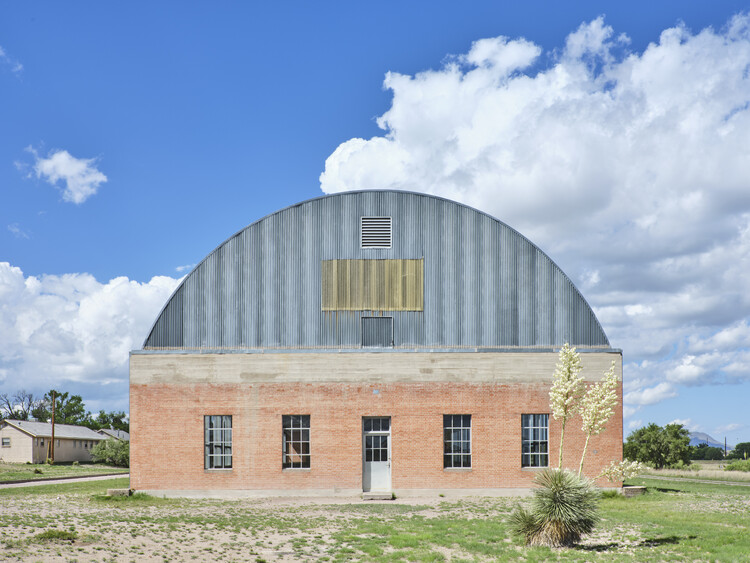
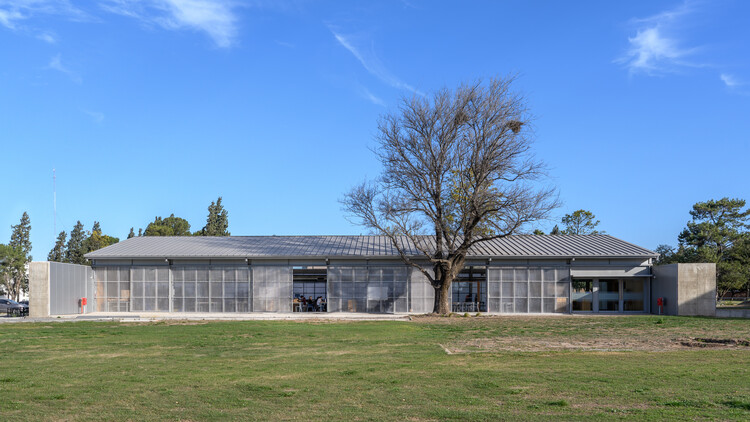
The Chinati Foundation has announced plans to restore the Artillery Sheds in Marfa, Texas, the former military buildings adapted by artist Donald Judd to house his 100 untitled works in mill aluminum, created between 1982 and 1986. Led by architect Troy Schaum of Schaum Architects, the multi-year preservation project is being developed with the Getty Conservation Institute and will address the historic buildings' envelope, accessibility, environmental performance, and landscape while preserving Judd's site-specific installation. The project follows the Artillery Sheds' inclusion in the National Register of Historic Places in 2025 as part of the expanded Donald Judd Historic District.


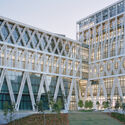
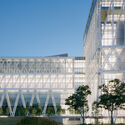
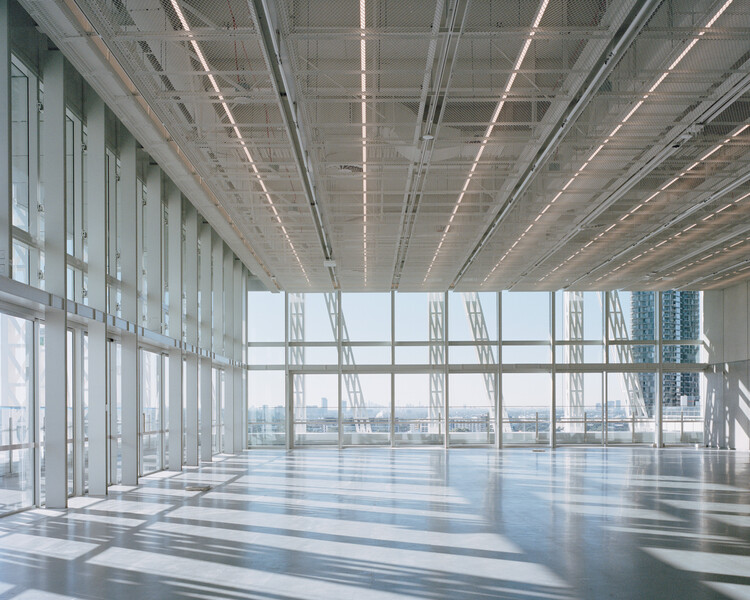
Powerhouse Parramatta, a new museum and cultural institution on the banks of the Parramatta River in Western Sydney, Australia, will open to the public on Saturday, November 7, 2026. The 30,000-square-meter building has been designed by Franco-Japanese firm Moreau Kusunoki as lead designer, with Australian firm Genton as local architect and Arup as engineer. Moreau Kusunoki won the design competition for the project in 2019, with completion initially planned for 2025. Powerhouse Parramatta is the first state cultural organization located in Western Sydney, a region whose population includes communities from more than 170 countries. At opening, the museum will present five exhibitions.

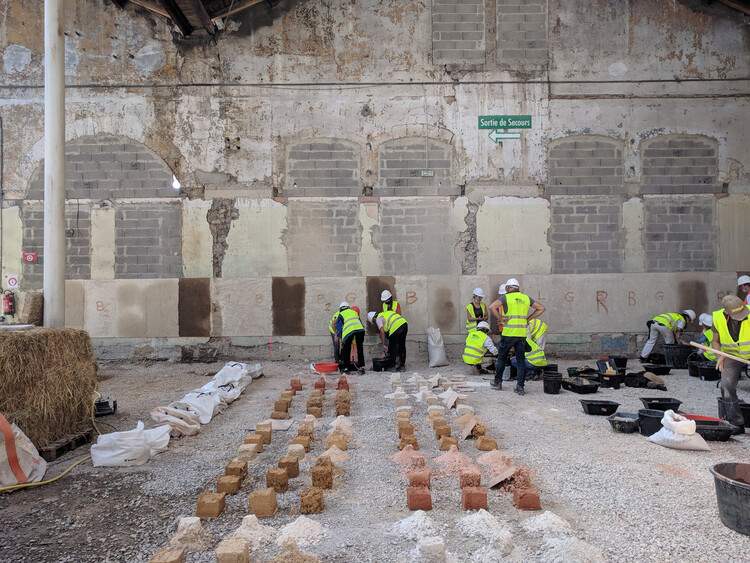
Architects are trained to choose materials, compare their properties, and decide how they should be used. Some practices are taking on a different task: developing the material itself.
For Material Cultures, BC architects, and Studio Ossidiana, this can begin with hemp grown for construction, earth excavated from building sites, or mixtures of concrete, pigment, stone, and shells. Their work connects material research with processing, fabrication, and construction.


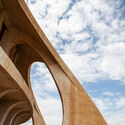
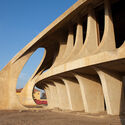
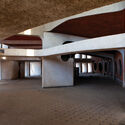
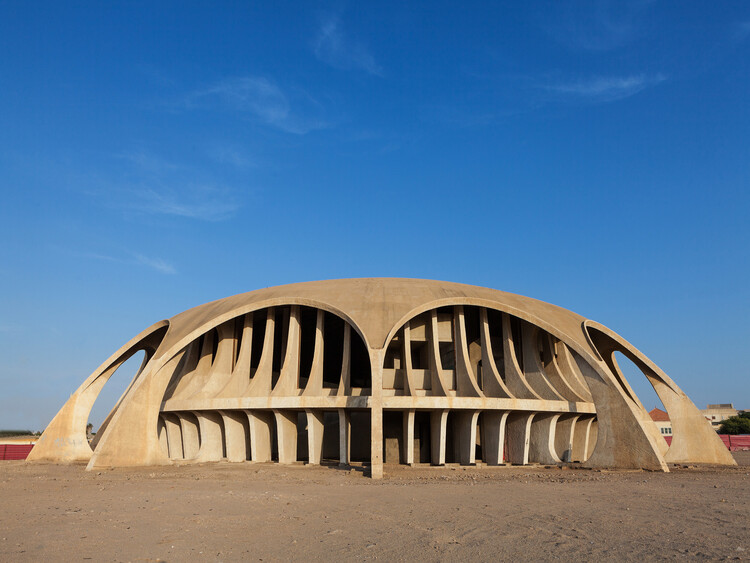
What sustains the purpose of architecture that has never been occupied? For decades, this was the question surrounding the Namibe Cinema-Studio, built on the coast of Angola in 1973. Conceived as a film screening venue, the building remained closed and abandoned, never fulfilling the role for which it was created. Yet it withstood the passage of time, becoming an icon of the Angolan landscape and architecture, until finally screening its first film nearly fifty years later.
But what kept this building alive in the collective imagination for so long? Was it precisely its bold, singular architecture that was able to give meaning to a project that never had a use?


On Spain's Costa Brava, the little-known brutalist housing block Les Feixes, in L'Estartit, becomes the main stage of "Caçador de Geometries" (Geometry Hunter), a short film produced by Simon and directed by filmmaker Matilda Vidal de Llobatera. Its premiere marks the launch of the sixth edition of the Living Places – Simon Architecture Prize, the only award that uses video to explain architecture from the perspective of those who inhabit it. Curated by Fundació Mies van der Rohe since 2016, it is now open and, coinciding with its tenth anniversary, it joins the program of Barcelona 2026, World Capital of Architecture.

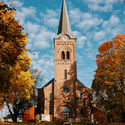
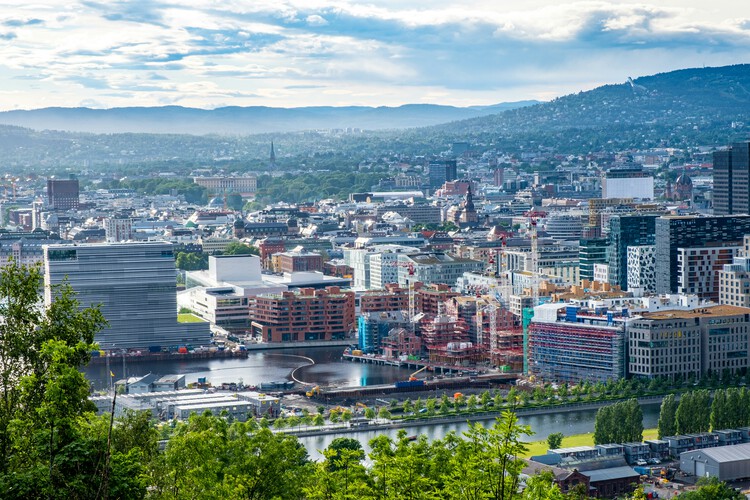
The 2026 Oslo Architecture Triennale will take place from September 17 to October 1 at Sofienberg Church in Oslo, bringing together more than 30 international architecture projects around the question "What if Nature Comes First?" For its ninth edition, the Triennale will adopt a two-week festival format, combining an exhibition with conferences, seminars, workshops, film screenings and guided walks. Curated by Line Ramstad, the programme will examine how placing nature at the starting point of architectural decision-making could influence what is built, preserved, transformed or left untouched.