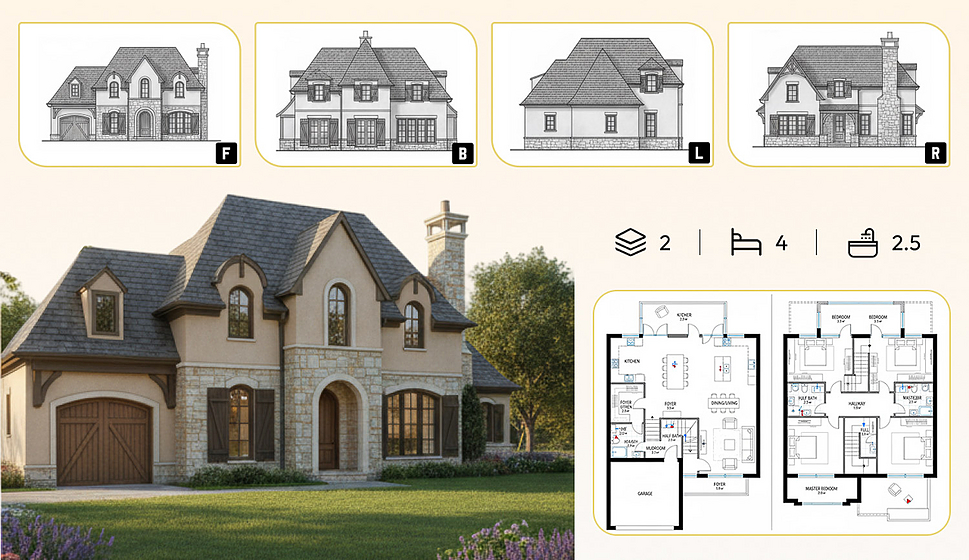
This guide covers a workflow that moves from project parameters to generated floor plans, 3D perspective views, exterior design exploration, and site context visualization, using AI tools in place of preliminary CAD and rendering work.
This guide covers a workflow that moves from project parameters to generated floor plans, 3D perspective views, exterior design exploration, and site context visualization, using AI tools in place of preliminary CAD and rendering work.
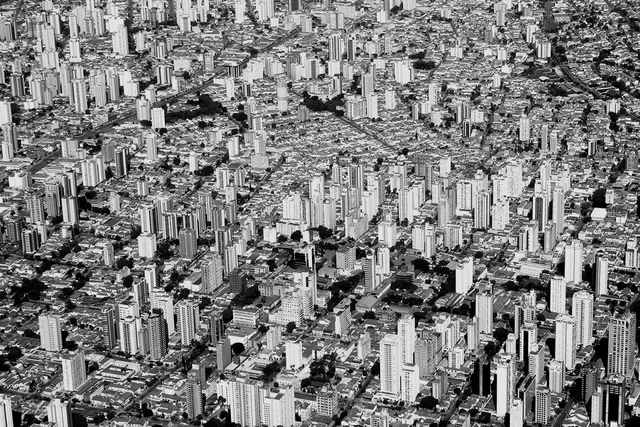
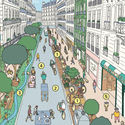
On October 29, the 2020 Inequality Map was launched virtually. Produced by Rede Nossa São Paulo and the Cidades Sustentáveis program, the study maps indicators such as mobility, human rights, education, and health across the city's 96 districts.
Although the mapping was conducted using pre-pandemic data, the goal is for the information to guide the development of public policies to mitigate inequality indicators, which have been exacerbated by the COVID-19 pandemic.
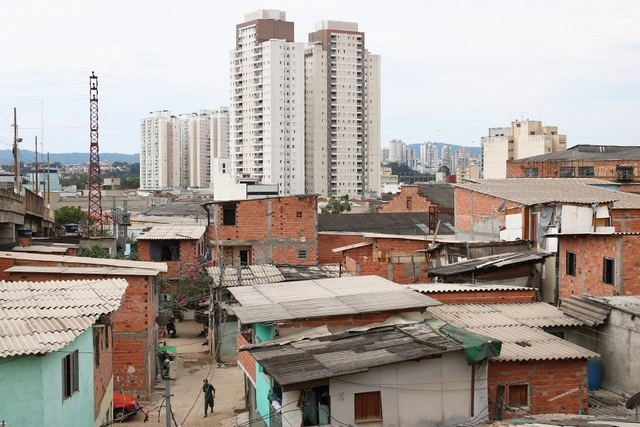
In the book “Quarto de Despejo – Diário de Uma Favelada” (published in English as Child of the Dark), Carolina Maria de Jesus recounts, in poetic and dramatic everyday language, the harsh reality of life as a waste picker living in the former Canindé favela in São Paulo, which at the time had about 50,000 residents.
Published in 1960, her text is considered a milestone in Black women's writing in Brazil and has been translated into more than thirteen languages. Carolina's entries offer a unique perspective on the extremely precarious living conditions of a favela resident in late-1950s Brazil—a narrative previously ignored or simply unknown to the general public, let alone to policymakers.

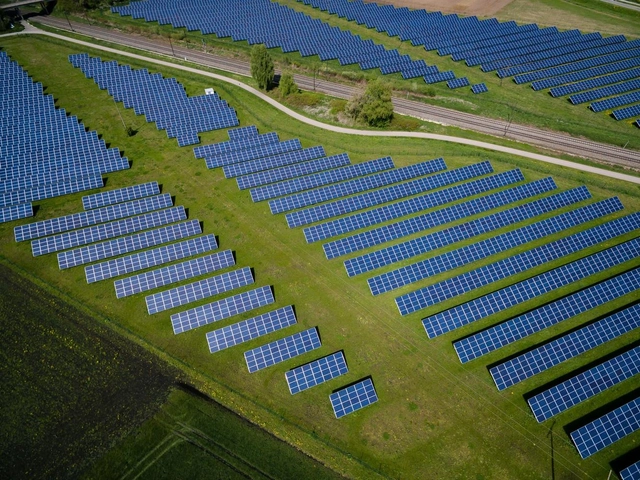
Solar energy is officially the cheapest way to generate electricity today, according to the International Energy Agency (IEA) in its newly released annual World Energy Outlook 2020 report. “With sharp cost reductions over the past decade, solar PV is consistently cheaper than new coal- or gas-fired power plants in most countries, and solar projects now offer some of the lowest electricity costs ever seen,” the document states.


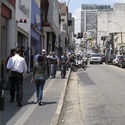
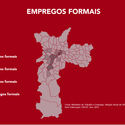
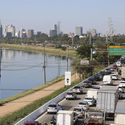
São Paulo is immense and full of challenges. With twelve million inhabitants, Latin America's largest city struggles to provide a good quality of life for its residents. Traffic congestion is relentless. Public transit is still far from ideal. The Expanded Center concentrates a volume of jobs disproportionate to its population. Unsurprisingly, the daily commute is one of the main complaints of paulistanos.
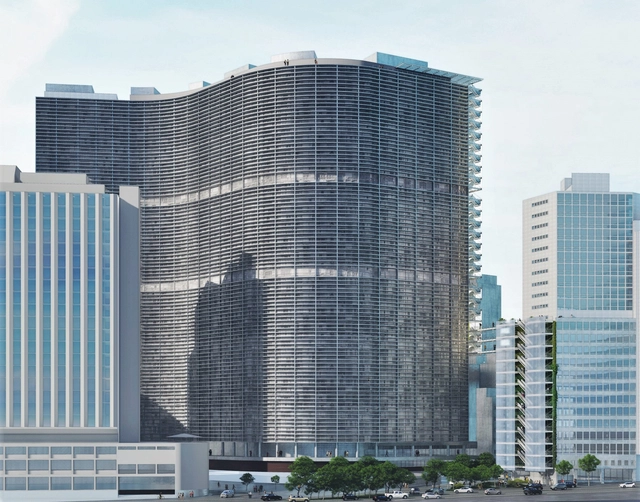
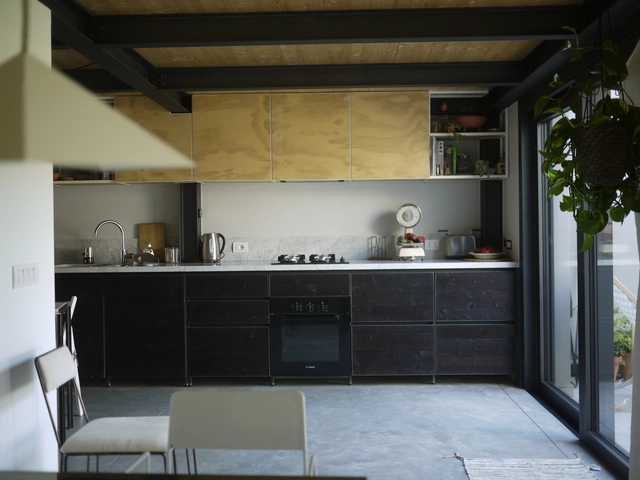
Geared toward Latin American architecture students, the Acero Prize aims to promote and encourage initiatives that complement pedagogical models, fostering innovative architectural ideas that use steel as a raw material. This year's edition, themed "Sustainable Cities and Communities," awarded first place to a team of two Brazilian students from FAUUSP.
“Architecture that does not touch the ground” is the name of the proposal developed by Augusto Longarine and Luiz Sakata, advised by Professor Luciano Margotto. With the same project, they won the 13th CBCA Competition (Brazilian Center for Steel Construction), the national stage preceding the Alacero competition. See the project below, accompanied by the project description written by the students.

Casa da Arquitectura – Centro Português de Arquitectura is celebrating its 3rd anniversary starting November 17 at the Quarteirão da Real Vinícola in Matosinhos. The program features free admission to the exhibition through November 22, alongside online content available on its social media channels.
In light of the current state of emergency and in compliance with strict safety measures, the Casa will remain open with free admission from November 17 to 22, featuring extended and adjusted operating hours.
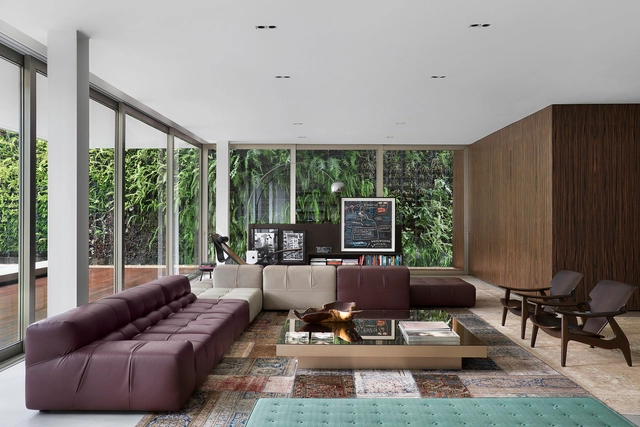
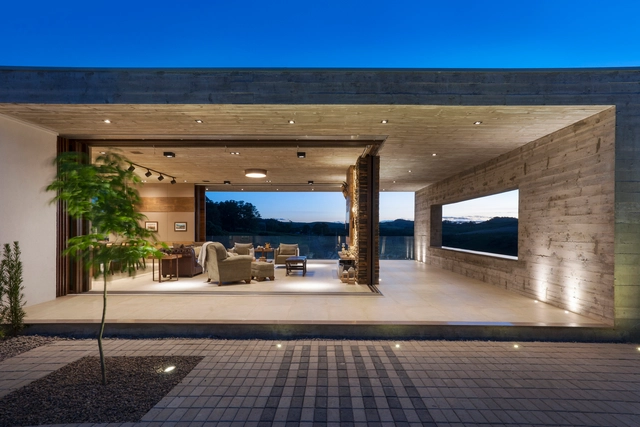

“Constructed Landscape”
Exhibition by Ana Durães and Luiz Dolino opens November 25 in Lisbon

Bioclimatic Architecture, much like its predecessor Acoustics for Architects, is designed to support coursework throughout the academic cycle. Its content was developed not only with the syllabi of the César Vallejo University and most architecture schools in mind, but also by incorporating the most up-to-date national and international sources. The book covers topics such as sustainability, solar movement, solar charts, vernacular architecture, wind, thermal performance, and natural lighting—a subject rarely addressed in the classroom. Furthermore, the book includes downloadable dynamic tables that allow for the quick and easy creation of solar charts, bioclimatic charts, and solid waste calculations.

As agents of change for the city and the territory, our profession is committed to working with and for nature. This has been the mission of batlleiroig throughout its 40-year history, now detailed in a publication that compiles some of our most significant projects.





.gif?1604980500)

.jpg?1605134406 "© Camila Santos")
.jpg?1605134442 "© Camila Santos")