Playfulness is a concept often attributed to children and hardly connected with adult life. In architecture, projects dedicated to childhood propose a combination of objects, colors and solutions to encourage imagination and break the rigidity of spaces. In contrast, most conventional projects are limited to regularity and stamp the sobriety of adult life.
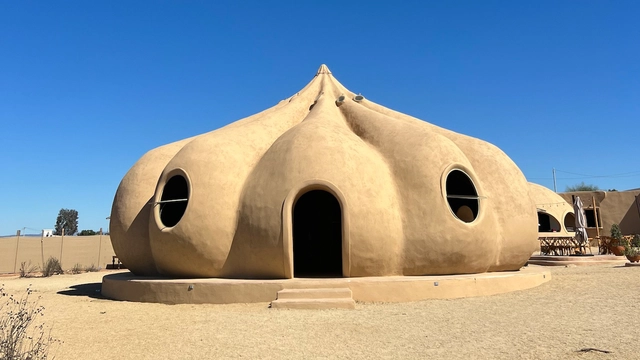
Featuring a spectacular amorphous structure, Bloodlust Wine Bar is located in Ejido El Porvenir, in the heart of Valle de Guadalupe, Baja California, Mexico. Its origins date back to late 2019, conceived by the vision of Juliette Cheanne, Poncho Muriedas, and Yuri Muriedas—three highly creative minds with a single shared mission: to bring to life a gastronomic space that, in addition to featuring an inimitable architectural facade designed by surrealist illustrator Jaime Zuverza, would offer an immersive auditory and visual experience to all who visit.
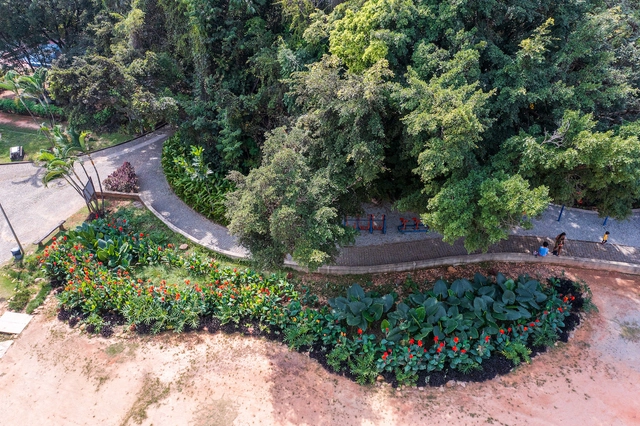
Rain garden at Lagoa do Nado Park in Belo Horizonte. Photo: Nereu Jr/WRI Brasil
Nature-based solutions (NBS) have become widely recognized as efficient approaches for adapting cities to the climate crisis and mitigating increasingly frequent disasters. Projects such as rain gardens, linear parks, hillside restoration, and urban agriculture help make cities more resilient to extreme weather events, while generating additional benefits for society, the economy, and the environment.
https://www.archdaily.com/1132522/nature-based-solutions-examples-implemented-by-brazilian-citiesHenrique Evers, Lara Caccia, Bruno Incau, Vitor Tornello e Fernando Corrêa
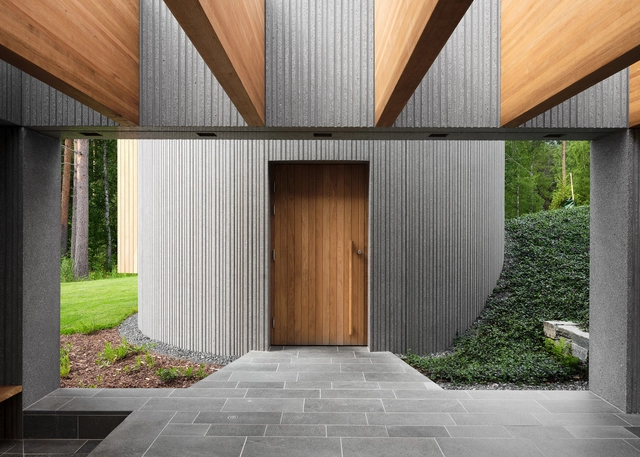
Combining art, nature, and architecture, Barcelona-based practices Mendoza Partida (Héctor Mendoza and Mara Partida) and BAX studio (Boris Bezan) have joined forces to design Art-Sauna, an experience conceived as a continuation of the emotional journey at the Gösta Serlachius Museum of Contemporary Art in Mänttä, Finland. With a subtle, intimate, and domestic scale, this new space joins the complex, harmonizing the dialogue between these three variables and integrating the building into the journey by merging it with the terrain and making it part of the landscape.
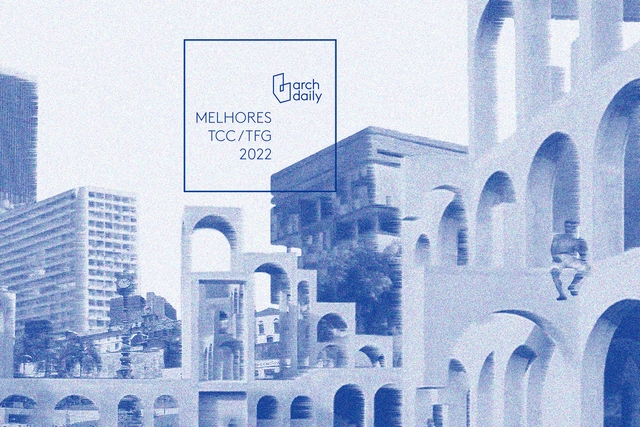
Photomontage made over the image of the work "Another headquarters for the School of Fine Arts" by Marcos Antonio Studt Roxo, a 2022 participant.
After at least five years of study, the time comes for Architecture and Urbanism students to present their final graduation projects—often referred to as TCC, TFG, or final thesis projects. In choosing their topics, students highlight civil, urban, or theoretical projects of great importance, sparking crucial debates about the future of our cities, the built environment, urban infrastructure, mobility, and many other essential topics shaping how we inhabit space.
https://www.archdaily.com/1132487/the-best-graduation-projects-of-2022-submit-yoursArchDaily Team
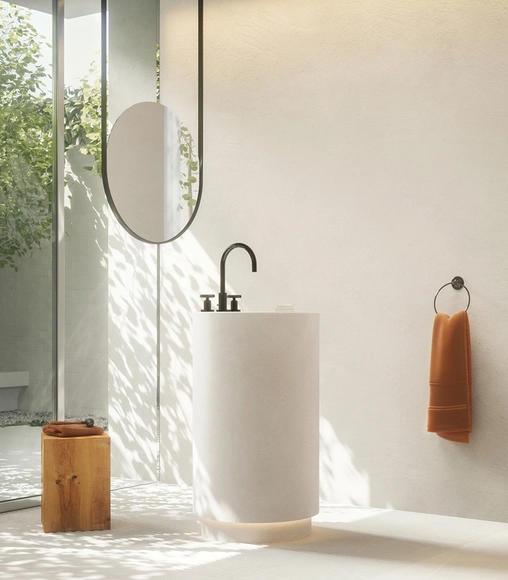
Within the different spaces of an architectural project, bathrooms tend to be a mix of both functional and relaxing areas. Their place inside a project’s design implies a proper selection of fittings, where architects and designers can play with different shapes, colors and textures to follow the style of the whole scheme. As a source of inspiration for countless bathroom fittings, Dornbracht’s TARA collection combines geometric shapes with timeless modernity, all through a clear formal language.
This year, TARA celebrates its 30th anniversary, for which designers Michael Sieger and his brother Christian Sieger commemorate the collection’s creation process and how it has developed into an icon through the years. Today, the designers are looking for serenity, simplicity and sustainability: “We don't want to define ourselves by extravagant design or by design at all”. Together with the innovations launched in 2022, the team designed a unique lead bath architecture for the collection.
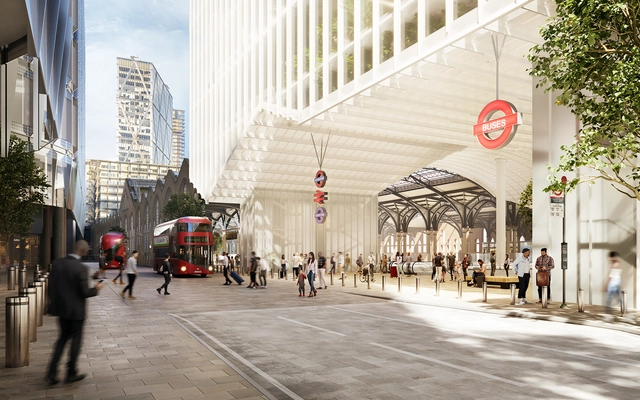
Architecture office Herzog & de Meuron has unveiled plans to revamp the Liverpool Street station in London. The scheme includes “vital upgrades” aimed at transforming the Victorian-era station into a fully accessible transportation hub fit to accommodate the 135 million people using the station annually. It also includes the addition of 840,000 square feet of offices and a 190,000 square feet hotel in two new structures, 10 and 6 stories high, respectively. These new interventions have attracted criticism from conservation groups. The proposal is currently undergoing its first round of public consultation. The development is overseen by Stellar, working with MTR, the operator of rail transport services and Network Rail.
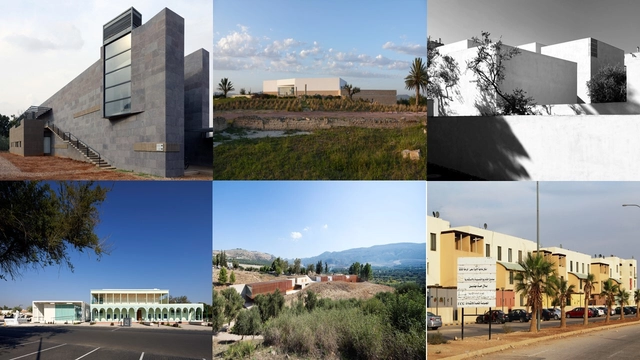
The Association of Arab Architects has announced the winners of the 2022 Arab Architects Awards. This year’s winning architectural projects highlight the importance of inclusive design, taking into account sustainability and designing with a sensible response to the local communities and landscapes they inhibit. The two-day ceremony was held in Amman, Jordan on November 16-17, 2022, and gathered hundreds of regional architects, urban planners, engineers, and designers of all demographics to explore and engage in discussions about architecture and the future of the built environment in the Arab region.
In interior design – and many other design disciplines – it is much easier to be unsustainable. Buying or developing custom solutions for a room often requires less time and research than purchasing second-hand materials or concern for waste flow and the circular economy.
But the construction and decoration industry can no longer afford the luxury of ignoring the environmental impacts caused by their activities.
The standards for classifying good or terrible architecture are usefulness and beauty, or what we commonly refer to as practicality and aesthetics. However, practicality might quickly direct us toward functionalism, which is the only viable option, or toward the design of sculptural structures. The architect Le Corbusier once stated, "If you create a house with stone, wood, and concrete, that's just a building; if you touch my heart, that's architecture." However, perhaps the readability of architecture might serve as a criterion for good architecture: Reading architecture as a book with complete words and sentences that stand up to careful consideration.
New perspectives: Duravit takes the topic of recyclability to the next level. With the Sustano shower tray, the bathroom specialist is presenting its first product made of the newly developed material DuraSolid Nature. Image Courtesy of Duravit
Innovative strength in industry is not only about developing new products, but also successfully establishing them on the market, because they make everyday life and the world a little bit better. As a full-range supplier of sanitary products, Duravit has a number of innovations in its range: the hygienic, easy-care ceramic surface HygieneGlaze, the efficient, water-saving HygieneFlush WC flushing technology or taps with the energy- and water-saving FreshStart or MinusFlow functions. Known for its acrylic bathtubs and shower trays, the Black Forest-based manufacturer continues to ask itself: How can we make it even better? Could a material be developed that has similarly positive properties to acrylic but can be completely recycled at the end of its life cycle? The answers can be found in its first product made of a new material called DuraSolid Nature: the Sustano shower tray range.
In the future, the product can be applied in carbon-neutral buildings. Photo: Helene Sandberg
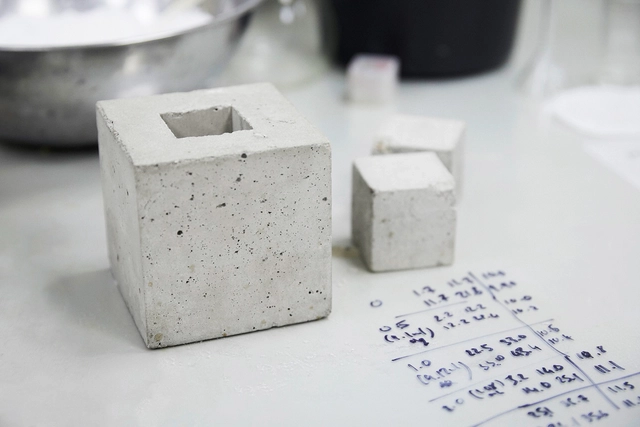
A carbon-neutral concrete prototype has just won the 2022 Obel Award. The solution aims to mitigate the environmental impact of the construction industry, which is responsible for 38% of all energy-related CO2 emissions, according to a UN report.
Dubbed Seratech, the material was developed by two PhD students from Imperial College London, Sam Draper and Barney Shanks. They discovered a simple way to eliminate concrete's CO₂ footprint: replacing part of the concrete's cement content with a type of silica created from carbon dioxide (CO₂) captured from factory smokestacks.
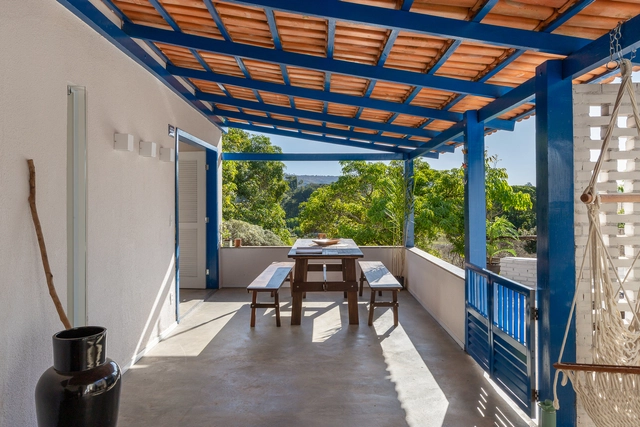
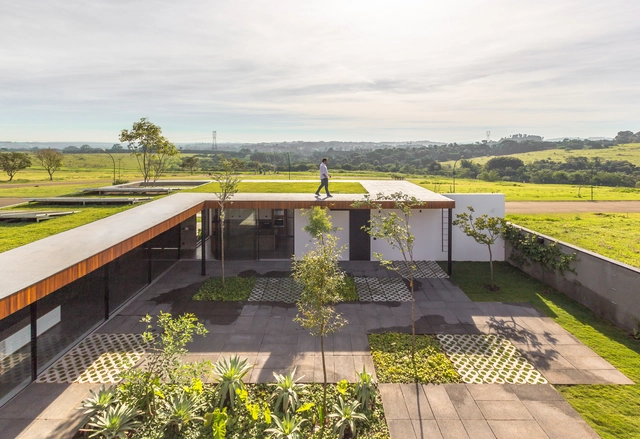
Brazil is one of the largest countries in the world, covering an area that goes from the Equator to beyond the Tropic of Capricorn, presenting a wide variety of climates and vegetation, which implies in the diverse natural landscape, flora and fauna for which the country is known. Residential architecture, when considered from its location, must adapt to the conditions of the surroundings, transforming its design according to the climate and morphology. We have gathered below a selection of Brazilian houses that respond to the natural environment in which they are located.
The advantages of a courtyard house are well known. In addition to bringing closer contact with the outside from the inside, it substantially improves comfort by providing more natural lighting and ventilation. This typology goes through time being reinvented from different ways of thinking not only its architecture, but also the landscaping of its external area. Therefore, we have gathered different ways of conceiving the garden and other elements that can make up that space.
The Saint-Gobain Group and the Brazilian Association of Architecture Firms (AsBEA) have announced the winners of the 9th edition of the Saint-Gobain AsBEA Architecture Award. The award celebrated projects that offer comfort and innovative solutions, while also preserving the environment and promoting sustainability within the Brazilian construction industry.
The Second Studio (formerly The Midnight Charette) is an explicit podcast about design, architecture, and the everyday. Hosted by Architects David Bruce Lee and Marina Bourderonnet, it features different creative professionals in unscripted conversations that allow for thoughtful takes and personal discussions.
A variety of subjects are covered with honesty and humor: some episodes are interviews, while others are tips for fellow designers, reviews of buildings and other projects, or casual explorations of everyday life and design. The Second Studio is also available on iTunes, Spotify, and YouTube.
This week David and Marina answer two questions from listeners: How to cope with the feeling of failure in architecture school and whether or not architecture is hard and stressful. The two cover why freshmen often have false expectations of success, embracing failure, not seeking approval from teachers or clients, dealing with ‘dumb’ design assignments, overcoming paralysis, the main reasons why being an architect is challenging, and more!
https://www.archdaily.com/992767/the-second-studio-podcast-overcoming-failure-in-architecture-schoolThe Second Studio Podcast
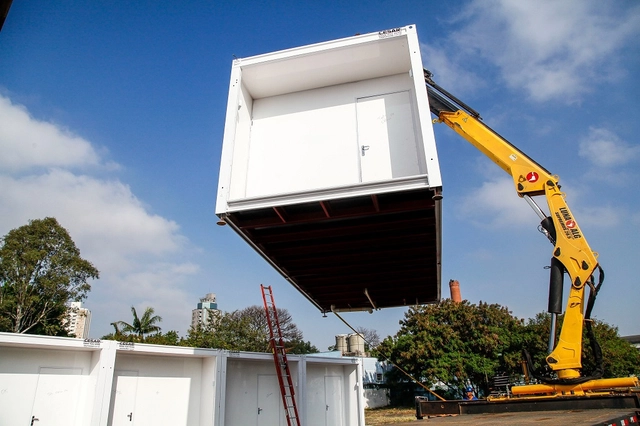
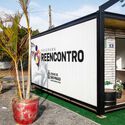
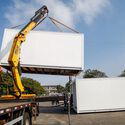
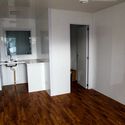
Modular units will house people experiencing homelessness in São Paulo. The project, named Vila Reencontro, was launched in the Bom Retiro neighborhood—though the proposed site is currently being analyzed for potential soil contamination—and is now expanding to Ladeira da Memória Street, near the Anhangabaú Metro station in the city center.
Led by SMADS (Municipal Secretariat of Assistance and Social Development), the initiative provides temporary housing made from shipping containers, functioning as modular metal homes.
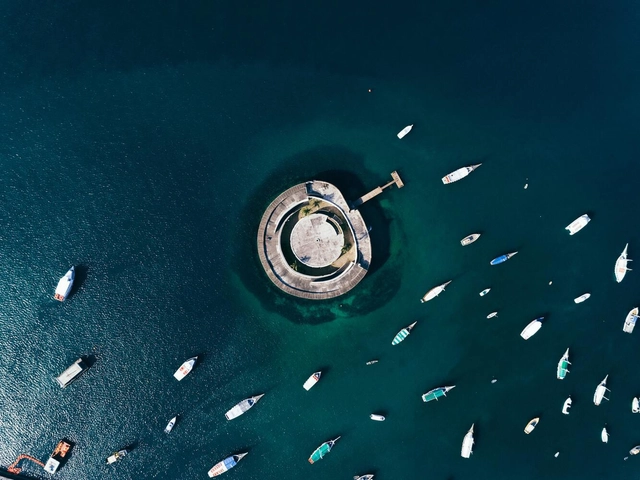
In 1972, Caetano Veloso announced in the song Triste Bahia that “the steamboat from Cachoeira no longer sails on the sea.” Indeed, ours is a generation unfamiliar with Salvador's nautical capacity, since most of us have not had the opportunity to experience the daily rhythm of a port city. A brief look at the records of photographers such as Marcel Gautherot, Pierre Verger, and Lázaro Roberto, from the 1950s to the 1970s, reveals that the daily dynamics along the waterfront were vastly different from those of today.
The FIFA World Cup is one of the world's largest events, bringing together fans of all nationalities. Having previously been hosted across various continents, this year's tournament will take place in Qatar, a country on the Arabian Peninsula with a population of about 2.7 million people, the majority of whom are Muslim. Alongside the host nation, 31 other countries will compete for the title of world champion.
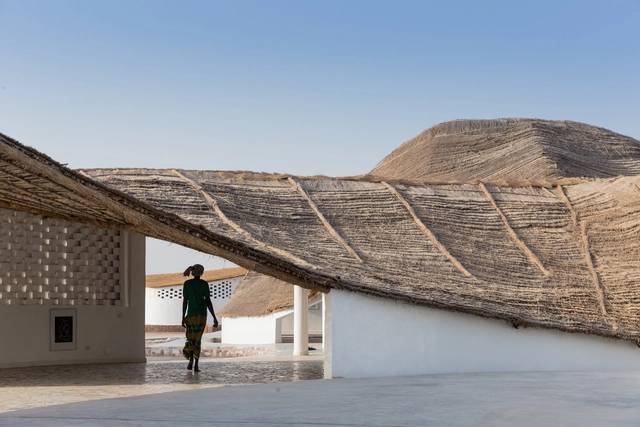
Beyond its status as a sporting event, the World Cup is also an opportunity to observe, learn about, and experience other cultures—especially for the host country. Divided into eight different groups, the first to play, from Groups A and B, will be Qatar, Ecuador, England, Iran, Senegal, the Netherlands, the United States, and Wales. Below, explore some examples of architecture from these countries.
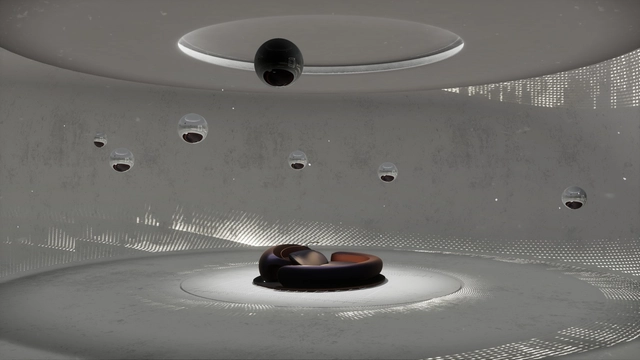
The undisputed protagonist of the last few years has been the Metaverse. The news is already flooding the world of video games and technology. Today, architects and designers are increasingly aware of the responsibility they have in leading this construction of the virtual environment. But what is the architecture of the Metaverse, how is it designed, how is it built?
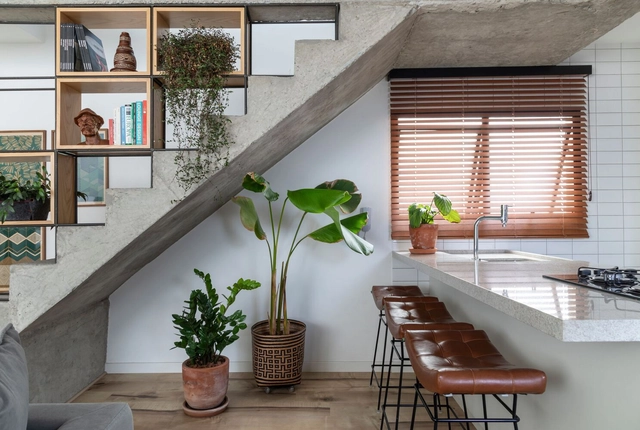
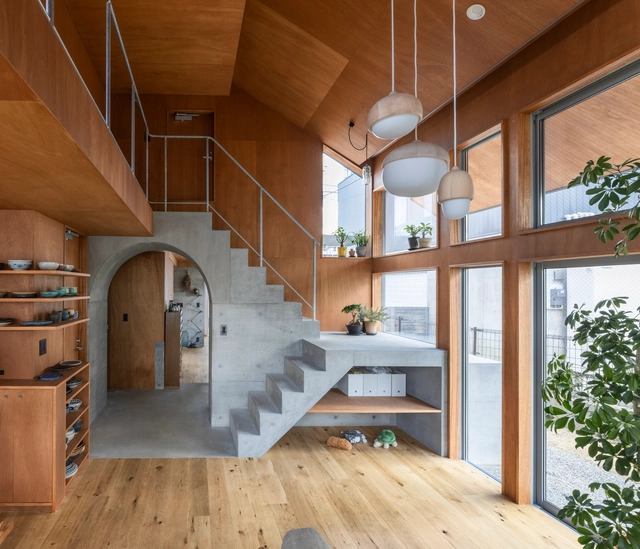
Vertical circulation may be just one of the functions of a ladder. Always occupying a reasonable area, this element can serve to bring some other uses when it is thought of in a more integrated way with the entire room, providing living spaces, storage and also a greater aesthetic appeal. That is why we have gathered some ideas on how to occupy the areas around a staircase in different projects: from home to industrial scale.
Fundamental for the development of large metropolises as we know them today, cement is a material used historically, whose technological advances have revolutionized construction technique and technology of civil construction, enabling the verticalization of construction and the densification of urban centers. Cement, both added to water and sand to make mortar and combined with steel and aggregate to form concrete, performs different functions in a work, from structure to finish.