
DawnTown, a non-profit organization dedicated to promoting architecture in Miami, is announcing an open call for portfolios to their new competition: DAWNTOWN DESIGN/BUILD 2.
DawnTown, a non-profit organization dedicated to promoting architecture in Miami, is announcing an open call for portfolios to their new competition: DAWNTOWN DESIGN/BUILD 2.

The Institute without Boundaries (IwB) is seeking curriculum partners for Connecting Divided Places, a project that investigates social, economic, environmental, and cultural divisions in cities. They are calling out to municipalities, not-for-profit organizations, and companies interested in working with them to address the wicked problems dividing their cities and regions. They are looking for organizations interested in collaborating on design solutions that make for more balanced, healthier, and resilient city-regions of the future. They want to know what challenges your city is facing.
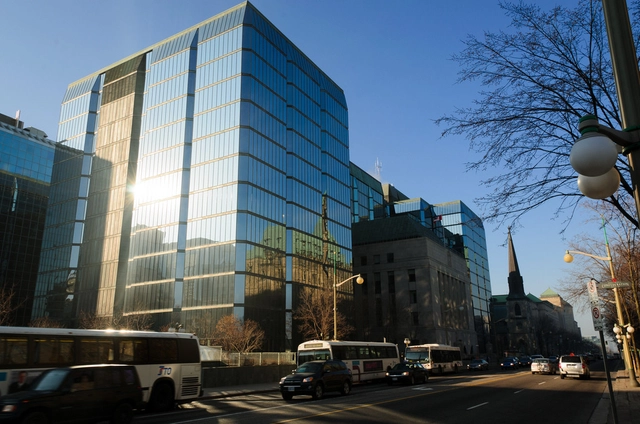
In this interesting report in the Ottawa Citizen, Maria Cook exposes the plan to renovate the Arthur Erickson-designed Bank of Canada Building in Ottawa. The existing building, which features a public atrium complete with a tropical garden, is being extensively remodeled to improve security and building performance, although arguably at great cost to the design. Cook exposes how the bank turned down a prestigious design award in 2011 as it was already at that point privately considering the changes, and explains how its privileged position - related to the government but not controlled by it - effectively means that the bank has nobody it has to answer to who might stop these plans. You can read the full article here.

In honor of Alabama’s 50th Anniversary of the Birmingham Civil Rights Campaign, a national design competition was launched to envision a “Monument to Foot Soldiers.” New York City-based Jaklitsch / Gardner Architects was one of many entrants who responded, hoping to design a monument that would honor the sacrifices made by the unnamed activists who fought for civil rights and celebrate the power of the human spirit.
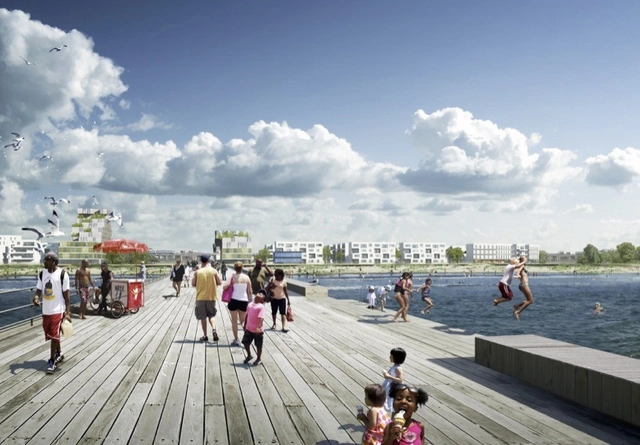
The Rockefeller Foundation has named the first group of cities selected in the “100 Resilient Cities Centennial Challenge.” Each city has been chosen for demonstrating “a commitment to building their own capacities to prepare for, withstand, and bounce back rapidly from shocks and stresses.” More than 1,000 registrations and nearly 400 formal applications from cities around the world were submitted. After careful review of each city's challenges, these 33 where chosen:

The American Institute of Architects New York State (AIANYS) has announced a new competition celebrating design and professional excellence in publicly funded buildings in New York State. The Excelsior Awards will provide a model for future state-funded building design and professional practice and advocacy.
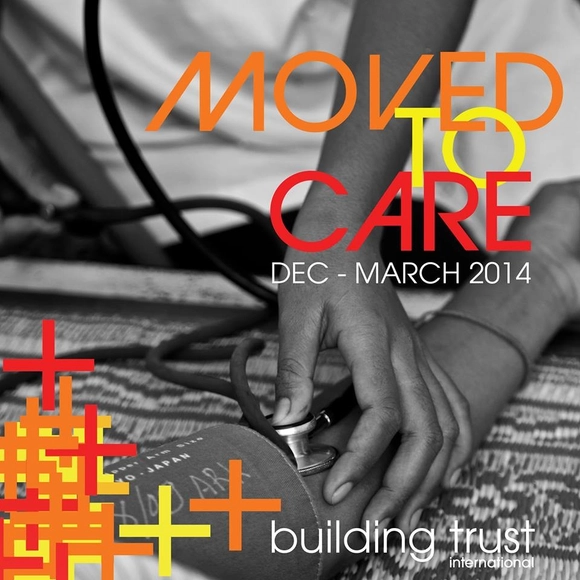
Building Trust International is very pleased to announce their 5th Design Competition. The challenge is to design a health facility that can easily be relocated. This could be in response to a natural disaster, or to inoculate and educate in areas with specific medical emergencies or outbreaks, it will also help aid agencies that don't have the funds or means to purchase land, offering short term leasing opportunities.
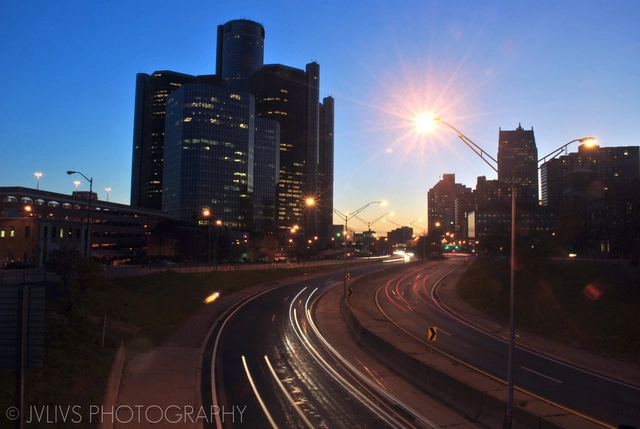
According to John Gallagher of the Detroit Free Press, Detroit may soon be removing one of its downtown freeways, the I-375, and converting the trench-like road into a more pedestrian friendly surface level street. The change could be a boon to residents of nearby areas such as Lafayette Park and Eastern Market, which were cut off when the road was built in 1964, and follows a wider trend of cities removing freeways in order to regenerate downtown areas. The city government is currently working with major stakeholders to investigate the potential effects of the change, with a proposal due for summer 2014. You can read the full article here.
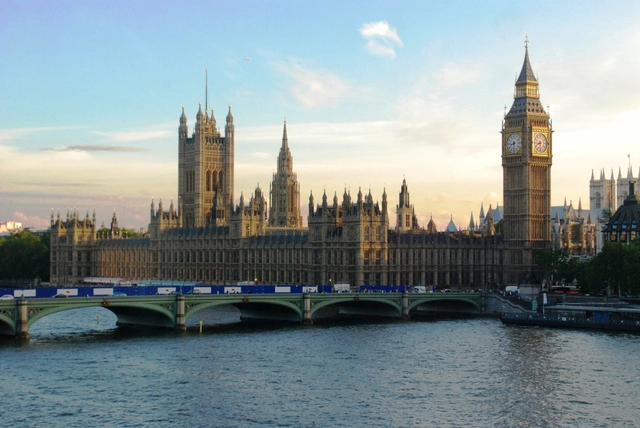
Correction: The HOK-team has been appointed to appraise the options for refurbishment and has not yet been commissioned for the work itself.

In the wake of the destruction of Typhoon Haiyan, architects were asking: "couldn't we have avoided this?" Technically, yes. But while the opportunity to build better exists, such measures are often expensive - and in poverty-stricken areas like the Philippines - cost-prohibitive. A recently published article by Carey Dunne on Co.Design breaks down why disaster-proof construction is such a complex challenge.
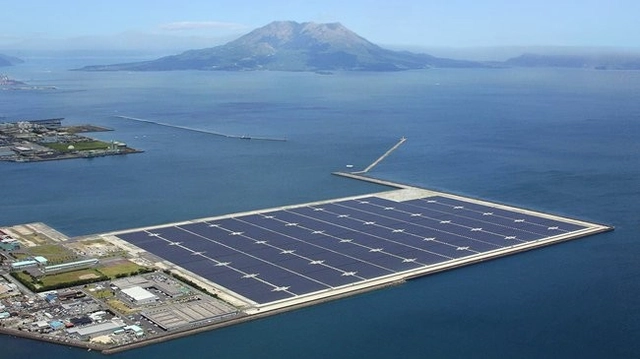
Solar panels are often an added bonus in design, becoming a means to an end. But why shouldn't they be the star of the show? A recent article in Metropolis Magazine shows off the Kagoshima Nanatsujima Mega Solar Power Plant, the largest solar facility in Japan. A symbolic response to the 2011 Fukushima nuclear disaster, the power plant is but one project in Japan's transition into one of the fastest growing solar markets in the world. Check out the full story here.

Crossrail, "the largest infrastructure project in Europe, costing more, for example, than the London Olympics", has been slowly winding it's way beneath London for years. Getting access to the labyrinthine collection of underground tunnels and volumes, Rowan Moore of The Observer says that - despite the superficial furore surrounding it - this £5 billion undertaking will eventually be worth it: alongside the tunnels and tracks will be three million square feet ("or about six Gherkins") of commercial development, and one million square feet of 'public realm'.

As part of the CA Group's lecture series, "Architour," principal of OFIS architects, Rok Oman, will lecture on December 7th at the Tongji Architectural Design Co. in Shanghai. For 2013 through 2015, "Architour" has as its theme "New Force of Architecture - Leading Young Architects": each year, the CA Group will select nine young, global leaders in architecture (four from Asia and five from the West) to lecture on topics that cross typologies and disciplines, from architectural design, urban planning to interior design. Sou Fujimoto and Hirata Akihisa were the series' first speakers.

Archiving documents is serious business, though it often becomes a headache for those involved. When a project is finished, where do the specifications, drawings, and the rest of the data go? Luckily, Shaun Bryant, in his article for Lineshapespace, has tips for designers and architects on how to effectively go about the archiving process - giving insight on everything from the security of storage spaces to the legal demands of archiving. Check out his archiving tips here.

The Women in Architecture Survey, which is sponsored by UK magazine Architect's Journal, is open to both men and women and aims to track the perceptions of gender equality in the workplace. It's already yielded significant results - the survey last year revealed large pay gaps between male and female architects, as well as interesting perceptions of work/life balance of the different genders. Research goes towards the Architect's Journal's Women in Architecture campaign, whose goal it is to promote the status of women in the industry. You can find the survey here.
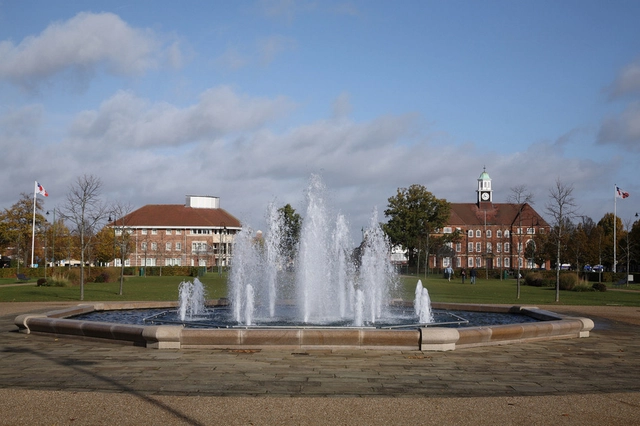
After the Wolfson Economics Prize announced a challenge to deliver new garden cities in the UK for the 21st Century, Feargus O'Sullivan of Atlantic Cities responds, calling the attempt to bring back garden cities "misguided". His article gives a comprehensive rundown of why garden cities were popular during the 20th century, why they are becoming popular again and, ultimately, why they are a bad idea that will not succeed this time around - finishing with some ideas from The Netherlands and Sweden that would be much more appropriate. You can read the full article here.
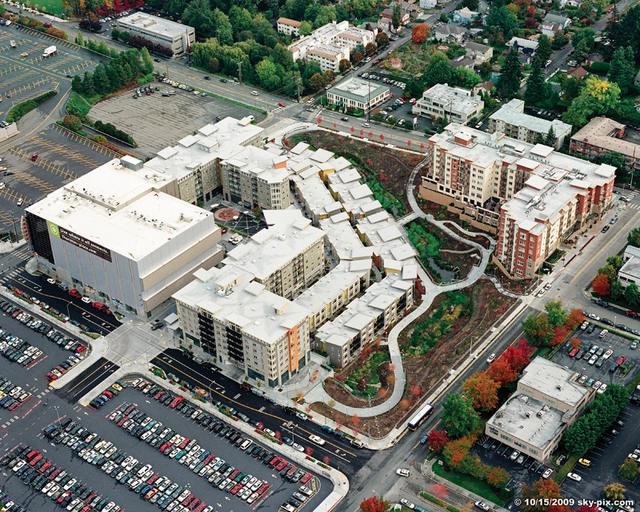
The challenge of converting a sea of parking lots, that so often riddles auto-dependent suburbs, is in densification. Architects are introducing compact urban living models to small towns all across the country, retrofitting single-use zoning into more walkable, diverse and connected communities. Perhaps nowhere is this evolution more evident than Seattle’s Northgate neighborhood, home to the country’s oldest shopping malls. Learn how the town became denser and greener, transitioning to a transit-oriented development, “Gray, Green, and Blue: Seattle’s Northgate.”

This article on Line/Shape/Space by Jeff Yoders discusses how BIM can be used to good effect by bringing different professionals together early on in a design project. By utilizing the shared BIM model over the cloud - or even by providing a dedicated "Computer-Aided Visual Environment" or "BIM CAVE" (seriously) - clashes can be detected early, design priorities can be more balanced, and ultimately the time and cost requirements of a project can be significantly reduced. You can read the full article here.