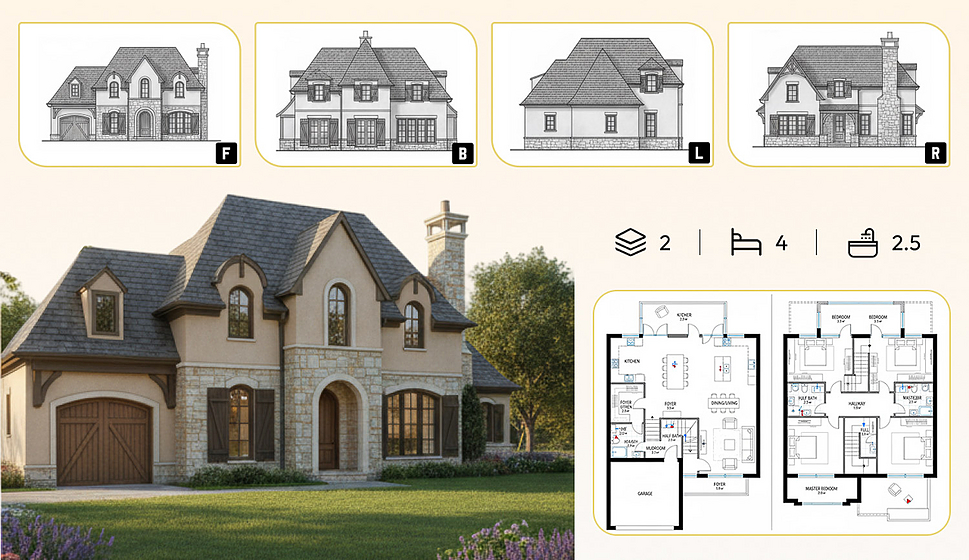
This guide covers a workflow that moves from project parameters to generated floor plans, 3D perspective views, exterior design exploration, and site context visualization, using AI tools in place of preliminary CAD and rendering work.
This guide covers a workflow that moves from project parameters to generated floor plans, 3D perspective views, exterior design exploration, and site context visualization, using AI tools in place of preliminary CAD and rendering work.
The Un-Habitat or the United Nations agency for human settlements and sustainable urban development, whose primary focus is to deal with the challenges of rapid urbanization, has been developing innovative approaches in the urban design field, centered on the active participation of the community. ArchDaily has teamed up with UN-Habitat to bring you weekly news, article, and interviews that highlight this work, with content straight from the source, developed by our editors.
Around 440 fast-growing cities in emerging economies will contribute by 2025, to nearly half of global economic growth. If given the right planning and management tools, this urbanization “can be transformative, creating jobs, reducing poverty, and improving citizens’ quality of life”. As a matter of fact, the Global Future Cities Programme (GFCP) aims to deliver this required support. Based on urban planning, transport, and resilience principles, the program provides “technical assistance for a set of targeted interventions to encourage sustainable development and increase prosperity while alleviating high levels of urban poverty”.
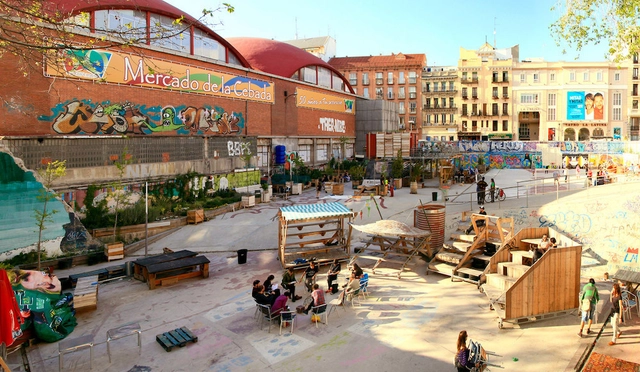
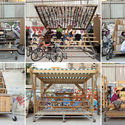
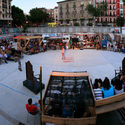
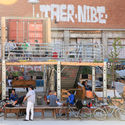
Many initiatives around the world have lately focused on ways to improve the urban environment through the actions of their inhabitants, be it in designing, building, or managing projects. Open-source urbanism is a collaborative approach that seeks to enhance the citizens' capacity for change.
An in-depth look at the concept of open-source urbanism is happening nowadays, and one can find many different definitions and approaches to it. But overall, open-source urbanism can be defined as the co-production of open-source common urban assets.
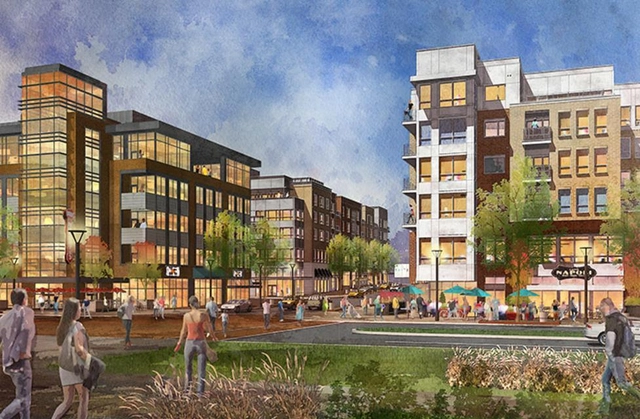
Suburbs as we know them are changing forever. Partially exacerbated by the effects of the pandemic, residents are leaving cities in droves in search of more favorable living conditions where more space, privacy, and affordability offers what some consider to be a more comfortable lifestyle. But as time goes on, and development sprawls, it’s harder to tell where cities end and suburbs begin.
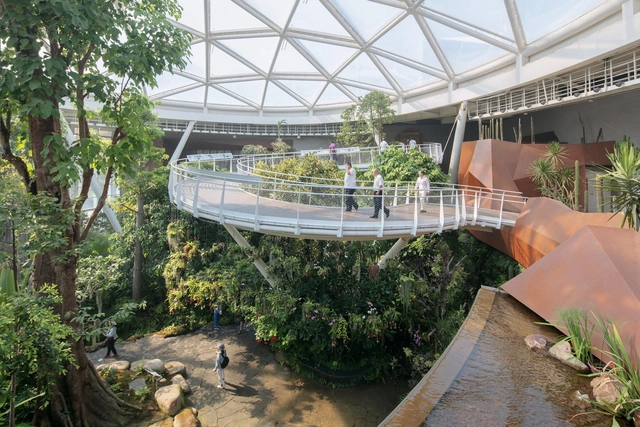
One of the most rewarding aspects of working with architecture publications is the possibility of meeting and becoming closer to the experts that are effectively transforming the discipline, either with built projects, research, experiments, theories, or even with works in other fields. In this sense, interviews perform a special role among all the different types of content published every day by ArchDaily, as we can get a closer insight into what some of the most distinguished and promising people have to say about the present and the future of architecture and cities.
With more than two hundred interviews published in our platforms, in English, Spanish, Portuguese, and Chinese, conducted in various formats – video recordings, transcripts, interviews by e-mail, video calls, or even podcasts –, it's safe to say that 2020 was a year of intensive learning during which we have become, paradoxically, closer than ever before to an inspiring group of architecture professionals.
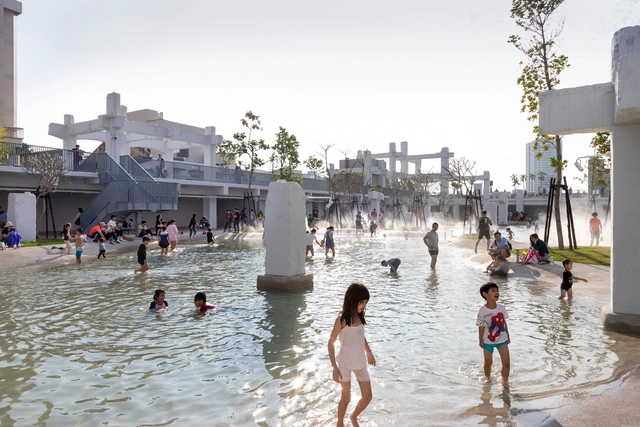
Facing the current and accentuated global challenges, we ask ourselves: What should we address first?
2020 was a tremendous opportunity to focus all our efforts and attention on the most urgent issues of architecture. Through articles, interviews, debates, and projects, ArchDaily's Topics presented each month an in-depth response to the most relevant problems - from the climate crisis and emergency architecture to artificial intelligence and How Will We Live Together.
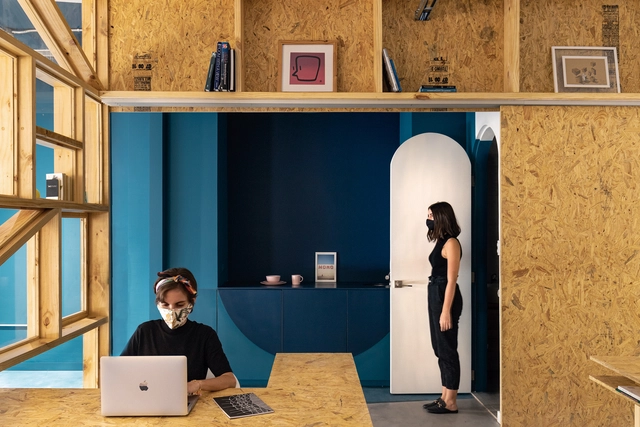
2020 has fundamentally changed our spatial routines and the current health crisis brought about a significant amount of speculation regarding how our daily lives will unfold onward. With the year coming to an end, we look at how the pandemic accelerated some architecture trends that were already underway, and how it brought into question other well-established ideas.
In a world that was once so obsessed with architecture that was “for the ‘gram”, the rise of TikTok is creating a shift in how we experience and consume architecture. It's no small trend either, nearly 950 million TiKTok videos utilize the hashtag #architecture, frequently to describe buildings in various cities or a specific architectural style that the video creator is familiar with. Does this mean that the era of the "instagrammable building" over, and is TikTok the new way to connect across generations and locations to explore the possibilities of architecture?
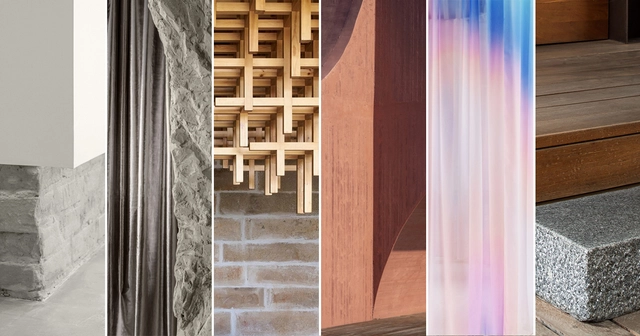
It is difficult to start any retrospective text on 2020 without sounding too cliché. While facing an invisible enemy that changed everyone’s lives, this past year has taught us that humanity is more fragile than we ever imagined. At Archdaily, it’s our job to synthesize how the buildings and the world we live in will be impacted by COVID-19 not only in the short term but in the distant future as well. Has our perception of the built environment changed this year? And has our relationship with the tectonics of buildings changed with all of the obstacles we’ve faced along the way?
Human Rights Day is celebrated every year on the 10th of December. After visiting numerous sites that commemorate the scenes of regrettable crimes against humanity and violence, one common observation can be made: the place of memory is not only a building. In fact, it is more about the encounter, the appropriation, and the gesture.
.jpg?1608057697&format=webp&width=640&height=580)
Cities would be nothing without the sense of experimentation and the future-forward push to always break the status quo in demand of a better urban life. As many successful urban designs and strategies as there have been, the world has also seen some not-so-successful ones, that have been pushed to the sidelines becoming a forgotten memory over time. While we look ahead and speculate about what the future of cities could and should be, maybe it’s time to take the lessons learned from these failed projects and pay homage to their misfortunes, so that history’s mistakes aren’t repeated in the present day.
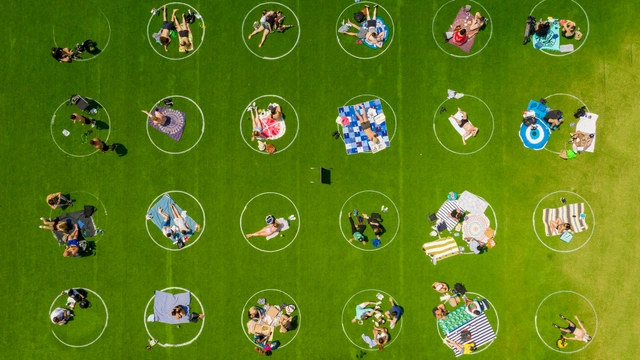
The pandemic provided a unique circumstance for city-scale experiments regarding mobility, while immediate responses showed the transformative power of tactical urbanism. In many cities, the measures meant to ensure social distancing are to be kept in place post-pandemic, paving the path towards recovery with less traffic and more outdoor activities. How did the pressure of rethinking streets, functions, and transportation systems transform public space in 2020?
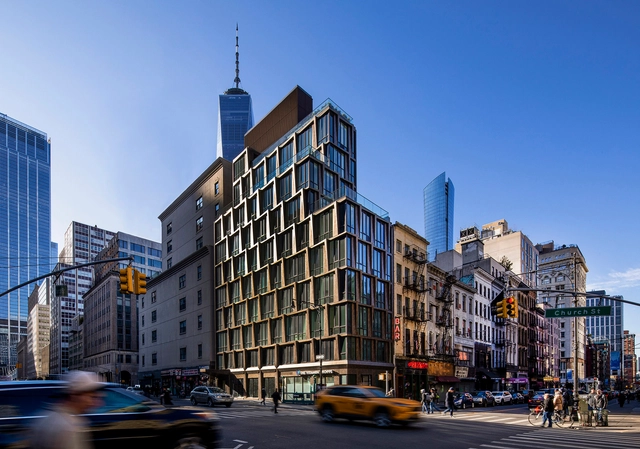
Building more equitable futures begins with community. For international practice Woods Bagot, the firm's three US studios are now each run by women, and their combined leadership is creating more inclusive and dynamic designs that rethink past traditions. Each Director has taken the reins before the global pandemic was underway, and now the trio is working to rethink how the practice can address diverse challenges in New York, San Francisco and Los Angeles.
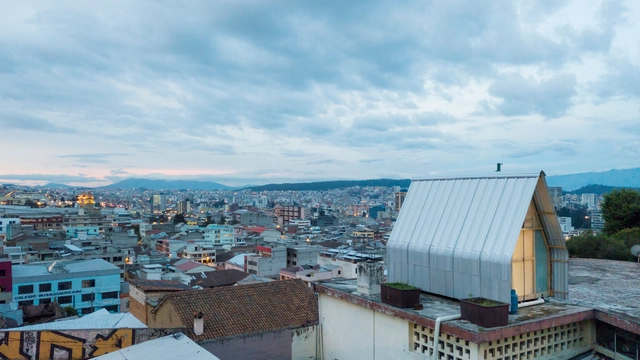
Despite all the hurdles and the pain, 2020 did not fail us in terms of content. Reacting to the global situation, ArchDaily's team of editors has tackled all the pressing issues that occurred this year and influenced the worldwide state of turmoil. While the whole planet was on pause, these writers were in search of critical substance, seeking to produce exclusive editorial pieces that highlight present-day topics and concerns. Generating articles in 4 languages, English, Spanish, Portuguese, and Chinese, this group of diverse individuals provided both local and global perspectives, reaching everyone that “talks architecture”.
Aspiring "to empower everyone who makes architecture happen to create a better quality of life", ArchDaily’s selection of best articles is the result of many aspects. Some of the choices explored distinctive subjects while others were very well-received among our readers. Emphasizing its academic standards, our platform focused its efforts on covering a vast range of ideas, from the consequences of the pandemic on the built environment, cities and their transformations, technical expertise and material specifications, to artificial intelligence and the future.
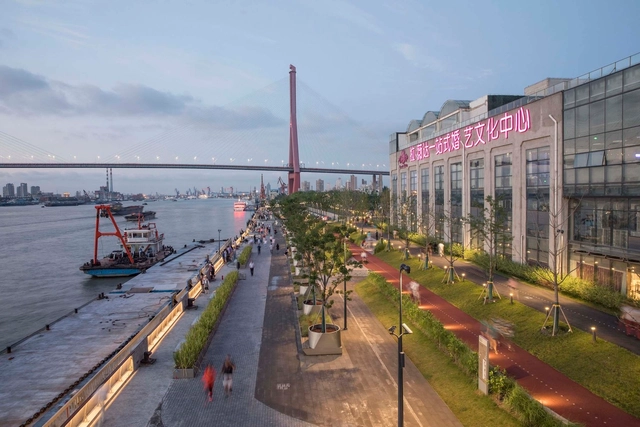
Before the pandemic, the world was already facing a series of global transformations in the field of construction, where emerging countries were at the forefront of a powerful economic shift. As the world's population is expected to reach the 10-billion milestone before 2100, the construction sector should be able to understand and adapt to the megatrends that are reshaping the globe.
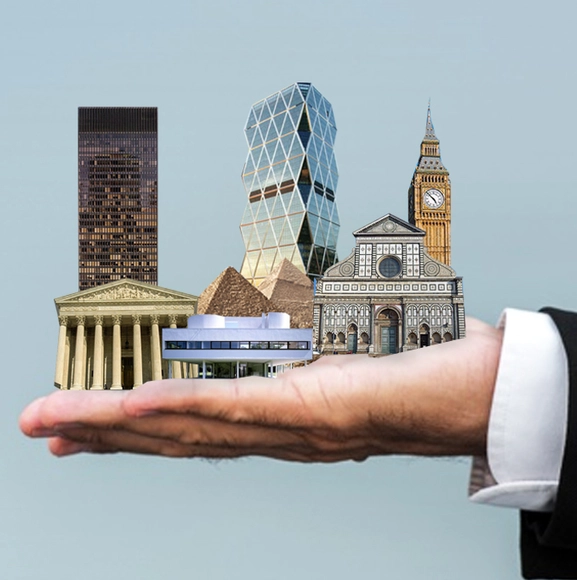
Architecture, and all aspects of the design world, has experienced numerous movements throughout time that have defined the way we express ourselves through buildings, art, and other mediums. Created out of a dissatisfaction with the status quo or the emergence of new technology, there have been particularly notable design shifts and emerging ideologies over the last 100 years. This leaves us to ask the question- what design moment are we in now, and what characterizes it? How will we retroactively reflect on this moment of time in design, and will the COVID-19 pandemic accelerate innovation to bring us to our next design era?
The first lockdown brought most of the world to a standstill, and many were quick to point out the silver lining: the significant drop in carbon emissions. However, this pollution reduction was short-lived, and past crises indicate that we might be standing at a crossroads when it comes to our climate goals. What has this unprecedented year meant for the efforts to curb climate change and protect the environment?
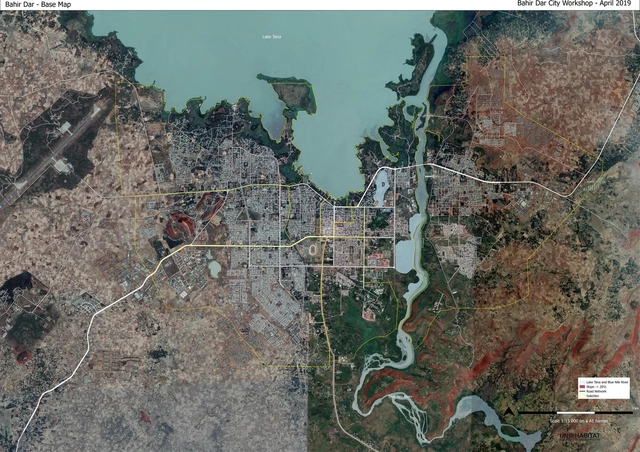
The Un-Habitat or the United Nations agency for human settlements and sustainable urban development, whose primary focus is to deal with the challenges of rapid urbanization, has been developing innovative approaches in the urban design field, centered on the active participation of the community. ArchDaily has teamed up with UN-Habitat to bring you weekly news, article, and interviews that highlight this work, with content straight from the source, developed by our editors.
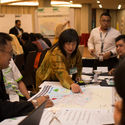
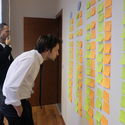
In order to support local governments in developing countries to implement the New Urban Agenda and the Sustainable Development Goals, UN-Habitat has created the Participatory Incremental Urban Planning Toolbox, “a step-by-step methodology to assess, design, operationalize and implement urban planning processes”. The guideline proposes a timeline of phases, blocks, and activities, helping city leaders, stakeholders, and the community to have a comprehensive and strategic overview of the whole strategy.
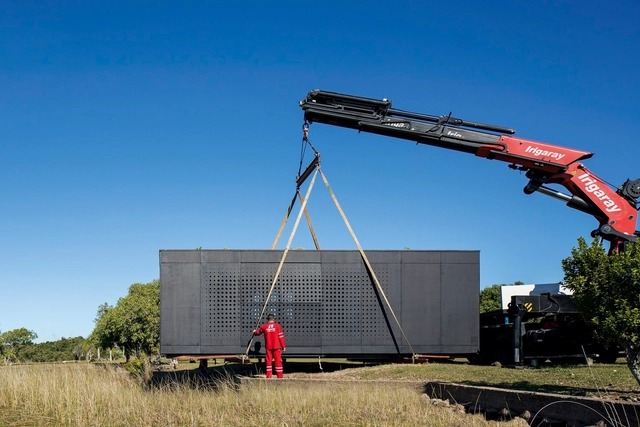
The construction industry moves a huge amount of resources, employs millions of people, and is a fairly accurate gauge for the economic situation of different countries. If the economy goes down, construction shrinks, and vice versa. Members of the construction industry include mining companies, contractors, material manufacturers, architects, engineers, governments, real estate, and more. In other words, many agents participate either directly and indirectly in the industry. But construction is also considered to be one of the most backward and resistant industries to embrace new technologies, instead opting to replicate traditional ways of doing less efficient work with high rates of waste. A study by McKinsey & Company showed that, unlike other industries, industry productivity has remained stable in construction in recent years, despite all the technological progress that has occurred.



_Del_Rio_Bani.jpg?1608748851 "Superblock of Sant Antoni. Image © Del Rio Bani")