

-
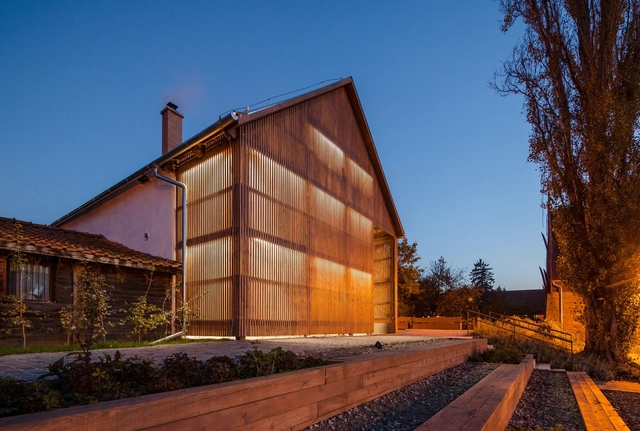
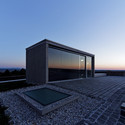
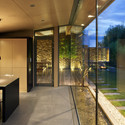
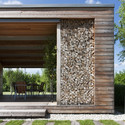
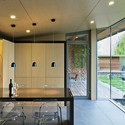
Architects: Csécsei Ákos
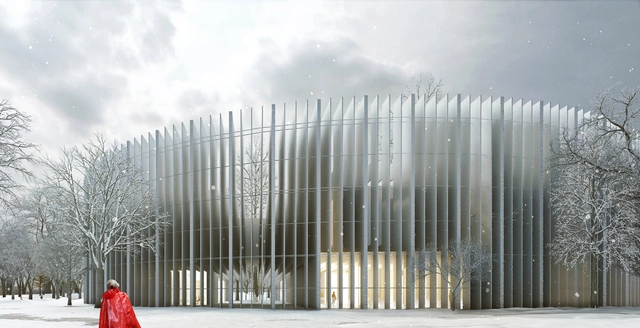
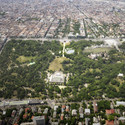
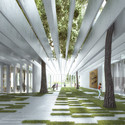
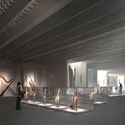
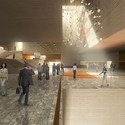
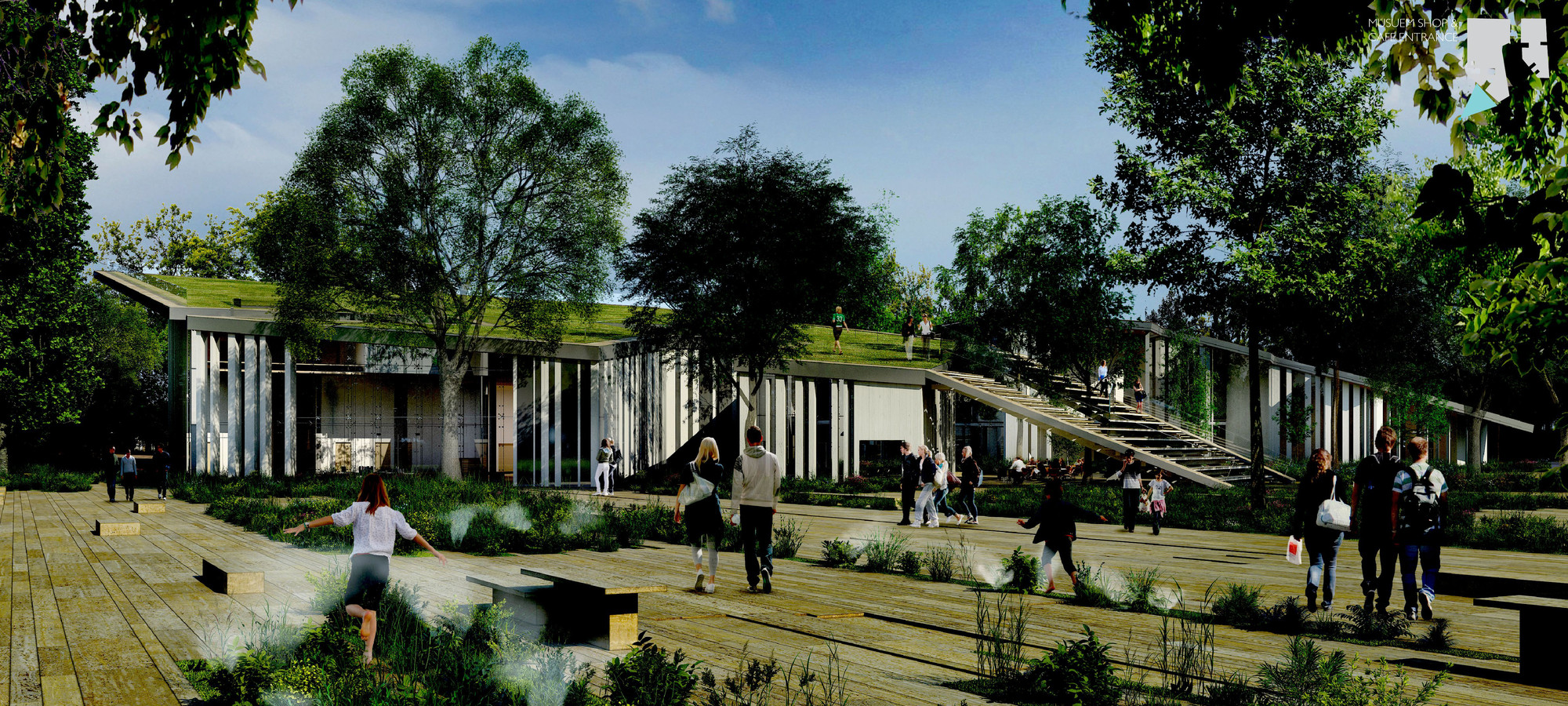
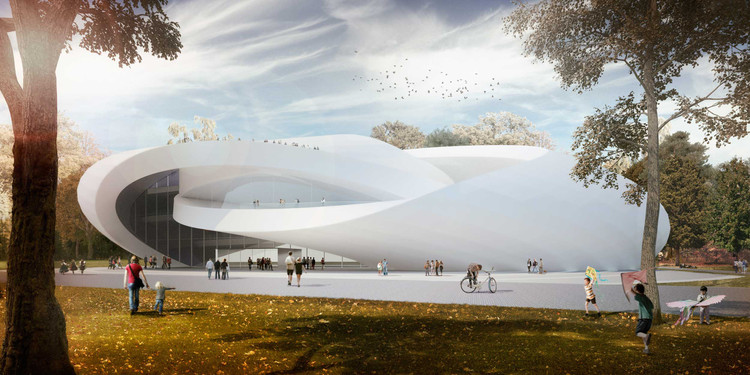
Envisioning the House of Hungarian Music as the new center of distribution within Liget Park, MenoMenoPiu Architects proposed a circular form for the concert hall, facilitating circulation to and from the museum and within the park. Although not the final winner of the Liget-Budapest Competition, “The Circle” demonstrates an interesting organizational strategy and perspective on sound.
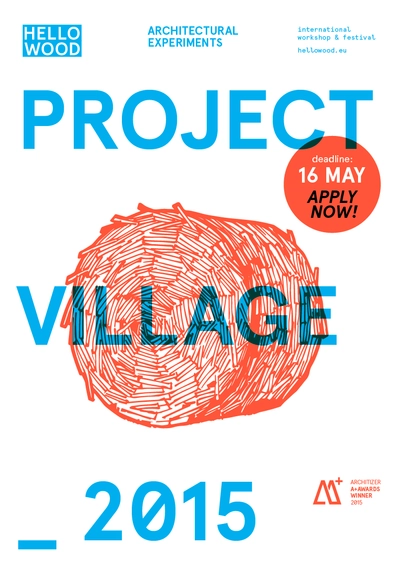
Hello Wood is looking for students and young architects, designers, and artists in their Project Village, its 2015 workshop and symposium held 11-19 July. Applications are due before the 16th of May.
This year’s event follows the success of Hello Wood’s workshop in the summer of 2014, which saw participation from over 120 architects, artists and designers from 25 countries. Project Village will examine the typology of the village and the means for its production, proposing new and more efficient methods of master planning and construction. Among the invited team leaders of Hello Wood 2015 are: the founder of Invisible Studio and Studio in the Woods, Piers Taylor; winner of ArchDaily’s Building of the Year 2014 award, Katsuya Fukushima; and founders of 72 Hour Urban Action architectural group. Open Call for students is available here.

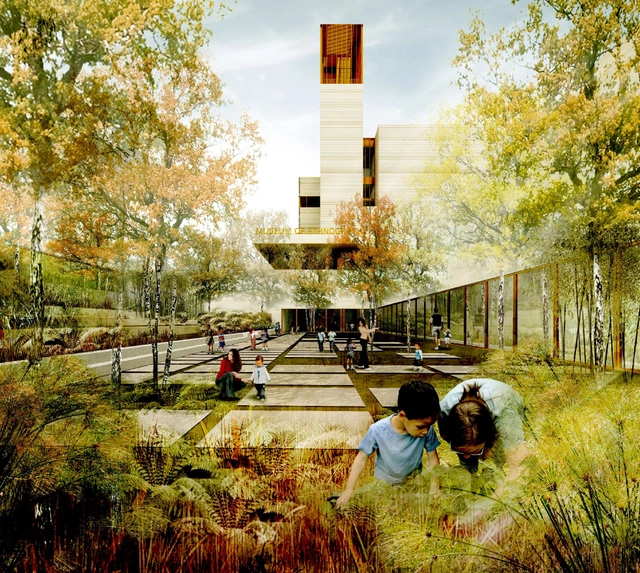
Recent participants in the Liget Budapest design competition, Graeme Massie Architects have taken home third place for their proposed Museum of Ethnography design. The museum, one of five museums planned for the Liget Budapest development, is located at the very corner of Budapest City Park and is meant to act as a welcoming landmark for the city. Graeme Massie fulfills this requirement in a unique fashion, creating a building that is instantly recognizable, but still manages to blend with its surroundings. Learn more, after the break.
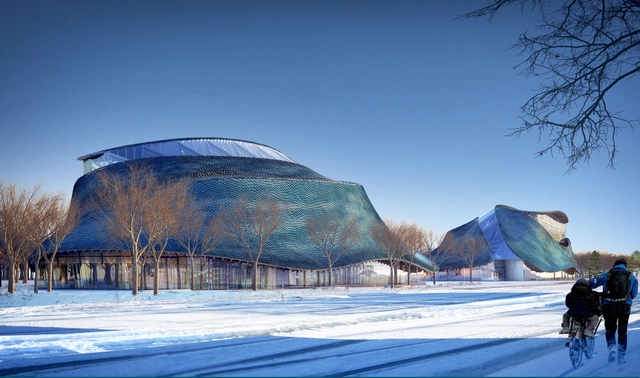
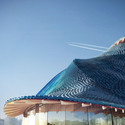
Taking home third place in the Liget Budapest competition, the Laboratory for Explorative Architecture and Design (LEAD) has proposed a colorful design for Budapest’s new photography and architecture museums. A stunning shade of blue, the undulating buildings will mark the entrance to Budapest City Park, and provide a new cultural hotspot for Hungary’s capital city. Learn more about them, after the break.
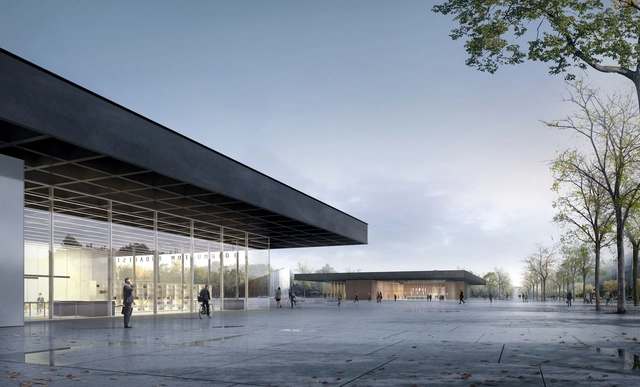
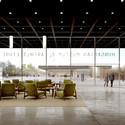
The Liget Budapest Competition, a call for proposals for five new cultural buildings in Hungary’s capital, has recently announced a few of its winners. Design firm GSMM architetti Giorgio Santagostino- Monica Margarida was awarded second place for their proposal for a paired Photo Museum and Museum of Hungarian Architecture. Inspired by Mies van der Rohe’s New National Gallery in Berlin, these twin buildings aspire to create a cultural focal point in Budapest, and to revitalize for the City Park.
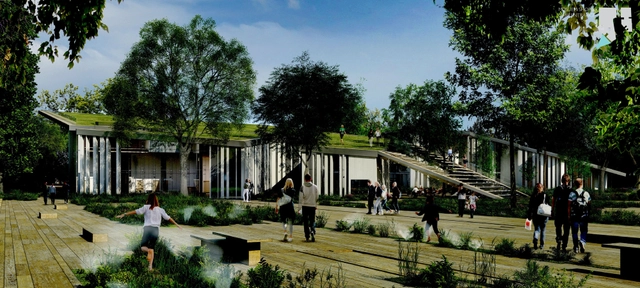
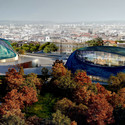
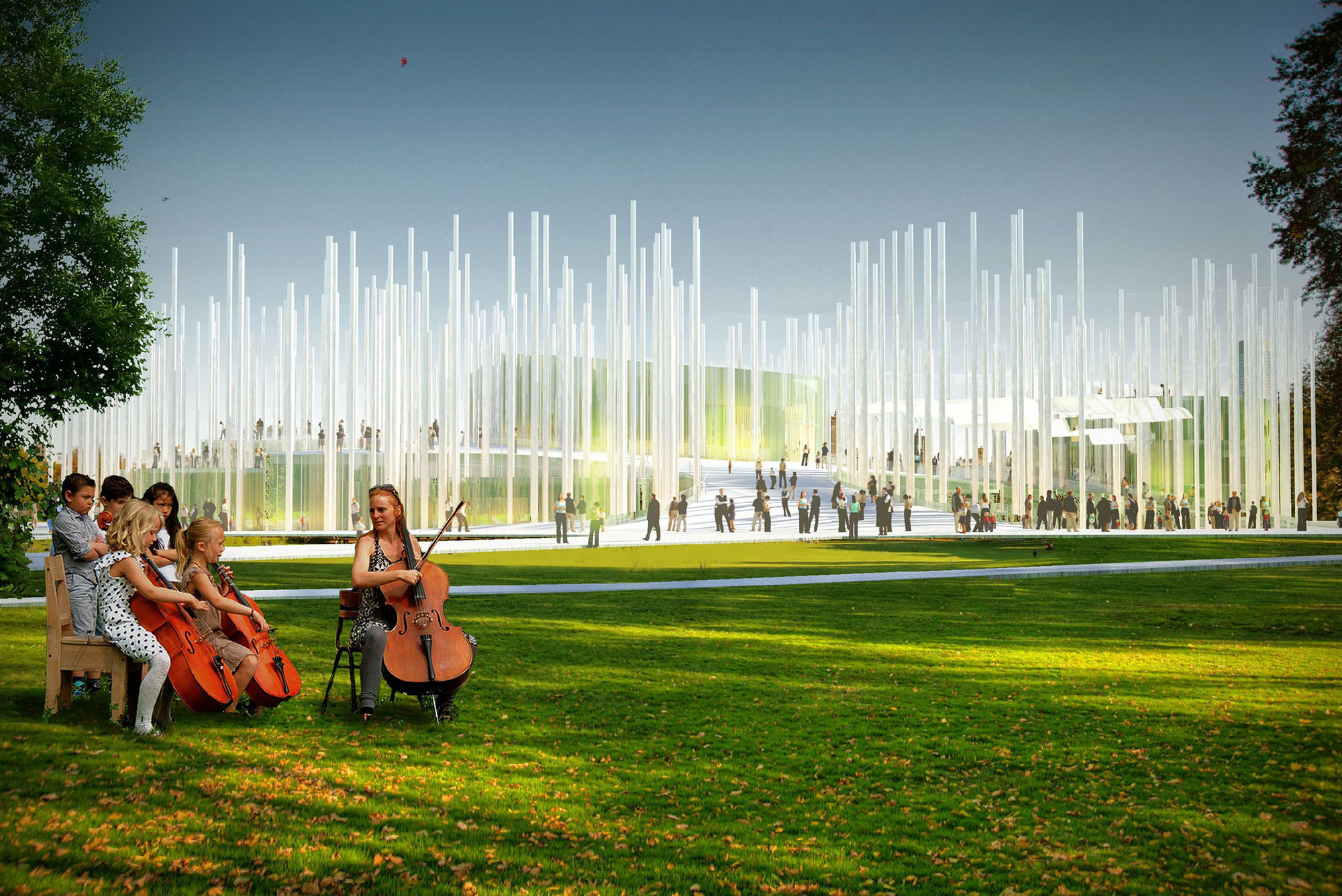
The Liget Budapest Competition has recently announced its winners, and Kengo Kuma and Associates has taken home honorable mention for their House of Hungarian Music design. Conceived as a house in the woods, the proposal seeks to embed itself in the landscape, having a low impact on the natural environment while becoming a focal point of Budapest’s urban environment.
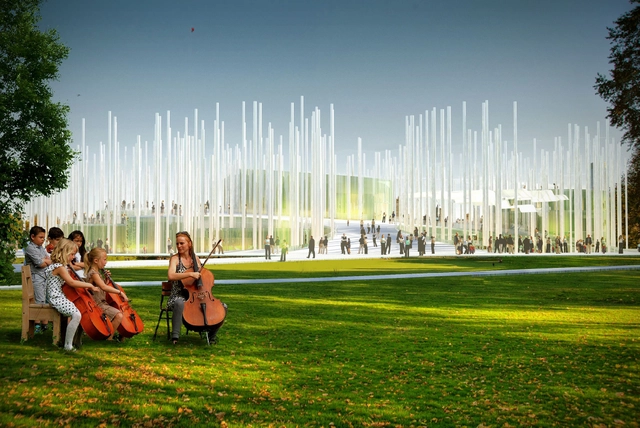
The Liget Budapest Architecture Competition has recently announced the winners for Budapest’s new Hungarian House of Music museum design. Coming in second place is architecture firm ARCVS Projektni biro. Their proposal takes the form of an 8-pointed star-shaped dome, held up by a veritable forest of columns. This uncommon shape provides numerous places, both indoors and out, for education, leisure, and exhibition, establishing itself as a prominent destination for the people of Budapest. Learn more, after the break.
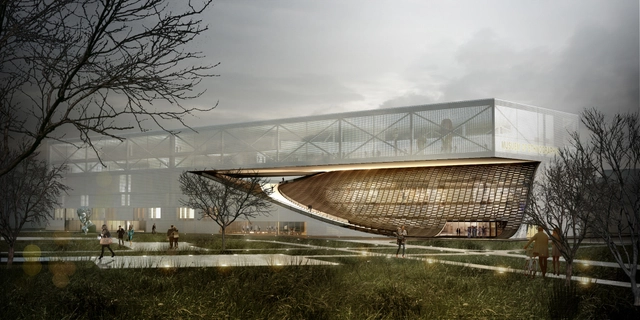
A few days ago, the winning design for the new Liget Budapest Museum of Ethnography was revealed. BFarchitecture, awarded second place, has just released their design proposal, which weaves the city and park of Városliget together by flowing the public along the Dózsa György út through the procession of the building.
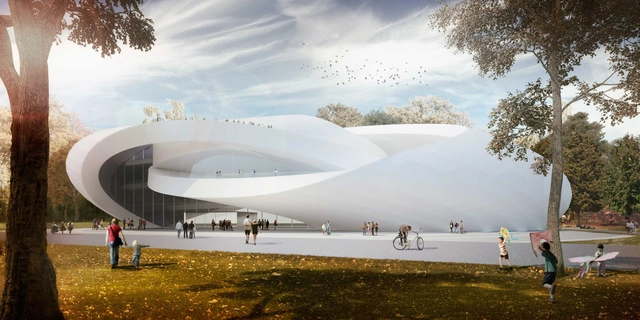
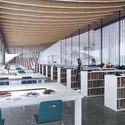
This past spring, the Liget Budapest competition was launched in the interest of finding new designs for planned cultural buildings in the Hungarian capital. One of these, the House of Hungarian Music, is to be a museum as well as a performance space set in Budapest City Park. Over 170 entries were submitted for the building, and of those, Andrea Vattovani Architecture’s proposal has taken third place. This gently curving and folding sculpture of a building aims to present the history of Hungarian music in an engaging setting, while creating an iconic landmark for the city of Budapest. Learn more, after the break.