Content Editor at ArchDaily Mexico. Architect by UNAM (2018). Her interests focus on exploring the relationship of the body with architecture through dance. She has collaborated with different international choreographers who explore dance and architecture as an event. Twitter / Instagram: @monicarellano_
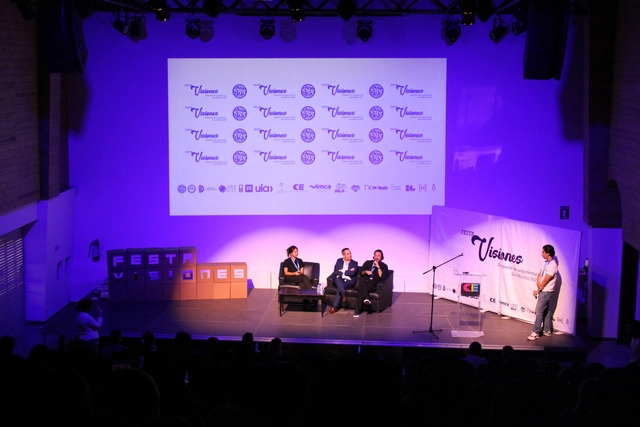
On April 26, 27, and 28 of this year, the "FESTA Visiones" architecture festival took place in Los Mochis, Sinaloa, marking the return of in-person activities and the revitalization of events. To this end, the Architecture Committee of the Tecnológico Nacional de México Campus Los Mochis and the Colegio de Arquitectos del Norte de Sinaloa joined forces to resume the region's most important educational event, once again inviting students to learn from national leaders in the profession.
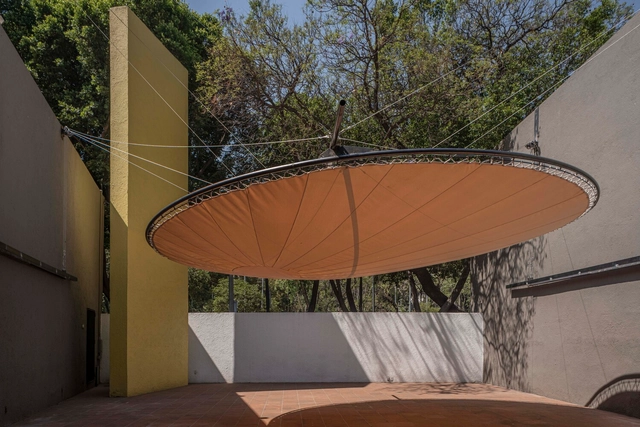
As part of the exhibition program of the Museo Experimental El Eco, the call for entries for the 2023 Eco Pavilion was launched, inviting professionals involved in architectural practice in Mexico to dialogue with the museum's space. This edition marks 13 years of the Eco Pavilion, a competition launched in partnership with Buró-Buró with the mission of offering a platform for architectural production focusing on experimentation and spatial reflection. The winning project belongs to the team composed of OCIO taller + Bianchi Majer + Nicolás Guzmán + Angélica M. Pena + Andrés Lira.
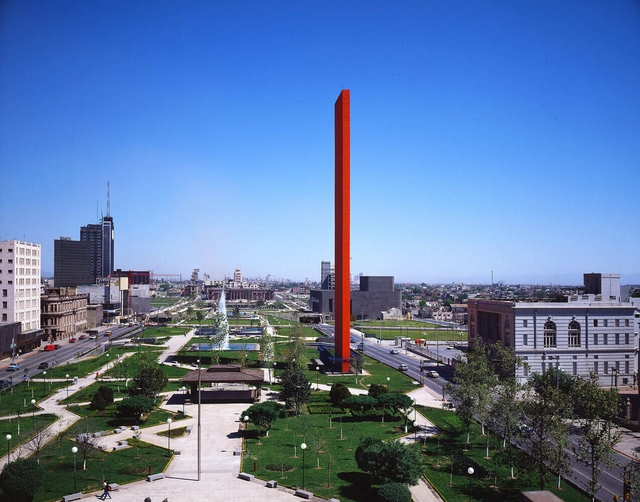
March 9 marks the birthday of one of the most important Mexican architects worldwide. A pioneer of the Modern Movement in Mexico whose work has transcended geographical limits to be studied by different generations of architects who have rewritten his teaching to make it their own. Every year, this date represents the perfect excuse to rethink Barragan's legacy to architecture not only in Mexico but also in the world, and different projects have been carried out with this intention, awakening the interest of new generations. However, until a few years ago, the record of the architect's work was not very accessible since more than 50% of the projects he built remained anonymous due to the lack of a proper archive of his work.
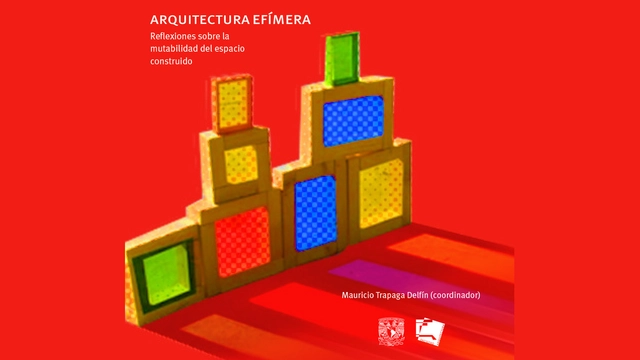
An interdisciplinary group of professors, mostly from UNAM, founded the Permanent Seminar on Ephemeral Architecture in January 2019, aiming to formalize the work carried out on the subject since 2010. Now, drawing on the reflections and papers presented at the colloquium "Ephemeral Architecture: Reflections on the Mutability of Built Space"—held at the UNAM Faculty of Architecture—the eponymous publication has been released and is available for free download at this link.
As the result of a seminar-workshop organized by COMUNAL—where participants engaged in critical readings and reflections starting from texts on habitat and autonomy, the Social Production and Management of Habitat, Participatory Design, and critical pedagogy—a collective fanzine has been launched and can be downloaded for free at this link. The document emerges as a proposal to imagine and build new narratives for producing and sharing knowledge.
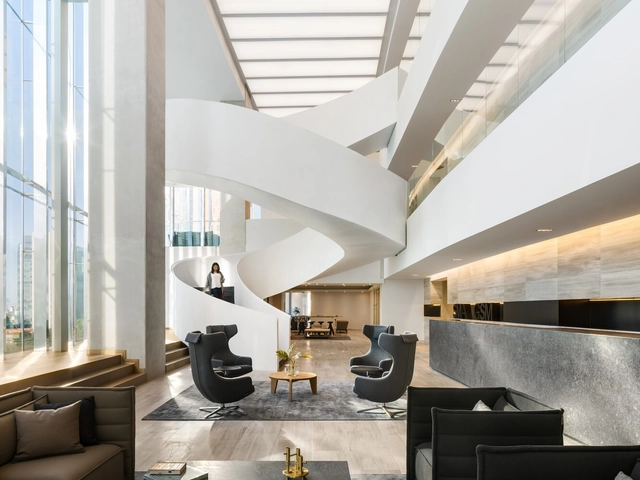
One of the most important elements in architecture are the vertical circulations that are translated into elevators or stairs, and although some offices decide to approach it in a discreet way, some others choose to pay specific attention to it and turn it into a sculptural piece. Helicoidal staircases are some of the favorites when it comes to focusing attention and in our collective conscience we keep some iconic examples, as is the case of the staircase in the O'Gorman House, this piece gave a certain character to the work and it is almost impossible to imagine it without it.
Art Deco is an artistic and design style that emerged in Europe in the late 19th and early 20th centuries, reaching its peak in the 1920s and 1930s. Although it's difficult to identify a single origin for Art Deco, it's believed that the style developed as a reaction against the Arts and Crafts and Art Nouveau movements, which emphasized craftsmanship and naturalistic ornamentation. The style quickly spread throughout the world and had a major influence on architecture, interior design, fashion, and visual arts during the first half of the 20th century.
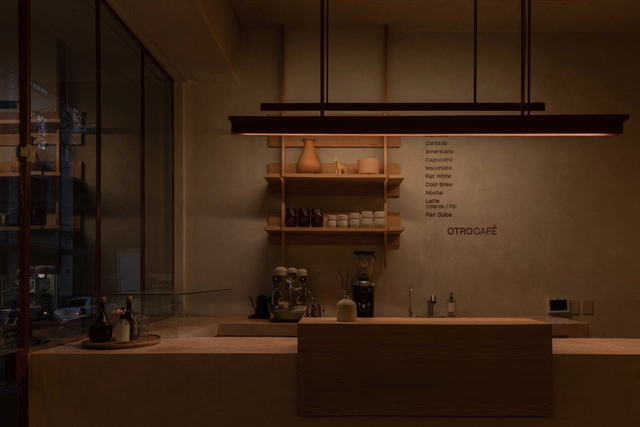
OTROCAFÉ is located on the ground floor of the iconic YWCA building, in the heart of Mexico City's Historic Center—a space steeped in over a century of history. The project was conceived as an integrated architecture and design proposal, a vision reflected in its creative framework. The cafe's design combines several key elements: subtle red accents, wood featured in both the custom furniture and as a continuous envelope wrapping the space, raw walls pigmented with a lime-based plaster, and soft, warm lighting that completes the atmosphere.
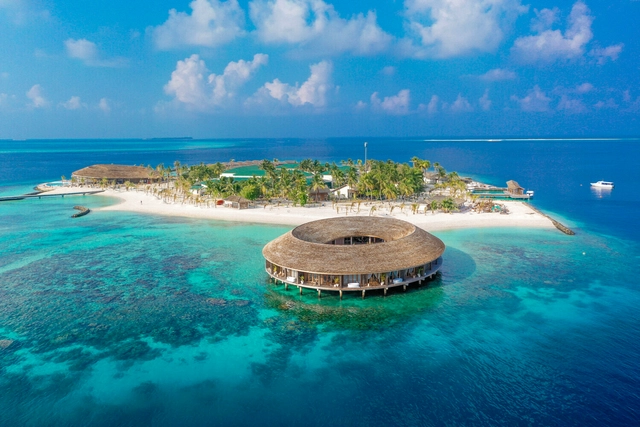
Kagi Maldives Spa Island / Yuji Yamazaki Architecture. Image Cortesía de Kagi Maldives Spa Island
The Maldives is a sovereign island country located in the Indian Ocean, organized into 26 atolls. It comprises 1,200 islands of which 203 are inhabited; it is located 450 km from India and is considered a micro-state since its extension is only 298 square kilometers. Its capital and most populated city is Malé, with a population of 103,693 inhabitants. It has a tropical and humid climate and is the least populated country in Asia. The archipelago is composed of about 1,190 coral islands grouped in a double chain of 26 atolls, following a north-south direction, occupying an area of about 90,000km, making it one of the most dispersed countries in the world.
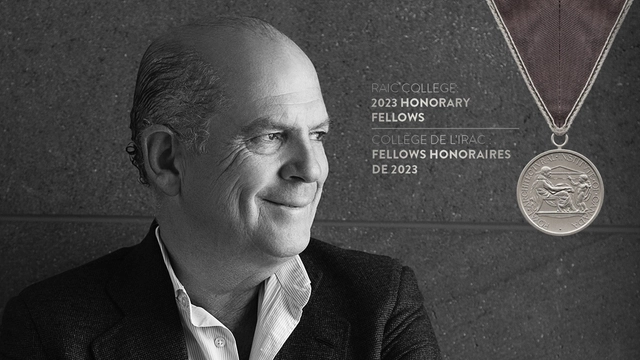
Through a press release, Mexican firm Sordo Madaleno Arquitectos has announced that architect Javier Sordo Madaleno Bringas has been named an Honorary Fellow of the Royal Architectural Institute of Canada (RAIC). He is one of four selected professionals, alongside David Hughes, Tokunbo Ómisorè, and Sumayya Vally, who have significantly influenced the practice of architecture worldwide, exemplifying the tremendous impact that architects have not only on the built environment but also on public life and the world around them.
One of the most important factors when designing is the specific climate of the site. This can be a difficulty when dealing with extreme climates and it is necessary to use insulating materials that adapt to the changing conditions. However, when talking about Mexico and its particular climate this works in the architects' favor allowing them to create microclimates and spaces that blur the transition of what turns out to be indoors and outdoors.
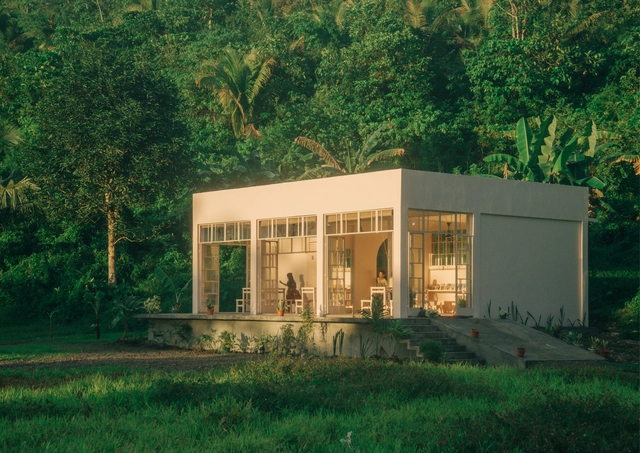
Children's Learning Center, Mas-in Village / Native Narrative. Image
Since the first civilizations, nature has been a fundamental pillar to serve humanity as a natural habitat, offering shelter, food, and medicine. In modern times, industrial and technological revolutions have taken over the landscape, reshaping the way humans interact with nature. However, today and due to the events that we have experienced as a society, it is necessary to focus on creating cities and spaces that integrate nature into everyday life.
The history of light has undergone various transformations over the centuries; its intrinsic relationship with architecture itself has sparked expressions and critiques that, beyond serving as a tool to illuminate the inhabited world, directly influence how we perceive it and how the built environment is produced. Every lighting project is directly tied to its own understanding of quality, class, interpretation, intention, and meaning.
Guatemala is a country located in Central America that is organized into 22 departments, its capital and most populated city is Guatemala City. Mexico forms the geographic borders that contain this territory to the north and west, Belize and Honduras to the east, and El Salvador to the south. In addition, it faces the Pacific Ocean and the Gulf of Honduras. It is located in Mesoamerica, home to the Mayan culture, which extended to what we know today as Mexican territory. It is for this reason and for some other reasons related to migration issues that these two countries share similar traits in terms of climate and culture, which is highly enriching when we explore the development of the territory.
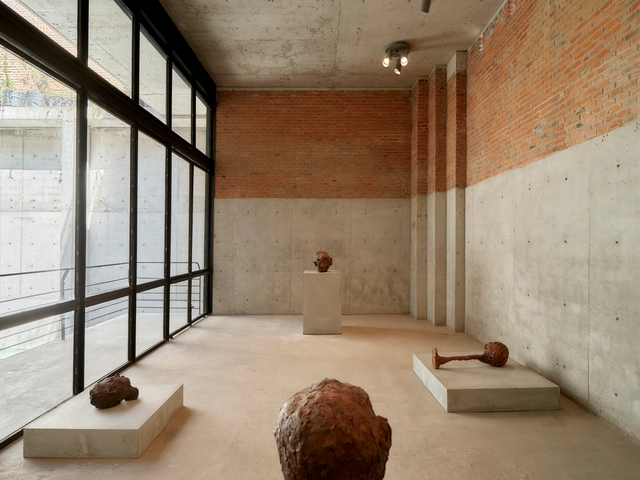
The artistic practice of Bosco Sodi has opened a new space in Mexico City that houses Sodi's new studio while serving as an extension of the Fundación Casa Wabi. This venue, named Sabino 336, was first unveiled during Art Week 2023, coinciding with Sodi's exhibition "Alabanzas" at the Galería Hilario Galguera. Curated by Dakin Hart, the exhibition showcased works from the artist's personal collection.
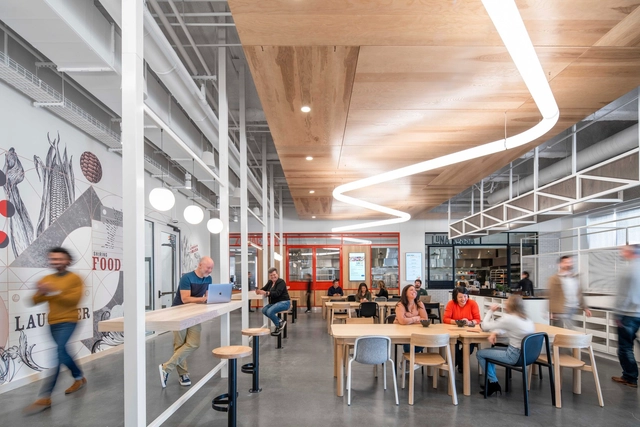
As part of a research project by the Gensler Research Institute, the first Gensler Mexico Workplace Survey was conducted in late 2022. The study aimed to highlight the fundamental role the office plays in facilitating face-to-face meetings with colleagues and clients. The findings presented below reveal key shortcomings in current office workspaces. Furthermore, they foster a better understanding of the characteristics that make workplaces efficient, functional, and engaging, offering insights to rethink user experience design. Ultimately, this presents a clear opportunity to enhance both individual and collaborative work.
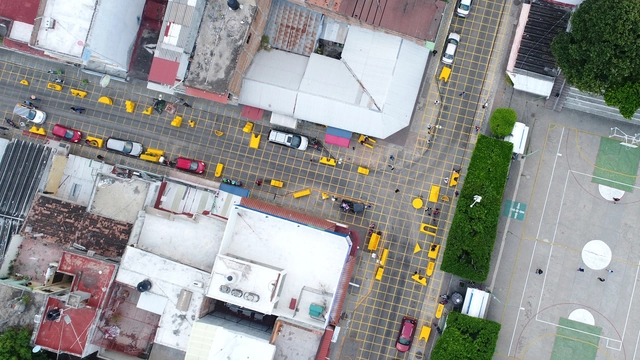
As part of a new initiative of the multidisciplinary laboratory based in Mexico, dérive LAB presents "Shared Streets", a project with a focus on urban design that seeks to spatially transform the street so that it is governed by human relations, rather than using traffic control devices; this suggests that the street is not only a space for transportation and mobility but one in which many other social, economic and cultural activities take place.
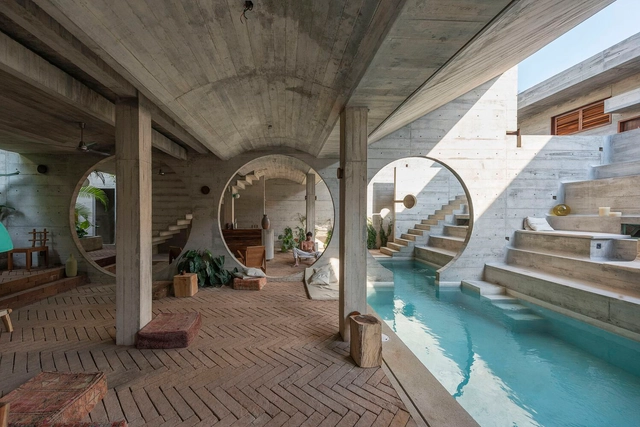
Although there is no exact record of the specific moment in which Puerto Escondido began to become a reference of contemporary Mexican architecture, various waves have been experienced. Perhaps the first one started in 2016 when the construction of Casa Wabi began, a Tadao Ando project where the Mexican office BAAQ´ collaborated as associates to develop the executive project and coordinate its construction. However, in 2019 another wave was experienced that was later reinforced by the beginning of the COVID-19 pandemic and remote work, which radically aroused interest in returning to the provinces and costs where there was less population and overcrowding.