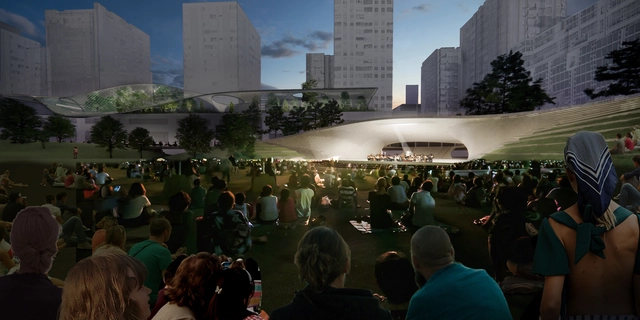
A design team comprised by Diller Scofidio + Renfro, Gustafson Bowman + Porter y B720 Fermín Vázquez Arquitectos has been chosen to lead the transformation of Madrid’s AZCA district.
Architect and Project - Team Lead at ArchDaily Instagram: @ fabe.de
A design team comprised by Diller Scofidio + Renfro, Gustafson Bowman + Porter y B720 Fermín Vázquez Arquitectos has been chosen to lead the transformation of Madrid’s AZCA district.
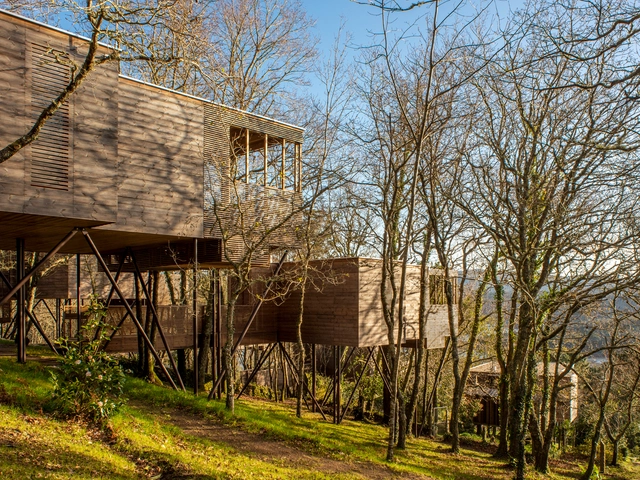
The Albeida Tourism Complex, designed by architects Alfonso Salgado Suárez and Francisco Liñares Túñez, and the new Spatial Planning Guidelines of the Basque Country are the winning projects of the latest edition of the 2020 Architecture and Urbanism Awards, presented by the Superior Council of Colleges of Architects of Spain (CSCAE).
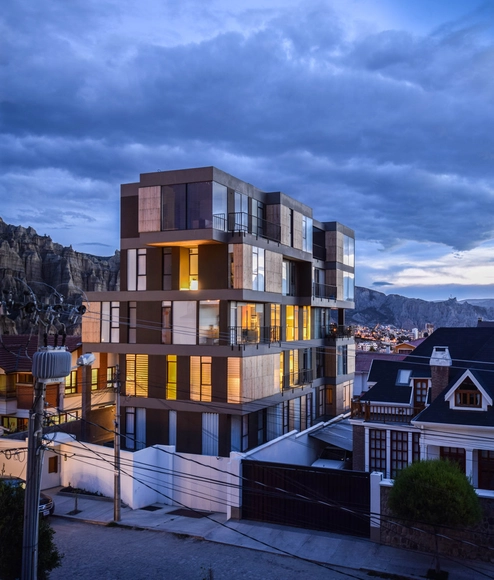
The 14th Bolivian Architecture Biennial 2021 took place between January 18 and 25, a cultural and academic event organized by the Departmental College of Architects of La Paz (CDALP) and the College of Architects of Bolivia (CENA CAB) through its Organizing Committee. The goal of this gathering was to celebrate and promote completed works, projects, and intellectual contributions related to the urban and architectural environment of recent years, both nationally and internationally.
In this edition, 169 projects were submitted from Bolivia's nine departments, as well as from the 12 countries participating in the international categories. Discover the winners below in the categories of Completed Work, Project Category, Research and Intellectual Production, and Student Graduation Projects.
.jpg?1611317602&format=webp&width=640&height=580)
Ad Urbis is a Cuban collective navigating the complexities of inserting contemporary architecture into a high-value heritage context like Havana, prioritizing above all architectural research, theory, and practice across the realms of design and education.
We interviewed the collective to explore their reflections, workflows, the relationship between practice and academia, and their upcoming projects and outlook for the future of architecture in Cuba.
How important is color in architecture? The choice of color for a facade or a space can have complex effects on people, directly influencing their sensations and perceptions. The possibilities are endless, ranging from bold contrasts to complete achromatism.
The following list is our index of articles, news, and projects covering everything you need to know about the importance of color in buildings—from design strategies and the latest trends to its application in projects and materials.
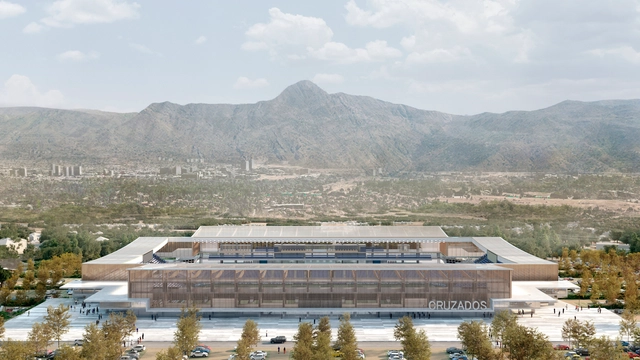
The Spanish architecture firm IDOM was selected by Cruzados through a competition to modernize the San Carlos de Apoquindo Stadium of Universidad Católica de Chile.
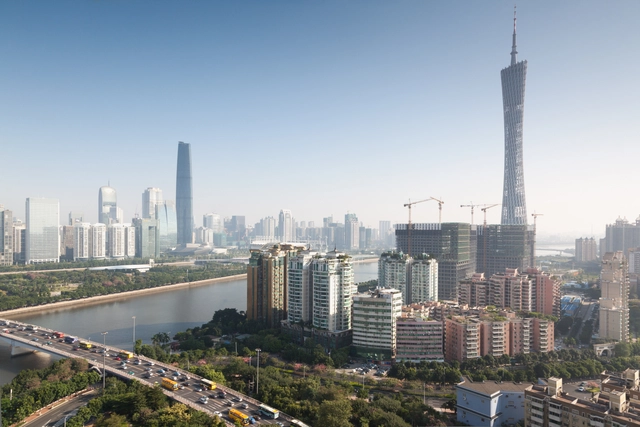
From climate crisis to How Will We Live Together, as we face the current and accentuated global challenges many of our ideas about the cities of tomorrow are changing. So how will the city of the future be?

The 14th Bolivian Architecture Biennial 2021 is a cultural and academic event organized by the La Paz Departmental College of Architects (CDALP) and the Bolivian College of Architects (CENA CAB) through their Organizing Committee. The goal of this gathering is to celebrate and disseminate built works, projects, and intellectual contributions related to the architectural and urban environment of recent years, both nationally and internationally.
The academic production of architecture in Ibero-America is vast and valuable; therefore, we believe it is necessary to launch an open call to showcase the best final degree projects resulting from this work.

It took nearly 60 years to build the San Carlos Canal, an engineering feat that drew water from the Maipo River to irrigate the lands of southeastern Santiago.
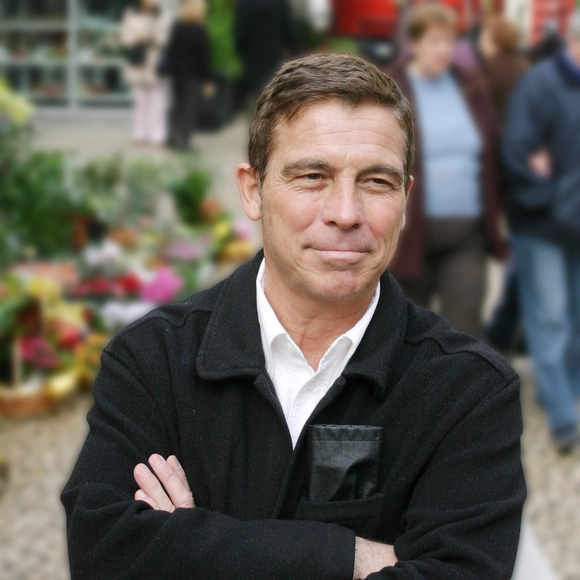
Alberto Campo Baeza has added another recognition to his already impressive repertoire as the 2020 winner of Spain's National Prize in Architecture, an award bestowed by the country's Ministry of Transportation, Mobility, and Urban Planning in recognition of the winner's professional as well as academic contributions to architecture.
ELEMENTAL presents a sneak peek of its contribution to "How will we live together?" at the Venice Architecture Biennale 2021. Recently, violence has increased in the historical Mapuche-Chilean conflict, that is why the architectural office proposed to build places that recover the old tradition of parleys, spaces to meet in order to settle differences and discuss terms for an armistice.
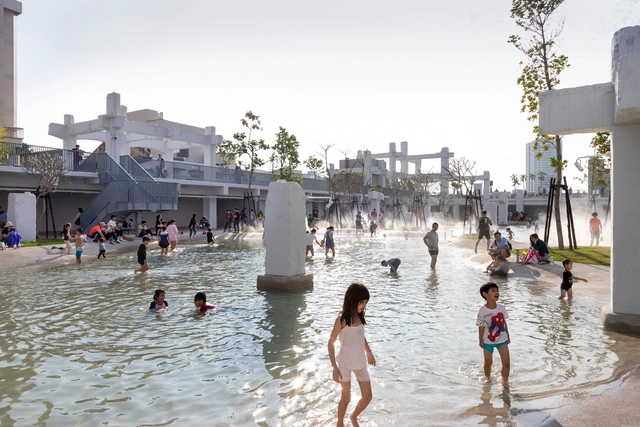
Facing the current and accentuated global challenges, we ask ourselves: What should we address first?
2020 was a tremendous opportunity to focus all our efforts and attention on the most urgent issues of architecture. Through articles, interviews, debates, and projects, ArchDaily's Topics presented each month an in-depth response to the most relevant problems - from the climate crisis and emergency architecture to artificial intelligence and How Will We Live Together.
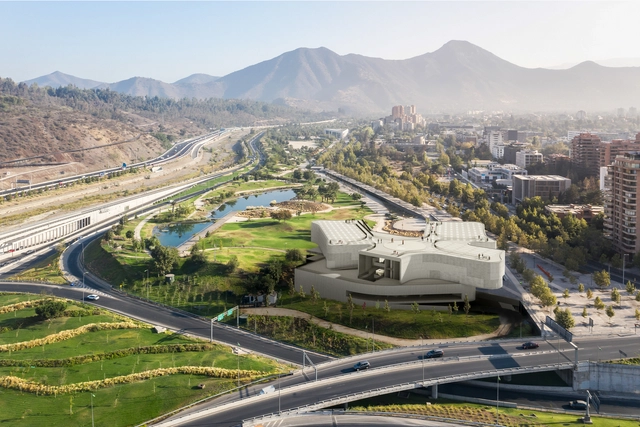
The team led by Chilean architect Cristián Fernández has won the National Architecture and Landscaping Competition for the New Museum of Santiago (NUMU, Nuevo Museo de Santiago), a cultural project that will house the Fundacion Engel art collection in the Bicentennial Park in Santiago, Chile.
Human Rights Day is celebrated every year on the 10th of December. After visiting numerous sites that commemorate the scenes of regrettable crimes against humanity and violence, one common observation can be made: the place of memory is not only a building. In fact, it is more about the encounter, the appropriation, and the gesture.
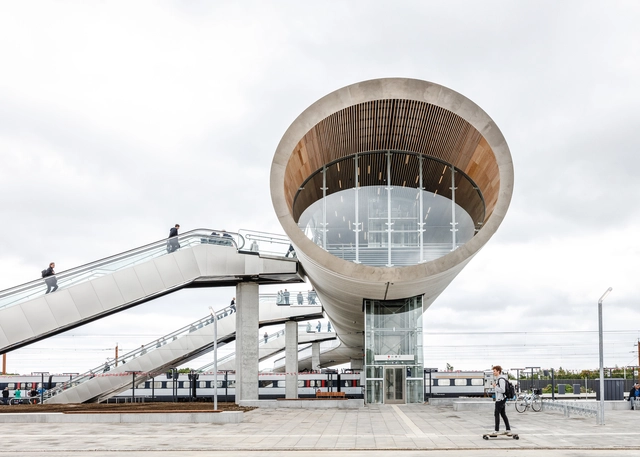
The annual Prix Versailles awards, created in 2015 to promote a better interaction between the cultural and the economic, announced the 2020 world winners celebrating 24 projects in the categories of Airports, Campuses, Passenger Stations, Sports, Shops & Stores, Shopping Malls, Hotels, and Restaurants.
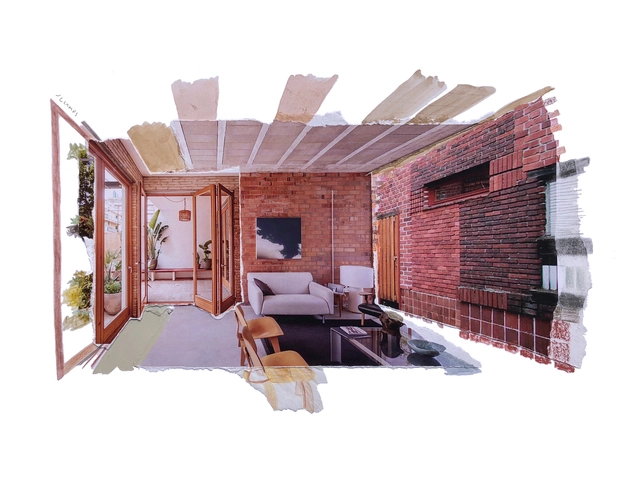
Silvia Garcia Camps has presented a series of collages of renowned works of architecture to show that, nothing is ever really invented, it's simply borrowed and mixed. In this article, we highlight her presentation.
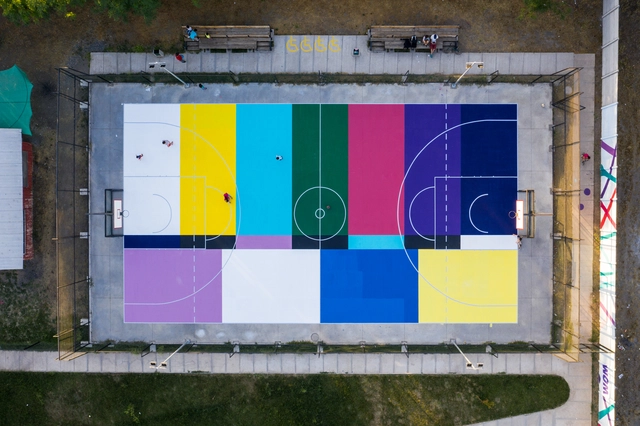
"Art at the service and disposal of the people"—this is the primary goal of Metro21, a Chilean urban art gallery dedicated to exhibiting works and managing projects for artists working in public space.
"De cancha en cancha" (From Court to Court) is their initiative to reclaim shared spaces that have fallen into disuse and disrepair across many of the country's localities—a common outcome of a lack of long-term upkeep.