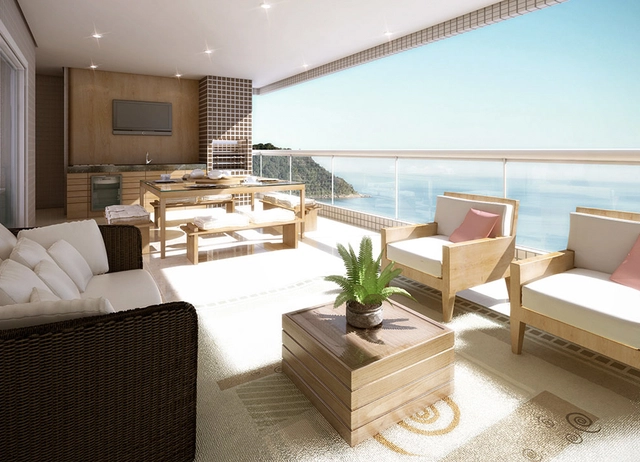
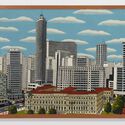
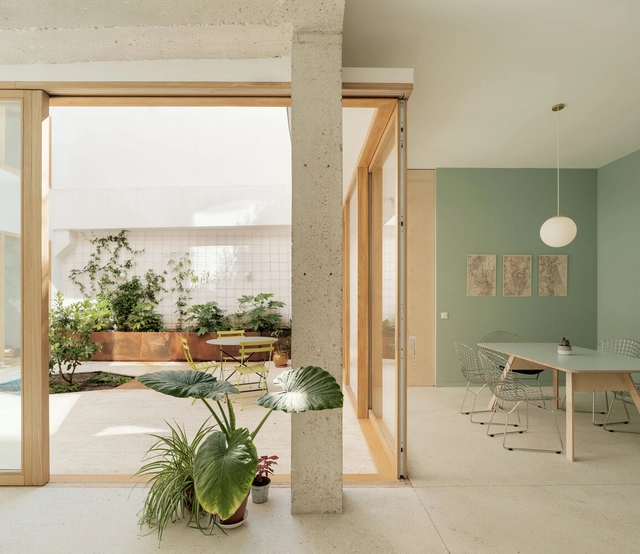
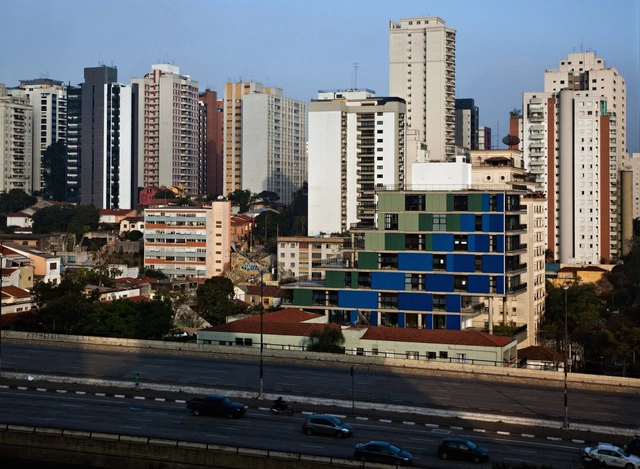
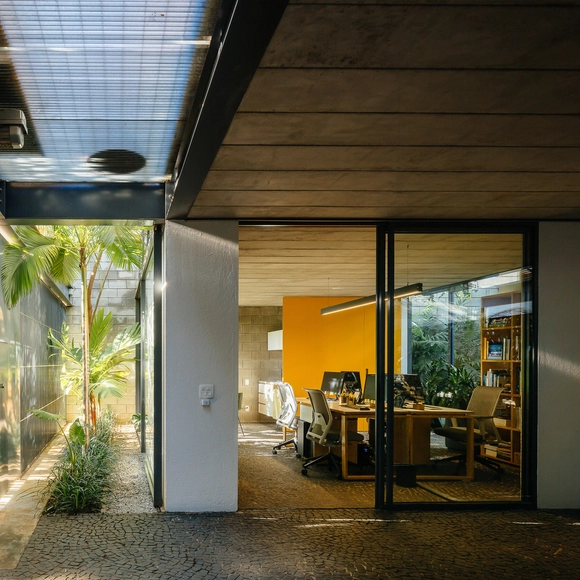
Most real estate brochures proudly showcase a specific feature: the gourmet balcony. Have you ever stopped to think that perhaps these spaces, typically equipped with a barbecue grill, say more about real estate speculation than about the actual barbecue culture in Brazil?
https://www.archdaily.com/1123640/gourmet-balcony-national-passion-or-real-estate-strategyArchDaily Team
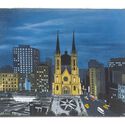
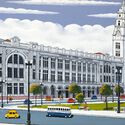
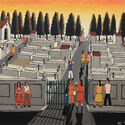
"Agostinho de Freitas was an extraordinary artist," says Agnaldo Farias, art critic, professor, and curator of the exhibition “Agostinho Batista de Freitas – Mestre das Ruas,” on view from May 12 to June 11 at Galeria Estação in São Paulo. The exhibition features a selection of about 20 of the artist's canvases from the collection of gallerist Vilma Eid.
The National Congress will officially discuss the proposal for the Professional Microentrepreneur (MEP), a tax category that would reduce taxes paid by architects, urban planners, and other independent professionals. The proposal, drafted by CAU in partnership with the Board of National Entities of Architects and Urban Planners (CEAU), was introduced by Federal Deputy Érica Kokay in the Chamber of Deputies as Supplementary Bill No. 55/2022.
https://www.archdaily.com/1131906/national-congress-debates-bill-to-reduce-taxes-for-architectsArchDaily Team
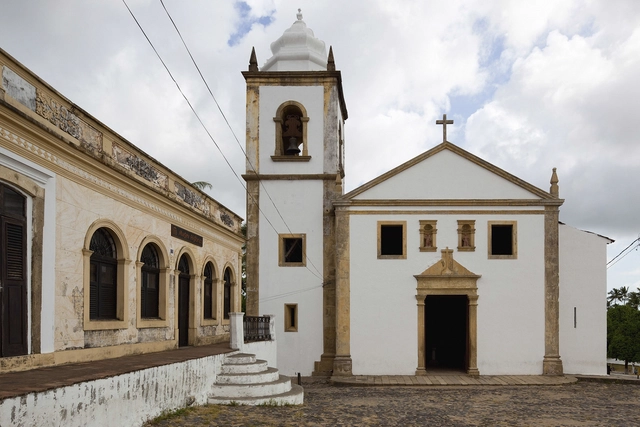
Dating back to 1535, the Church of Saints Cosmas and Damian in Igarassu, Pernambuco, is considered the oldest surviving church in Brazil. This iconic landmark has recently undergone an extensive restoration that preserves its historic features while introducing upgrades to facilitate its contemporary use. The intervention also included the adjacent two-story Parish House.
https://www.archdaily.com/1132380/brazils-oldest-church-restored-in-igarassu-pernambucoArchDaily Team
Improving people's quality of life is one of the biggest goals of professionals in Architecture and Urbanism. When planning cities, creating housing or carrying out a simple refurbishment, we seek to improve the built space regardless of scale. The Urban Rehabilitation of Alto de Bomba, carried out in the city of Mindelo, Cape Verde, arose from the need to combat the precariousness found previously in the place. A project that required the immersion of the team in the daily life of the city and resulted in an inspiring proof of how much architecture can reveal better ways of living the city and acting directly in society. No wonder it received the Work of the Year Award in 2022, chosen by our readers as the winner among hundreds of competing projects.
Even before we got used to remote work, some offices were already concerned about the well-being of their teams and how to attract new talent to work in their physical spaces. In this context, the decompression rooms had already become fundamental parts of the architectural program to demonstrate that the company is concerned with encouraging people to live together, relieving everyday pressure and bringing moments of pleasure during the workday. Currently, when many have already returned to the offices, environments like this have become increasingly essential to ensure the well-being of the employee, as well as improve their performance.
Who do you design a city for? Your answer is unlikely to focus on a baby or a child under the age of six—the age bracket that defines early childhood. Yet, a wide range of guidelines and actions can be taken to integrate this demographic into urban planning. After all, this is when a citizen's first interactions with urban life begin, making it essential to provide the most welcoming environment possible.
https://www.archdaily.com/1131869/how-to-develop-early-childhood-friendly-neighborhoodsArchDaily Team
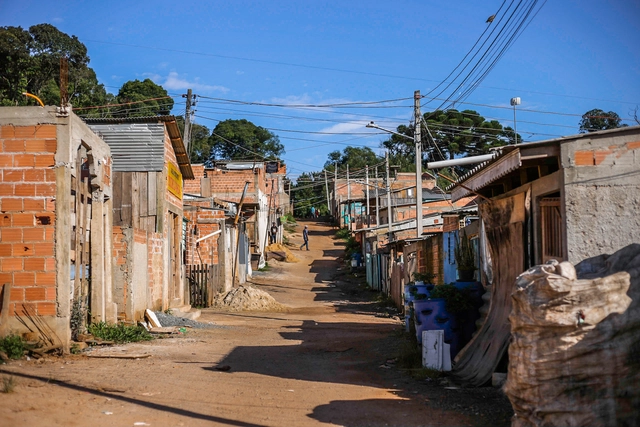
The 29 de Março community, in the Cidade Industrial de Curitiba (CIC), was one of two Brazilian regions selected by the Action Fund Brazil to receive investments to combat climate inequality. Ambiens Sociedade Cooperativa, a local cooperative, was responsible for the project — a 15-month initiative in one of the city's most vulnerable neighborhoods. The other project was implemented in Porto Alegre, Rio Grande do Sul.
https://www.archdaily.com/1132364/solar-project-brings-renewable-energy-to-curitibas-periphery-for-public-lightingArchDaily Team
The climate crisis has accentuated changes in the amount of rainfall, causing droughts or storms with large volumes of water, which result in floods that can cause great damage to urban infrastructure. To combat this, the sponge city is a solution that has a green infrastructure to operate the infiltration, absorption, storage and even purification of these surface waters.
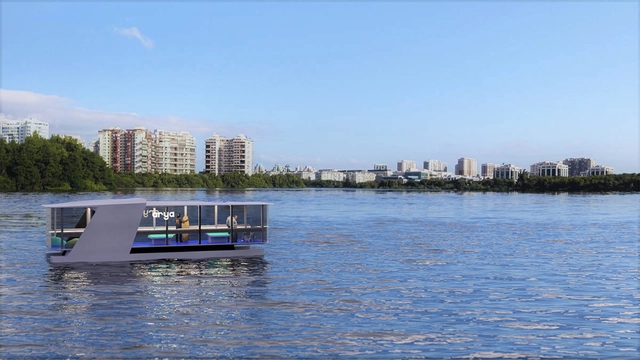
An eco-friendly autonomous vessel will begin transporting passengers through the waterways of Rio de Janeiro in December 2022. The new urban mobility project is the result of a partnership between travel platform Hotel Urbano – Hurb and TideWise, a Latin American autonomous boat company.
The new partnership will explore several of the city's water routes to connect tourist attractions and major hubs, such as Sugarloaf Mountain and downtown Rio, as well as the Península in Barra da Tijuca and the Jardim Oceânico subway station.
https://www.archdaily.com/1132086/autonomous-boats-will-transport-passengers-in-rio-de-janeiroArchDaily Team
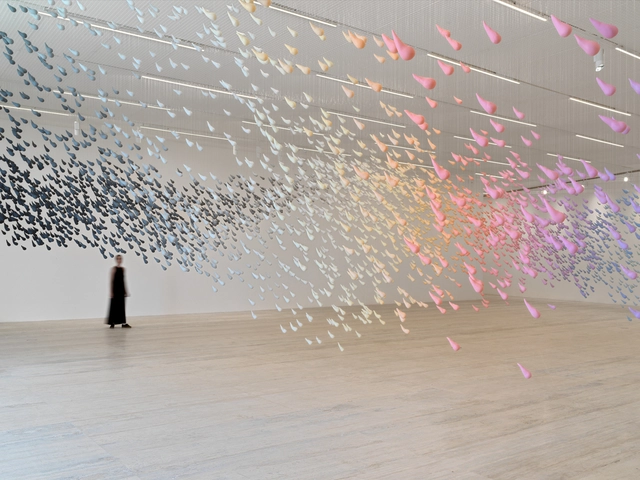
As part of the programming hosted by Museo Jumex from April 2 to September 18 in Mexico City, "Urs Fischer: Lovers" presents a 25-year retrospective of one of today's most celebrated international artists. Organized by guest curator Francesco Bonami, the exhibition brings together new pieces created specifically for the museum alongside works from international public and private collections, as well as the artist's own archives. Together, these works showcase the expansive creativity, humor, and depth of the artist's practice.
https://www.archdaily.com/1132140/urs-fischer-presents-his-first-major-exhibition-for-mexico-and-latin-america-at-museo-jumexArchDaily Team
At one of Bolivia's most important architecture events, a Brazilian project took home the top prize. Sesc Parque Dom Pedro II, designed by the firm UNA Arquitetos under the coordination of Fernanda Barbara and Fabio Valentim, won the International Project category of the International Architecture Biennial of Santa Cruz 2022 (VIII BASC), held between March 25 and April 3 of this year.
https://www.archdaily.com/1132630/sesc-parque-dom-pedro-ii-wins-international-award-at-the-2022-santa-cruz-architecture-biennialArchDaily Team
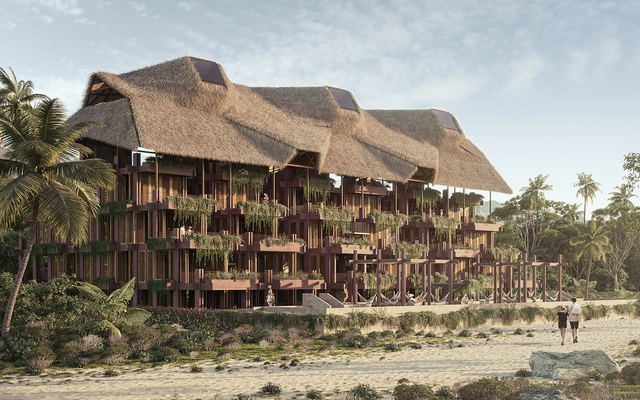
Rojkind Arquitectos presents a new project located on a 2,772 m2 plot of land 90 metres from the beach in Barra Colotepec, Puerto Escondido, Oaxaca. It is a family business dedicated to eco-tourism that is described as "with solid eco-sustainable principles, integrating Oaxacan craftsmanship with modern building technologies." Titled "Flia" (an informal way used in Argentina to abbreviate "family") the project stands as a permeable element divided into 6 habitable cores, allowing ventilation, lighting and views to pass through its interior courtyards.
What would a project be like if user emotions were part of the program? Planning environments that can accommodate different sensations is, according to Pinterest Predicts 2022, one of the decoration trends for the coming years. More and more people have been looking for ways to set up rooms that provide the apotheosis of their feelings, no matter if the goal is to be more calm, express their anger, listen to music or a leisure activity, the focus of the so-called "emotional decor" is on make emotions flow freely and safely.
The seven main representative entities of Brazilian architects and urban planners, members of the Board of Architecture and Urbanism Entities (CEAU), launched the Open Letter to Candidates in the 2022 elections. Featuring 20 proposals, the document aims to address structural issues, economic and social development policies, and territorial planning in the country.
https://www.archdaily.com/1132454/cau-and-other-architecture-organizations-issue-an-open-letter-to-candidates-in-the-2022-electionsArchDaily Team
A call that comes from the cradle, creativity, the act of transforming ideas into materials, are some of the words to introduce Nitsche Arquitetos, which in its practice remains in a constant reinvention from the questions that are posed about space and life. Daughter and sons of artists Marcello Nitsche and Carmela Gross, siblings Lua Nitsche, Pedro Nitsche and João Nitsche founded the office that works on two fronts: architectural projects – headed by Lua and Pedro, architects trained at FAUUSP in 1996 and 2000, respectively – and works of art and visual communication – led by João, a visual artist who graduated from FAAP in 2002.
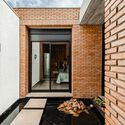
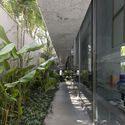
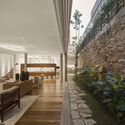
The side setbacks configure the distance that must be between the building and the side boundary of the land. Master plans, building codes or zoning laws determine the minimum clearance that must be observed to ensure that the building takes advantage of better aeration, sunlight and permeability. Although this feature brings several qualities to the built environment, many people do not know how to take advantage of the space given by the setback and, often, it becomes just a passageway.
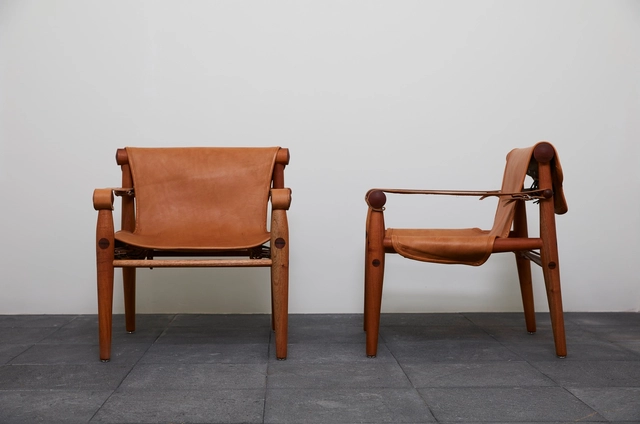
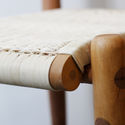
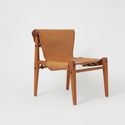
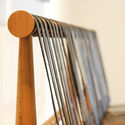
The historical memory and research project "Clásicos Mexicanos"—which recovers the work of key figures in mid-20th-century Mexican design by manufacturing some of their most iconic pieces—once again opens its doors to celebrate the work of Armando Franco (b. 1921), a key figure in the Mexican architecture and design scene.
https://www.archdaily.com/1132268/clasicos-mexicanos-presents-armando-franco-and-his-cofran-collectionArchDaily Team