English: Architect from the Faculty of Architecture, Design and Urban Planning of the University of Buenos Aires (FADU-UBA). Collaborator at ArchDaily. Her interests involve projecting and thinking about urban planning and architecture from people. Born and raised in Buenos Aires, Argentina. Instagram: @agustinainiguez_
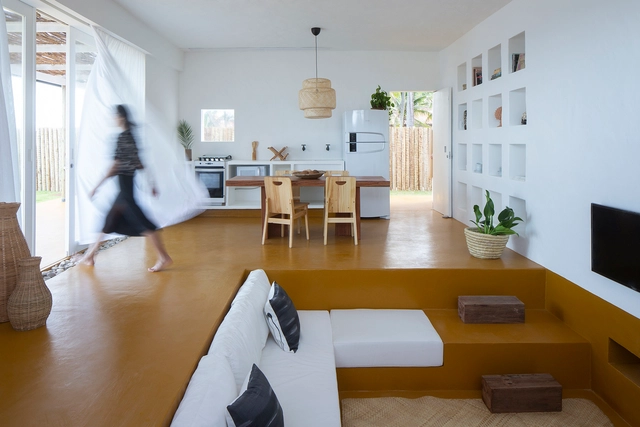
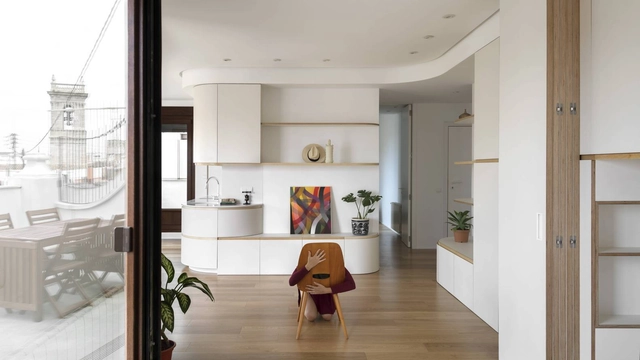
Implemented as a means to take full advantage of space, built-in furniture has grown in popularity as well as ingenuity as designers tackle the needs and tastes of a wide range of users. It's ability to adapt and integrate into architectural spaces allows it, through a variety of configurations and materials, to fulfill various functions; however, this poses an interesting question. Is it truly the furniture that adapts to our living spaces? Could it not itself become the protagonist and creator of the spaces that we project?
How to design livable spaces, making the most of the available square meters? Currently, the design of housing in major urban centers is often linked to finding ways to optimize interior spaces, integrate environments for better lighting and ventilation, and establish a connection with the outdoors. According to the needs of its inhabitants, project requirements, and often construction costs, architecture professionals seek to provide flexibility, spaciousness, and adaptability to spaces through renovations, transformations, and more, which provide good living conditions and consider the possible changes that future generations may have to face.
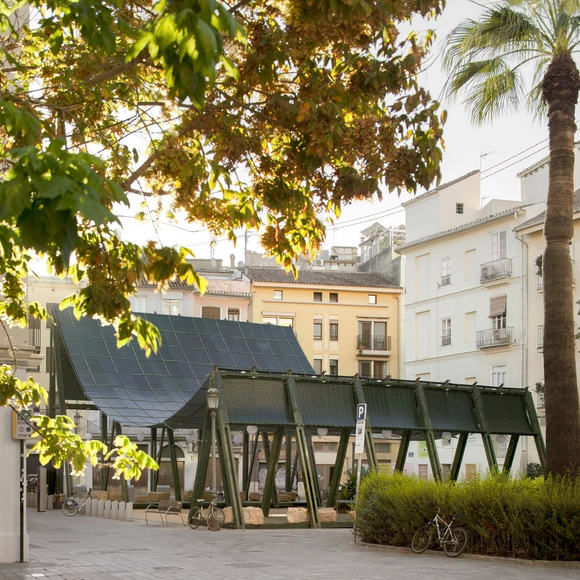
Until October 16, 2023, the second edition of TAC! Urban Architecture Festival will take place in the city of Valencia under the temporary Mediterranean pavilion designed by Manuel Bouzas. Located in the Plaza Músico López Chavarri in the Carmen neighborhood, the pavilion pays homage to vernacular architecture in response to the Mediterranean climate and the role of the Mediterranean shutter, a mechanism that for centuries provided an effective, simple, and lightweight solution for sun protection, allowing habitable spaces to adapt to climatic conditions.
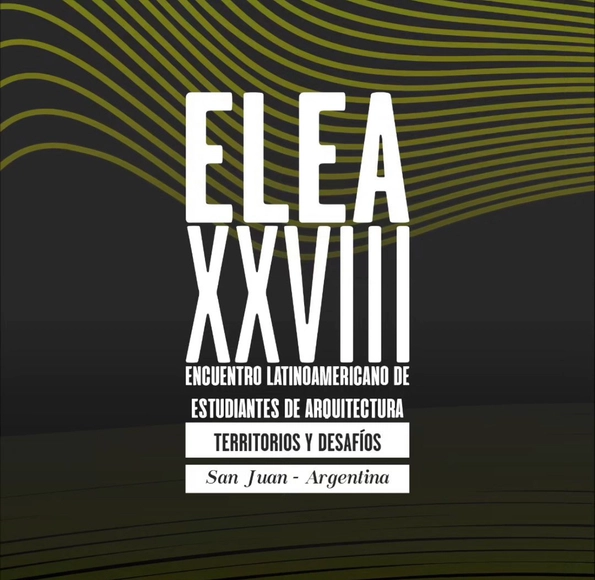
Cortesía de Comité Organizador XXVIII ELEA San Juan 2023
This year, we are gathering in San Juan, Argentina, from October 14 to 21, under the theme "Resilience - Territories and Challenges." Architecture students from across Latin America will congregate to share knowledge, ideas, and experiences that enrich their lives and academic training.
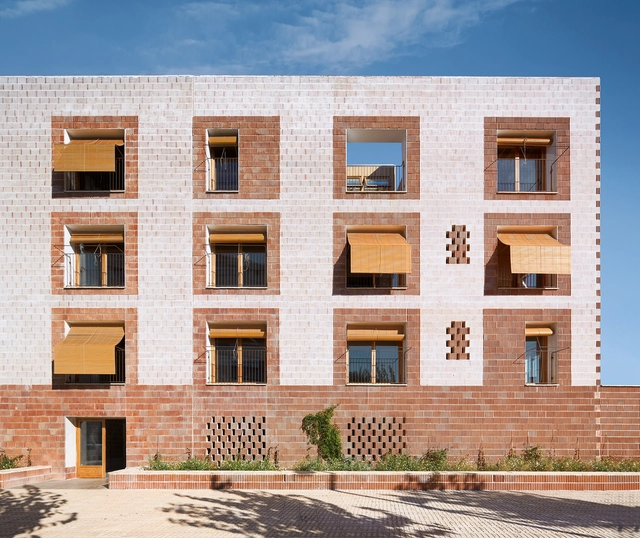
24 Viviendas de protección pública en Platja d’en Bossa / 08014 arquitectura. Adrià Guardiet Llotge, Sandra Torres Molina. Image Cortesía de BEAU
Under the motto "Me-dio Pla-zo," the XVI Spanish Biennial of Architecture and Urbanism (BEAU) inaugurated its exhibition at the Royal Artillery Factory in Seville, highlighting the future vision of architecture and urban planning. At the same time, all the awarded projects in the different categories of this edition involving Architectural Works, Research and Dissemination Works, and End of Career Projects were announced. Until November 20, 2023, the exhibition inspired by the concept of "boxes of time" will be available for visiting, aiming to explore the present as well as the medium-term ambitions of each work.
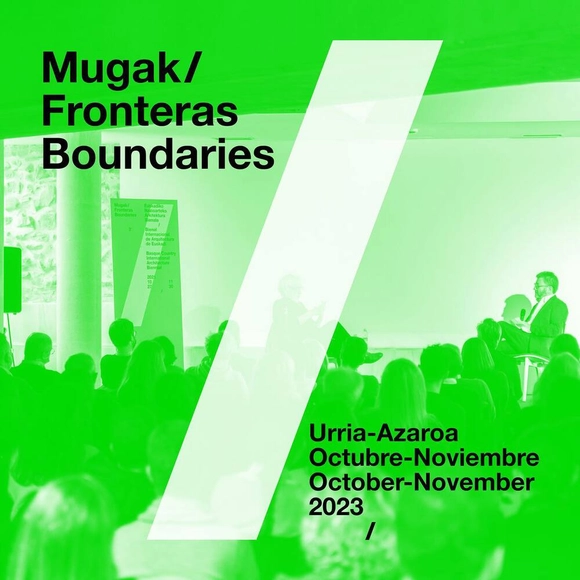
Cortesía de Bienal Internacional de Arquitectura de Euskadi Mugak/
From October until November 24, 2023, the Mugak International Architecture Biennial of the Basque Country will take place. Now in its fourth edition, the event brings together a wide range of open, free activities across San Sebastián, Bilbao, and Vitoria-Gasteiz under the theme “rebuild, reinhabit, rethink,” encouraging debate on the impact of architecture within the context of today's multidimensional crisis—encompassing its environmental, economic, and social responsibilities, as well as its capacity for transformation and care.
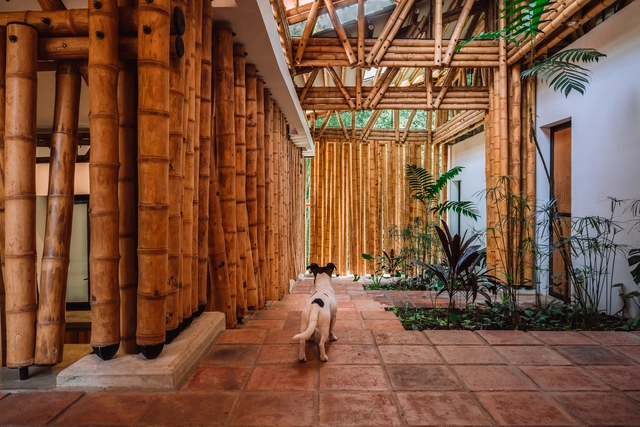
The use of local materials in architecture is becoming more and more important as there is a growing need to find new, sustainable construction methods that can help address the current climate crisis. Understanding the behavior of different materials and their key construction properties, architects and other professionals in the field are increasingly turning to bamboo, aiming to develop strategies and techniques that enable its use in both the structures of their projects and the various components of spaces.
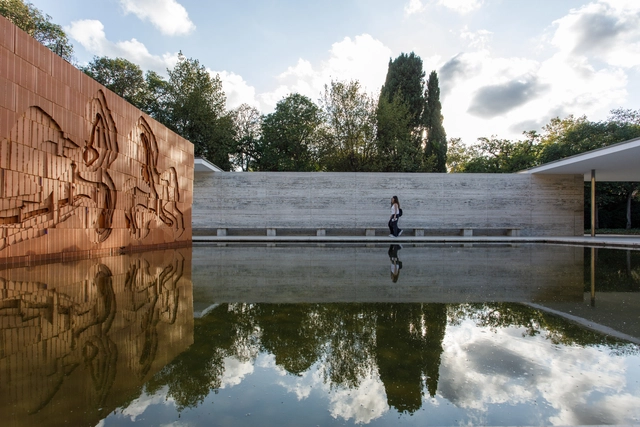
From September 14th to October 8th, 2023, "Psicoarquitectura" will be showcased at the German Pavilion, designed by Mies Van der Rohe and Lilly Reich, located in the city of Barcelona. The Mies van der Rohe Foundation, in collaboration with LAB 36 and Senda Gallery, is hosting this temporary artistic intervention by the artist and architect Oscar Abraham Pabón. This intervention explores the materiality of this iconic work of the Modern Movement, delving into its interpretative and psychological dimensions.
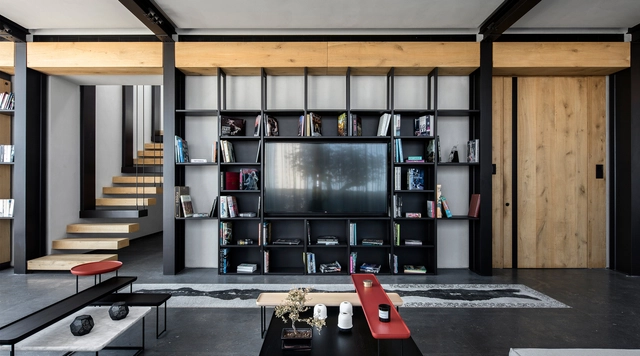
There are a series of multiple factors to take into account when deciding where to place a TV, including —but not limited to— the dimensions of both the furniture and the TV, image resolution, height, design, and so on.
In this article, we share some recommendations to achieve the comfort and well-being of the users avoiding possible problems of visual fatigue or unfortunate body postures.
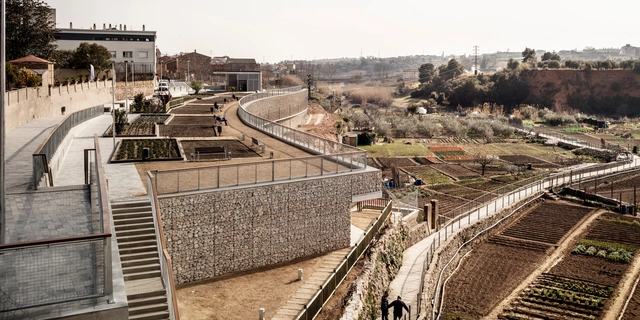
While most cities around the world seek to implement more sustainable and environmentally friendly modes of transportation, encouraging new urban mobility habits in their residents, the use of automobiles still persists, occupying significant parking spaces in urban centers. Finding a way to integrate these uses, provide new spaces for their citizens, and leverage their facilities for ecological, productive, and other purposes is the challenge faced by many professionals in architecture and urban planning.
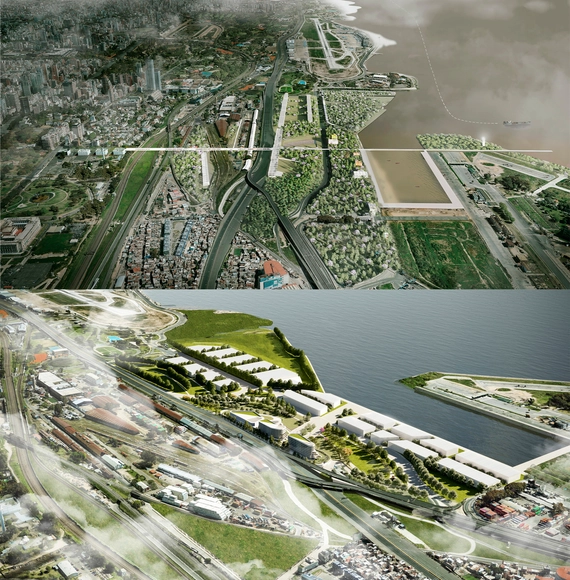
Shared First Prize. 1. Author: MONOBLOCK. 2. Authors: Juan M. Urgell, Enrique Lynch, Gustavo Vago, Juan P. Rodriguez. Image
Organized by the Central Society of Architects, the call for entries has been launched for the National Ideas Competition for the Saldías District, in collaboration with the Secretariat of Urban Development of the Government of the City of Buenos Aires and sponsored by the Argentine Federation of Architect Organizations (FADEA). Promoted by Autopistas Urbanas S.A., the competition aims to secure urban design proposals to transform and renew the site located in the decommissioned section of the Illia Highway, along with its immediate urban surroundings.
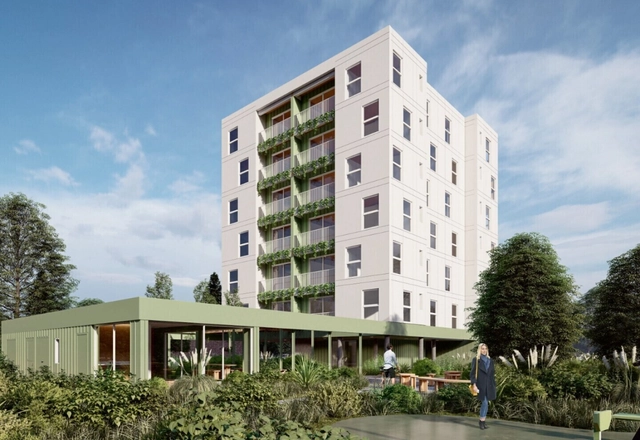
To promote the use of wood in the construction of mid-rise social housing, the winners of the international competition "Wood: Innovation for Social Housing" have been announced. Organized by the Ministry of Housing and Spatial Planning (MVOT) and the National Housing Agency (ANV) in Uruguay, with support from the Inter-American Development Bank (IDB) and the participation of the Municipality of Durazno. Much like previous wood competitions, such as the one focusing on single-family housing typologies, the goal is to promote the development and implementation of innovative timber construction systems. This approach improves climate comfort and energy performance while reducing environmental and economic construction costs.
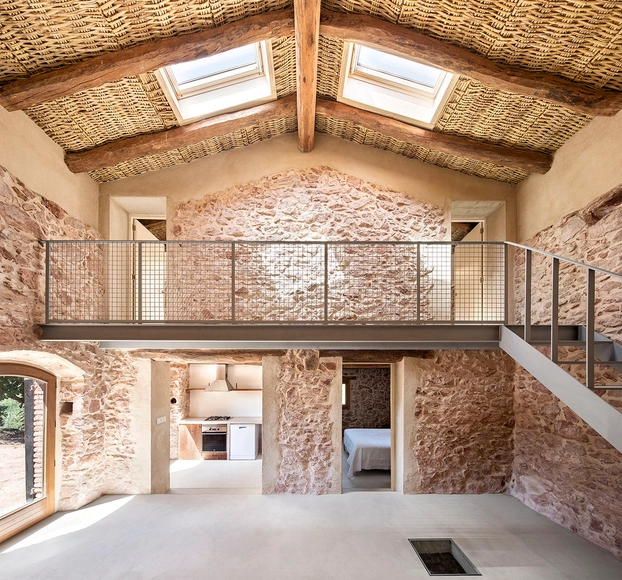
What does architectural restoration, transformation, or renovation entail? What factors are involved in their processes? When delving into the interiors of Spanish homes, we set out to discover the various methodologies, tools, and technical and construction strategies that are often employed, with stone as the main protagonist.
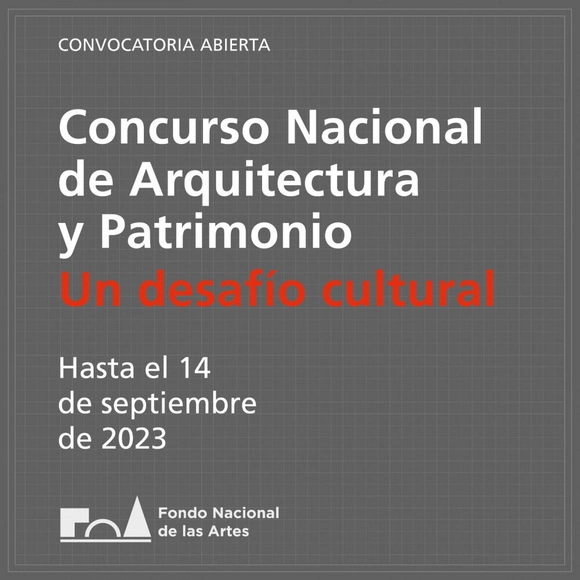
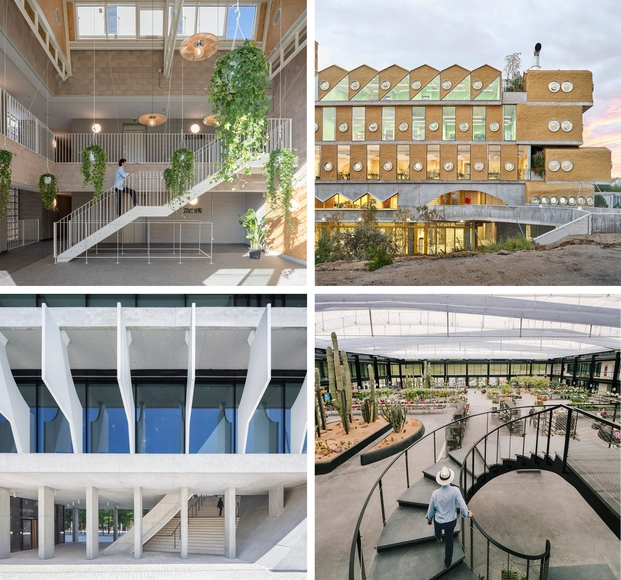
The National Fund for the Arts (FNA) has launched the call for entries for the 2023 National Architecture and Heritage Competition. The initiative focuses on the revitalization of disused industrial or service structures that can be repurposed today, serving as a testament to the past through new uses and functions.
The international architecture and city festival Open House will take place in Madrid from September 21 to 24, 2023, inviting residents to visit and explore some of the capital's most iconic buildings. Extending beyond Madrid to open several spaces in San Lorenzo de El Escorial, this ninth edition will open the doors of over 120 buildings and studios, while also offering 13 outdoor routes and itineraries to discover Madrid's architecture.
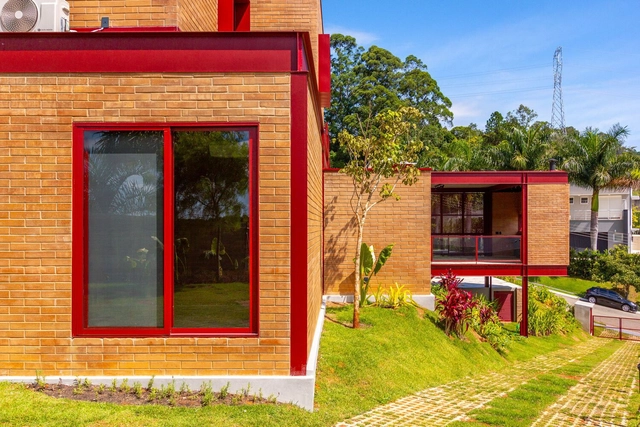
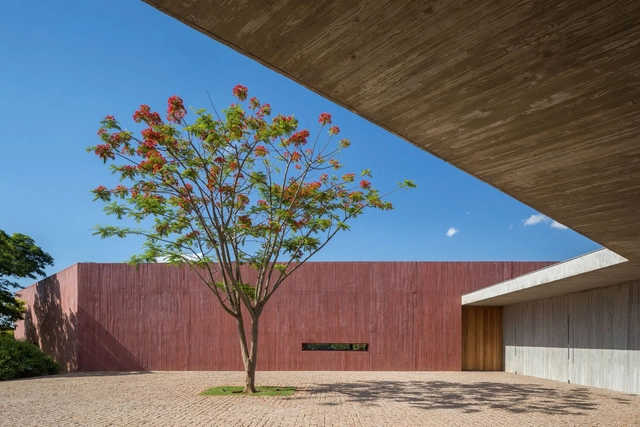
Although the use of color can be employed to hide or disguise a specific characteristic, it can also be used to highlight them. Within the Latin American territory, we can observe that shades of red, green, and blue have predominated in residential architecture, aiming to integrate a language appropriate to the context in which it is implemented.
The use of pigmented concrete in Latin American architecture is growing - and influencing contemporary architectural expression. This can be seen in recent built works ranging from the INES Innovation Center designed by Pezo von Ellrichshausen in Chile to the Teotitlán del Valle Community Cultural Center by PRODUCTORA in Mexico.
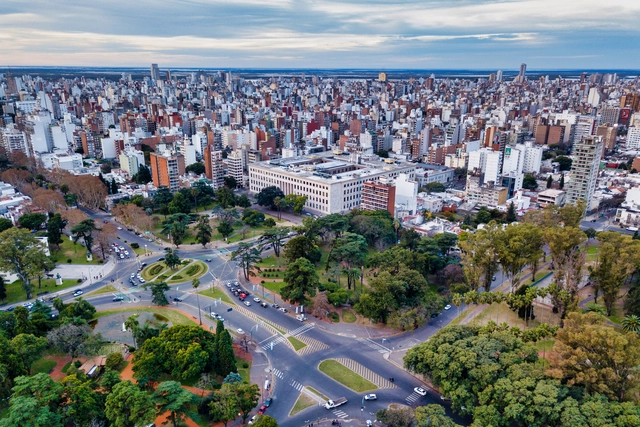
Aerial view of Independencia Park and the city skyline in Rosario, Santa Fe, Argentina. Image by buteo. Image via Shutterstock
Aiming to build a more sustainable, inclusive, and resilient future, the U.S. Department of State, ICLEI-Local Governments for Sustainability, Resilient Cities Catalyst, and the Institute of the Americas recently announced the list of Latin American, Caribbean, and U.S. cities that will participate in the “Cities Forward” program. The city of Rosario, Argentina, was selected to work in connection with Chattanooga, Tennessee, in the United States.