Concrete, a material commonly used in the construction industry, is made of a binder combined with aggregates (or gravels), water, and certain additives. Its origins reach back as far as Ancient Egypt, when the construction of large structures created the need for a new kind of material: one which was liquid, featured properties of natural stones, could be molded, and communicated a sense of nobility and grandeur.
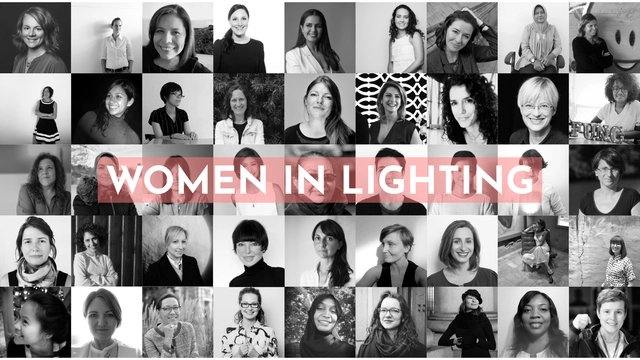
Light Collective, founders of the project "Women in Lighting", conclude that although female designers seem to make up possibly half of the lighting design profession, their profile appears much lower than men when looking at judges in awards and speakers at major conferences. Sharon Stammers and Martin Lupton started a project with interviews of female lighting designers and contacted conference organizers to enhance their visibility.
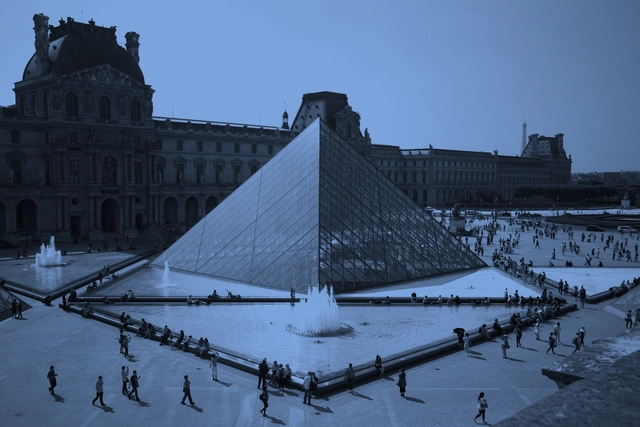
The World's Greatest Places of 2019 list by Time magazine celebrates 100 destinations in the world to visit, stay, eat and drink. Selected by the global team of editors of the publication, the places have been evaluated based on quality, originality, innovation, sustainability and social impact.
We have shortened this list and selected the architectural projects that have previously appeared on ArchDaily. Read on for more details.
Over the past 20 years, the role of representation and rendering has shifted dramatically across the architecture, engineering, and construction (AEC) industries. New rendering technologies, techniques, and software, such as Lumion, have driven this evolution. By integrating 3D rendering tools, architects and designers can leverage intuitive, versatile visualization technologies to enhance creativity rather than stifle it.
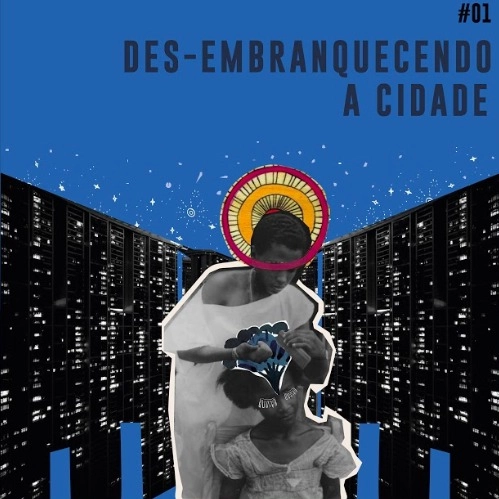
The “De-whitening the City” Podcast is a space invented from the desire of five Black women residing in Salvador, São Paulo, Rio de Janeiro, and Belo Horizonte to circumvent geographic distance in order to foster and celebrate connection. Emmily Leandro, Gabriela Gaia, Luciana Mayrink, Malu de Barros, and Natalia Alves make up the Terra Preta collective, giving shape and voice to this exercise in creating a shared virtual territory—both a political and aesthetic commitment—now made public for the first time.
https://www.archdaily.com/1122076/de-whitening-the-cityTerra Preta Cidade
What happens when the sensor-imbued city acquires the ability to see – almost as if it had eyes? Ahead of the 2019 Shenzhen Biennale of Urbanism\Architecture (UABB), titled "Urban Interactions," ArchDaily is working with the curators of the "Eyes of the City" section at the Biennial to stimulate a discussion on how new technologies – and Artificial Intelligence in particular – might impact architecture and urban life. Hereyou can read the “Eyes of the City” curatorial statement by Carlo Ratti, the Politecnico di Torino and SCUT.
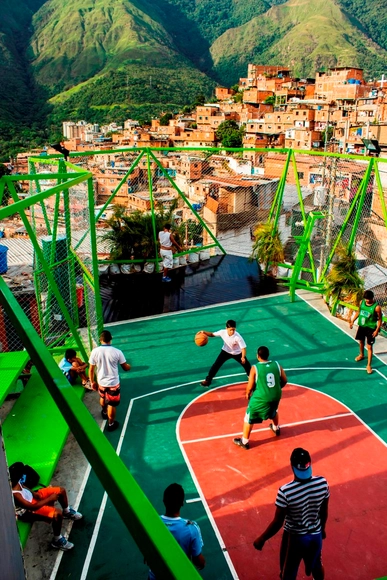
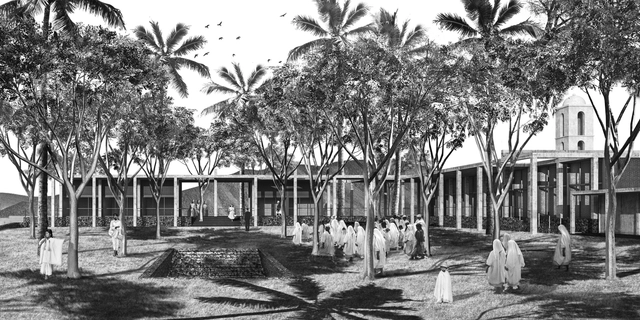
Espacios de Paz / PICO Estudio & Movimiento Por la Paz y la Vida. . Image Cortesía de ASF International Awards
The series of articles developed by Nikos A. Salingaros, David Brain, Andrés M. Duany, Michael W. Mehaffy and Ernesto Philibert-Petit researches the peculiarities of social housing in Latin America.
This time, the proposal focuses on how human health and well-being depend on the geometry of the environment. Check the previously published pieces and the new article, below.
https://www.archdaily.com/922149/socially-organized-housing-biophilia-connectivity-and-spiritualityNikos A. Salingaros, David Brain, Andrés M. Duany, Michael W. Mehaffy & Ernesto Philibert-Petit
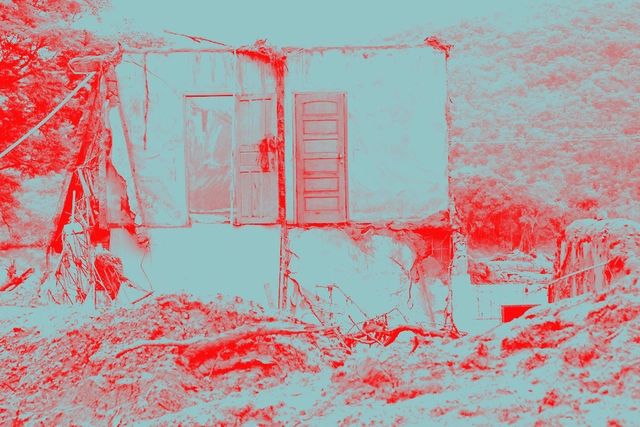
Economic and urban processes are known to drive major modifications in the urban structure. In light of the events of January 25, 2019, with the collapse of the Brumadinho dam, it is clear that environmental negligence by major mining corporations also has the power to produce profound consequences and alter the ways in which people inhabit and utilize the territory.
https://www.archdaily.com/1122572/the-importance-of-the-urban-planner-in-territorial-intervention-the-case-of-marianaAryane Diaz e Sérgio Lessa
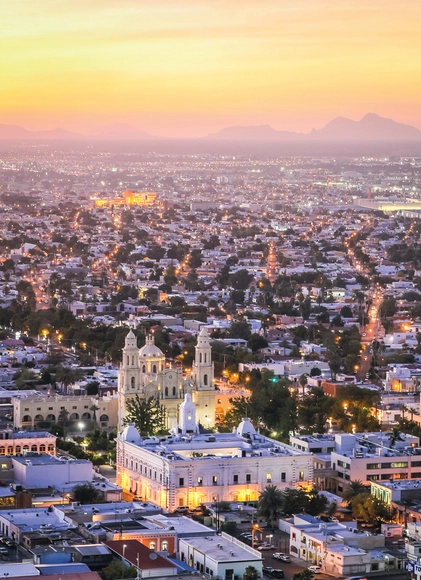
Courtesy of Felipe Vera, Diego Arcia & Andreina Seijas. ImageHermosillo, Mexico
Few may have heard of Hermosillo, a Mexican city of 850,000 inhabitants located in the middle of the desert, just 280 kilometers south of the United States border. It is a city of great strengths, but also immense challenges. In an increasingly urbanized world, cities have become platforms for innovation and change, particularly in developing countries. While megacities like Bogotá, Lima, and Mexico City struggle to distribute goods and services to their sprawling populations, intermediate cities like Hermosillo have the potential to offer a more sustainable alternative.
https://www.archdaily.com/1120492/hermosillo-the-mexican-city-that-became-a-testing-ground-for-urban-experimentation-in-the-desertFelipe Vera, Diego Arcia & Andreina Seijas
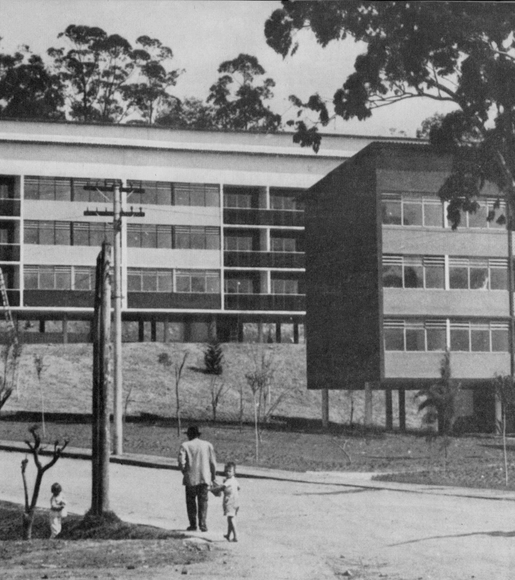
Acervo do grupo de pesquisa Pioneiros da Habitação Social. Image Cortesia de PC3 - Pensamento Crítico e Cidade Contemporânea
After studying civil engineering at the Escola de Minas de Ouro Preto, Carlos Frederico Ferreira returned to his native city of Rio de Janeiro and enrolled in the Escola Nacional de Belas Artes, graduating in architecture in 1935. In 1939, he was hired by the IAPI as an engineer-architect and soon rose to the position of head of the institute's Engineering Department. By 1943, having overseen the partial completion of the first major housing development, the Conjunto Residencial Operário in Realengo, he was able to begin expanding the model to other locations. The designs for Vila Guiomar in Santo André and Piratininga in Osasco, as well as the apartment building and IAPI Regional Office headquarters in Recife—all designed by him—demonstrate how, through his position, he sought to shape the direction of the institute's future developments.
https://www.archdaily.com/1121836/collective-housing-notebooks-vila-guiomar-housing-complexPC3 - Pensamento Crítico e Cidade Contemporânea
In the fall of 2017, a 7.1-magnitude earthquake struck at least nine states in Mexico, leaving several areas severely affected across Mexico City, Puebla, Morelos, Oaxaca, Veracruz, Tlaxcala, Guerrero, and the State of Mexico. Jojutla, a municipality located in Morelos, was one of many reduced to ruins after the earthquake shook Mexico on September 19, leaving much of its infrastructure damaged. Consequently, through an initiative by Infonavit, a master plan was launched to reconstruct the municipality's primary public buildings.
Discussions surrounding women's access to higher education and the labor market in general are of central importance when considering ways to establish more equitable living conditions and active roles in contemporary society. Although grounded in censuses and surveys linked to the formal labor market, this reflection provides a general baseline of women's current conditions in the face of difficulties stemming from the lingering legacy of a patriarchal and moralistic structure of professional hierarchies, where the leading figures are, and historically have been, men.
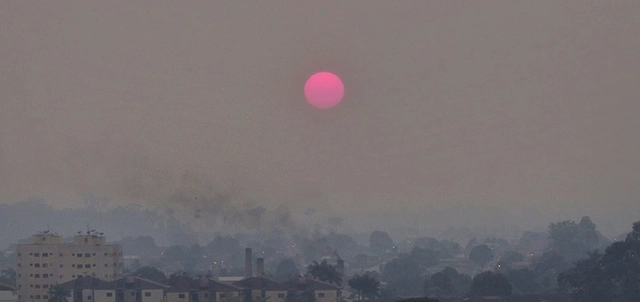
Smoke in Porto Velho, Rondônia, at dawn. Photo: Renata Silva/Personal Archive
Since the beginning of the month, thousands of fire outbreaks have been recorded in Brazil's northern states, spreading through Acre, Rondônia, Mato Grosso, and Mato Grosso do Sul, and reaching the triple border of Brazil, Bolivia, and Paraguay. According to the National Institute for Space Research (INPE), the country is experiencing its worst wave of wildfires in five years.
Architecture school. You’ve heard the myths - the legends of all-nighters and innovation, of unmatched workaholism and love for the profession. Perhaps you know what you want – to solve the great urbanization problem, to create the next sustainable wonder-gadget, or maybe just to start your own firm and show the architectural world how it’s done. Maybe you have no idea what you want to do, drawn to architecture by the romance, the larger-than-life scale. Maybe you’re an artist who wants a job when they graduate. A hometown hero, you’re about to be thrown into a classroom of the best, possibly for the first time in your life. You’ll be surrounded by the brightest in engineering, problem solving, writing, drawing and a host of other skills. Anxious and excited, you stand ready at the doors of architectural education, hungry for innovation and ready to share and learn from others. Stepping inside that first day, you prepare yourself for the best - and most difficult times of your life so far.
To prepare you for the strange beast that is architecture school, shed light on what is fact and fiction, and give you some peace of mind, we at ArchDaily have prepared a list of advice for all incoming architecture students. There is no other education in the world quite like an architectural one, and we hope that this list can help prepare you for its unique wonders and challenges. The advice below is meant to ease the transition into school as much as possible – but be warned, nothing can compare to experiencing the real deal. Read them all after the break.
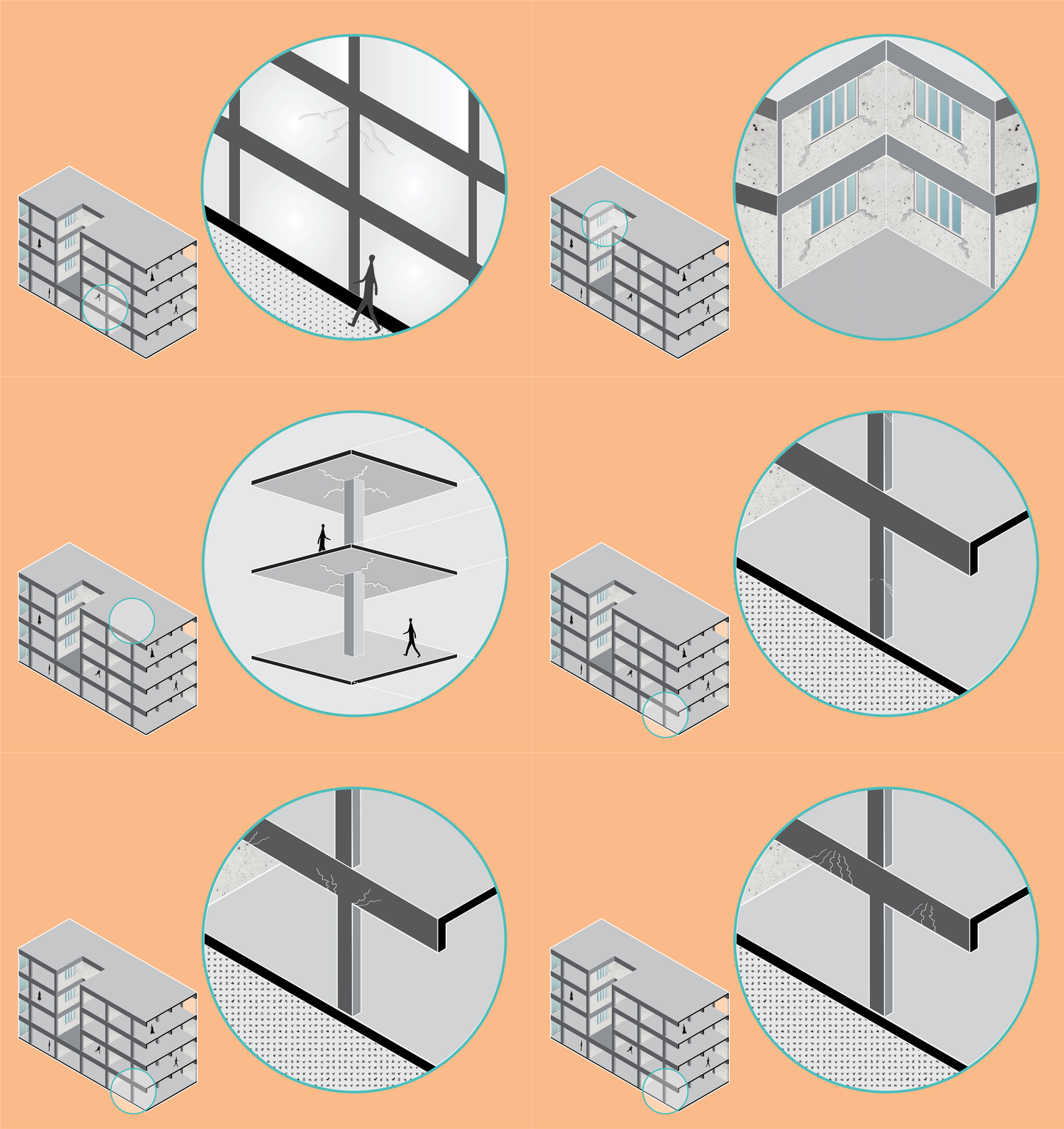
Cracks, which could be classified according to their thickness as fissures or fractures, are serious problems in the construction industry that can negatively affect aesthetics, durability and, most importantly, the structural characteristics of a project. They can happen anywhere, but occur especially in walls, beams, columns, and slabs, and usually, are caused by strains not considered in the design.
https://www.archdaily.com/879953/what-do-the-cracks-in-concrete-structures-meanJoão Carlos Souza
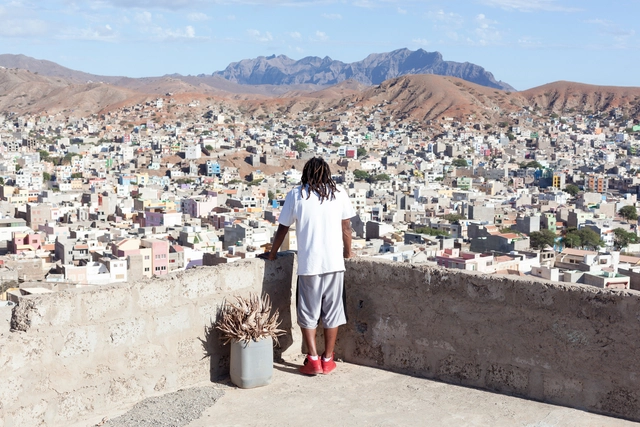
OUTROS BAIRROS, an initiative integrated into the PRRA – Rehabilitation, Requalification, and Accessibility Program and carried out in the city of Mindelo, Cape Verde, aimed to develop a methodological test for the rehabilitation of an informal settlement.
In a study recently published by AIA, less than 13% of architectural firms have incorporated building performance as part of their practice. With buildings contributing 40% of total carbon emissions leading to climate change, just 25 projects are roughly equivalent to planting 1 million trees each year. In addition to that, teams that are able to showcase data-driven and performance-driven decision-making and feature an energy analysis in every pursuit are able to increase fees and generate more revenue. Although integrating building performance sounds like a no-brainer, it proves to be difficult at many firms, because in addition to the practical changes, it requires a culture shift. That culture shift can only happen if the tools are easy to use, accurate, and mesh well with current workflows. Right now is the perfect time to tackle these culture changes due to a few reasons:
In this installment, Nikos A. Salingaros, David Brain, Andrés M. Duany, Michael W. Mehaffy, and Ernesto Philibert-Petit present a new article in their series on the study of social housing in Latin America. Here, they share recommendations on how to work with future residents, based on extensive experience in practical projects. Read the previous posts and the new article below.
https://www.archdaily.com/1120884/tools-for-efficient-social-housing-design-in-latin-americaNikos A. Salingaros, David Brain, Andrés M. Duany, Michael W. Mehaffy & Ernesto Philibert-Petit
A good architecture project must be accessible to all, regardless of their physical or cognitive abilities. To raise awareness about these issues, and help you in the design process, we have compiled some basic actions that must be carried out for people to inhabit residential spaces comfortably and without obstacles.
It's important to remember that each country has its own regulations in relation to accessibility, so the specific dimensions presented below – based on the 'Universal Accessibility Guide' by Ciudad Accesible– are conceptual and may vary for each project. Before designing an accessible home, review local guidelines and adhere to, if not exceed, listed needs and requirements, thus ensuring a good quality of life for users in the long term.
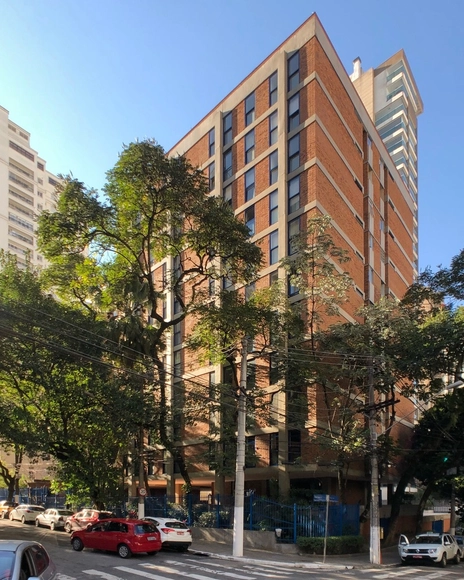
The real estate market and construction industry in São Paulo, which had been booming since the mid-1960s thanks to the creation of the National Housing Bank, allowed for broad architectural experimentation, such as a novel program: vertical multifamily housing. Nevertheless, as early as the 1950s, Revista Pilotis was already calling for architects to take a stance on the issues generated by this new program:
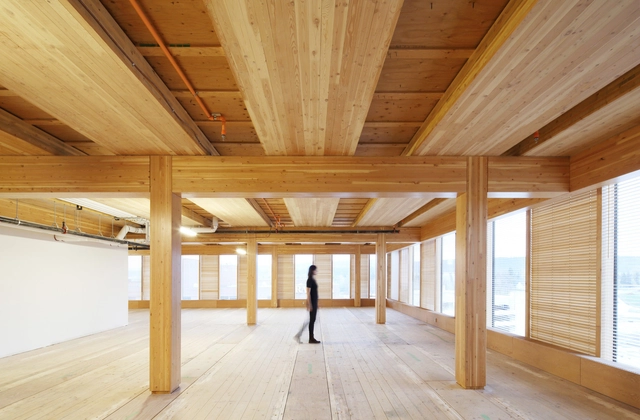
Wood Innovation Design Centre / Michael Green Architecture. Image
Concrete, an essential building material, has for decades offered us the possibility of shaping our cities quickly and effectively, allowing them to rapidly expand into urban peripheries and reach heights previously unimagined by mankind. Today, new timber technologies are beginning to deliver similar opportunities – and even superior ones – through materials like Cross-Laminated Timber (CLT).
To better understand the properties and benefits of CLT, we talked with Jorge Calderón, Industrial Designer and CRULAMM Manager. He discusses some of the promising opportunities that CLT could provide architecture in the future.
Photography is still one of the most widely used means of representation and communication in architecture. Although it does not incorporate the temporal dimension, the level of fidelity with which photography represents the other three dimensions of the built world makes it one of architect's favorite tools to convey their buildings.
To celebrate World Photography Day, we've gathered 15 photographers from around the world who are worth knowing - and following on Instagram.
Project Background As a strategic pivot of the national "Belt and Road" Initiative and the core engine for innovative cooperation in the Guangdong-Hong Kong-Macao Greater Bay Area, Qianhai is set to become a futuristic, world-class bay area city center. On January 17, 2019, the Qianhai Authority officially launched the global call for proposals for the "Qianhai Public Space Design" project, attracting applications from 42 consortia representing over a hundred leading design firms worldwide.
The primary objective of the "Qianhai Public Space Design" project is to establish a unique bay area city center. Grounded in human-centric design, the project aims to enhance public well-being and the region's overall appeal through the creation of a beautiful, inviting network of public spaces.
https://www.archdaily.com/1070540/qianhai-public-space-design-bid-selection-results-announcedMilly Mo
According to Flávio Kiefer, museums are as old as human history itself. They have existed ever since humans began collecting and storing valuable objects in rooms built specifically for that purpose. Today, museums are more than environments that organize history: their programs are diverse and complex, their spaces flexible, and innovations are constant in the conservation, exhibition, and lighting of artworks. This week's Arquicast spoke with architect and specialist Carlos Eduardo Ribeiro about museum architecture and the entire debate surrounding this prestigious architectural program.






.jpg?1566476218&format=webp&width=640&height=580)
.jpg?1440422234&format=webp&width=640&height=580)


.jpg?1440422234)