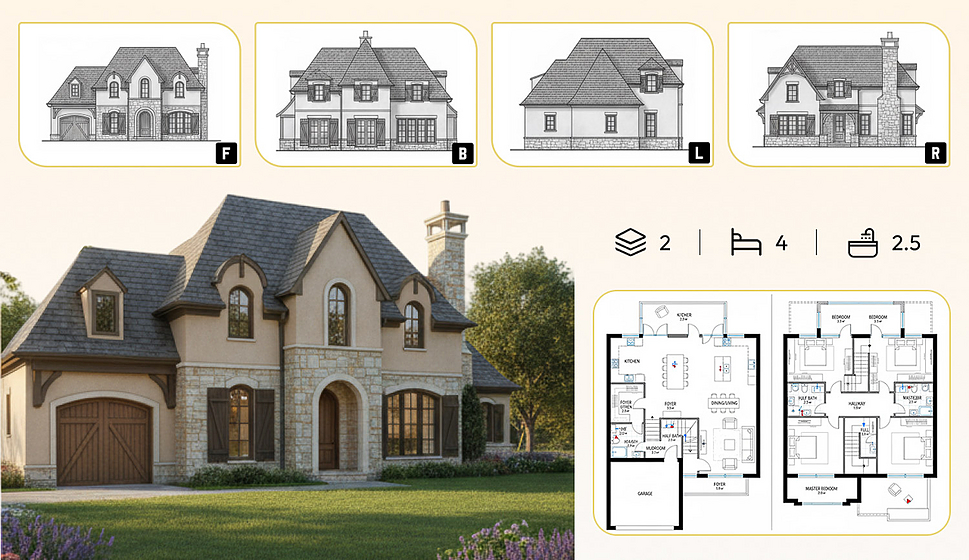
This guide covers a workflow that moves from project parameters to generated floor plans, 3D perspective views, exterior design exploration, and site context visualization, using AI tools in place of preliminary CAD and rendering work.
This guide covers a workflow that moves from project parameters to generated floor plans, 3D perspective views, exterior design exploration, and site context visualization, using AI tools in place of preliminary CAD and rendering work.
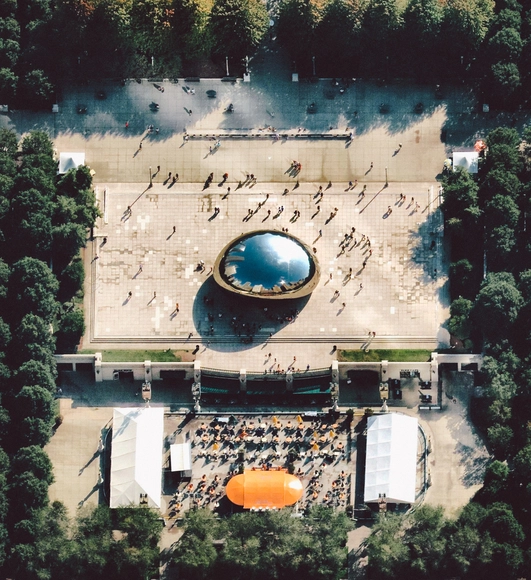
As the COVID-19 global pandemic has unfolded over the last several months, stories of people cooped up in crowded cities and concerned about their future have anecdotally popped up across the internet. When the virus first arrived, it was common for people to escape to their beach-side homes, or to return to their parent’s house for more space and a sprawling yard.
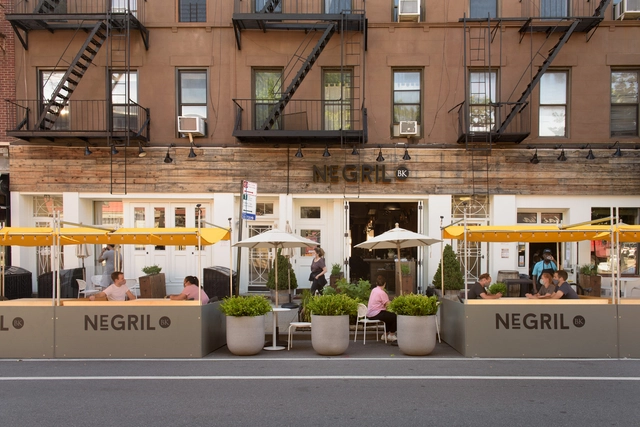
Outdoor dining has proven to be something of a lifeline for restaurants not only in New York but around the country, as indoor dining remains far out of reach at this point in the novel coronavirus crisis. Faced with restrictive mandates, however, architects, planners, and restaurateurs across the U.S. have been forced to come up with creative ways to keep patrons uninfected while assembling aesthetically pleasing outdoor dining areas.

ArchDaily has created a list of best articles, news and projects that address everything you need to know about concrete.
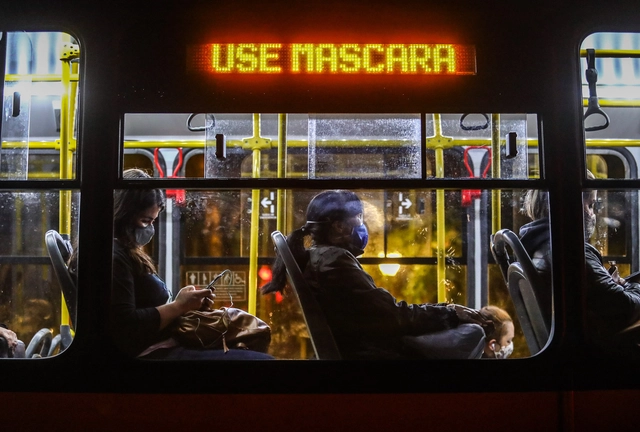
The public transit system in large Brazilian cities was already in crisis long before the coronavirus pandemic. Transit operators have seen passenger demand steadily decline over recent decades, driven by a combination of factors: urban policies that incentivize private vehicle use; urban sprawl, which dilutes economies of scale when serving peripheral areas; rising congestion; transit routes increasingly disconnected from actual urban mobility patterns; a growing need for transfers along passenger routes; deteriorating fleets and service quality; rising incomes leading to alternative choices like private cars, motorcycles, and ride-hailing services; and, above all, steadily rising fares.

Architectural Education is still largely living in the mid-20th century, where the studio model is both wonderful, limited and alive and well. Students are offered two stark pedagogies: either getting a fine arts education or applying a glorified trade school regimen towards being a technocrat. Artificial Intelligence (AI) might just eliminate architecture as a career for those who are not versed in the things that only humans can do: synthesize, channel, invent, craft. Beyond imitation. By its new nature, architecture could be becoming inhuman.
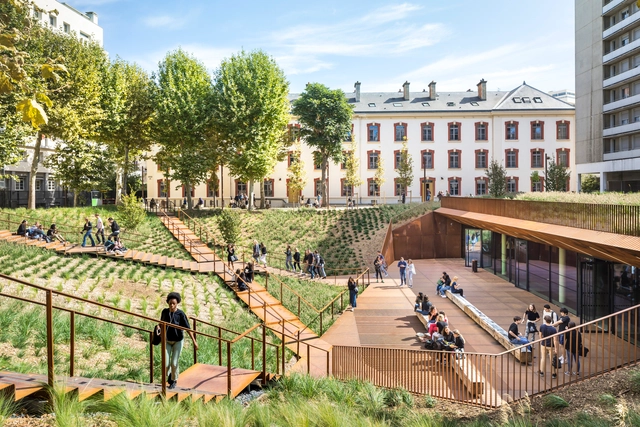
Universities are environments defined by the intrinsic relationship between teaching, research, and outreach. As multidisciplinary institutions responsible for cultivating and disseminating knowledge, the various facilities that make up a university not only translate (directly or indirectly) the principles of education, research, and outreach into physical space, but also serve as the stage for the multifaceted dynamics and activities that shape campus life.
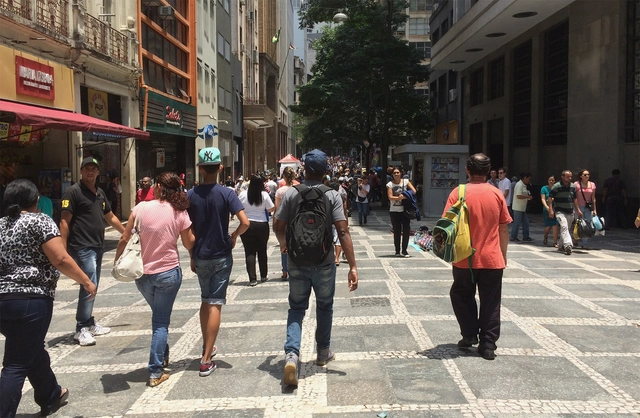
Today, August 8, marks World Pedestrian Day. The date is famous for the iconic photo of the Beatles crossing Abbey Road in 1969. It is now 2020—more than fifty years later—and we still face immense challenges as pedestrians in our cities. How many times have you faced the hazard of crossing the street? Or had to navigate narrow, poorly lit sidewalks?

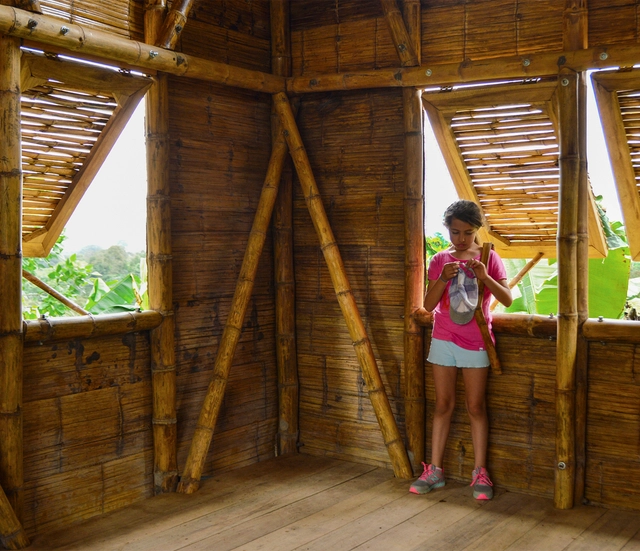
The series of articles developed by Nikos A. Salingaros, David Brain, Andrés M. Duany, Michael W. Mehaffy and Ernesto Philibert-Petit researches the peculiarities of social housing in Latin America. This time the authors explain a construction strategy through iterative design and the emergence of form.
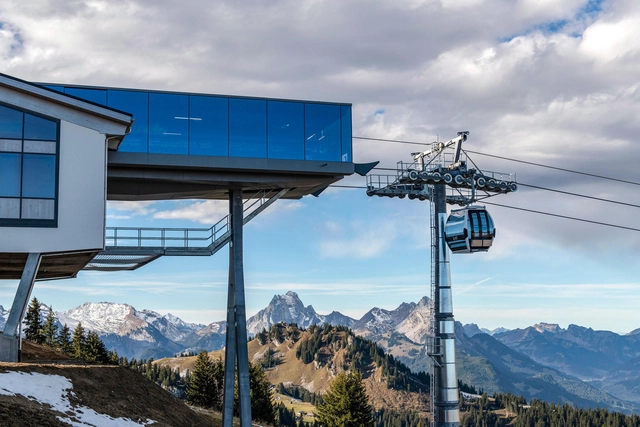
The new Saanersloch gondola lift in Gstaad is a static masterpiece – and with its specially designed and unique all-glass facade by Glas Marte, it has also reached the top of the world.

In 2014, a group of friends from Ciudad Juárez, Chihuahua, driven to contribute to their city's resilience and recovery, came together to dialogue and share ideas for reclaiming streets, plazas, and parks through sociocultural projects and urban interventions in public space. This gave rise to Nómada Laboratorio Urbano. Ciudad Juárez is an industrial city located on the northern border with the United States, directly adjacent to El Paso, Texas. Over the years, Juárez's economy has been dominated by the maquiladora industry; the city was also once considered one of the most violent in the world due to a wave of crime between 2008 and 2012.
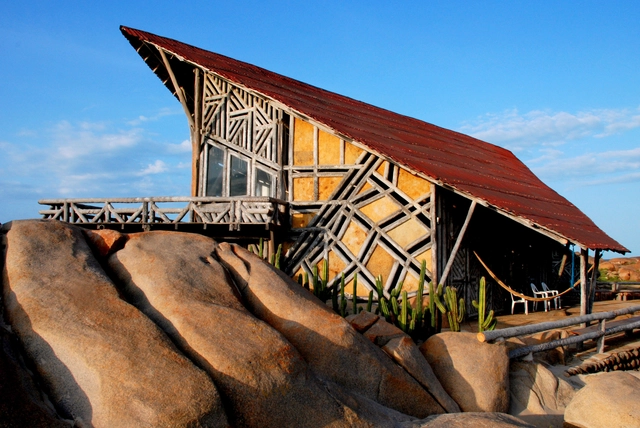
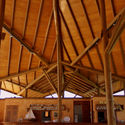
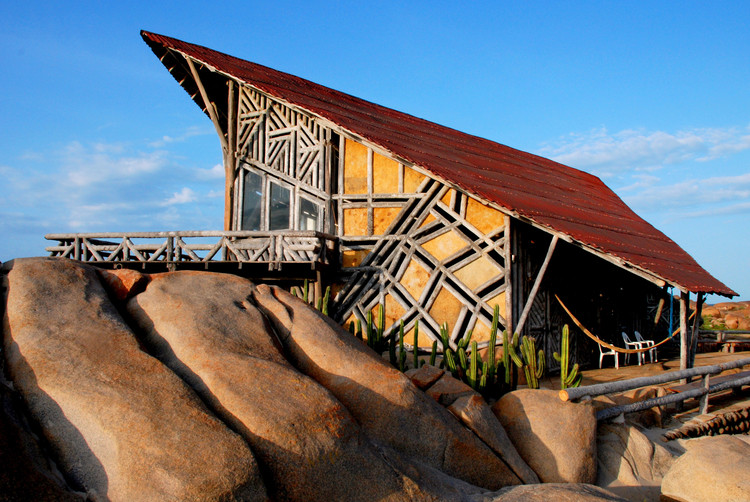
Gerson Castelo Branco is a self-taught architect from the state of Piauí in Brazil. His architecture is a collection of references and experiences that he describes as "an expression of freedom," the Paraqueira.
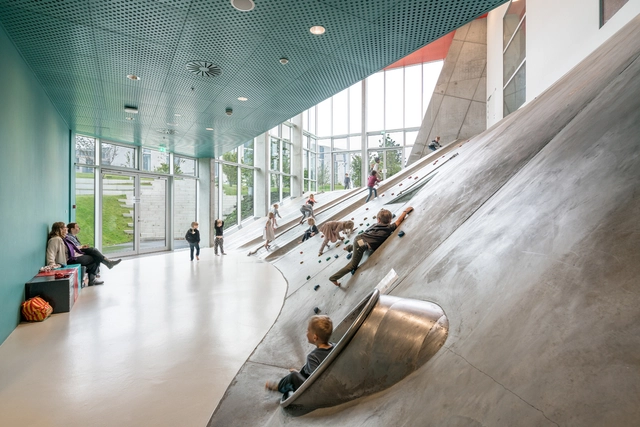
Denise Scott Brown once said: “Architecture can’t force people to connect; it can only plan the crossing points, remove barriers, and make the meeting places useful and attractive.” Although it cannot control the outcome, architecture holds the potential to set the stage for chance encounters and social interactions, thus nurturing community building and influencing the fabric of our social culture. The following explores how architecture can improve the social capital of its surroundings through design strategies and thoughtful programming, creating the fertile ground for social interaction among different groups of people.
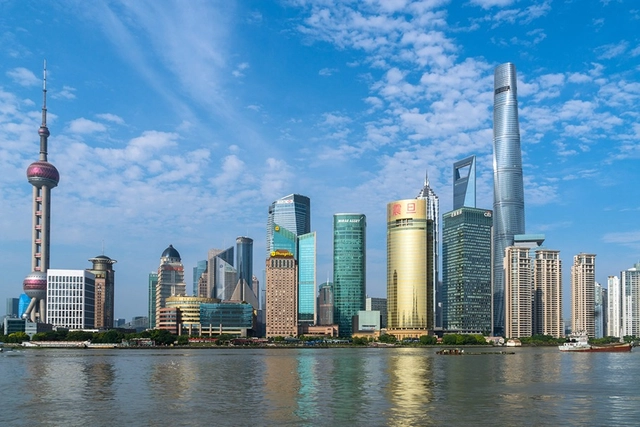
In 2013, the film *Her*, in which the protagonist falls in love with an operating system, sought to depict a not-so-distant future of a relatively dystopian reality. Although the city depicted was likely a futuristic Los Angeles, the filming actually took place in Shanghai. After visiting the city, I believe this was a wise decision, given the pervasive atmosphere that constantly evokes this very theme. I remember standing on a massive circular pedestrian overpass above the Mingzhu roundabout, which connects major avenues in the heart of Pudong, Shanghai's current financial district. Ahead of me, I saw the bizarre Oriental Pearl Tower, a 467-meter-tall TV tower built by a Chinese state-owned enterprise in 1994. Looking back and up at the Shanghai Tower—the second-tallest building on the planet at an impressive 632 meters—the impact was even greater. This is Shanghai's image to the world, the showcase of a new China, breaking paradigms and reaching for the sky.
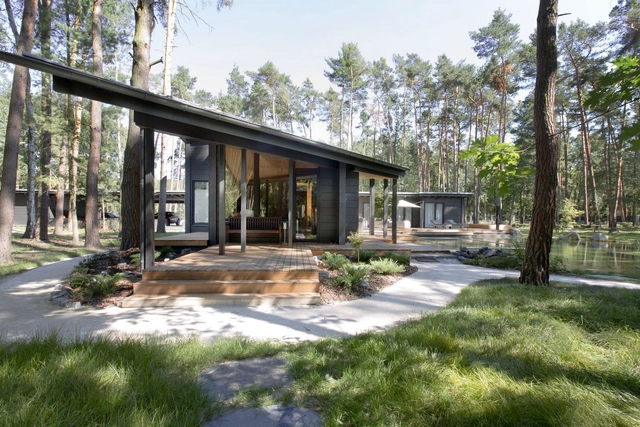
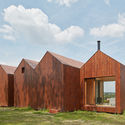
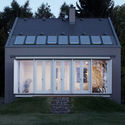
Architecture in the Czech Republic is defined by the country's incredibly diverse landscapes. As one of Europe's cultural hearts, Czechia has a rich history, and was once home to the Kingdom of Bohemia. Today, architects and designers are drawing inspiration from the country's low mountains, foothills and forests as they design a range of secluded residential retreats.
The focus of buildings should ultimately be the well-being of the people using them. When we think of our experiences in hospitals, clinics, the dentist's office, and other medical facilities, the feeling is rarely pleasant. Perhaps it's the smells, the dull, monotone colors, or the sound of medical gadgets working away on some unlucky patient.
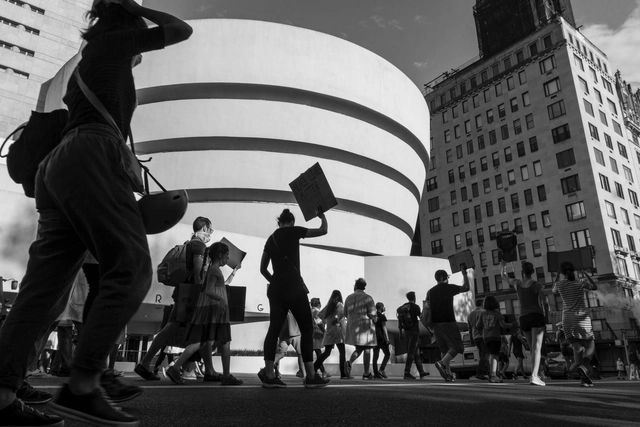
It’s hard to imagine New York City without the packed subway cars, long lines, and overwhelming tourist crowds that felt essential to daily life. Once the fear of the COVID-19 pandemic has waned, the city, like others around the world, will become clouded and fundamentally altered even after economic prosperity has been restored. In what feels like a revolving door discussion, except now perhaps asked with a sense of urgency, what do we want cities to be like in the years to come?
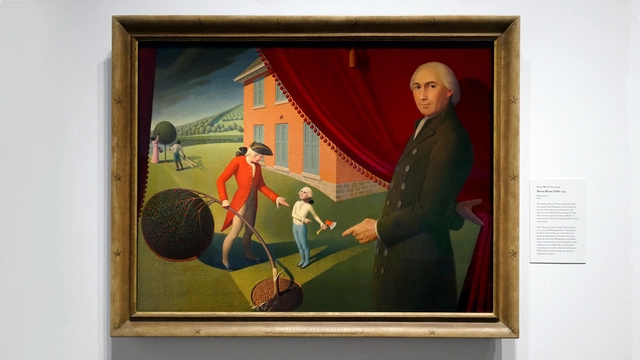
This article was originally published on Common Edge.
Apart from dressing like an undertaker, wearing black-rimmed circular glasses, and driving Swedish cars, modern architects’ most conspicuous trait is their aesthetic honesty, which is dangerous. Sincerity leaves little room for imagination.


Oaxaca is one of Mexico's thirty states, renowned for a rich culture that has shaped a territory celebrating its roots. Located in the country's southeastern region, it borders the Pacific Ocean and is known for its indigenous communities, where Zapotec and Mixtec cultures predominate. In addition, Oaxaca is home to a vibrant public life where streets, pedestrian walkways, and plazas frame a diverse range of political, religious, and popular activities. This has drawn the attention of various projects and research initiatives seeking to highlight this social effervescence.

As levels of pollutant emissions have increased over the years, awareness has also grown regarding actions that can be taken to minimize the damage caused to the planet. As a way to promote waste reduction or prevention, the 3 R's rule is created: reduce, reuse and recycle. These actions, together with sustainable consumption standards, have been promoted as a means to protect natural resources and minimize waste.
.jpg?1596481113&format=webp&width=640&height=580)
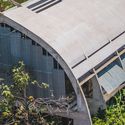
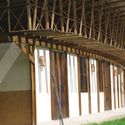
The stigma of rudimentary architecture, combined with the idealization of high-tech technology, relegates Indigenous building knowledge to a prehistoric imaginary. This pattern, which points to a single, unequivocal direction of progress, reveals the so-called coloniality of knowledge—a concept by Peruvian sociologist Aníbal Quijano that exposes the hidden side of modernity: the creation of hierarchies among peoples, keeping Latin America, and particularly its Indigenous populations, in a subaltern position. In other words, we tend to assume that the knowledge representing the future is produced in other lands, namely the Global North.


.jpg?1596481113)
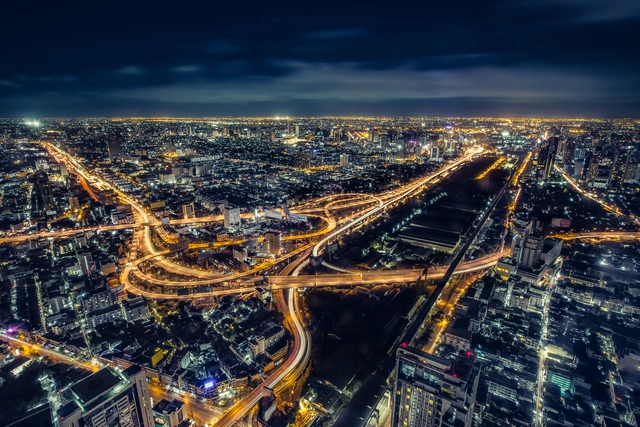
Our cities, vulnerable by nature and design, have generated the biggest challenge that humankind has to face. With the vast majority of the population expected to settle in urban agglomerations, rapid urbanization is going to raise the issue of adaptability with future social, environmental, technological and economic transformations.
In fact, the main problematic of the decade questions how our cities will cope with fast-changing factors. It also looks into the main aspects to consider in order to ensure long-term growth. In this article, we highlight major points that help future-proof our cities and create a livable, inclusive and competitive fabric that adapts to any unexpected future transformation.
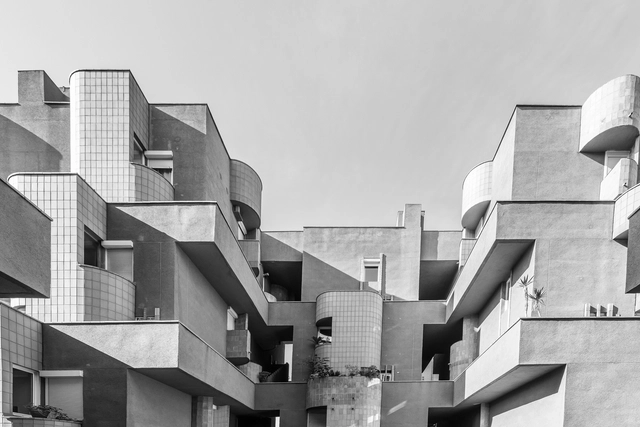
Rodolfo Lagos shared a series of photographs capturing the Brutalist architecture of Barcelona, illustrating how the movement has evolved in this iconic city.
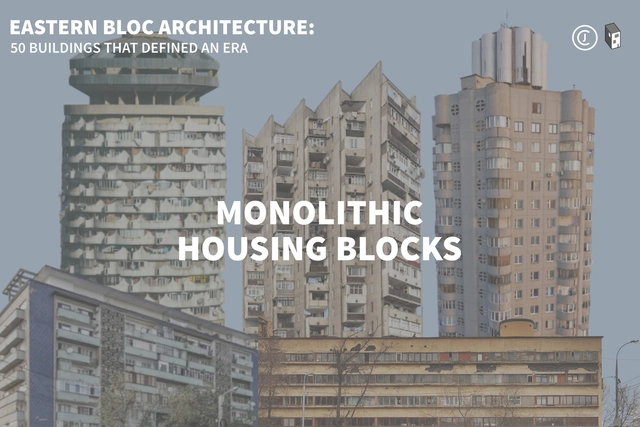
This article is part of "Eastern Bloc Architecture: 50 Buildings that Defined an Era", a collaborative series by The Calvert Journal and ArchDaily highlighting iconic architecture that had shaped the Eastern world. Every week both publications will be releasing a listing rounding up five Eastern Bloc projects of certain typology. Read on for your weekly dose: Monolithic Housing Blocks.

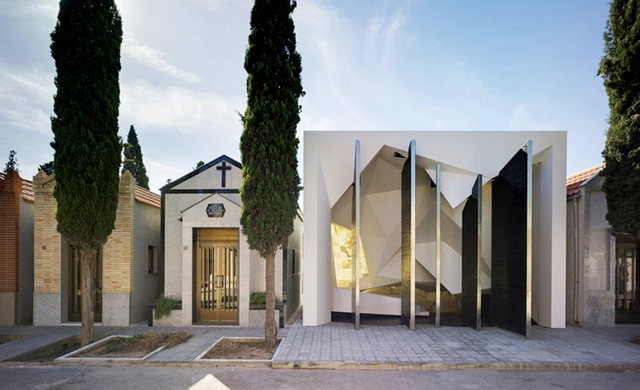
Mortality defines both architecture and human experience. Throughout time, funerary structures have been designed across societies and civilizations to ground personal and shared beliefs. The idea of the afterlife shapes how these buildings are made, from symbolic monuments to vast tombs and crypts. Now a new range of modern architecture has been designed for remembrance and reflection.




_Hedrich_Blessing_015.jpg?1596657514 "Arcus Center for Social Justice Leadership. Image © Steve Hall")