Jacaré Beach, Cabedelo, Paraíba. Image: Cacio Murilo/MTur
Living, working, and experiencing cities with vibrant streets, downtowns, and parks, adequately sized sidewalks, efficient public transit, and low congestion levels are shared aspirations worldwide. Achieving these conditions is no easy task, and cities that offer them certainly did not do so through car-oriented planning.
With populations daily subjected to poor examples of how a city should function, certain paradigms, phenomena, and policies continue to hinder the planning and operation of “cities for people.”
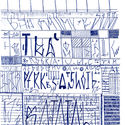
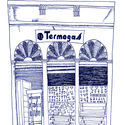
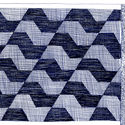
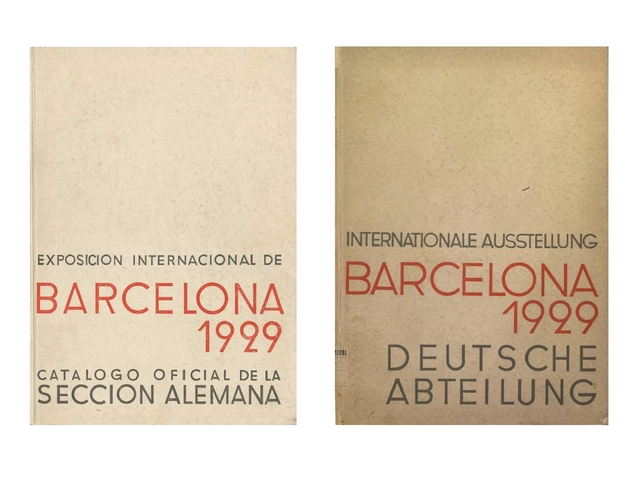
Lilly Reich (Berlin, 1885–1957) was a pioneering and highly talented woman who has finally emerged as an autonomous figure in the history of modern architecture. Recent research has shed new light on Reich's contributions during the interwar period in the fields of interior architecture, exhibition design, and furniture design, driven by her use of new materials and technologies.
In the Historic Center of Olinda, a Brazilian municipality in the state of Pernambuco, architecture borrows shapes and colors from nature; cobogós perforations on the balconies look like round leaves and fruits, while the railings spiral with a hint of twisted flowers. The colors of the earth and sky also reappear in the floors, backyards, kitchens, and rooms of colonial houses, coating them in shades of brown and blue.
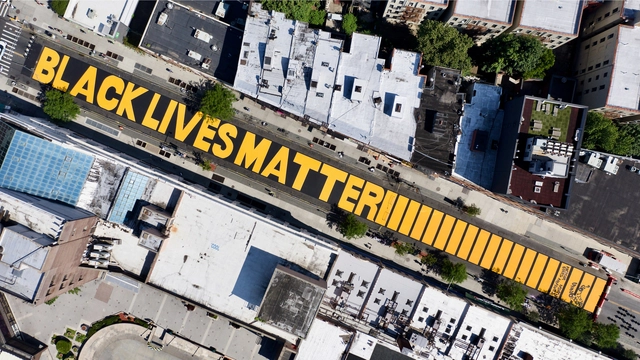
Over two days, approximately 500 online participants together set the agenda, formed and dissolved discussion groups, and shared knowledge and resources. With the assistance of an “open space” facilitator, this is how Cut|Fill, a virtual "unconference” on landscape architecture, unfolded.
Organized by the Urban Studio and Ink Landscape Architects, Cut|Fill was meant to “raise questions we all want to discuss,” explained Andrew Sargeant, ASLA, a founder of Urban Studio. One of those important questions: “how can landscape architects design with empathy and end dismissive behavior towards people of color?”
https://www.archdaily.com/949104/landscape-architects-of-color-on-how-to-combat-erasureJared Green
A city's industrial past can leave unsettling imprints on the present. Large abandoned structures and forgotten facilities are very appealing not only to the voracious real estate market but also to the imagination of those who daydream about an unpromising past. Take the Ruhr valley, Germany's most populated urban area, and Europe's largest industrial region.
Rural Social Housing Plan / Estación Espacial Arquitectos
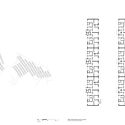
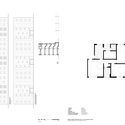
Cultural customs may vary infinitely across countries, but family life always brings celebrations and conflicts, regardless of origin. The pandemic has magnified these dynamics, particularly the challenges of sharing the same spaces for extended periods. What is the minimum square footage allowed in Latin American countries? Is this area truly sufficient?
Various authors such as Michel Foucault, Maurice Merleau-Ponty, and contemporary thinkers Marina Garcés and Judith Butler have brought the body to the forefront of global philosophical discussions. This has gradually permeated different disciplines where the body is the focus of study, and even some where this relationship seems less obvious.
Architectural visualizations are only as good as the scene they’re placed into. No matter how fantastic your building model, if it's placed in an environment constructed of low-quality, low-poly assets, it’s not going to shine. That’s one of the reasons architects and designers have long turned to Quixel Megascans to give context to their archviz scenes.
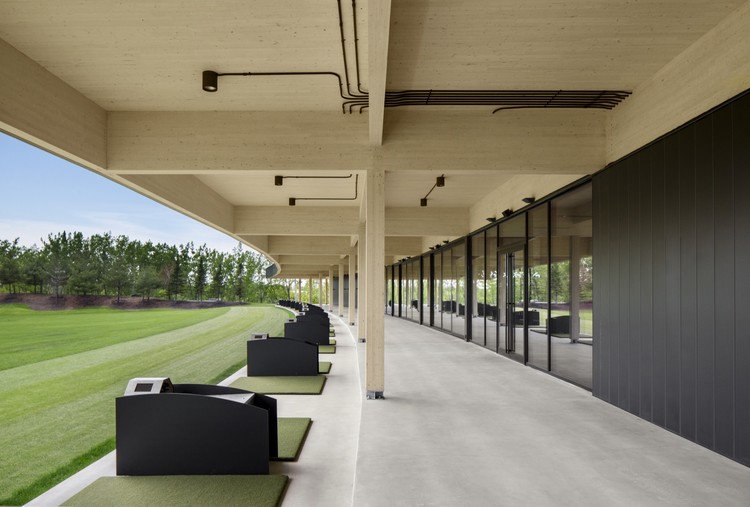
The architecture of golf is directly tied to the landscape. As one of the few sports with no standardized playing area, its clubhouses and structures are usually unique to each course. Prioritizing views and access, golf architecture tends to be exclusive, especially when many courses are not open to the public. Clubhouses make room for players and spectators to gather and socialize while they overlook the course from multiple angles.
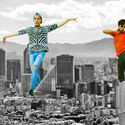
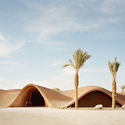
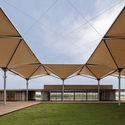
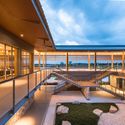
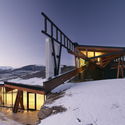
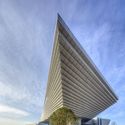
Vladimir Belogolovsky speaks with architects Yingfan Zhang and Xiaojun Bu, co-founders of Atelier Alter, about architecture in motion, their faith in tabula rasa, and the widespread rapid urbanization process in China.
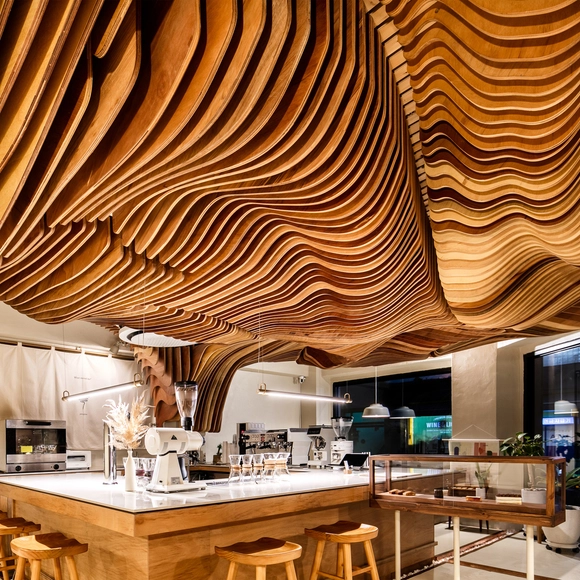
erception Cafe / Haejun Jung - Feelament. Image Courtesy of A' Design Awards
The international A' Design Awardcompetition was "born out of the desire to underline the best designs and well-designed products" of designers, architects, and innovators from all design fields. Entries each year are judged by A' Design Award's jury of hundreds of experts from around the globe including scholars, professionals, and media members. If you are selected as a winner, you'll receive a host of prizes and benefits, in addition to international prestige and recognition. Entries are being accepted now until February 28th, 2021 and a selection of winners will be featured in a post on ArchDaily after they're announced on April 15th, so register your design today for a chance to be included.
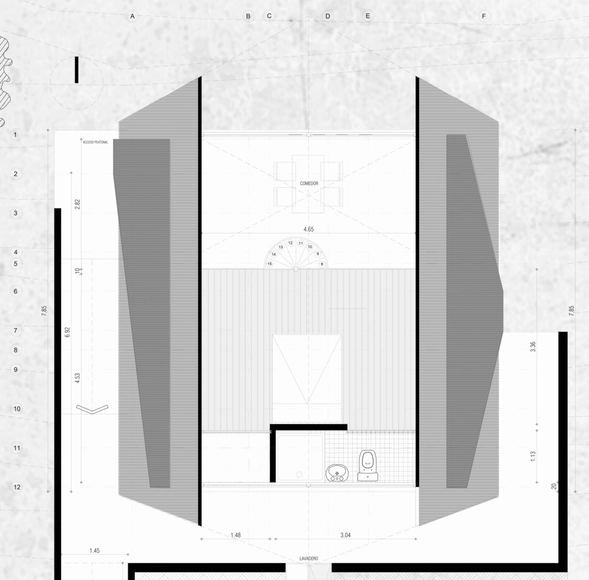
While Buenos Aires' architecture is known for its heterogenous and constantly-changing nature, within the city's low density residential sectors, it's possible to detect forms and patterns that have remained constant under the city's many transformations. One of these is the HP, or Horizontal Property, a legal concept that allows for multiple constructions on one lot, resulting in a handful of low-rise structures congregated together in a high-density layout.
In June 1954, an article published in House & Home magazine read, “The Japanese had some of our best ideas—300 years ago.” The piece highlighted three main attributes of Kyoto’s Katsura Imperial Villa, built in the 1620s: the open post-and-beam plan, the use of verandas for climate control, and its modularity based on tatami mats and shoji screens.
Modern timber construction is nothing short of breathtaking. The wooden arches and unique curves delight even the most creative architects. The scale and perception of a wooden building make it blend in with the decor while still remaining noticeable. The inspiration and the possibility of achieving this type of construction are now trending upward, but who has the knowledge and expertise for these projects? The province of Quebec does, a world leader in mass timber construction.
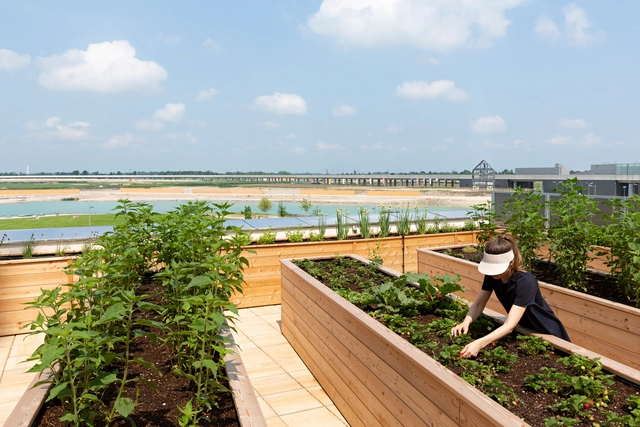
October 16 marks World Food Day. On this same day in 1945, the Food and Agriculture Organization of the United Nations (FAO) was established, and since 1981, the date has been observed to shed light on issues of food access and the promotion of healthy diets for all.
To draw an important parallel between architecture, urban planning, and food-related issues, we have curated a selection of articles demonstrating how architectural and urban design can promote greater food security.
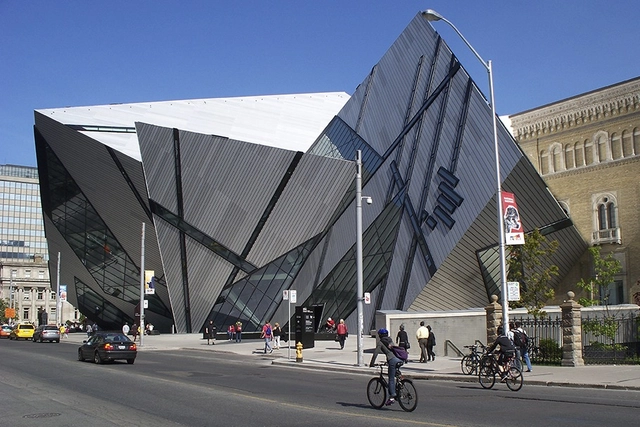
Deconstructivist architecture by Daniel Libeskind. Royal Ontario Museum, Toronto, Canada. Image: Alexandre Kozoubsky/Flickr
Modernism has ceased to exist as a movement in architecture and urbanism since at least the 1980s. In architecture, movements such as Japanese Metabolism and deconstructivism helped to move past the remnants of modern architecture. In urban planning, figures like Jane Jacobs and Christopher Alexander, as early as the 1960s, helped bury the premises of modern urbanism.
https://www.archdaily.com/1121820/after-all-why-do-we-still-talk-about-modernismPaulo Sa Vale
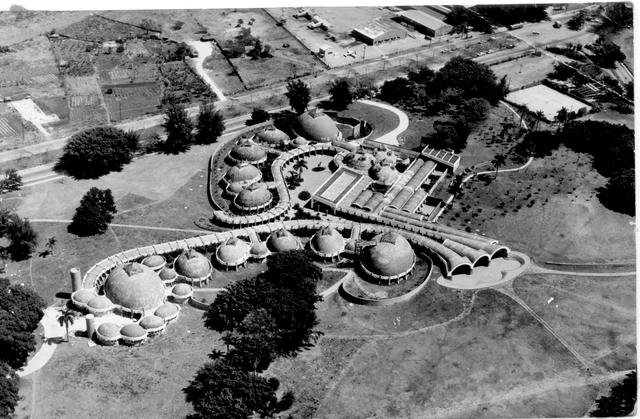
Aerial view. Plastic Arts Schools Ricardo Porro. Havana, 1961-65. Source: Office of the City Historian. Image via Revista rita_
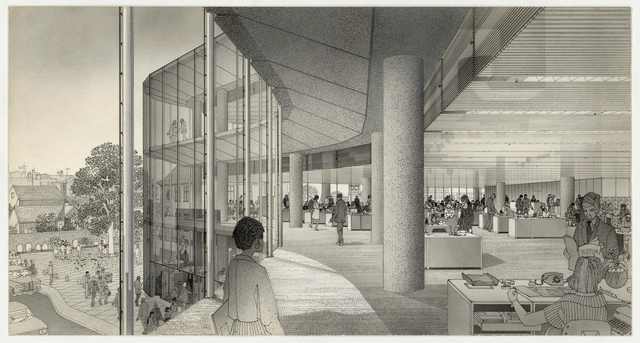
This article by María José Pizarro and Óscar Rueda was originally published in the 3rd issue of rita journal under the title "Ernesto N. Rogers y la 'Preesistenza Ambientale' en las Escuelas Nacionales de Arte de La Habana" and is part of a joint collaborative dissemination effort. The present text seeks to delve into the influence of Rogers' theoretical corpus on three of his outstanding students: Ricardo Porro, Vittorio Garatti, and Roberto Gottardi, and how this thinking informed the design of their first and most significant work: the National Art Schools of Havana.
https://www.archdaily.com/1124203/ernesto-n-rogers-and-the-preesistenza-ambientale-at-the-national-art-schools-of-havanaMaría José Pizarro y Óscar Rueda
Throughout history, drawing has been the essential medium of conveying architectural ideas, operating on multiple levels, from the practical application of serving the construction process to the more artistic quality of expressing a vision and providing an impression of what the architecture will be like. The book Architecture – Drawn, From the Middle Ages to the Present, authored by University of Stuttgart Prof. Dr. Phil. Klaus Jan Philipp, recounts the historical development of architectural drawings, exploring all the different inventions, revolutions and continuities spanning eight centuries of architectural representation.
Cortesia de PC3 - Pensamento Crítico e Cidade Contemporânea
This development, conceived and initiated during the administration of João Goulart, can be considered an example of the transition between the former management of the IAPB [Bank Workers' Retirement and Pension Institute] and the new housing policy that began to be implemented in 1964.
The topic of mobility is inescapable when discussing urban policy—even more so in an election year. Public transit, congestion pricing, subways, dedicated bus lanes, and even what to do with electric scooters dominate the debate. Few, however, pay attention to one of the most critical municipal policies for urban mobility: public parking.
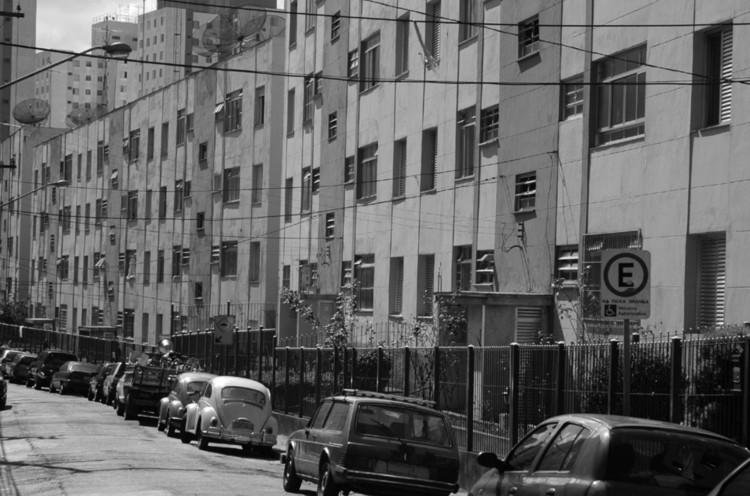
Combining analytical diagnosis with actionable recommendations, the study “A Cidade Estacionada” focused its lens on curb management in the city of São Paulo. By analyzing the discrepancies between public and private parking prices, as well as comparing these rates with the evolution of public transit fares, “A Cidade Estacionada” brought to light the negative social and environmental externalities of public policies that favor private motorized transport.
https://www.archdaily.com/1123717/unparking-the-city-we-need-to-rethink-public-parkingJoão Melhado e Paulo Speroni
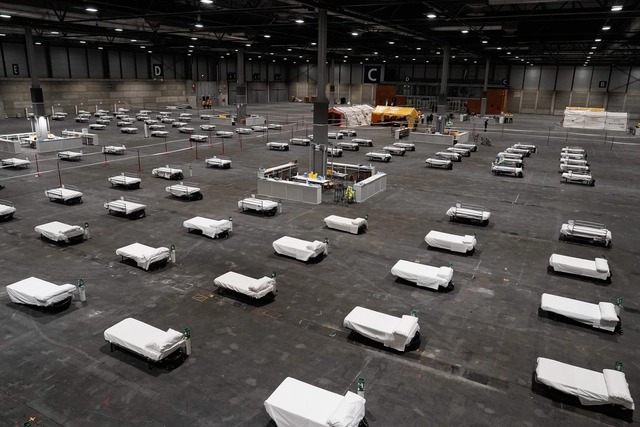
Field hospital set up at IFEMA. Courtesy of Comunidad de Madrid
Just like us, words have a history. The word cure comes from Latin and is linked to the act of caring. This same root gives rise to the word *curator*, the person responsible for a collection or an institution, for example. Meanwhile, care, in the medical sense, was perhaps first described by Celsus: In hoc casu medici cura esse debet, ut morbum mutet (In this case, medical care is indicated to change the course of the disease) [1]. Today, when we think of a cure, we often speak of it as an isolated event within a given treatment. A cure for the flu. A cure for cancer. A cure for the novel coronavirus. A finish line that ends a journey. However, it is important to think of healing as a process that depends on multiple factors.
Videos
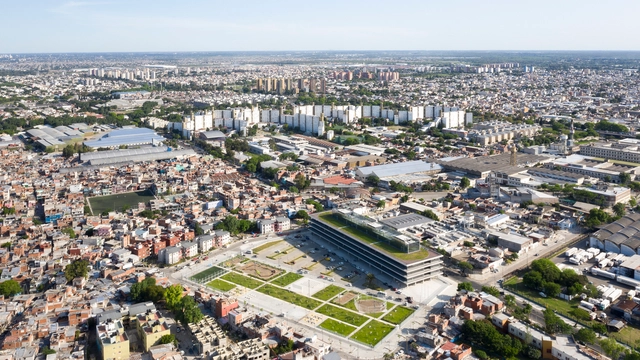
Nuevo Ministerio de Desarrollo Humano y Hábitat - El después del Elefante Blanco. Image Cortesía de Secretaría de Desarrollo Urbano / Gobierno de la Ciudad Autónoma de Buenos Aires
Not all works of architecture are a success. In fact, there is a term reserved especially for architectural creations that have proven simultaneously extravagant and wasteful: "White Elephants."
Have you ever thought about walking? This is the question that GUIAPÉ SP — a guide presented here through an essay — asks its readers. From the cover on, it proposes walking through the city of São Paulo, charting a route that strategically passes through places where arriving on foot is precisely the point, revealing overlooked details, people, and urban life. This guide was not made for sightseeing, but rather to take its readers on a journey. Within its pages, the route and the sidewalks are not merely paths leading to destinations; they are part of the journey itself.
In the modern era of design where advancements in technology and construction have enabled architects to build better, faster, and taller, the sky’s the limit. Every few months, another headline boasts the tallest residential tower or the newly constructed office building that breaks yet another record for its impressive height. But as time goes on and new projects are completed, trends show that the United States is falling out of the spotlight in terms of being able to claim the title of world’s tallest building, and the drawing boards show that no American city will be reclaiming this title any time soon.



.jpg?1602706135)
.jpg?1602705046 "Zollverein Coal Mine Industrial Complex in Essen. Photography & Concept © Erieta Attali")
.jpg?1602705111 "Zollverein Coal Mine Industrial Complex in Essen. Photography & Concept © Erieta Attali")
.jpg?1602705591 "Duisburg-Nord public park. Photography & Concept © Erieta Attali")
.jpg?1602705763 "Duisburg-Nord public park. Photography & Concept © Erieta Attali")
.jpg?1602706135)





_highlite_Images_01.jpg?1603138047&format=webp&width=640&height=580)
_Weiqi_Jin_01.jpg?1603138177 "BIT Sports Center / Atelier Alter Architects. Image © Weiqi Jin")
_Atelier_Alter_Architects_04.jpg?1603139827 "Yingliang Stone Archive / Atelier Alter Architects. Image © Atelier Alter")
)Highlite_Images_01.jpg?1603139213 "WuliEpoch Culture Center / Atelier Alter Architects. Image © Highlite Images")
_highlite_Images_01.jpg?1603138047)
.jpg?1602551915 "Shimao Loong Palace Residential Landscape / Shimao Group. Image Courtesy of A' Design Awards")