The construction sector's contribution to today's climate crisis is deeply concerning: between material production, construction, and building operations, the sector is one of the largest emitters of greenhouse gases. Meanwhile, as urban populations grow at historic rates, we find that in the development of major energy-intensive cities, reducing the discipline's environmental impact seems to rely on niche interests and individual initiatives rather than large-scale actions from academia, the profession, or policymakers.
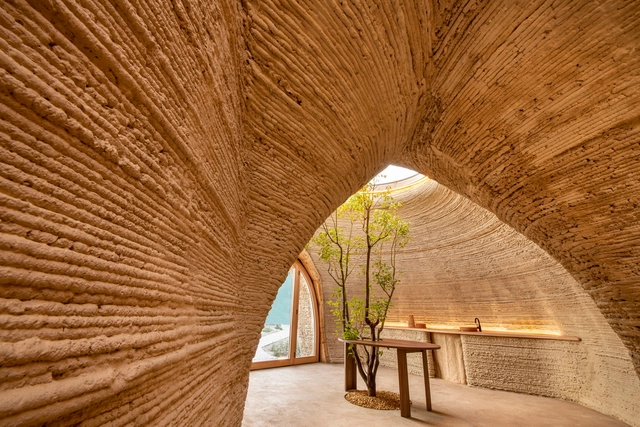
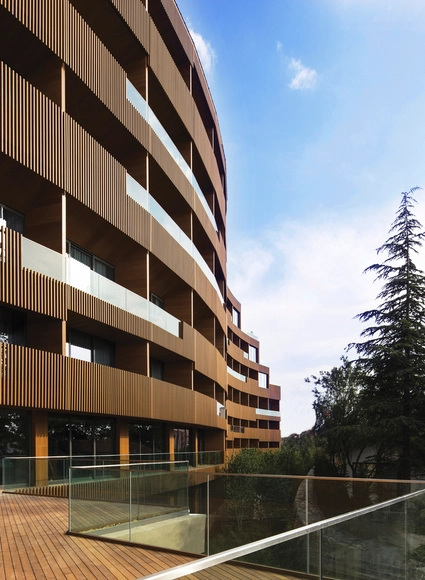
History has shown us numerous construction techniques and applications of local materials that have proven sustainable over time—relying on the efficient use of resources that require no intensive industrial processing and eliminate the need for long-distance transportation. In some cases, at the end of their life cycle, these materials can even be returned to the environment, as is the case with adobe and wood.